


It’s official: As of yesterday, COYOTE Media Collective has been live for six months. And what a six months it’s been! Behind the scenes we’ve been learning all the ins and outs of running a worker-owned business: how to draft a budget, fundraise, pay ourselves, design a style guide, create an editorial workflow… and the list goes on (and on, and on again).
But the reason we created COYOTE in the first place was to be a home for the many different kinds of stories we wanted to tell. Since our little website lit up on Sept. 15, 2025, we’ve run 145 pieces. We got the exclusive on storied music venue Bottom of the Hill’s plans to close its doors. We investigated the hot trend of naming pets Mochi and Miso. With First Aid Kit, our service journalism series, we’ve shared information on how to respond to ICE, what to do if you find a litter of feral kittens, and how to stay safe at a protest.
We have so many more stories in the works that we can’t wait to share with you. But while we work on those, we’ve asked COYOTE writers to share some of their favorite pieces written by their peers so far. Check them out below:

In Which We Deserve Options Other Than Rapists and Robots
As a journalist, it can be tricky to take on a topic as broad and well-covered as Waymo’s self-driving vehicles. How do you bring something new to the conversation? Center it in this exact moment? Explain its many complexities? And make it really enjoyable — at times even funny — to read? Emma Silvers does all of this (and more!) with her essay. She draws a throughline between the emergence of rideshare vehicles in San Francisco and the autonomous car boom we’re seeing today, but she doesn’t stop there. What does safety look and feel like while using these services, she asks. Is no driver at all better than a “strange male human driver?”
Two days before Emma’s piece was published, Kit Kat, a beloved bodega cat who lived near her house, was killed by a Waymo. Emma wove that tragedy into her piece beautifully: “It is actually too on the nose for the most beloved street cat in the Mission to get killed by a Waymo, I have decided. It’s a heartbreaking and deeply cliché entry in the annals of San Francisco gentrification commentary. Delete it, please, and try again.”
— Nuala
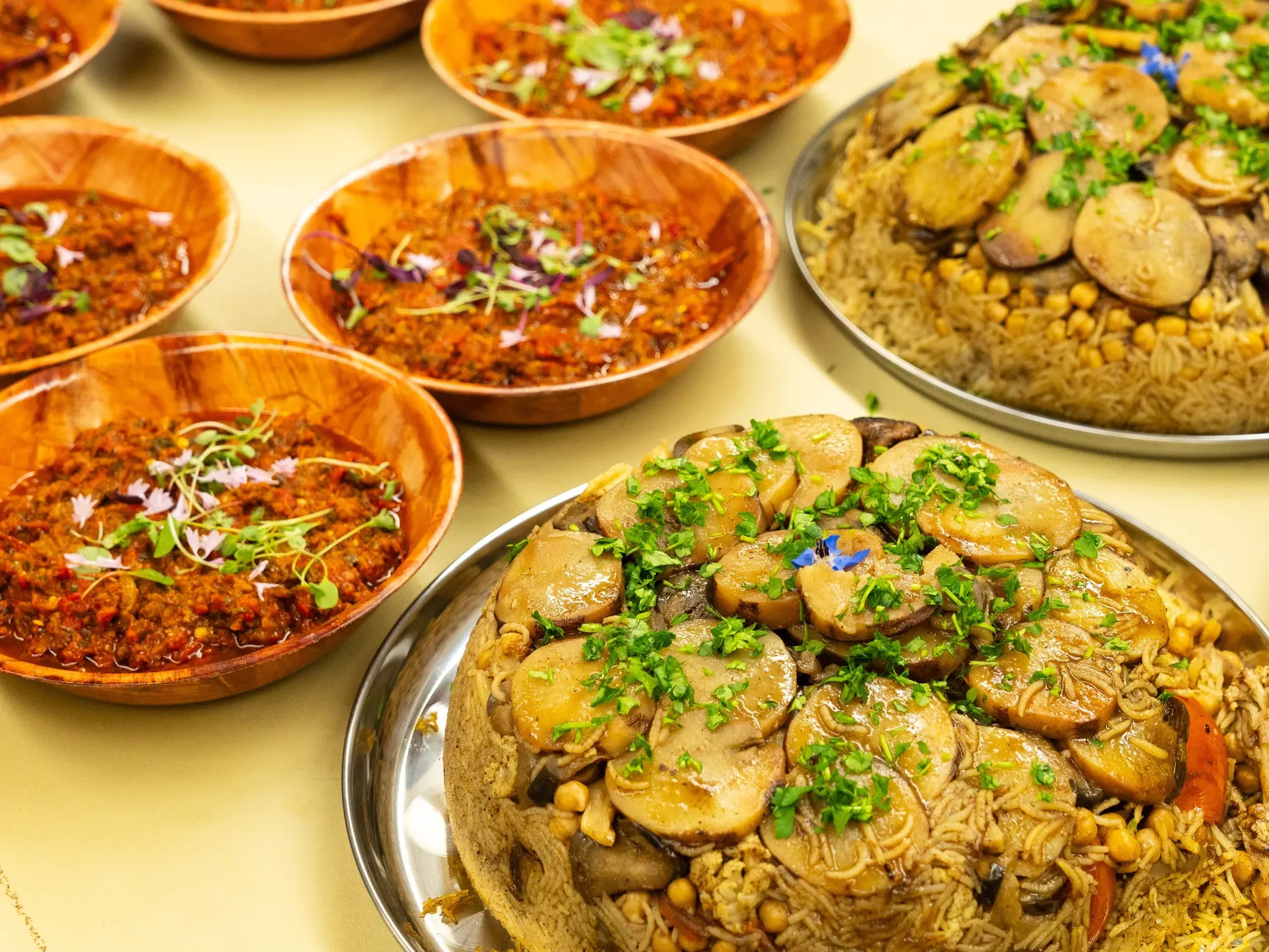
Pass the Rice, and Please Explain Your Genocide
I basically leapt at the chance to edit Soleil’s piece, because my years spent reading their work at the intersection of politics and food convinced me they are among the best to do it. To say that the US media landscape, in the nearly 2.5 years since Oct. 7, has shown itself incapable of reckoning with, say, the past 75 years of Israeli occupation, is an understatement. “Pass the Rice” is about reckoning with what attempts at such a reckoning in food spaces looks like — both the successes and failures. Early on, when Soleil invited me to join COYOTE, I asked whether writers would be free to call a genocide a genocide. This article does so and then some. It's an outstanding work of cultural reporting, and I am proud to have it on our site. — Rahawa
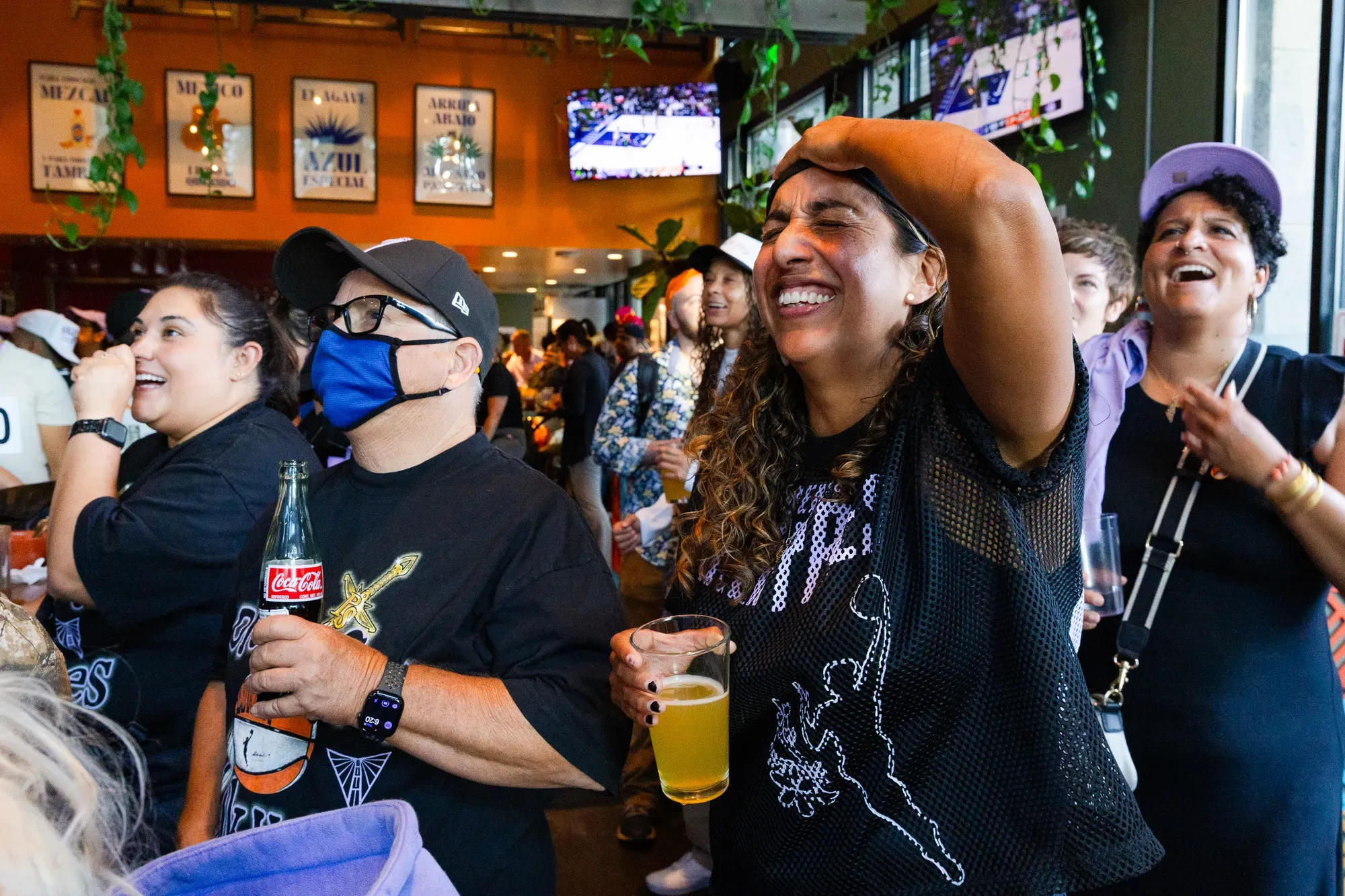
Watch Parties, Dildos, and Equal Pay: How Queer Valkyries Fans Claim Space in the WNBA
When joining COYOTE as a co-founding member last fall, a few things stood out to me: being able to build a homebase with other Bay Area writers, and talking about sports as a form of meaningful community rather than mindless entertainment. Working with Oakland freelance writer Maya Goldberg-Safir on her report about the explosion of queer fandom in the Bay Area through the arrival of the WNBA’s Golden State Valkyries was an affirmation of that larger mission. As an indie publication run by a ragtag team of journalists, it means a lot to bring on and pay other indie voices, to share their perspectives — and to organically access the Bay from their points of interest. Maya has long been a writer I’ve admired from afar, someone who has been covering the WNBA before it became a national talking point, so I was hella juiced when she agreed to write about the Valkyries for us in their inaugural season. She worked with both myself and COYOTE’s Emma Silvers for weeks to tell this story that is just as much about claiming one’s personhood, stepping fully into the male-dominated world of sports fan standards, and genuine representation in our fucked up society, as it is about joyfully cheering on the V’s inside dive bars amidst their historically successful season. — Alan

.jpg?ref=coyotemedia.org)
.jpg?ref=coyotemedia.org)

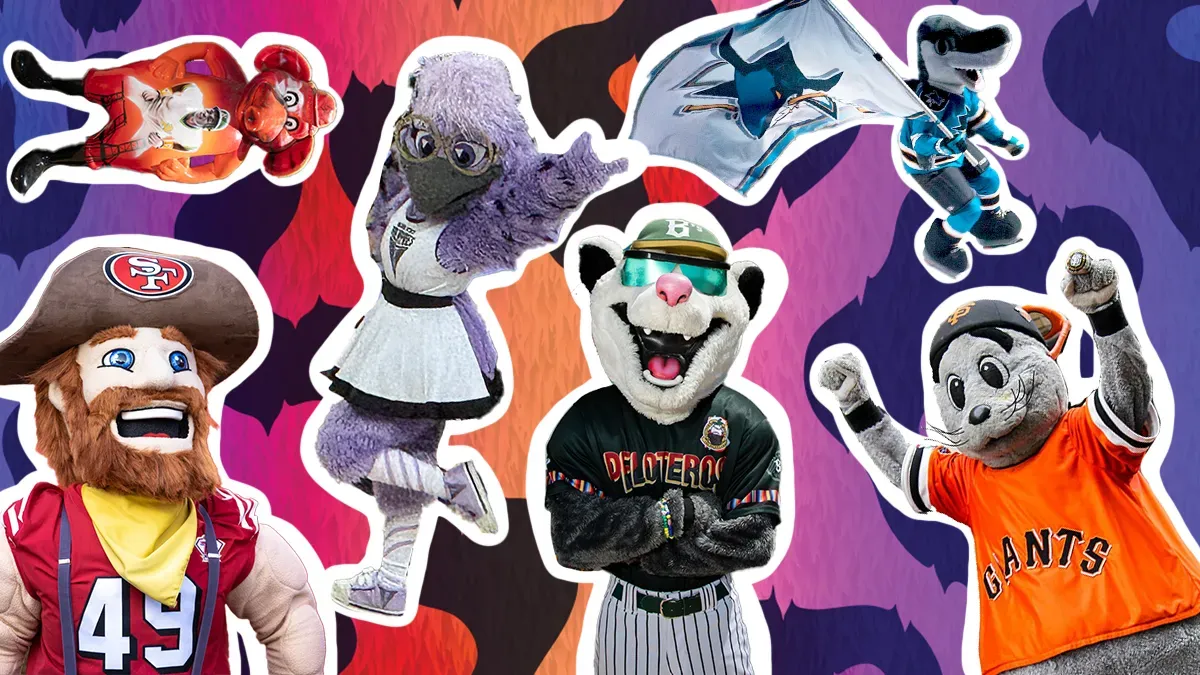
Bay Area Sports Mascots Ranked by the Ultimate Experts: Furries
Each week at our editorial meeting we bring the team up to speed with stories we’re working on. Every update Reo gave on this piece made me so amped to read it, and the final product did not disappoint. This was a great way for me, a very non-team-sports girl, to enjoy one of the many things that sports has to offer its fans: MASCOTS. I mean — 1984’s Crazy Crab?! Who even thought up that thing? What pushed this piece from a funny flashback into a work of art, however, was the inclusion of furries as judges of these bizarre sports heroes. It’s an absolute must read, and one of the many pieces we’ve run where I’ve thought “This is such a COYOTE story.” — Nuala
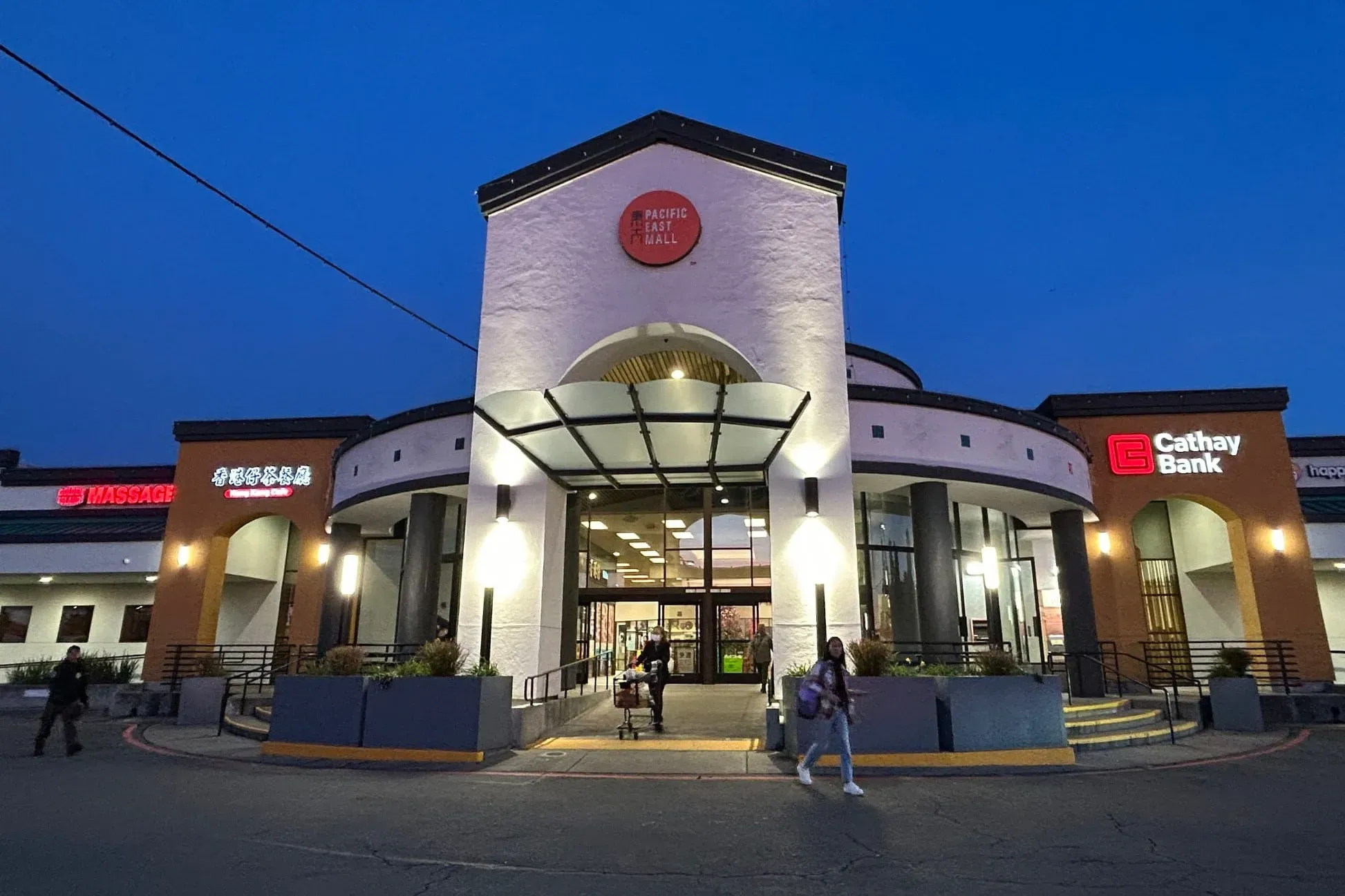
What the ‘Asian Market Boom’ Is Missing: An Ode to Pacific East Mall
I had no hand in the creation of Cecilia’s story, but I immediately sent her a note after reading it to say how much I loved her mix of personal narrative and reporting. The following paragraph, in particular, resonated with me hard, having seen the… let’s say “commodification” of revolutionary Black activism in Oakland: “Perhaps my unease about Asian grocery stores being recast as bright spots in a faltering retail landscape has to do with how these community infrastructures — which uphold tradition and instill cultural pride — are now framed as economic interventions. I worry about our communities being reduced to metrics that can be celebrated, replicated, and scaled at a time when immigrant communities need these spaces to feel more potent and safer than ever — not neutralized to fit the growing appetites of the mainstream public. It’s impossible to shake the irony of reading about Asian grocery stores as retail saviors at a moment when immigrants are being framed, yet again, as threats — to jobs, to safety, to the nation itself.” This kind of insightful hometown framing is exactly the kind of thing the alt-weeklies that inspired COYOTE were known for. At the time, I messaged Cecilia and told her that yeah, straight-ahead reporting is important at times, but I never want us to lose sight, as a publication, of what it means to be a person in a place at a specific time; it's some of the most honest storytelling we can offer our readers given the state of journalism at present. — Rahawa
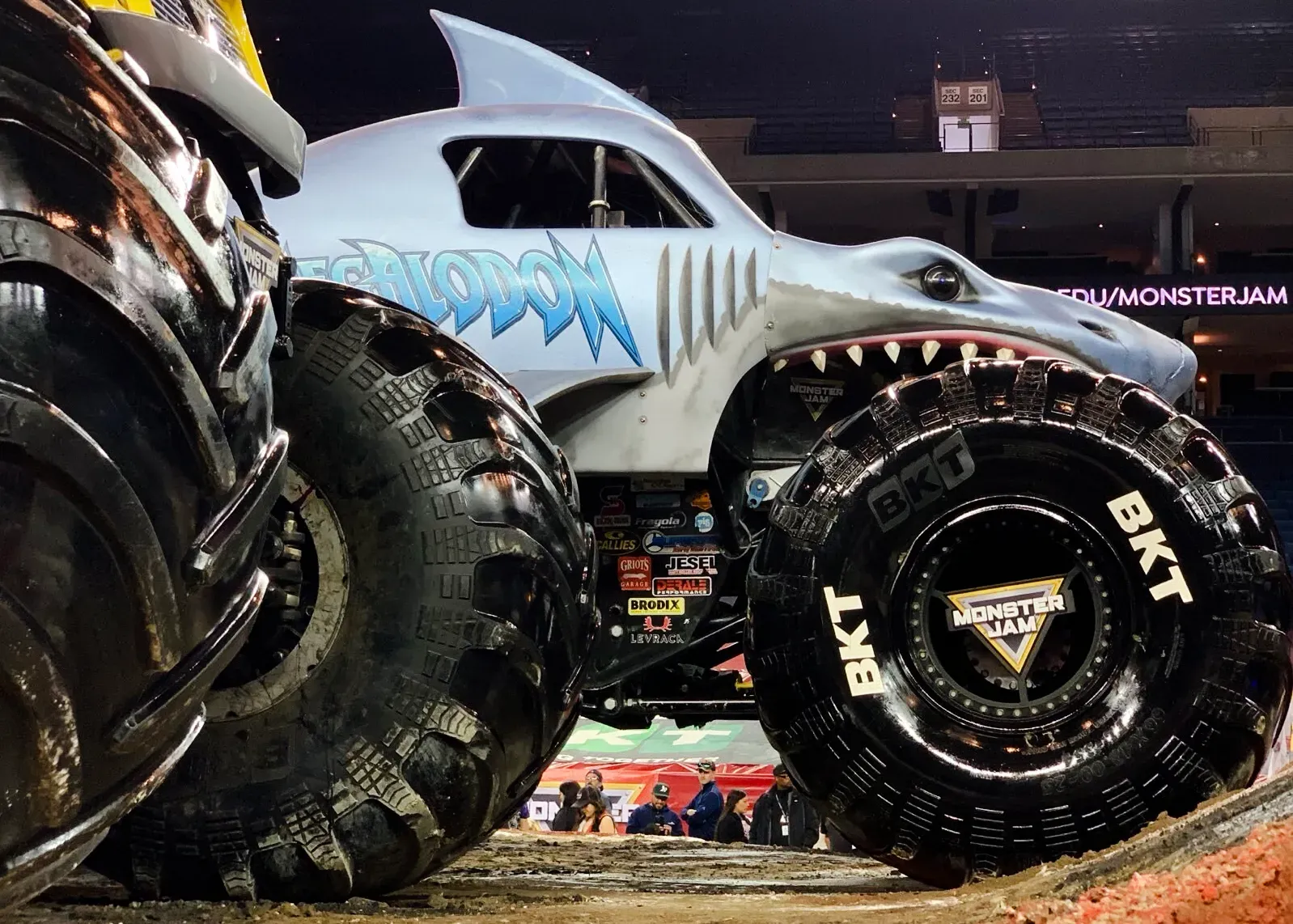
The Best $20 I Spent This Year Was at Monster Jam’s Pit Party in Oakland
I love it when an essay grabs me by the hand, takes me to an event I would never have considered fodder for thoughtful, incisive commentary, and then surprises the hell out of me. Was Rahawa’s piece about Monster Jam — which is really about our deeply surreal political moment, capitalism, human nature, and awe — written for me, you might ask? It was not, but I was delighted to a) edit it, and b) feel more certain than ever that COYOTE has an important role to fill, bringing this type of writing back to local media. The people are tired of internet writing that treats them like idiots. The people deserve an essay that contains a picture of a child hoisting a chicken tender into the sky à la The Lion King, a beautiful exploration of dirt, and a description of a vehicle named Sparkle Smash. And then a passage like: “The conflict, I think, lies in the opportunistic commerce of it all. A dissonant whine between harmonic athletic intent and the pitchiness of vertical integration. It sits atop the whole endeavor like an oil slick.” Go read this piece on your lunch break; you deserve it. — Emma
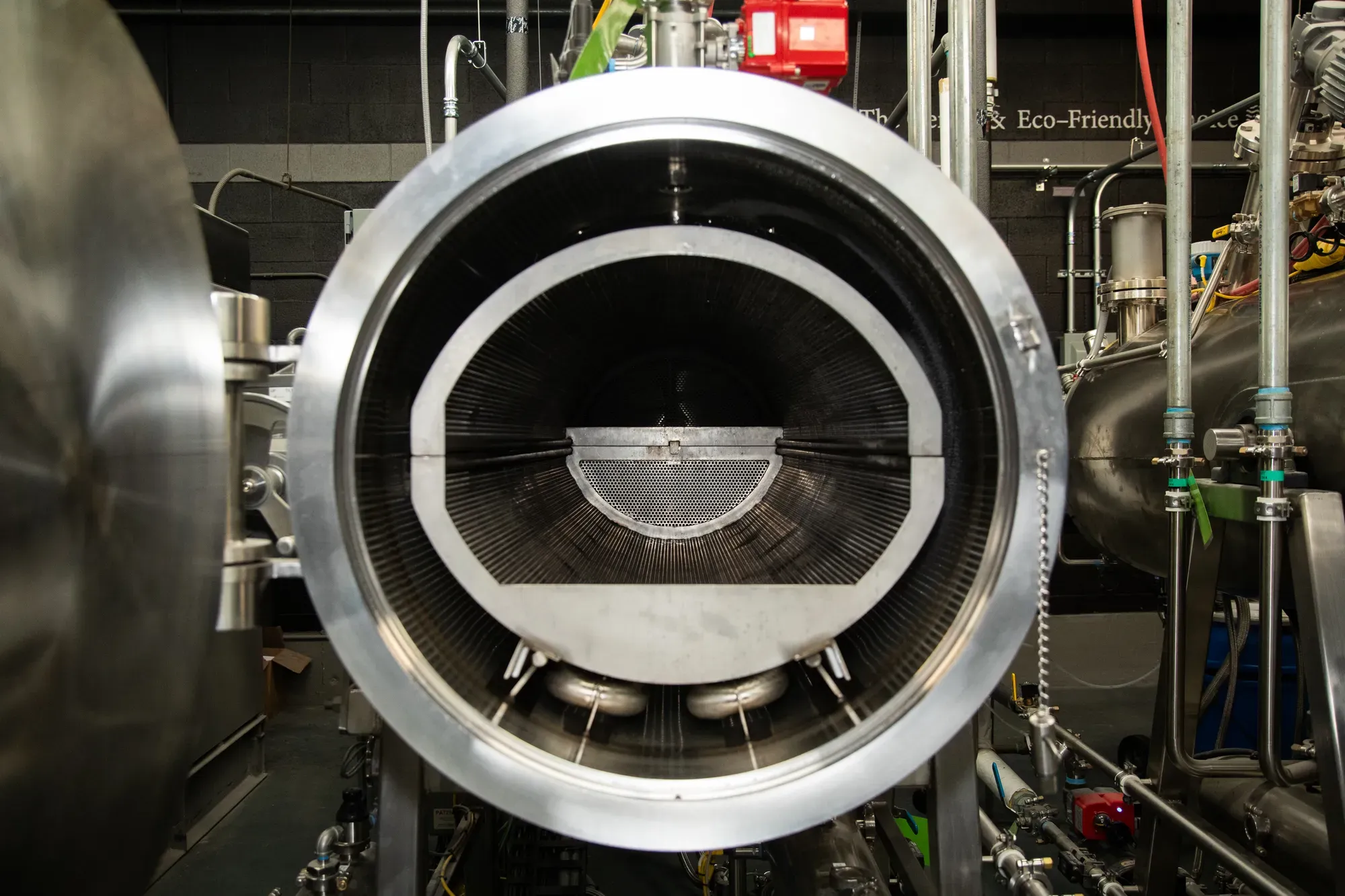
In Which I Decide to Liquefy My Body After Death
As a born-and-raised child of the Bay Area, I tend to think I know most of its strange corners. So there’s nothing more thrilling than getting absolutely schooled on some aspect of local life (or death) I knew nothing about. Nuala’s piece exploring water cremation, or aquamation, did just that, transforming what could have been a wonky, dry science story into a spotlight on a fascinating industry — as well as a personal, poetic meditation on dying, human beings’ role in the ecosystem, and how powerful it is to have your final decision on earth be one that helps it thrive. I mean: “I shall be agitated in a metal coffin, blasted with heat and alkaline, and dissolved into nothingness until only my bones remain”? Metal AF, and also somehow soothing. Sign me up (both for this process, but before that, for more pieces like this). — Emma
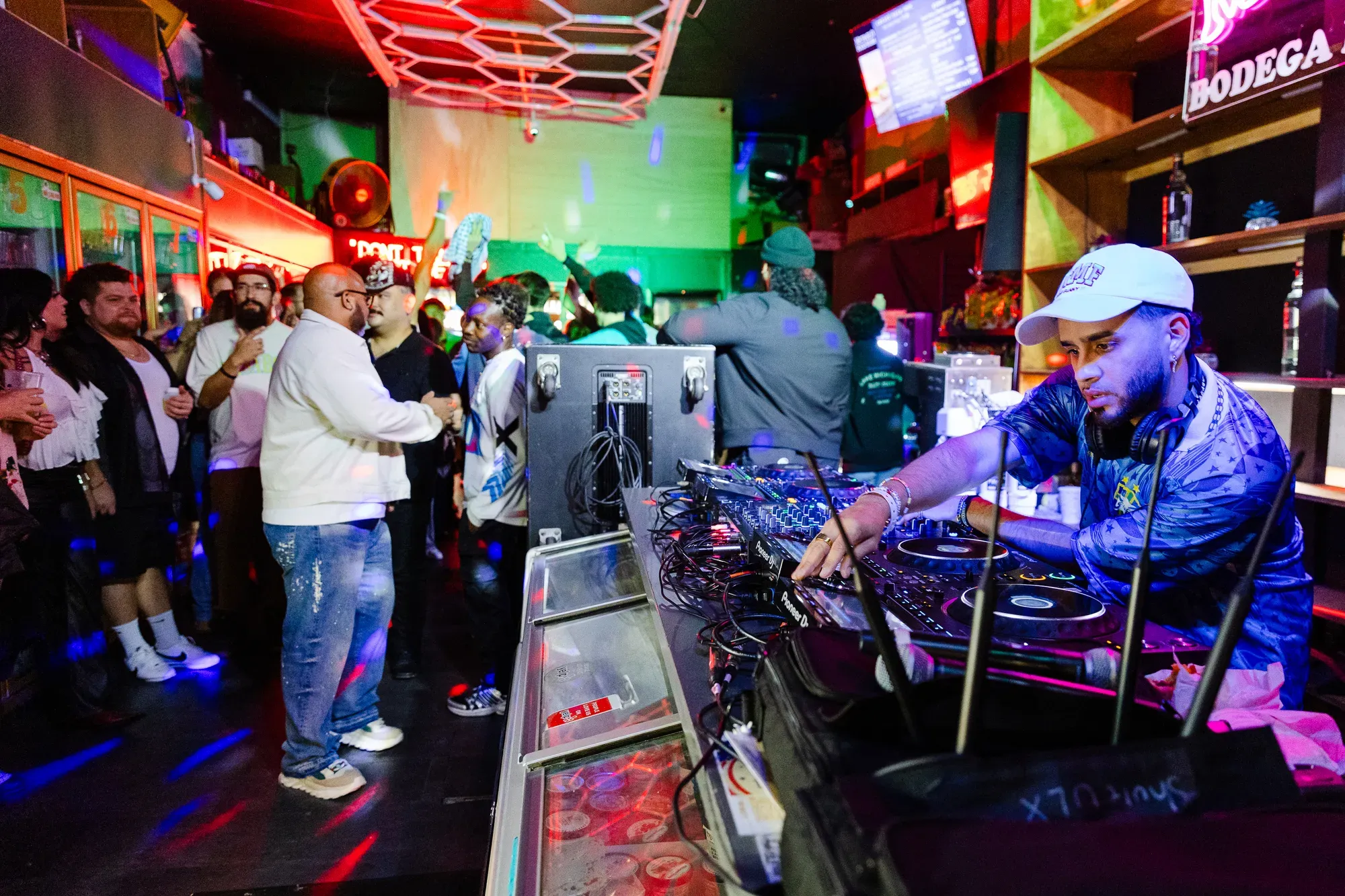
See Inside a Secret Rave at a San Francisco Liquor Store
I am not (as we have established) a rave guy. And yet I consume rave content with the fervor of an anthropologist uncovering a locked, possibly cursed tomb. How do people stay up so late? How do they handle such loud?! So many people?! Fascinating, fascinating. So when Estefany said she was going to a rave at a bodega, I knew the piece would become an all-time fav. And of course, it did! In this photo essay you can just feel the fun coming through the screen. It’s almost like I was there, but I was totally asleep for this entire event. In a time of absolute hell on Earth, these kinds of joyous gatherings are worth their weight in gold, and Estefany captured it so well. — Reo
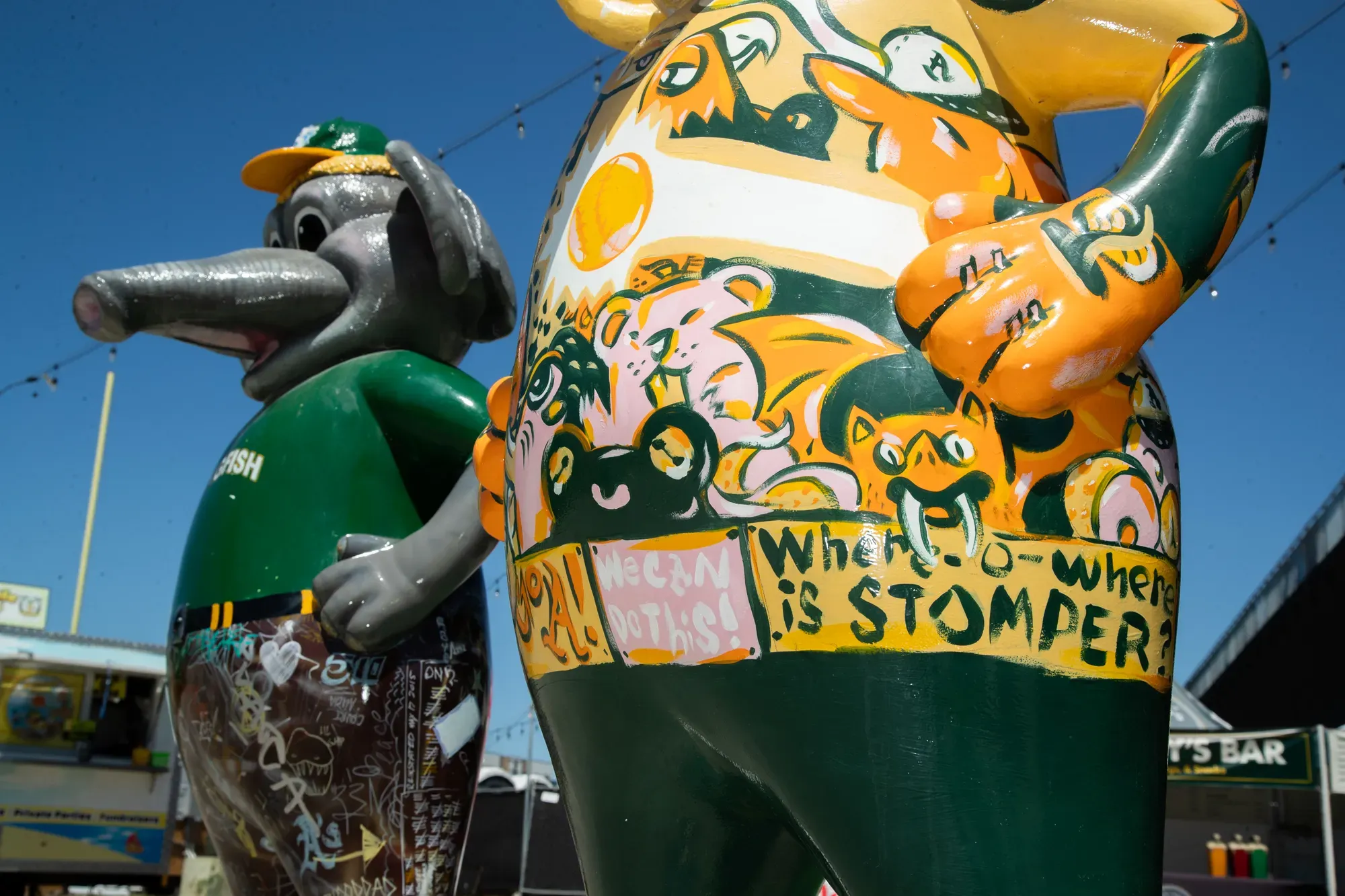
Where Did All the Abandoned A’s Elephants Go?
In the hands of the right writer, there’s nothing better than a good, slightly obscure and ultimately inconsequential mystery. And Alan is absolutely the right writer. In this story he manages to not only tell a tale full of amazing details about tripping hazards, drunk auction wins, and retired teachers but also uses it to cut deep to the heart of Bay Area sports culture. This isn’t just a hunt for slightly kitschy abandoned sports sculptures: It’s a metaphor for the way the team abandoned the region, and a story about those who are still here and still thriving despite the loss. — Reo
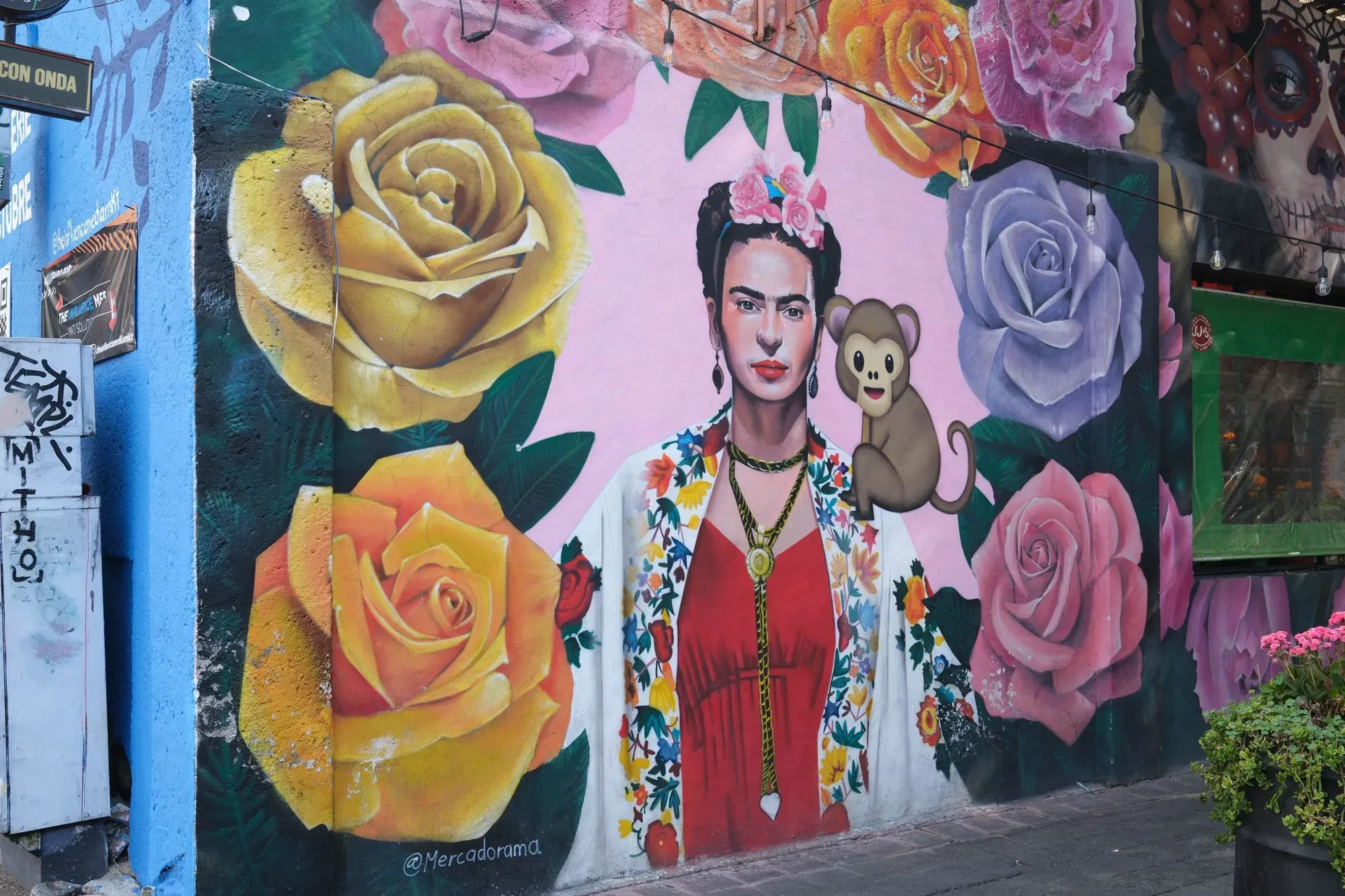
What Does Frida Kahlo Have to Do With the Bay Area? I Found Out in Mexico
COYOTE loves having Alan on the team because he has a gift for waxing poetic on anything that sparks his interest, and luckily, a lot does. Even while living in Mexico, he manages to sift out quirks that define Bay Area culture — a reminder that the region is so deeply a part of Alan’s DNA. I particularly love his personal essay “What Does Frida Kahlo Have to Do With the Bay Area? I Found Out in Mexico”. Yes, there are lovely tidbits about the artist — Frida was once dubbed ‘The Queen of Montgomery Street’?! — but the piece is also a thoughtful meditation on the difficult, albeit necessary, decision that Alan made to move and raise his young family in Mexico. In doing so, he offers a critical perspective: “…being out in the world, and learning about how others exist and existed, is a necessary, urgent medicine.” Alan’s essay radiates his tremendous love and admiration for the Bay Area, a place he still writes about with care and curiosity. We’re lucky he does. — Cecilia
Love this work? Help us make more of it! Become a member of our pack, send a gift subscription to a pal, or just drop some change in our tip jar.
