Text Me When You Get Home
Nearly a decade since the MeToo movement began, women’s daily lives are still shaped by efforts to avoid assault and harassment. How do we move forward?


Nearly a decade since the MeToo movement began, women’s daily lives are still shaped by efforts to avoid assault and harassment. How do we move forward?

This week we've got salty lakes, vampiric debates, speculative sculpture, and more.

When someone is detained, they usually spend up to 8 hours at a processing center before transfer. Having a lawyer advocate for their rights is essential — but shortages make that less likely.

Nearly a decade since the MeToo movement began, women’s daily lives are still shaped by efforts to avoid assault and harassment. How do we move forward?

It was 12:30am and I was in a parking lot, alone — or so I hoped. I’d just landed at Oakland Airport, and the walk to my parked car was only 10 minutes, but I’d been stressing about it all day. “I’ll just find a security guard to walk me to it,” I told myself. But then I emerged from baggage claim to a completely empty curb. I had to brave it on my own.
I walked quickly down the very center of the parking aisles, hoping the intermittent street lights would allow me to spot a man if he came toward me. But was that the right move? Or should I be less obvious, and slink through the shadows between parked vehicles, out of sight? I felt completely naked, absolutely vulnerable, never more like prey. By the time I got to my car, I was sweating, a little dizzy from breathing so fast. I locked the doors. I was so sick of feeling scared.
On the drive home that night, I wondered how often the cis men in my life felt this specific type of fear. Have they ever experienced terror in a parking lot? Do they know what it’s like to look at approximately half the human race and wonder, nearly daily, “Is this person going to hurt me?”
Efforts to avoid sexual assault, violence, and harassment shape our daily lives, informing what we wear, who we talk to, where we go, and what time we do any of that. It is so woven into our society, this power men feel over women. Can you imagine, dudes reading this, worrying that men will follow you down your street, to your house, because they like the way your ass looks in leggings? Because I have to worry about that. My day-to-day life hasn’t changed at all since the MeToo movement began. And it’s fucking exhausting.
We are in the midst of yet another flurry of headline-making sex assault cases, including the horrific gang rape allegations at Cornell, and by now the shocked responses are part of the news cycle itself: “This is unacceptable!” people proclaim, just like they did nine years ago at the height of the MeToo movement. That period successfully shone a light on the frequency of assault, but it also demanded adequate punishment, and as a society, we’re still largely failing to implement that second part.
A 12-year-old Mississippi girl raped in 2022, forced to have a baby because she lived in a state that banned abortions, has yet to see her attacker go to court. This year, after two ex-girlfriends spoke up, an Oklahoma teenager charged with rape, rape with instrumentation, domestic violence, battery, and strangulation got a shockingly light plea deal. Think this is just an “elsewhere” problem? Do some reading on the San Francisco Police Department’s history of not investigating the majority of rape cases.
Women know the system is designed to fail. While fathers are applauded for telling sons not to rape women, mothers quietly teach daughters how to hold their keys in their fists.
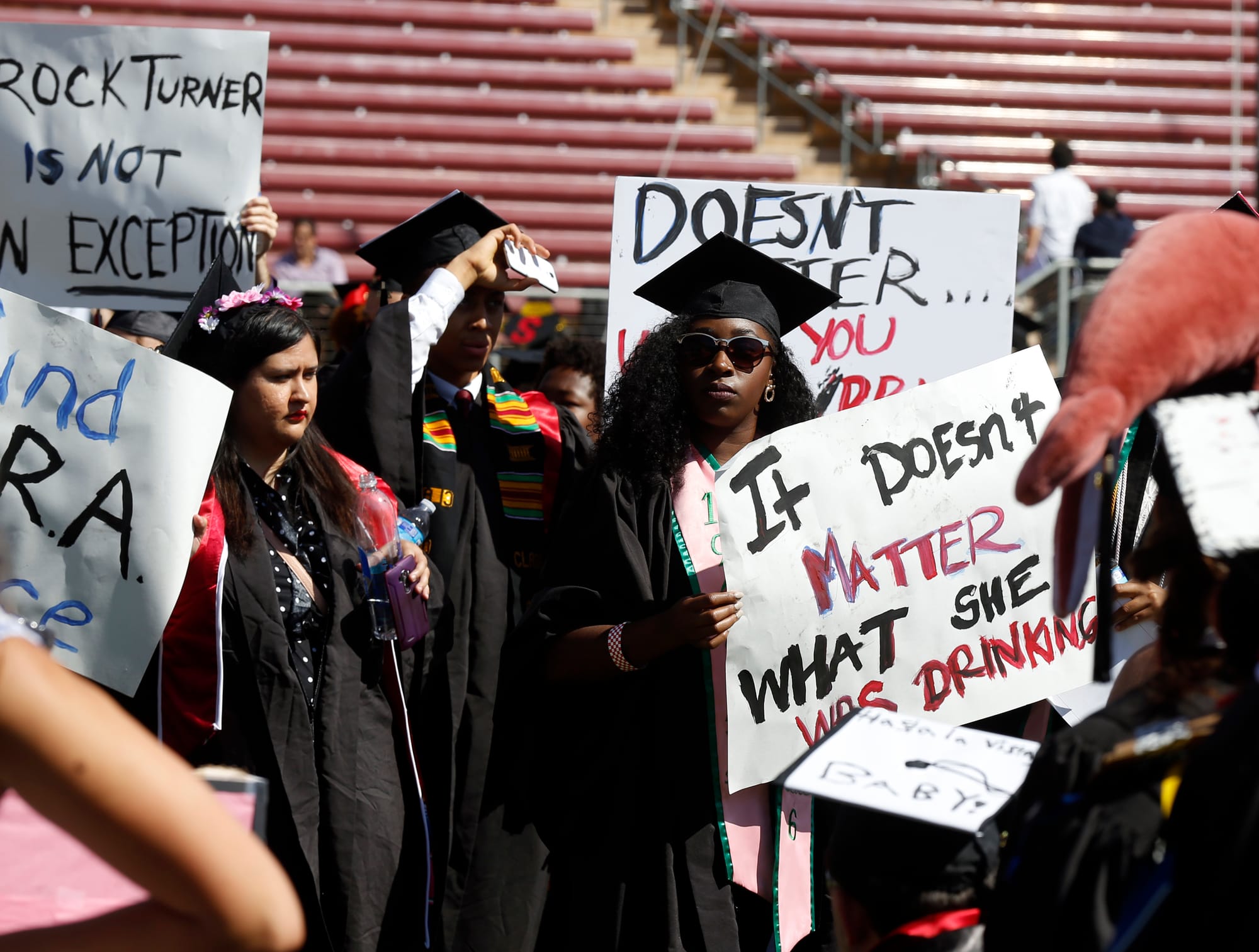
Where do we go from here? There is currently no path toward ending sexual harassment, only punishing those who commit it. It’s rinse and repeat: A man does something terrible, maybe he’ll make a few headlines, people will be outraged, a jury will decide if he's guilty, and things will fall quiet again — until the next time. Any hope that this cycle could actually end — which felt like a possibility during the MeToo movement — has all but trickled away.
One thing we have learned in nine years: Outrage without action is not enough. The news cycle itself feels traumatizing, and to what end? Every time another case makes headlines, I see the toll it takes on my female friends. We’re pissed, making social media posts, shouting, “Never again!” until we’re hoarse. But behind the scenes we’re curling up in bed, hearts aching for victims, reliving our assaults, texting that we love each other.
If only shining light on men’s shitty behavior would get them to stop, I think. If only I could walk through my gym’s parking lot without a dude sitting in his car leering at me with his dick in his hands. If only I felt comfortable walking my dogs while wearing a short dress. If only I felt safe enough to get gas after dark.
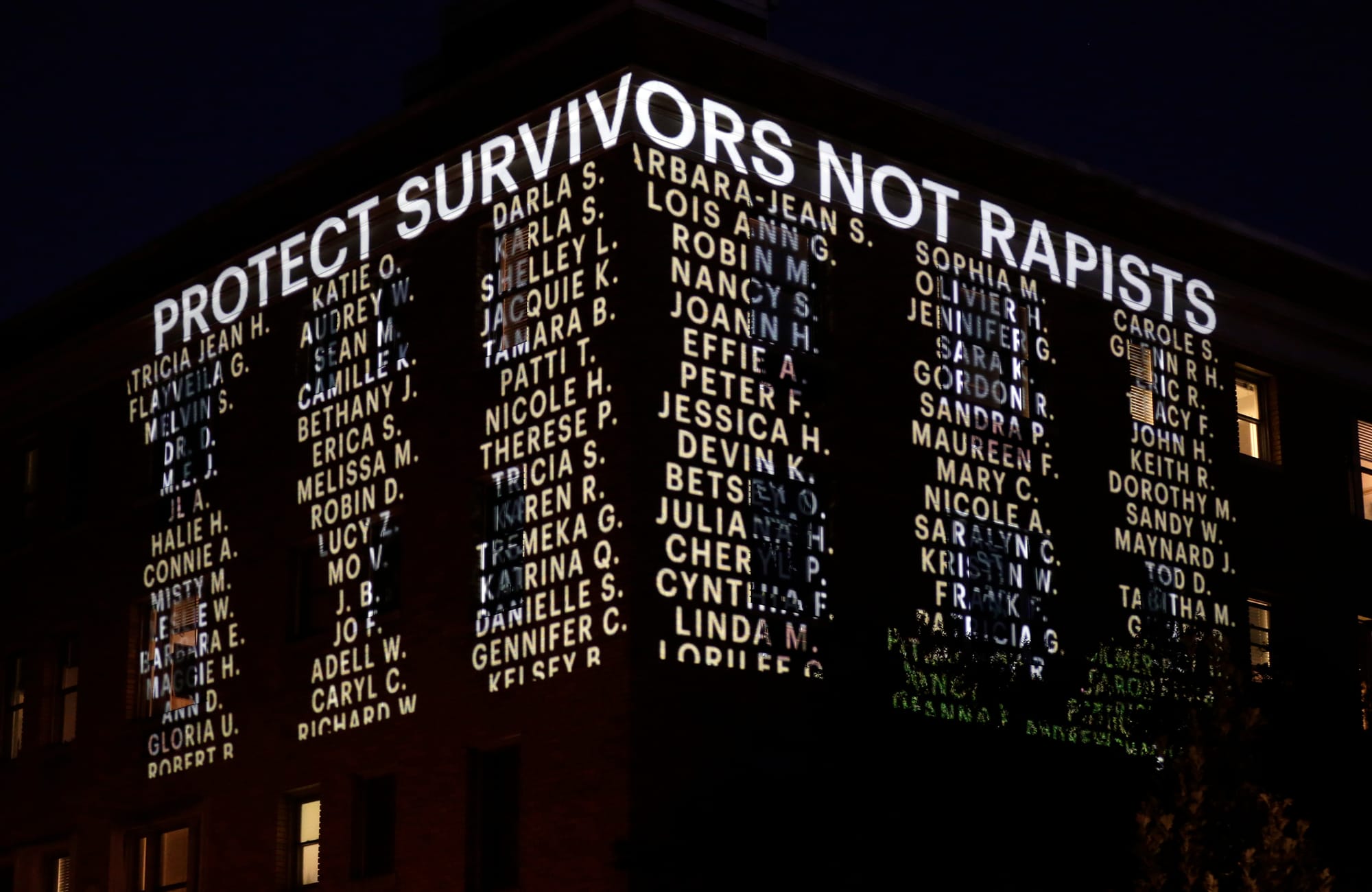
Instead, it feels like the impetus is on us to, again and again and again, report men being assholes. Yes, I could get a security guard at the gym to tell that dude to put it away. I could tell men who hit on me on the street to knock it off. But instead I, like so many women, wonder if it’s worth the effort. “It’s not that big of a deal,” we still try to convince ourselves. “Also, I am so tired,” we admit. Too often, the weight of responsibility women hold to fix what’s so deeply broken in our society is too heavy to bear.
Which is why men need to step the fuck up. When a woman does speak up, we all need to listen. Read all the news stories, dude. Reflect on how you behaved in college. Challenge preconceived notions about what victims "should" have done. Think about what you’d do if you saw a guy following a girl down the street in a way that makes her nervous. Call out your friends for taking home women who are wasted. Learn about consent. Abolish frats. Demand consequences. Stop being so self-centered. Make the world safe for Jane Doe. Hear us. Fight for us.
Because right now, as always, we’re all we’ve got. “Text me when you get home,” my girlfriends and I still say to each other, and always will. “Share your location.” “Are you OK?” “Are you safe?” “Are you sure?”