COYOTE Calendar: October 15-October 21
This week we've got salty lakes, vampiric debates, speculative sculpture, and more.


This week we've got salty lakes, vampiric debates, speculative sculpture, and more.

When someone is detained, they usually spend up to 8 hours at a processing center before transfer. Having a lawyer advocate for their rights is essential — but shortages make that less likely.

This ‘Daniel Lurie’-fronted punk band is pro-cop, pro-Flock — and just might restore your faith in San Francisco.


When someone is detained, they usually spend up to 8 hours at a processing center before transfer. Having a lawyer advocate for their rights is essential — but shortages make that less likely.

Advocates and attorneys in the Central Valley spent much of last week responding to ICE arrests in various cities, with more than 100 people detained over a three-day period. Concerns over the arrests were further heightened after the Washington Examiner, a conservative publication, cited unnamed ICE sources in a report about a California-wide enforcement operation expected to last up to 45 days. The reports seem to match with the experiences of advocates on the ground in California, who have reported arrests in gas stations and public locations including major streets and shopping centers. In recent days, local rapid response networks have also reported roving patrols conducting traffic stops in a pattern that appears to be consistent with racial profiling.
Many view the surge as a concerted effort by the administration to foment fear and chaos ahead of the midterm elections. In an Oct. 7 interview with the Fresno Bee, Nora Zaragoza-Yáñez, program manager for the Valley Watch Network, called the operation an “election surge.” Regardless of the explicit goal of the operation, the impact is being felt by immigrant communities and advocates across the state of California.
Other legal responders have reported that those who have been recently detained have no criminal records, and many of them have multiple years of presence in this country. According to Angelica Salceda, an attorney with the ACLU of Northern California, the number of arrests since last Tuesday may be as high as 122. Salceda is one of a number of attorneys responding to arrests, and initially documented difficulties with gaining access to those being processed, but noted that access has since improved.
Reports from attorneys providing updates on legal response noted that ICE had cited space restrictions as a basis for denying access to clients, with many individuals transferred to secondary locations based on the same rationale.
The Central Valley has long served as a site where ICE operations not only pick up targeted individuals but engage in instances of racial profiling, in which individuals who seemingly appear to be immigrants or undocumented are picked up; the operational term for it within ICE is “collateral arrests.”
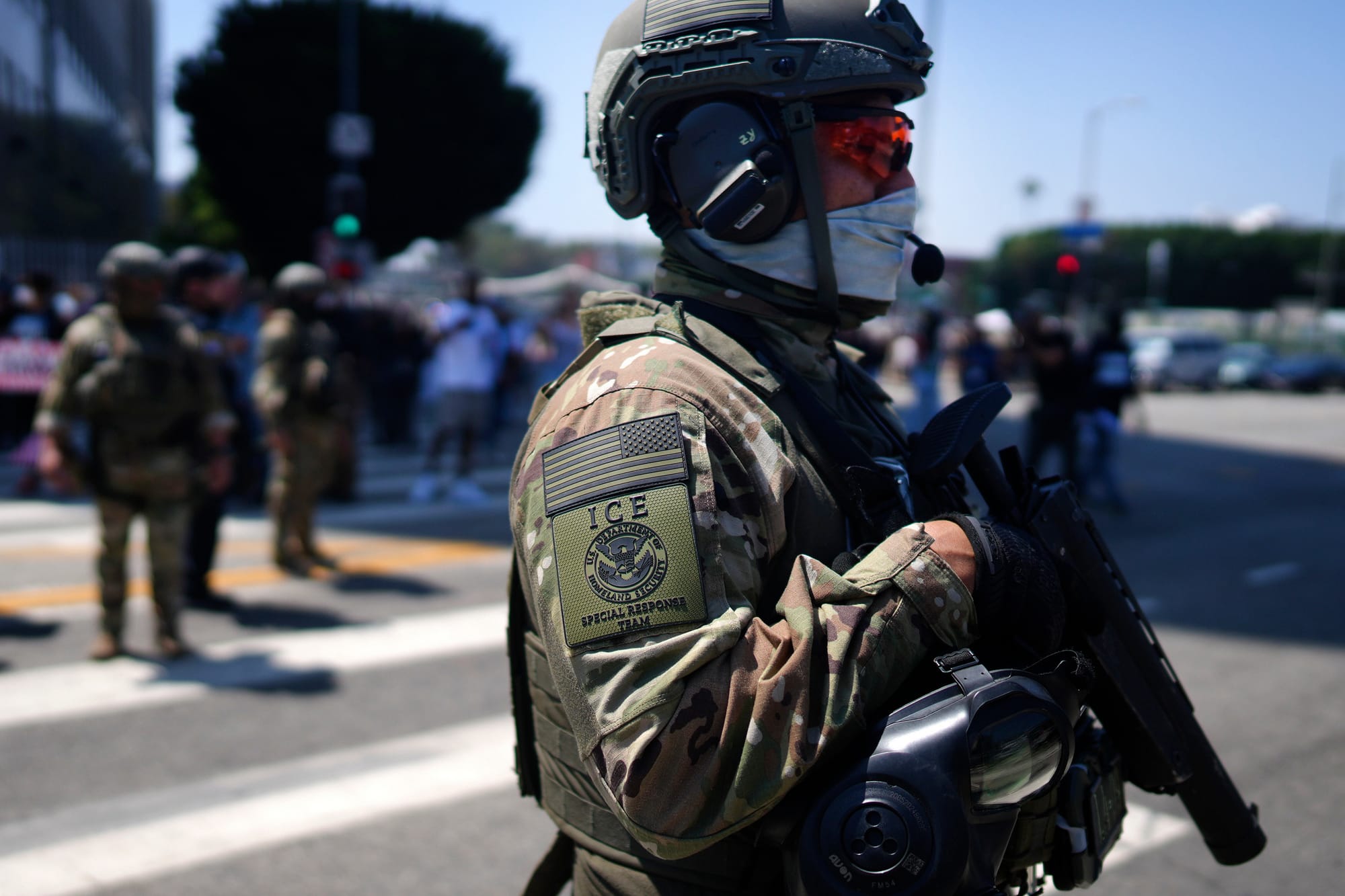
In early 2025, just weeks before Trump was set to take office again, a border patrol operation targeted the Central Valley, drawing Republican condemnation and resulting in dozens of arrests. Advocates, including myself, viewed the operation, which was headlined by Greg Bovino, as being a preview of what was to come for Trump 2.0 in California.
Lost in the discourse on ICE raids is a fundamental understanding of the mechanics of these operations, the critical points of intervention, and a strategy to providing those impacted with legal support — all of which are essential to moving beyond documenting immigrant trauma. This includes the importance of coordinated campaigns to protect due process by advocates and the various actions state officials can take to support this work.
The latest operations began shortly after Gov. Gavin Newsom vetoed SB 1194, a bill by Senator Anna Caballero that would have codified the Immigration Legal Fellowship Project, a 7-year-old pilot program, into state law. The Fellowship was an advocate-led initiative funded by California in 2021 to train new immigration attorneys for rural regions like the Central Valley and Central Coast, where a severe shortage of immigration attorneys has created so-called “legal deserts.”

Since launching in 2021, the Fellowship has already placed 19 fellows with 13 organizations, providing more than 2,400 legal services across 39 counties. Critically, the organizations selected to receive fellows are eligible to apply for removal-defense funding from the state, which further builds their long-term capacity for protecting immigrants’ rights.
The appearance by an attorney could also result in an individual being detained at a local facility as opposed to being transferred hundreds of miles away. For immigrant families dealing with the trauma of family separation, the rapid response community and the ensuing legal assistance act as a sort of triage in a time of extreme hardship.
The decision by Gov. Newsom to veto permanent funding for the Fellowship, which would have cost approximately $2.5 million a year, only adds insult to the injury of current immigration enforcement. My organization, which sponsored the bill, released a statement blasting Newsom for the veto, noting, “The veto, issued late Sunday evening, underscores the Newsom administration’s failure to acknowledge grassroots-led solutions developed by rural communities and sends the message that these regions, and the immigrant communities that call them home, can be ignored without consequence or accountability.”
When an individual is arrested by ICE, they are taken to an ICE processing center or field office, where they undergo administrative processing before they are sent to a long-term detention facility. Individuals are not kept overnight in these holding centers, and are typically there for up to eight hours while their case is being processed. This period serves as a critical window for their legal claim, as they are often asked to admit or deny certain allegations or even consent to their own deportation. Depending on what takes place at this stage, an individual may be allowed to go before a judge and contest their detention, or they may face expedited removal, a process that could result in their immediate expulsion.
This is where rapid response networks come in. During the first Trump administration, many communities in California developed these networks, designed to provide their communities with hotlines to report and verify ICE activity and provide emergency legal assistance to those in need. Rapid response networks are often staffed by volunteers and can assist communities in verifying rumors about ICE sightings, as well as coordinate when large-scale enforcement actions take place.
When someone is detained by ICE, a rapid response network can dispatch an attorney to the processing center and demand access to the individual in order to advise them of their legal options and provide a consultation. The appearance by an attorney could also result in an individual being detained at a local facility as opposed to being transferred hundreds of miles away. For immigrant families dealing with the trauma of family separation, the rapid response community and the ensuing legal assistance act as a sort of triage in a time of extreme hardship.
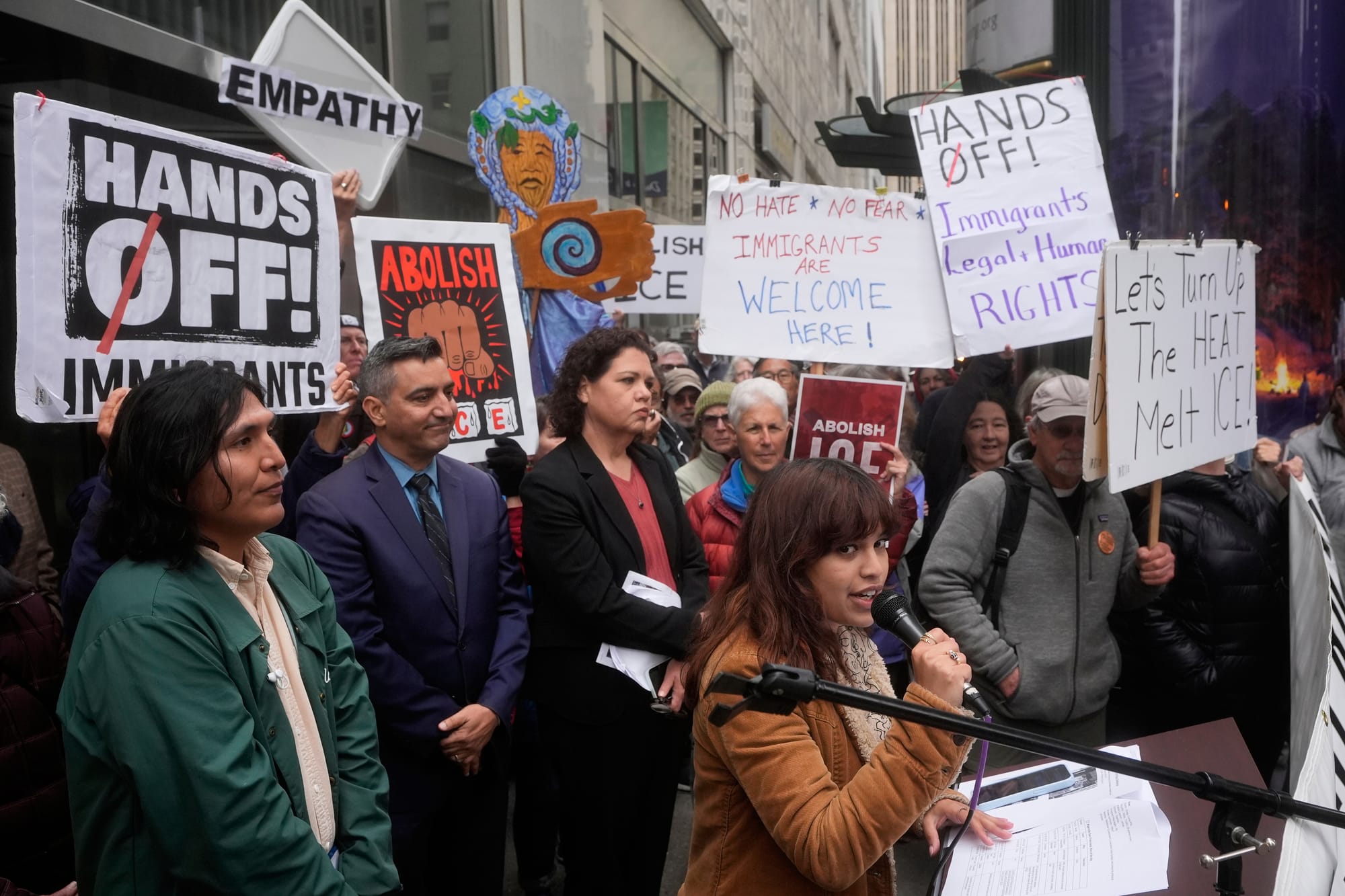
In the past, rapid response networks have coordinated legal interventions throughout the state of California while also collaborating with organizers and elected officials to promote the mantra of “Power Not Panic” in the face of ICE raids. This included addressing community-wide anxiety and fear by developing clear plans and protocols and mobilizing grassroots support. In 2019, advocates effectively mobilized in anticipation of ICE raids by securing a temporary restraining order ensuring that anyone detained must have the opportunity to speak with a lawyer before their removal.
These networks have also successfully pushed back on a narrative of fear and panic that is perpetuated by media coverage, in news outlets and on social media, centered on immigrants fleeing and living in terror of enforcement. Too often, the coverage on these raids centers immigrant trauma, and documents the spectacle of brown bodies either cowering in fear, fleeing, or being detained. What emerges is a discourse of disempowerment, one that perpetuates and reinforces the central point of the raids: political domination and terror.
What should be centered during these raids is not the pain of immigrant communities, which is a foregone conclusion, but a clear record as to the mechanics of the operations, the fundamental violations of due process, and the failures or successes within the context of due process and constitutional rights that everyone involved has. This includes all human beings, regardless of their immigration status, criminal history, or country of origin.
As it stands, California does not have a strategy for growing legal capacity for immigration support, particularly in high-need regions like the Central Valley and Central Coast. While the state and Governor cannot stop federal enforcement themselves, they can at least support initiatives that ensure that attorneys are available to help.