Crucible Closure Leaves 50+ Holiday Market Vendors Scrambling

For the artists and crafters who planned to sell at the Crucible’s December Gifty market, the Oakland arts hub’s closure represents a major revenue loss — and for most, it’s too late to regroup.

People browsing the booths and tables at a holiday market in a warehouse space.
The sudden cancellation of Gifty, a major holiday market, is a major blow to the Bay Area artists hoping to sell their work. (Courtesy The Crucible)

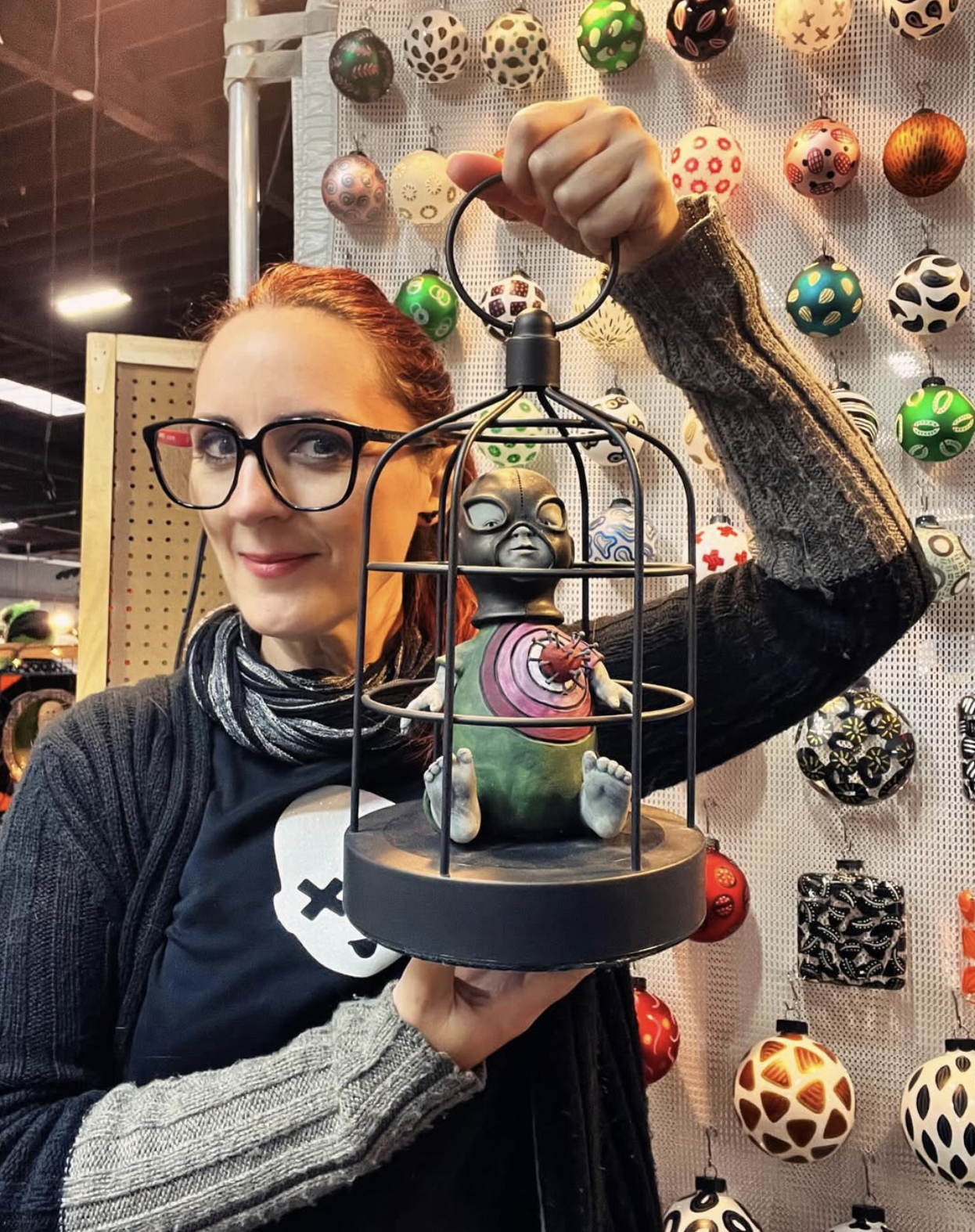
Flora Benzal’s gothic-leaning sculptures — the spooky babies, leather harness-wearing bunnies, and monstrous feline tree ornaments — aren’t your typical holiday market fare. But she always found her people at Gifty, the enormous two-day holiday market at the Crucible, the West Oakland arts hub near her home. The sculptor has sold her work at the market for the past decade, and it’s become the perfect closure to her season. “It always leaves my spirit high,” she says. “Rain or shine, people came.”

In July, Benzal paid $495 to reserve her booth at this year’s market, set for Dec. 5–6. She was anticipating about $3,000 to $5,000 in sales from the approximately 3,500 people who would make their way there.

But this year, a little more than a month before Gifty, the Crucible’s board of directors announced the indefinite closure of the hub. All staff were told not to report to work, and scheduled classes and events were canceled. 

In a statement, the Crucible’s union, which represents about 80 staffers, characterized the closure as a “shock.” The union has been working to resolve ongoing issues with the closure, including facilitating the ability of staff to retrieve their equipment and personal effects from the Crucible after the board restricted access and allegedly changed the locks.

Aside from the blow to the working artists employed by the Crucible, this closure will have major, lasting financial consequences for the more than 50 artists who’d banked on the market for end-of-the-year sales. None of the artists who spoke to COYOTE had heard if, or when, they would even get their booth fees back.

“It’s hard for me to find another market that would produce that kind of income at this stage in the game,” Benzal says. “The moment I got the email that Gifty was cancelled, I scrambled to find another show that weekend.” But most applications for holiday markets already closed months ago.


A closure with no warning

According to a Nov. 3 layoff email sent to staff and shared with COYOTE, the Crucible formally stopped operations on Oct. 25 after 27 years, with employment for all staff terminating retroactively on Oct. 30. That communication followed the Board’s first public announcement of the closure, which it characterized as “temporary,” on Oct. 27.

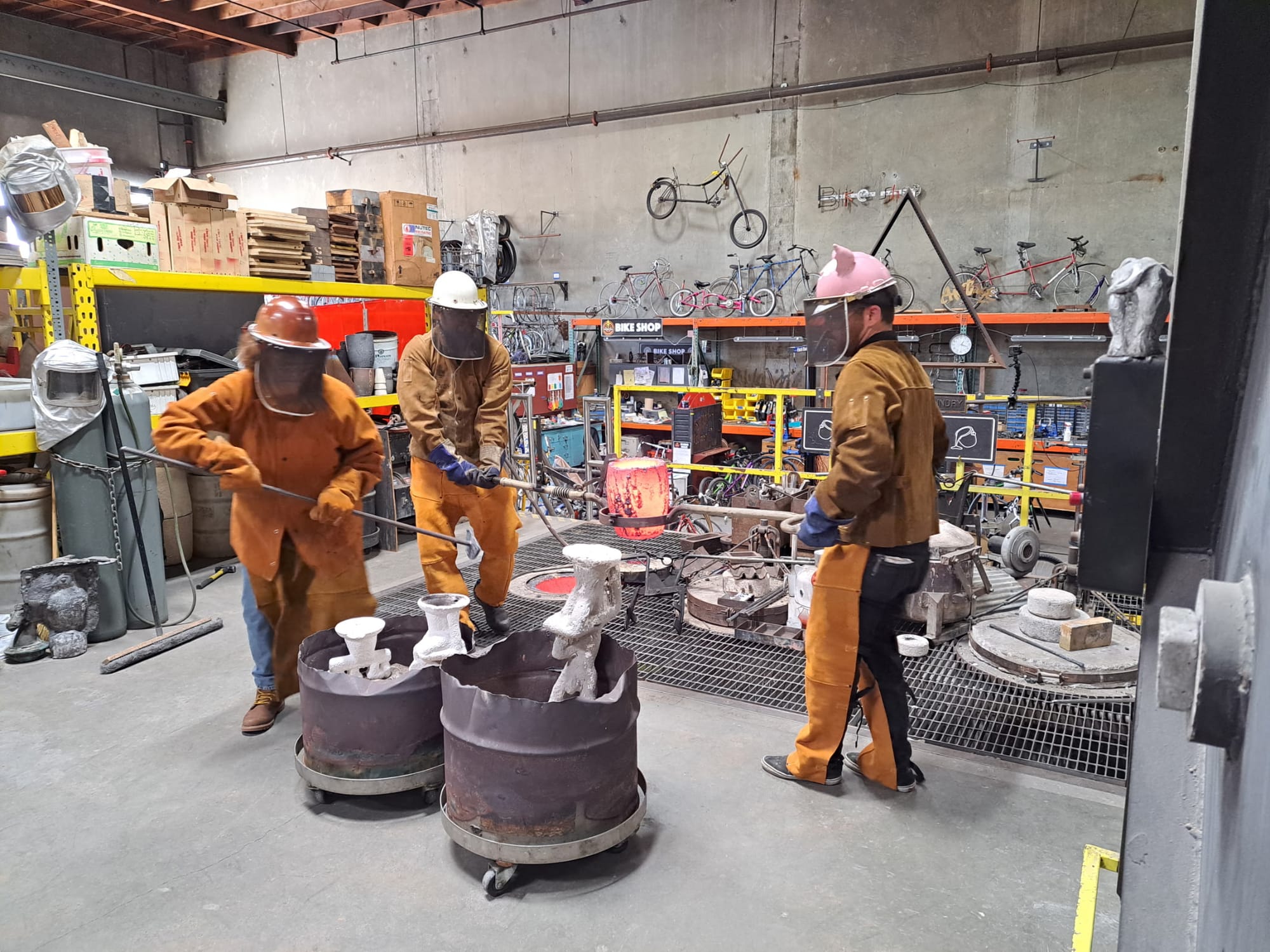
Three people in protective gear handling sculptures and lowering them into steel drums.
The Crucible was a hub for industrial arts, including kilns and a foundry. (Courtesy Cathasach O’Neill)

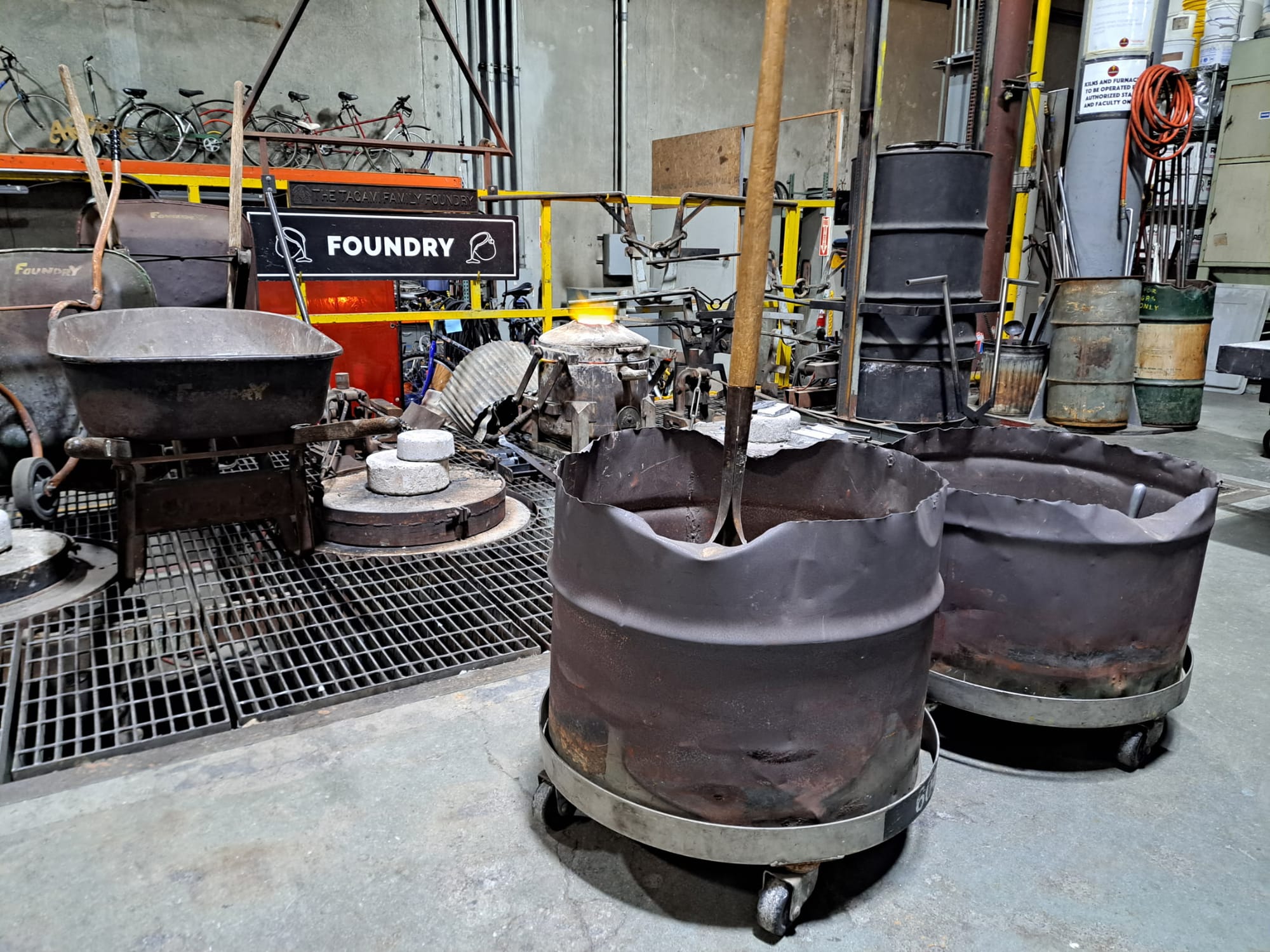
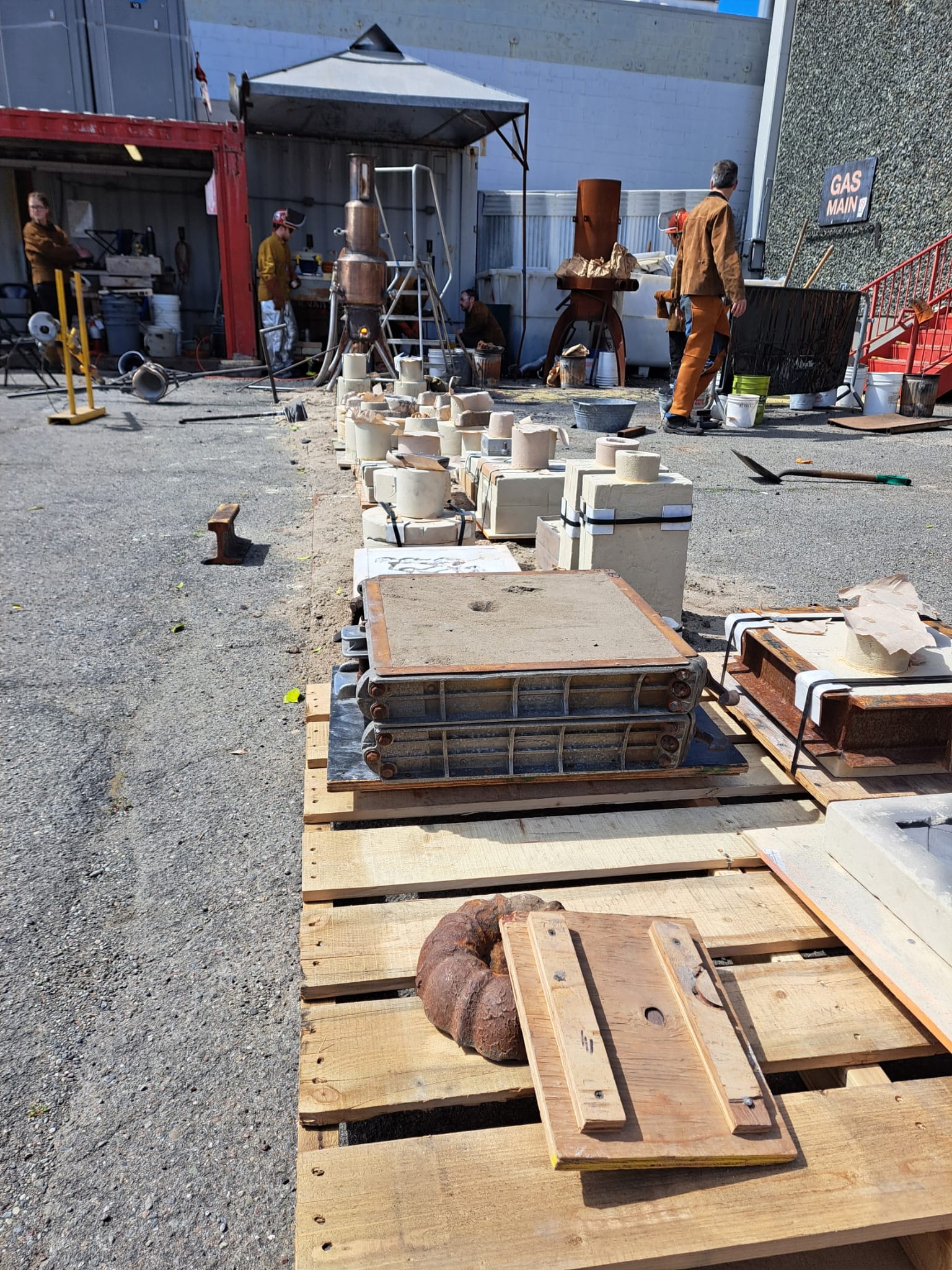
The organization, a renowned hub for industrial arts like printmaking, blacksmithing, and glass sculpting, inhabits a 56,000-square-foot space just steps away from the West Oakland BART Station. It provided resources and equipment for working artists, as well as mentorship and training for youth and beginners.

The Nov. 3 layoff email describes years of “serious and ongoing financial challenges.” Some signs, like delayed federal tax credit funds and a $1 million fundraising benchmark reached in January, pointed to a possible recovery, but the Board writes that those weren’t enough to stabilize the organization. The Nov. 3 email stops short of declaring this a permanent closure, but former staff told COYOTE that the board hasn’t been forthcoming about any potential paths forward. The Crucible’s board did not respond to an inquiry from COYOTE.

Still, the Crucible was optimistic enough that plans for Gifty apparently continued into September. On Sept. 9, the organization put out a last call for vendor applications on its social media channels. “Show off your goods and engage with more than 3,500 shoppers, eager to support local artists,” reads a post on Instagram. “This year promises to be our best ever, and the Bay Area can't wait to see what you created!”


‘No communication’

Vendors say that, as of this week, they’ve heard very little of substance from the organization’s board.

Jen McKay, an event producer who consulted for the Crucible, had been the main coordinator and contact for Gifty vendors. She says she initially wrote to the board and the Crucible’s interim executive director, Doug Yeiser, to ask for direction on what to tell the vendors who were asking for refunds. She even offered to help coordinate it all, free of charge. She got no reply, then simply started to forward the emails from vendors directly to Yeiser and the board Finally, last week, Yeiser asked for the list of vendors and their contact information, says McKay.

“There has been no communication besides my friends at the Crucible telling me about the closure,” says Frances Chang, who was planning to sell her handmade wooden jewelry at the market. “The Crucible posted on Instagram, but shared nothing individual or one-to-one to the vendors.”

In an Oct. 30 email to Crucible staff, the board wrote, “We are working to notify vendors and provide information about the cancellation. Our first priority has been securing funding for employee payroll.”

Printmaker Maia de Raat was scheduled to sell at this year’s Gifty and is now out $560 in fees. She says that she’s had email contact with someone at the Crucible, but the communication did not include a promise of a refund.


Losses from a major holiday sale

McKay, the consultant and main contact for Gifty vendors, says about $15,000 in booth and table fees had been collected at the time of cancellation. (The Crucible’s website lists ranges for vending at Gifty: Depending on location and amenities like power outlets, booths range from $260 to $660; tables, from $130 to $330.)

The fees are higher than at other comparable markets in the Bay Area — which often hover at around $50 a spot — but vendors say that they’re worth paying because of the great return on investment. Chang says 2021 was her best year ever, netting a little over $5,000 in profits. So paying $280 this year for a table made sense. She’s currently trying to patch together some smaller markets for that weekend to make up for the loss. 

Flora Benzal of Flora Art Studio displaying a sculpture at a past Gifty event at the Crucible. (Courtesy Flora Benzal)

“I count on the money I earn from holiday shows to help me get through slower months in my business,” de Raat wrote in an email. She and her partner had already scheduled time off work for Gifty.

The Crucible’s union is actively working on finding a new venue for the Gifty vendors, who they hope to reach out to in the next week or so.

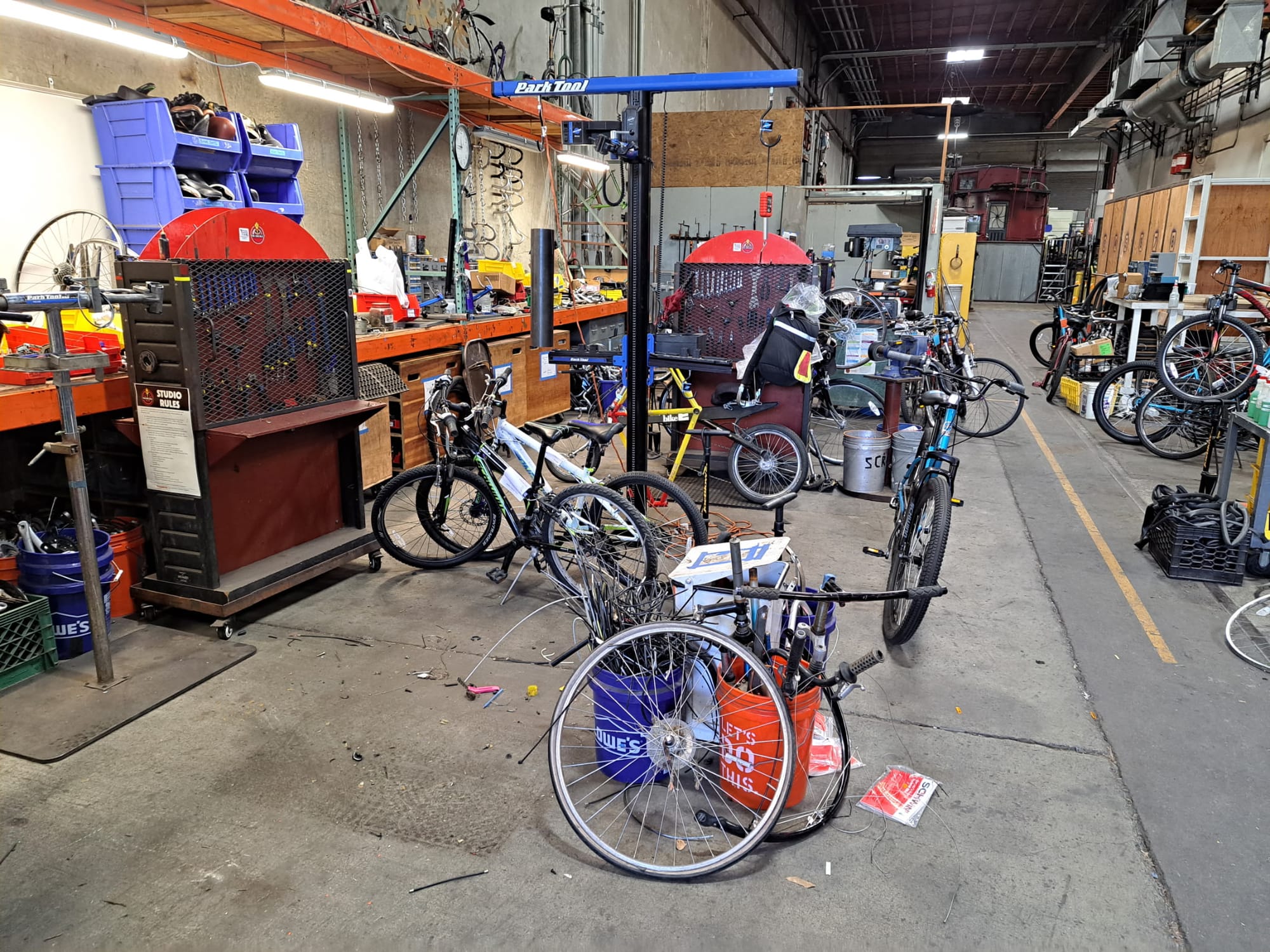
“We’re pretty hopeful, because there’s been a huge outpouring of support from the larger community,” says Cathasach O’Neill, a union steward and former head of the Crucible’s bike department. “A lot of people have offered up different spaces. It’s just a matter of figuring out which one will work best.

But it’s unlikely that a market pulled together in under a month will generate the same sales as a time-tested annual event in a spacious and well-known community hub.

Kaytea Petro, a fine artist, says she paid off her student loans with the $7,000 that she earned at Gifty in 2021. Perhaps because of the Crucible’s integral role in the local arts ecosystem, the market draws a unique crowd, full of ideal customers for artists like her: people who truly appreciate craft and will pay for it. 

On Instagram, the Oakland Puzzle Company, which collaborates directly with local artists, lamented the loss succinctly. “In a business where every dollar counts, it’s a lot to try and make up.”

Great! You’ve successfully signed up.

Welcome back! You've successfully signed in.

You've successfully subscribed to COYOTE.

Success! Check your email for magic link to sign-in.

Success! Your billing info has been updated.

Your billing was not updated.