Why the Blue Wave Doesn’t Mean an Immediate Win for Immigrants
Can Democrats actually make a difference in national immigration policy? It'll take more than political will.


Can Democrats actually make a difference in national immigration policy? It'll take more than political will.

Contemplating ‘Godzilla,’ bombs, and memory on the 10-year anniversary of a particular election.

With a new solo album and a mission to transform end-of-life care for Black families, the Seshen frontwoman contemplates impermanence as the ultimate call to live.

Can Democrats actually make a difference in national immigration policy? It'll take more than political will.

Last week’s blue wave delivered a much-needed win for Democrats across the country, flipping a number of seats in Congress and providing a renewed sense of optimism about a progressive agenda in Washington. The results of the election are understandably a reason to celebrate after two exhausting years, but on the issue of immigration there is a question as to what comes next, both from the embattled administration as well as the Democratic party. The reality is that winning Congress and actually stopping the machinery of immigration enforcement and detention are two very different things. The longstanding question for Democrats is not just how they push back on this agenda for the following two years, but what their vision on immigration justice looks like moving forward.
On the practical front it may be prudent to remain wary on all fronts, not least of all because President Donald Trump doesn’t care that his inflammatory policies on immigration may have alienated voters at the poll, while also making staffing changes that point towards escalation over compromise. The fundamental infrastructure that undergirds Trump’s detention and deportation policies is large, complex, and well-funded; despite this new blue wave, there is no reason to believe this will be changed overnight.
With their newfound majority in Congress, Democrats can certainly initiate investigations into DHS and ICE, as well as exercise important oversight functions: Back in Trump’s first term Congress withheld funding for his border wall and shut down the federal government during the prolonged fight. They may also refuse to confirm appointments to agencies like DHS proposed by the administration, which can stymie implementation of the president's agenda. Actually reversing specific Trump policies, however — or clawing back the billions of dollars already appropriated to these agencies — will be much harder, if not impossible.
Unfortunately, Democratic control of Congress provides no clear pathway for immigration reform absent approval by the president. Trump may further entrench himself in anti-immigrant policies, not only as a means of making the most of his remaining two years, but as a negotiating tool to counter what many expect to be an endless cycle of investigations and oversight by Congress on matters related to immigration and the administration as a whole.
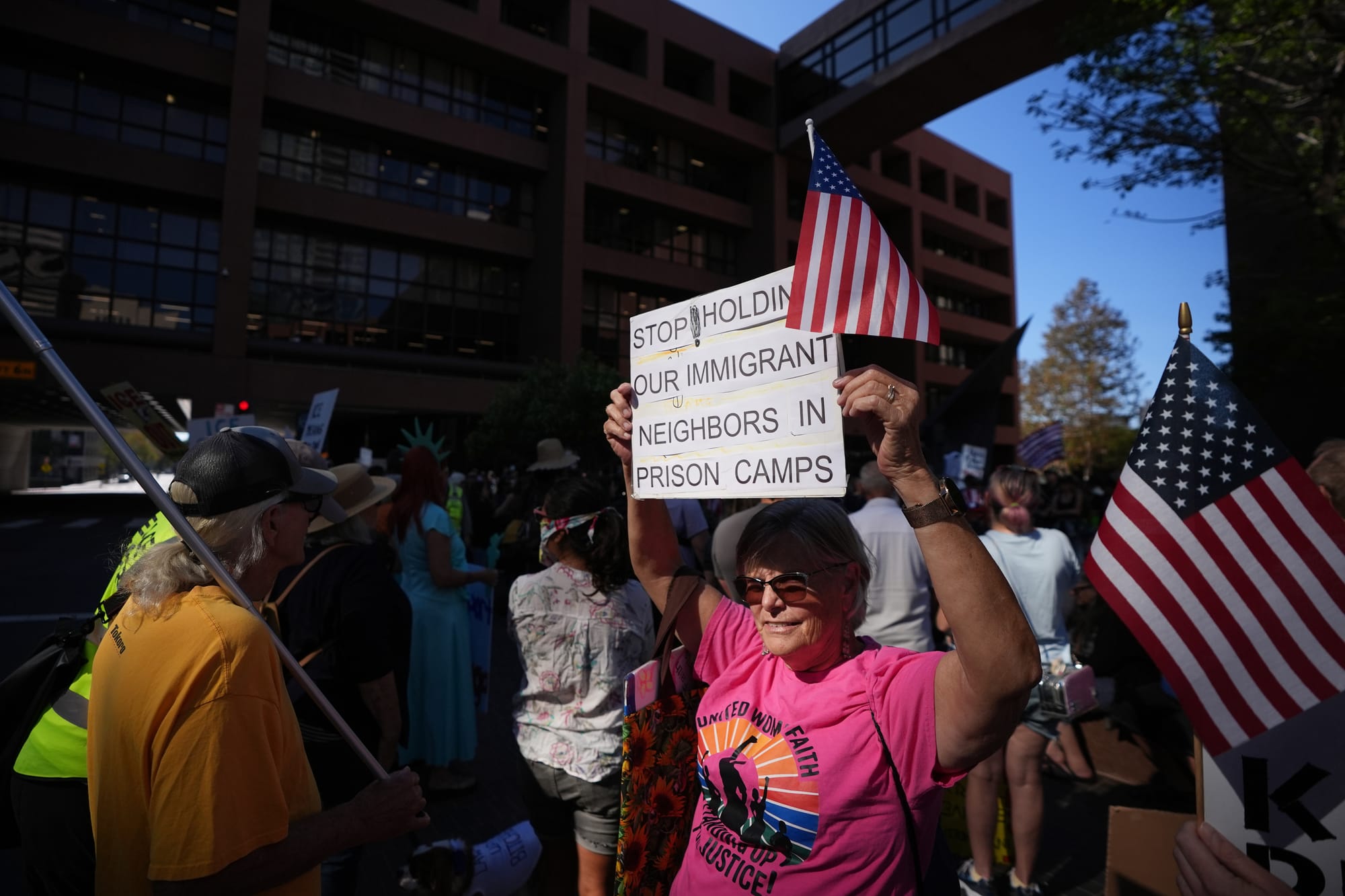
One can hope that these election results sent a clear signal to Republicans about just how unpopular their immigration policies are. Yet between the executive office and a Supreme Court that has largely rubber stamped many of Trump's worst immigration policies, the changes on the ground may be few and far between.
While politics play out on the national stage, ICE has only moved its activities further into the background. Following the killings of Alex Pretti and Renee Good in Minnesota — and the removal of Kristi Noem from the DHS —the administration has pivoted away from high-visibility operations.The result has been more arrests with much less publicity.
This includes the arrests of numerous individuals who have no criminal record and are being targeted as part of the “numbers game” unfolding at ICE. A striking example of this was Dr. Ann Lawani, a nurse and professor from Lodi, CA, who was detained by ICE this year and was effectively “disappeared” when her information was removed from an online database normally used to track individuals in ICE detention. This shift towards a quieter enforcement phase could be undone as Trump decides he would rather restart “shock and awe” ICE raids in order to amplify his political power in the face of increased opposition.
Perhaps the so-called blue wave will embolden Democrats to go big on the issue of immigration. Yet, as someone who has worked on immigration policy at the state level, it is difficult to shake the feeling that without the pressure and political urgency created by Trump’s first and second terms, Democratic lawmakers will remain noncommittal. Their policies, press conferences, and stances have largely been in response to Trump — rather than charting a vision and identity that stands on its own and is shared by their constituencies.
In contrast, part of the success of the Trump administration has been their singular focus on the issue of immigration as means to whip up support in their base. They have used blatant racism and scapegoating to do this, but they have delivered on their promises, while Democrats have been shockingly incapable of even forming a narrative on the issue, let alone implementing an agenda.
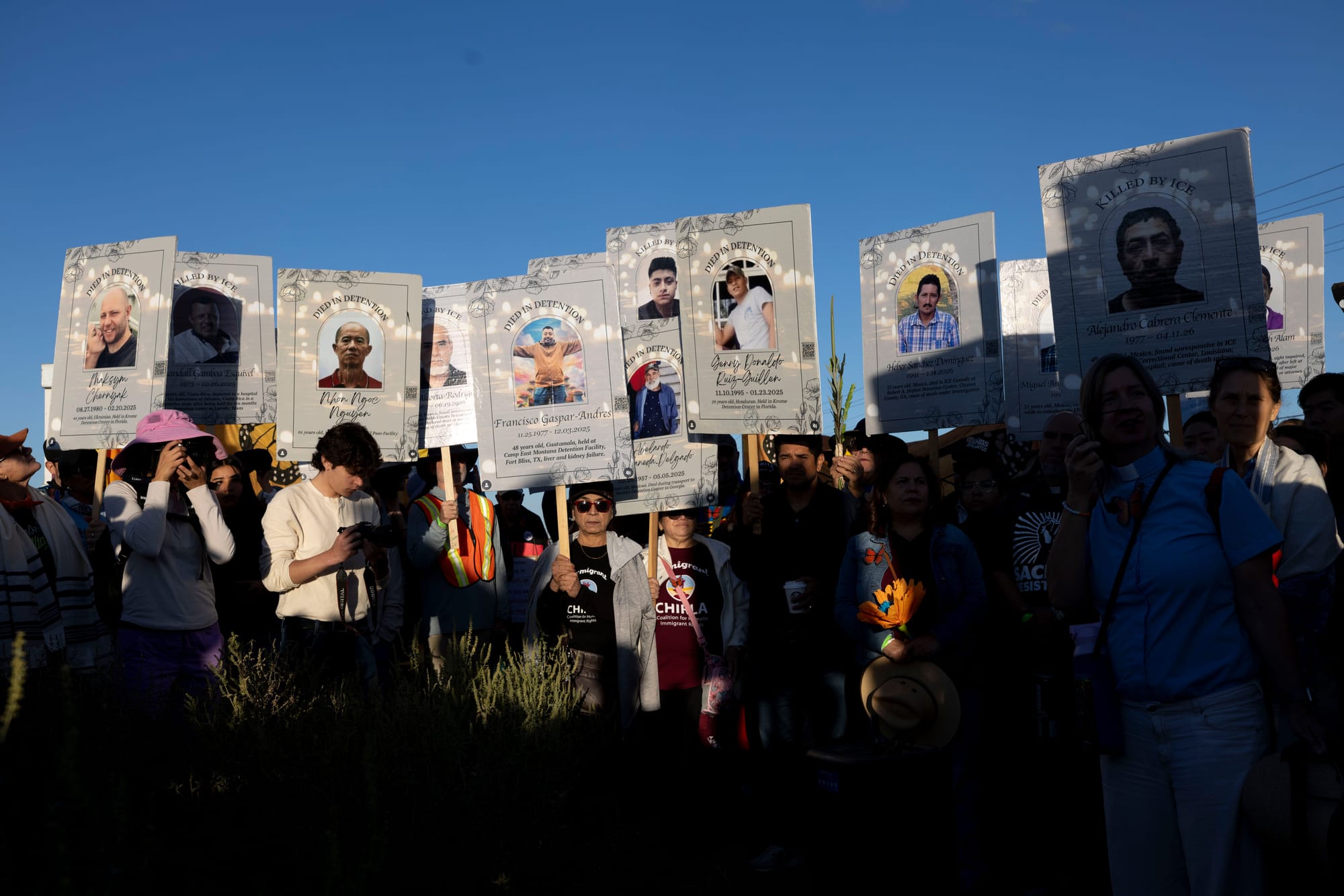
If history is any indication, when Democrats have obtained power they have fallen far short of enacting goals promised to their base. The Biden-Harris campaign ran on a platform to end the use of for-profit detention facilities to house immigrants; in fact, Harris endorsed a California bill, AB 32 (Bonta), that would have banned all private detention facilities in the state. Those intentions did not make the jump to the national stage: when Harris became Vice President, the Department of Justice joined private prison companies in filing a legal challenge to eventually have the law overturned.
My own favorite example is Governor Gavin Newsom claiming that private detention facilities had undergone a “night and day” transformation after Biden became president. This was during a press conference in which Newsom was unable to answer whether California had a plan to provide vaccine access to immigrants held in private facilities. As long as establishment Democrats like Newsom are running the show, I expect more of the same. Lots of hand gestures when speaking about immigration, but not a lot of substance.
The larger question following the 2026 midterm elections is not what Democrats, or even voters, oppose in terms of immigration policies. The question is what does an affirmative and progressive immigration agenda actually look like, and can the Democratic party actually coalesce around policies of compassion and integration as quickly as MAGA rallied exclusion and cruelty?