Thao Nguyen on Collective Power and the One Vegetable She Always Brings On Tour
We catch up with the East Bay songwriter on the eve of her nationwide tour to support Show Me, her first studio album in six years.


We catch up with the East Bay songwriter on the eve of her nationwide tour to support Show Me, her first studio album in six years.

This week we've got events to offend ghosts, shark facts, mysterious chicken bones, a whole haunted hoard of Halloween parties, and more.

For people who depend on the hormone, 2026 has been a grotesque nightmare.

We catch up with the East Bay songwriter on the eve of her nationwide tour to support Show Me, her first studio album in six years.

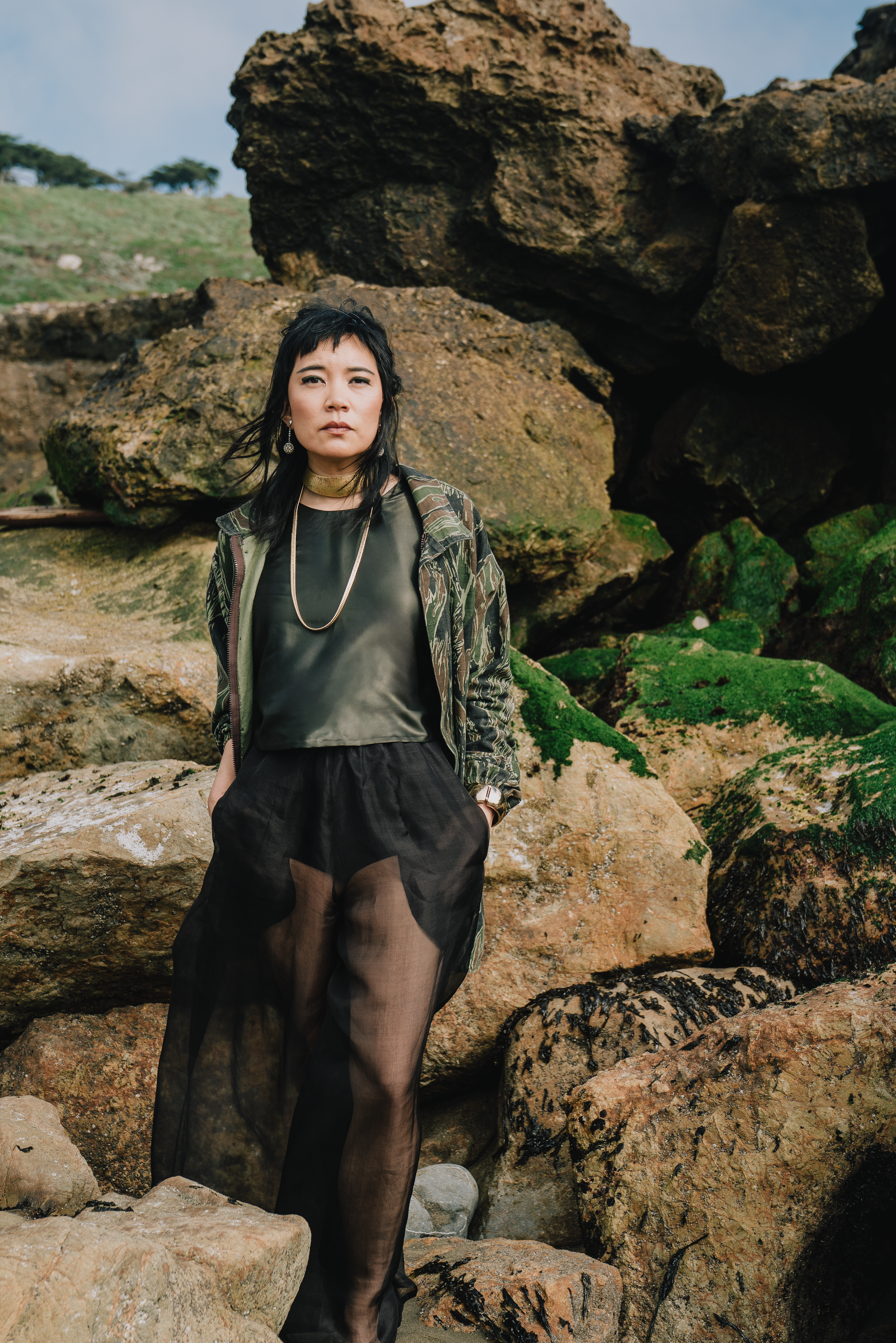
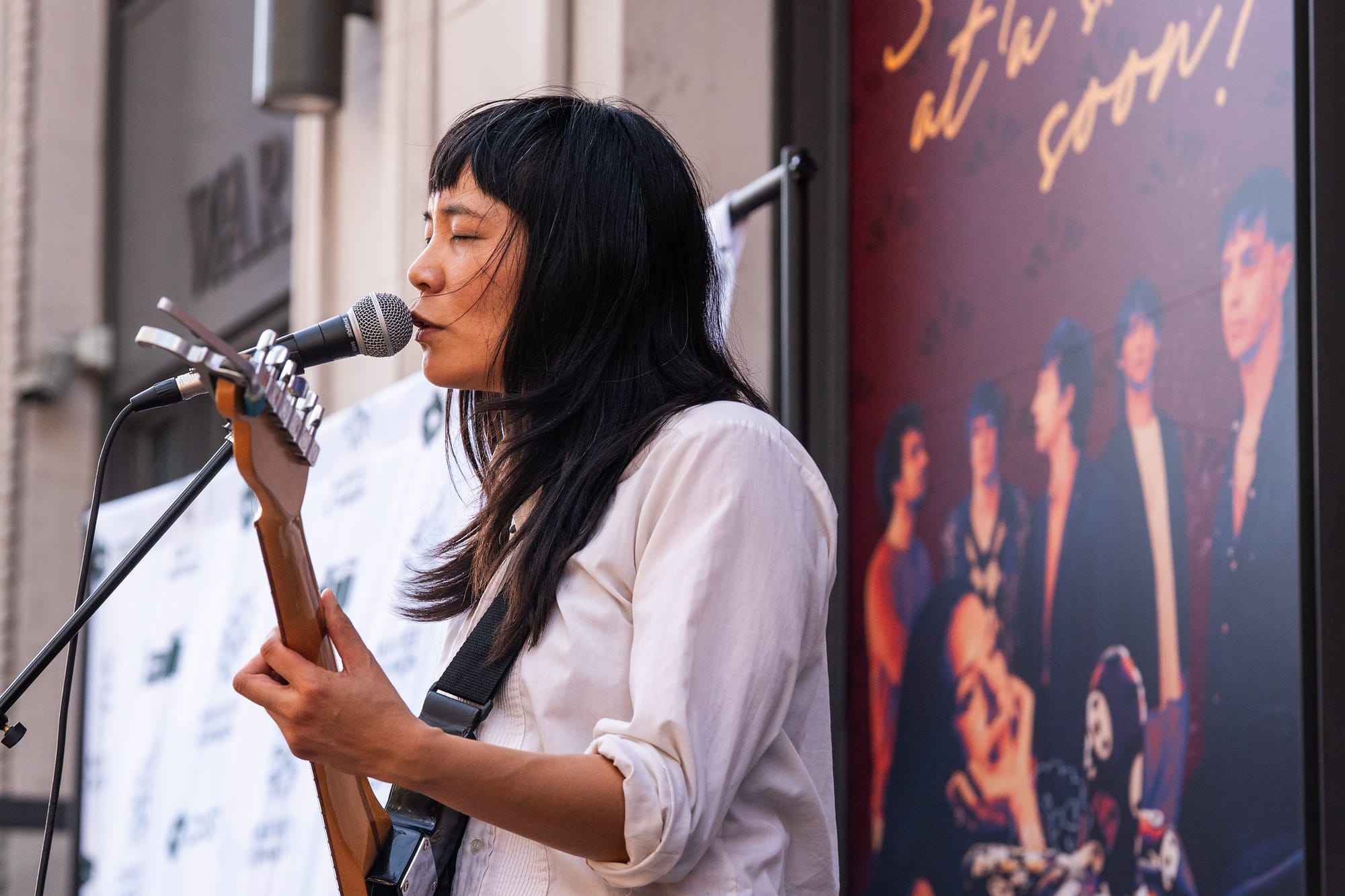
On an afternoon in late September, as the mellow tones of Jack Johnson’s soundcheck at the Greek Theater echoed throughout the Berkeley Hills, I waited on the ridge of a hiking trail to meet a different musician, Thao Nguyen. The East Bay songwriter, who performs under the mononym THAO, is about to embark on a nationwide tour to support Show Me, her first studio album in six years and an exercise in the kind of introspective work that has made Nguyen so endearing to watch during her decades-long musical career.
“I’ve learned that the point of life is not to emerge unscathed, and that I don't want to operate as I always have — masking fear as indifference,” she writes in the release notes. “I had and have been craving full embodiment for a very long time.”
I confess that, as a food writer, I couldn’t resist asking Nguyen about her eating habits: how she feeds herself as she works, and what she’ll miss while she’s on tour. Read on to find out what local produce Nguyen always brings with her while she’s traveling, plus her thoughts on whether the Bay Area can still be a nurturing home for artists.
This interview has been edited and condensed for clarity.
Soleil Ho: What did you eat for breakfast today?
Thao Nguyen: Breakfast is mysterious to me these days. What I would like is just miso soup, and you know, some greens and tofu. But when I’m on the run, I’ll just slapdash yogurt and peanut butter and honey and cinnamon. It’s basically spooning a smoothie, because chewing takes so much time. Sometimes I’m like a step away from Soylent! For weekdays, I’ve been making these oat puck kind of things — from a hippie recipe that Merrill Garbus sent me once — with just oats, banana, and chia seeds soaked overnight. It’s a classically annoying Bay Area thing.
SH: What are you eating when you’re deep in songwriting?
TN: I always need a break from hunching over an instrument or a keyboard, so I like to prepare a lunch. It’s typically a mixed grain bowl, with either an egg (hard-boiled or fried) or tofu or both, with roasted broccoli or some kind of greens with sesame oil and soy sauce, and then kimchi. And — I think this is when I miss my mom — I’ve been turning the rice cooker on before leaving the house, so I come back to the smell of rice. It feels like coming home. The cooker is a super basic Zojirushi that I got at [Yaoya-san], this Japanese grocery store in El Cerrito.
SH: It’s fascinating how people sustain themselves while doing creative work. I’ve been reading a lot of Russian novels and, well, Leo Tolstoy was famously kind of a piece of shit and his wife Sophia was the one that did everything for him while he got to write the novels. So now I think a lot about the labor of just sustaining life while making art, especially for people who aren’t men. How do you make it work?
TN: Out of necessity and good fortune, I diversified years ago, building work outside of albums and touring. But to sustain a life, I think we sacrifice a lot of things, and they don’t feel like sacrifices to me. Being a touring musician, I don’t have a great handle on home life. In my 20s and into my 30s, I didn’t have a curtain. I didn’t have a trash can. After my divorce I thought, oh shit, I have to understand this other dimension of life that I’d been outsourcing. I probably should say thank you and apologize. But having to handle it has made me a better, more well-rounded person.
In partnership, plenty of people fall into a dynamic where you don’t do something because it’s the other person’s wheelhouse, and then you feed this narrative that you can’t do it and may never have to. But household discipline has helped my work discipline. I can work in chaos because I grew up in it, but it’s not my preference. I didn’t know that until I saw how other people lived and realized it was calmer, and I could focus better.
SH: You don’t have to be the stray cat in other people’s lives.
TN: Right, which has taken me a really long time to figure out.
SH: On a similar note, your new track ”Fossils” has an ending that reminds me of the ending of Bad Bunny’s “DtMF,” with the chorale-like chaos of everyone chanting, “Don’t just handshake the body who loves you.”
TN: Yes, for sure. I love that moment, and I actually referenced it for my engineer. When I write moments like that, I’m writing them for the live experience. When I asked for submissions from people to sing on it, I think I told them to do it with duende and vigor. Do it like you love someone.
SH: Why did you want that moment on the record?
TN: So I could experience it every night when we perform it. And as a reminder to myself, with a bunch of people singing it back to me, because self-protection is my greatest challenge. “Fossils” is something I can zoom out on and see for all of us as a society, and for myself. I feel an urgency for all of us to recognize that in each other, and to remember we have an option to not isolate and to reach out.
What else are you supposed to do when you have to make your own way, and the only other way is to hope a billionaire gives you some money?
SH: That feels like a very 2026 sentiment. And listening to the layered vocals, it feels like a collective album. Political music seems to have shifted toward more human themes, isolation versus collectivity.
TN: I wanted that conveyed: I think collective power is the only answer. Whatever the antidote is to all of this, it always comes back to being connected at a very local level.
SH: The Bay Area has this huge history of collective politics, but I feel like we’ve retreated into individualism in a big way. Does that trouble you? What keeps you up at night?
TN: It troubles me a great deal. As soon as there’s wealth and power and the opportunity for it to go unmitigated, people try to hang on and expand their empire, no matter the scale. And the carving out of the Bay’s middle class is so hard to see. The class stratification is so stark it’s become cliché.
My strategy now is to know enough, worry about it for 15 minutes a day, and put my energy where there’s community building. We’re at the mercy of tech philanthropy in this region way more than in other artistic hubs. What else are you supposed to do when you have to make your own way, and the only other way is to hope a billionaire gives you some money?
SH: Being a creative here can be demeaning, and hard to justify when people think Al will do your job eventually. What’s kept you here?
TN: That hasn’t been my experience, and I’m very grateful. I was around long enough before the shit went down that I have a different experience of being an artist in the Bay, and I don’t take it for granted. My community keeps me here, and our proximity to nature. My friends and I have all been here 20 years or more. There are narratives that are true and real, and then there are ours.
I’ve scoped out other places to live, but there’s something about the Bay I’d miss too dearly. We can’t give in. We can’t succumb. We can’t cede [ground].
SH: It's true that so many people are still trying to bring back what made this place so lovable, historically, for weirdos.
TN: I’m 42, so all my weirdo friends have kids now. They’re still here and still weird, but they have kids. When I first came here, my room in a Victorian flat was $425. That’s how I could tour. I don’t know how younger artists are making it work. I wonder if musicians in the Bay are not touring but figuring out other modes of work. And a lot of people don’t want a touring lifestyle, for good reason.
SH: Speaking of which, what are you going to miss eating while you’re on the road?
TN: I love to keep it simple these days. There’s a sushi spot on College in Elmwood called Manpuku that reminds me of New York. I miss the produce, so I travel with kale from Monterey Market. I love Starter Bakery’s olive oil sourdough sandwich bread. I don’t go out to eat much at home, because on the road I basically eat out twice a day. And I have rules for food safety. I don’t eat much meat on tour, and I don’t eat salads.
SH: Didn’t someone have to stop a concert midway recently because of food poisoning? [Ed. note: It was Rosalía.]
TN: Can you imagine? Of all the things you don’t want to happen to yourself, that’s up there. And everybody’s got an iPhone. You gotta stop the show. No hot dog is worth that.
THAO’s new album, Show Me, is out Oct. 30, 2026 on Kill Rock Stars. She’s performing Nov. 8 at The Independent (628 Divisadero St, San Francisco). Tickets ($35) and info here.