Yap Zone: The September 11 Artifacts Playlist
What were you listening to after the September 11 attacks?


What were you listening to after the September 11 attacks?

For Soleil Ho, September 11 was their political origin story.
This week we've got pruning, taxidermy, corn, cardboard, making U2 mad, and more.

Trump’s war on ‘gender ideology’ and diversity is hurting San Francisco Asian Women’s Shelter’s ability to help victims — many of whom can’t get help anywhere else. It’s already cost them nearly $500,000.


For a long time, reaching out for help felt insurmountable. Through her job, Monica Paz had seen firsthand the discrimination faced by trans women survivors at mainstream domestic violence service organizations.
It was the safety of her dog, Franky, that finally persuaded Paz to risk seeking support, she said. The only person she trusted was an advocate at San Francisco’s Asian Women’s Shelter (SFAWS), which runs the sole LGBTQ+-specific domestic violence program in the city.
Over a couple of days, Paz said, the advocate came to her workplace to create a plan. Paz and Franky needed a safe place to stay, but in a city of over 800,000 with the highest share of LGBTQ+ residents in the country, there is no confidential shelter for queer survivors of domestic violence.
SFAWS was able to pay for a hotel that allowed her to bring her beloved Franky. Paz said that turning the lock on the door was the first time she actually began to feel safe. The advocate, now her caseworker, accompanied Paz to the police station where, she said, they waited together for over 10 hours until she was able to file a report. Paz doesn’t think another organization would have let an advocate spend that much time with a single client.
“I would have left an hour after waiting,” Paz said. “I stayed there for the entire time because I knew that I was not alone.”
Paz said she didn't have to do any of what came after alone, either — filing for leave via the Family and Medical Leave Act, requesting a Section 8 housing transfer, connecting with an attorney to file for a restraining order. SFAWS was with her every step of the way.
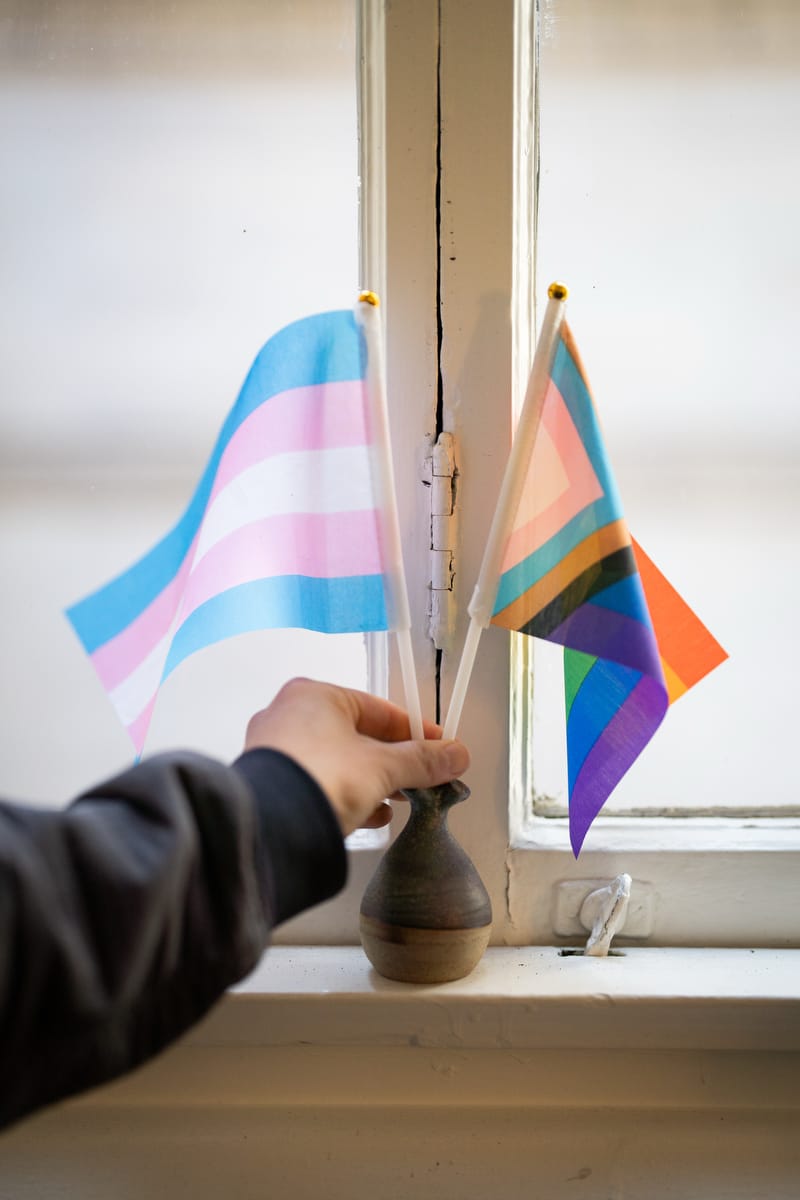
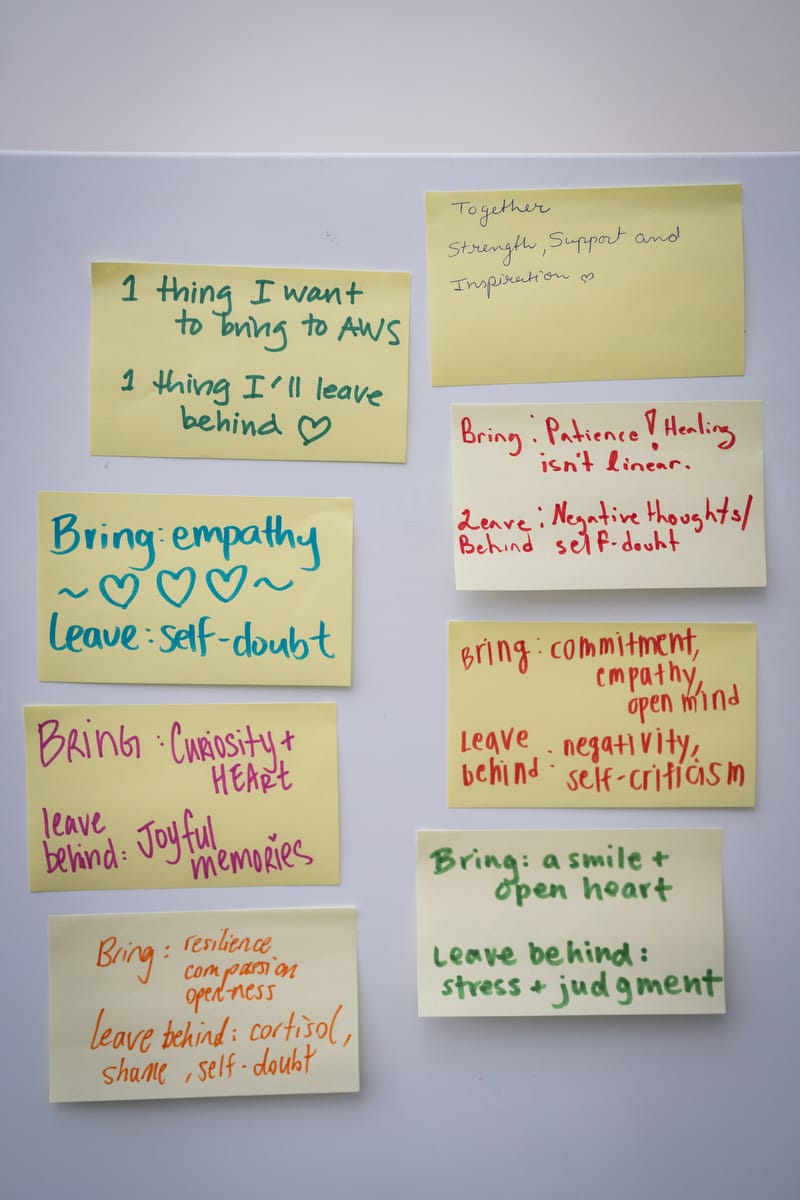
L: Signs of support for all gender and sexual identities can be found around San Francisco Asian Women’s Shelter offices. R: Reflections from a meeting are displayed at SF Asian Women’s Shelter office space in San Francisco, California on May 27, 2026. (Sarahbeth Maney for The 19th)
(The 19th confirmed Paz filed for a restraining order, but records show it was dismissed when law enforcement could not find her ex to serve him.)
SFAWS has been helping survivors like Paz rebuild their lives for over 30 years.
Staff joke that Asian Women’s Shelter’s name is a misnomer — “not only Asians, not only women, not only shelter” — though housing is one of its key programs. It runs tailored programs for Arab, LGBTQ+ and human trafficking survivors. SFAWS maintains a physical, five-room domestic violence shelter, and most of its housing clients receive rental assistance. Its 24/7 crisis hotline offers support in over 40 languages and answers 1,100 calls a year. Separately, over 200 clients participate in a SFAWS program annually, and two-thirds of those are families.
But SFAWS’ ability to keep helping that many people, in that many languages, with that many services, is in question. Its focus on those whose needs are unmet by other service providers — immigrants, refugees, LGBTQ+ people, underserved communities — stands squarely against the ideology of the second Trump administration.
The federal government is the single largest funder of domestic violence services; over half of SFAWS’ $5.2 million annual budget stems from federal grants. In 2025, SFAWS became one of the few domestic violence service organizations that had federal funding revoked for no longer aligning with the priorities of the administration. That $500,000 grant was supposed to last three years, and then it just disappeared.
The termination of a single grant was just the start. One of SFAWS’ largest sources of funding is in danger because of a Trump policy shift around addressing homelessness. Other federal money it had previously received to house survivors was not renewed. Sources including money from the city, which makes up about 20 percent of its budget, were becoming less reliable.
These pressures are not unique to SFAWS. The 19th has spoken to dozens of providers assisting victims of gender-based violence over the past 18 months and this year conducted a survey of California providers to better understand the impact of cuts. Organizations across the country say changes by the Trump administration are slowly suffocating the nonprofits that make up the country’s support net for victims of gender-based violence. What happened to SFAWS may soon become more commonplace: The administration is proposing a rule that would make it easier to terminate grants for political reasons.
The Trump administration is trying to restrict federally funded services for trans and immigrant survivors. If the nonprofit loses out on grants due to these changes, SFAWS would have to lay off multiple staff members, shutter its youth violence prevention program and lose the ability to house 45 clients and their dependents. They would provide fewer people with less help.
At the same time, SFAWS’ work is needed more than ever: Immigrant survivors are increasingly isolated, and some domestic violence services have removed resources for LGBTQ+ survivors for fear of losing eligibility for federal grants. New policies have made it harder for both populations to travel, get medical care and obtain housing — all factors that can worsen violence.
Hediana Utari has worked at SFAWS for 26 years and ran its anti-trafficking program long before it received any dedicated financial support for short-term housing. When a survivor would get in touch, the now 66-year-old would call temples, mosques and churches to ask if they had space for someone to sleep.
With the grant cuts now, she said, “I’m afraid we’re going back there again.”
SFAWS’ Arab Women’s Services program was started over a decade ago to fill a gap in San Francisco’s survivor support network. It has been difficult to secure dedicated program funding because Arabs are not legally considered a minority, ruling out many opportunities for grants.
SFAWS staff poured hours into a new 2024 Department of Justice application meant for broader “underserved populations,” describing how the money would go toward training community leaders how to educate Arab and Muslim victims of crime about available resources. The grant included nontraditional partners, like a hair salon and mosque, and was sensitive to the opportunities of gender-divided spaces.
Only five grants were awarded, and SFAWS basked in being one of the winners — and the promised $500,000. The program’s budget was approved in February 2025, and Orchid Pusey, the executive director of SFAWS, said she had productive conversations with DOJ staff.
Then two months later, SFAWS got what Pusey called a “cold, cruel” email saying the grant had been terminated, effective immediately, for no longer aligning with the priorities of the administration.
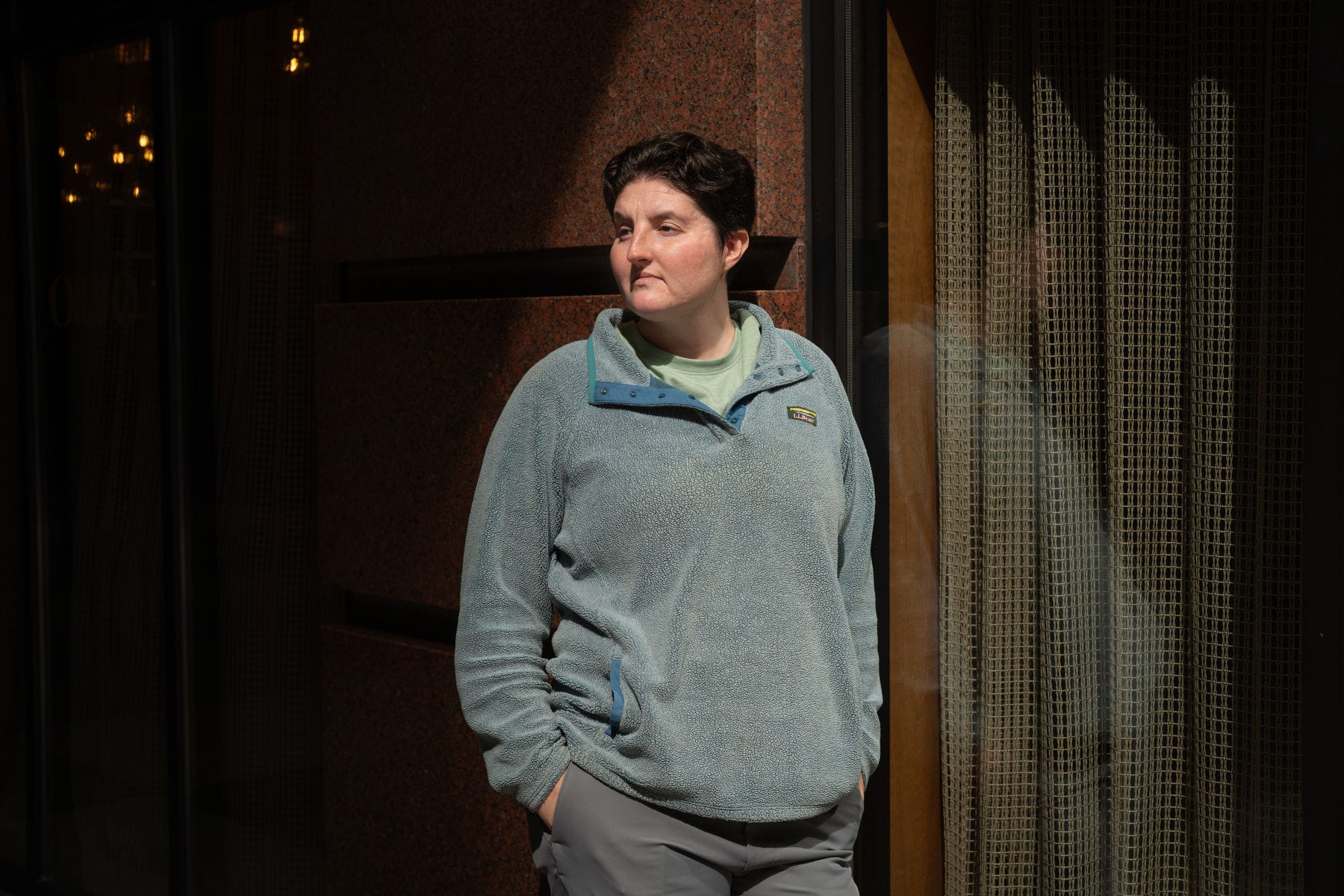
The email, viewed by The 19th, said the new priorities were “supporting certain law enforcement operations, combatting violent crime, protecting American children, and supporting American victims of trafficking and sexual assault, and better coordinating law enforcement efforts at all levels of government.” The letter said the award “demonstrates that it no longer effectuates Department priorities.”
Dread washed over Pusey. SFAWS had already received about $20,000 of the grant and was waiting for a reimbursement of $44,240. The letter outlined an option to appeal the decision within 30 calendar days, which the team did. As of Tuesday, there has been no response.
The DOJ did not reply to questions about which priorities the program no longer aligned with; in a response provided after publication, the department said appeals would be resolved “shortly.”
The abrupt loss prompted SFAWS to examine the other federal grants it depended on.
It had a $400,000 grant for culturally specific providers from the Department of Justice’s Office on Violence Against Women (OVW) that was used across the organization, including to help train domestic violence advocates in language interpretation, a critical function. For many of those fleeing abuse, language access is a major barrier to getting services and public assistance. San Francisco County alone has over 149,000 low-English-proficiency speakers; SFAWS staff said Spanish and Arabic interpreters especially are in high demand.
That grant, at least, was good through 2027.
But when it came time to reapply for a $675,000 grant for housing assistance from OVW in 2025, that year’s application was significantly different from the one SFAWS filled out in 2021.
Under the Trump administration, groups were now eligible to apply only if they swore to abide by executive orders erasing mentions of transgender people and racial diversity. Applicants were given extra consideration if they agreed to cooperate with federal immigration enforcement.
Many nonprofits weren’t sure how to comply. Would they have to ask a woman showing up to a domestic violence shelter to prove her citizenship before offering assistance?
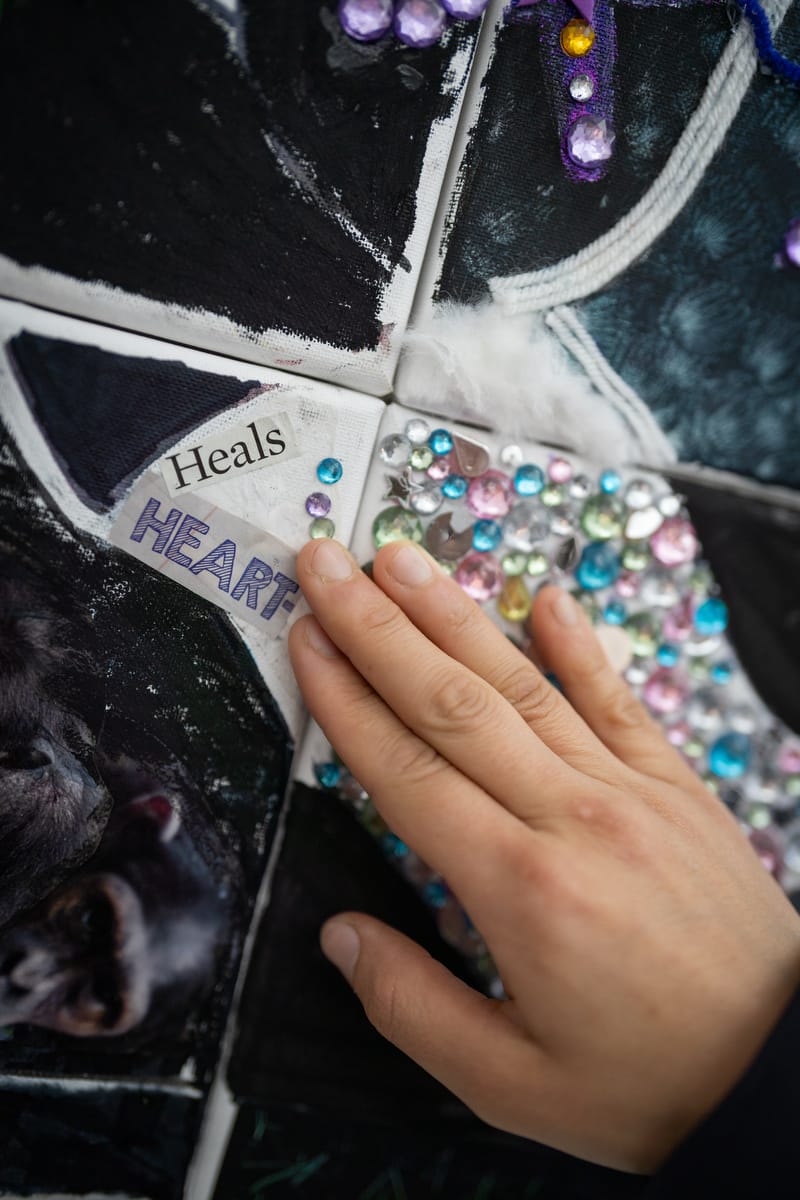
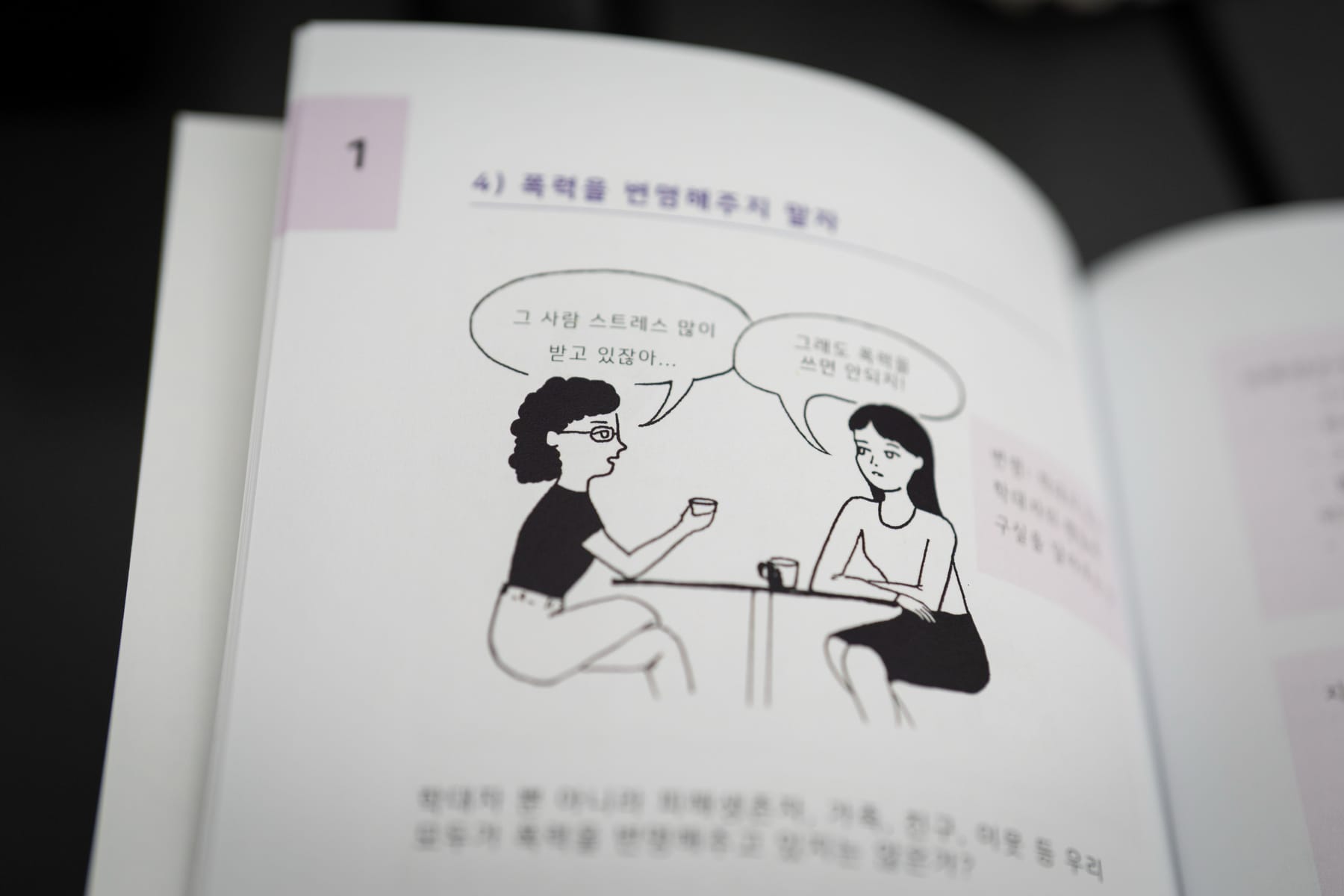
San Francisco Asian Women’s Shelter shares materials in multiple languages, including this booklet written in Korean that shares information about healthy relationships. (Sarahbeth Maney for The 19th)
Culturally specific domestic violence services organizations like SFAWS, which by legal definition target Asian, Black, Latinx or Native American communities, are particularly vulnerable to these new clauses. Many help survivors with all kinds of immigration statuses, and they often connect victims of crime or trafficking with legal help for U and T visas.
SFAWS ultimately decided to agree to the requirements and submit the application. SFAWS applied before a lower court blocked the requirements after a coalition of domestic violence groups sued the administration.
“Our programs are designed to make sure everybody has access to safety,” Pusey reasoned. Though mindful of adhering to new restrictions, staff would use the money to continue to do what they had done for decades: help those who need it. “There's no difference. It's the same. It was never like illegal discrimination against certain types of people.”
In fact, entities funded by the federal Violence Against Women Act (VAWA), administered by OVW, have to abide by a strict anti-discrimination statute. Providers must help survivors no matter their gender, sexuality, race, religion or ethnicity.
SFAWS’ OVW application for the housing assistance grant was denied last year. A DOJ spokesperson did not respond to questions until after publication; in the response, the department said the division cannot share information about specific applicants but noted there were many applications from California. SFAWS plans to reapply this year.
Housing is core to survivors of domestic violence moving on with their life. It’s also one of the resources in highest demand and lowest supply, especially in San Francisco, where the fair market rate for a two-bedroom apartment is $3,604 a month.
The Department of Housing and Urban Development (HUD) runs the Continuum of Care program, the federal government’s main way to address chronic homelessness. Counties screen providers and then apply for funds as a group; in San Francisco, that cohort includes SFAWS.
SFAWS uses Continuum of Care funds to provide rental assistance so clients can live in stable housing. Housing advocates support clients while they rebuild their life after abuse, and other SFAWS funds can also cover moving costs or security deposits — things that can make relocation unaffordable for survivors.
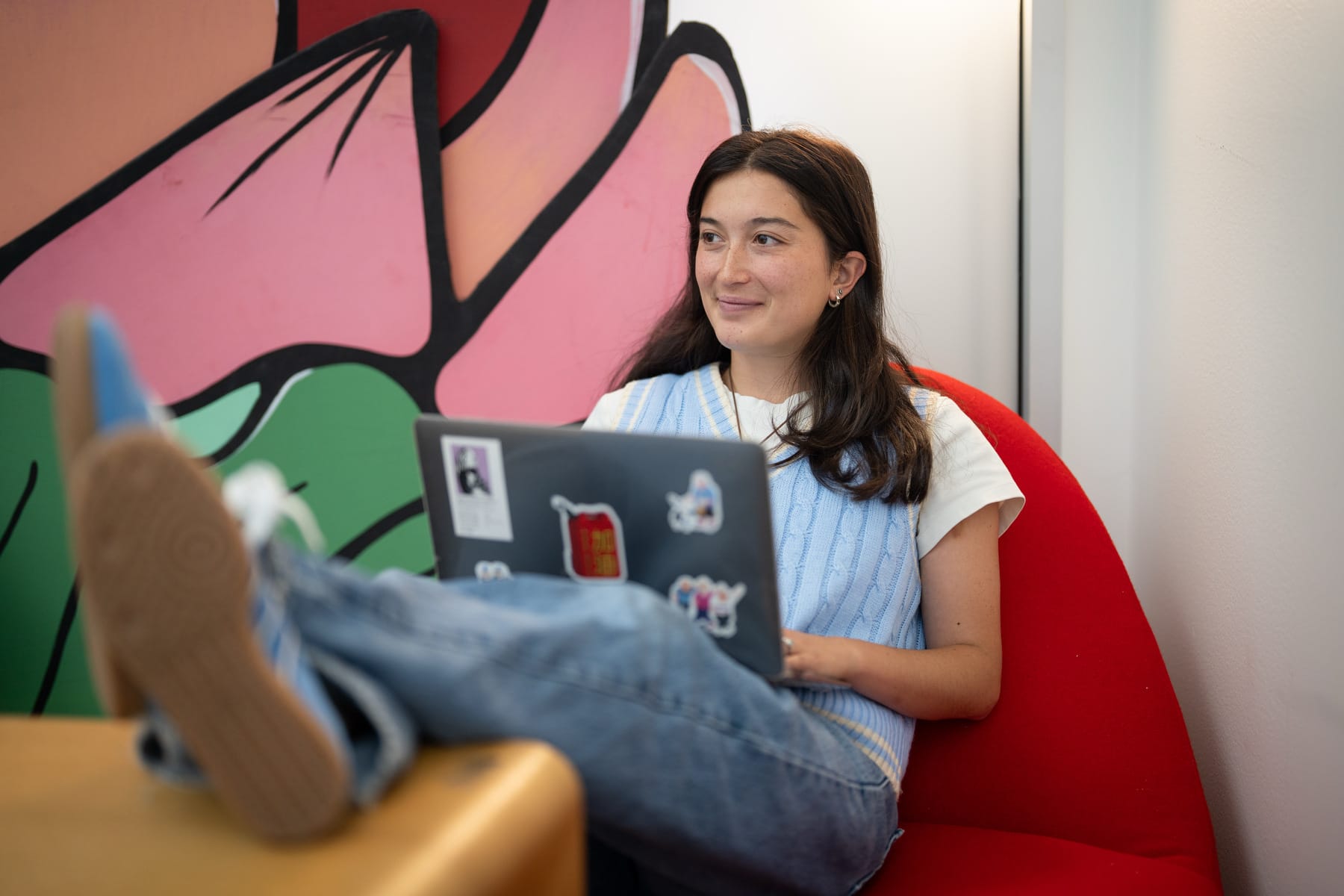
This help has been transformative for survivors like Guadalupe. The 19th interviewed her at a secure SFAWS location, where Spanish interpretation was provided over a laptop by a language advocate trained by the nonprofit. Guadalupe was interviewed by herself, without her housing case manager present, to encourage her to speak freely about her experiences. The 19th reimbursed her travel to facilitate an interview at a safe, private location and is referring to her by only her first name for security reasons.
Guadalupe had been with her husband for years when, she said, he began using drugs. She said his entire personality changed, and he became physically violent. When her daughter called the police, she said, he abandoned their home, leaving Guadalupe with rent she couldn’t afford on her own.
She wanted to keep her family together but options were limited. Her 14-year-old daughter could come with her to most domestic violence shelters, but her 19-year-old son and three precious cats were harder to house.
A local church group helped set Guadalupe’s family up with a single room, but it wasn’t sustainable. She entered the city’s waitlist for more permanent help and after a year was put in touch with SFAWS. There she was introduced to an advocate who helped her find a three-bedroom apartment.
With her lease finalized, Guadalupe is looking forward to finally having space to cook again — she loves to make pupusas, and her kids love to eat them. This step represents a new start for her family, and she said her life is changing for the better.
“I’m healing and I’m focusing on moving forward, for my children and for myself,” she said.
In addition to housing clients like Guadalupe and her family, Continuum of Care funding supports San Francisco’s hotline for survivors of violence seeking housing; SFAWS triaged 126 calls last year. Money from OVW helped house 137 clients in 2025. SFAWS offers survivors additional services like therapy, but shelter isn’t dependent on attendance.
Now HUD wants to move away from the current model, shifting resources to emergency short-term shelter and placing conditions, like mandatory counseling, on that aid.
But no-strings-attached housing is required by VAWA. Policy experts point to studies that show the “Housing First” framework, which doesn’t require people to have a job or go through substance abuse treatments to get a home, is the most effective way to address homelessness.
Neither the DOJ nor HUD replied to questions on how domestic violence programs are supposed to reconcile these conflicting requirements.
Advocates across the country have told The 19th that it is not realistic for a domestic violence survivor to become completely self-sufficient in just two to three months. Survivors often need to prioritize medical treatment after escaping violence. Some need to learn how to live independently and support a family — for instance, SFAWS offers classes on how to use public transportation.
Bigger organizations may be more appealing to funders because they can house more people, but they don’t have the language resources and community trust SFAWS does.
SFAWS staff worry that if it doesn’t get HUD funds anymore, the survivors who rely on them will fall through the cracks.
Requests for help have gotten more urgent. Vanessa Lantz, 28, manages 45 clients supported by Emergency Housing Vouchers. The program was buoyed by pandemic-era HUD funds until rents got so high that it ran out of money in 2026 instead of 2030. (San Francisco is funding current clients through this year.) Since the cost of living has grown but payment standards haven’t, Lantz said some clients let utilities lapse to use that money for essentials like food or medicine instead.
Lantz also has the unfortunate job of informing callers that all the resources are taken — subsidies, hotel vouchers, rooms at SFAWS or at any shelters in Bay Area counties. More callers than ever before brought up that they believe they could be murdered, Lantz said.
“They're just like, ‘I don't even know if I'm going to be alive by the end of this weekend. If you're trying to work with me in the future, I think someone's gonna kill me before then.’”
SFAWS’ domestic violence services program tailored to LGBTQ+ survivors is the only one of its kind in San Francisco, and one of a handful in the entire country. Queer Asian Women and Trans Services (QAWTS) isn’t limited to Asian survivors; Paz, a Salvadoran immigrant, received help from this program.
Green, one of the staff members who works on QAWTS, hosts a monthly support group for queer and trans survivors of color.
(The 19th is using a pseudonym for Green due to concerns about her immigration status.)
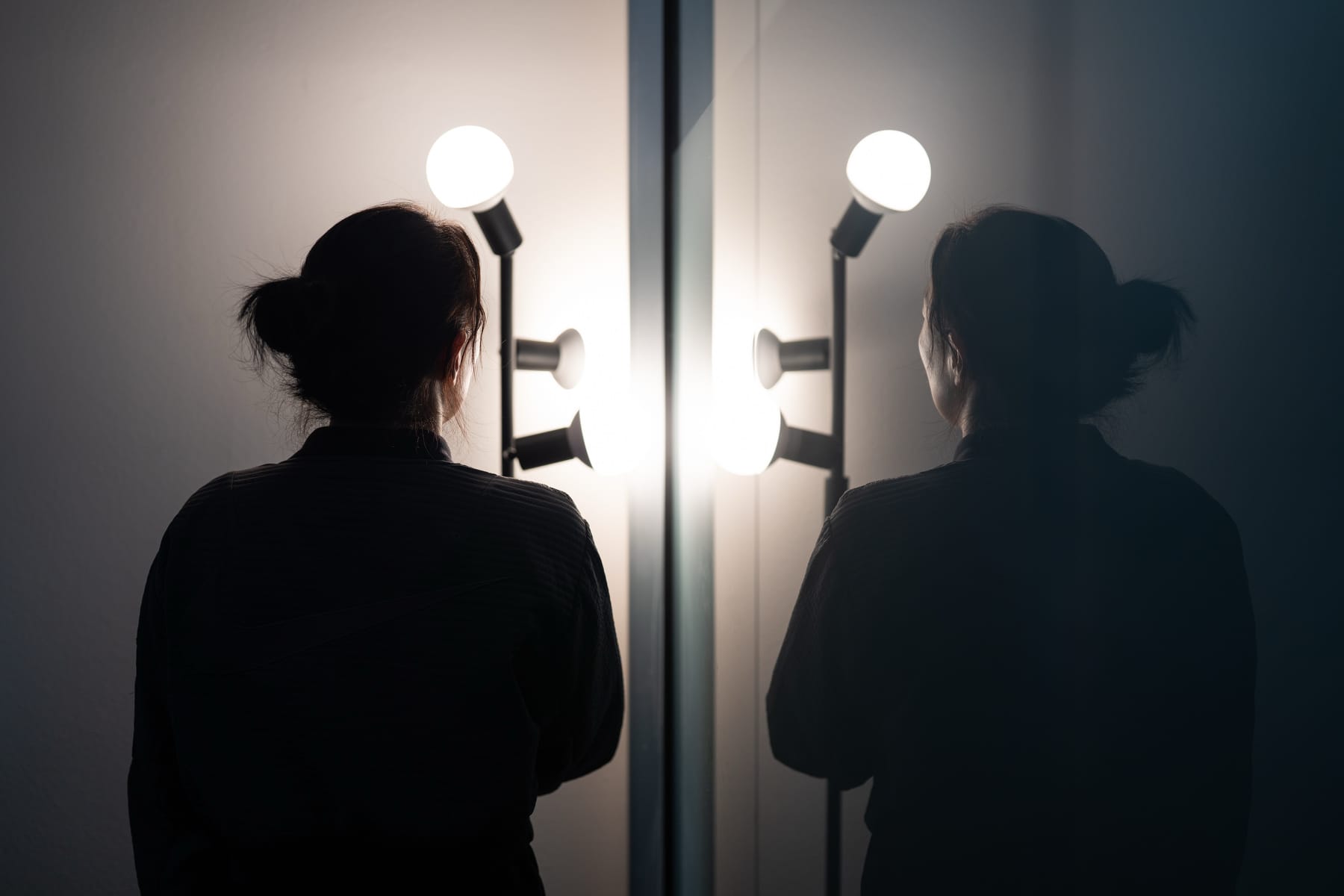
Half of her clients are trans people seeking asylum from countries in Latin America, and they aren’t just dealing with an abusive relationship, but an abusive system as well, Green said. She often visits clients at their homes because they are scared to go outside due to the combination of increased federal immigration enforcement and rising anti-transgender hate.
“Most of the immigrant survivors seeking asylum here, they literally don't have anyone except me,” Green said. She’s been supporting some clients for six years.
When Green saw the executive orders on gender come down last year, she thought her time at QAWTS would be over. Pusey assured her of a commitment to serving LGBTQ+ survivors.
“It's kind of unique for nonprofits, because usually they will create a program when there's funding, but they created this program based on what they believe and they value,” Green said. “So, regardless of funding, this program will continue because they will, in a way, make sure this program exists.”
Because of Green and the “life-saving” services provided by QAWTS, Paz is alive and thriving today. She lives in a safe apartment with “my baby, my pet, my little girl” Franky, and has begun to use her voice to try to save the programs that saved her.
Last year, she spoke on the steps of San Francisco City Hall for Domestic Violence Awareness Month. This May, Paz traveled with Pusey to the state capitol to demand Gov. Gavin Newsom allocate money for victims services in the state budget, as he has consistently done the past few years. That support has been a crucial stopgap to alleviate the cuts that started rolling out to state-administered federal victim services grants over the past few years.
The final budget included $50 million, which state coalitions say is enough to keep victim services operable for the next year. They will have to start the fight anew in 2027.
Shortly after she began working at SFAWS, Pusey was called to help a survivor and her two children flee an abusive situation. She helped them settle into the SFAWS emergency shelter, where the family stayed for three months before moving on.
Twenty years later, that survivor came up to Pusey and said the help from SFAWS changed her life: It put her on a path not just of immediate survival, but of eventual independent homeownership, something almost inconceivable to her as a single mother in San Francisco.
She invited Pusey and other advocates over for dinner to celebrate: “It was like role reversal,” Pusey said. Everyone was sent back home with bags of leftovers.
Domestic violence services remain operational throughout the country. Confidential, anonymous help is available 24/7 through the National Domestic Violence Hotline at (1-800-799-7233) or online. The Network/La Red (617-742-4911) and the Anti-Violence Project (212-714-1141) both run confidential, anonymous 24/7 domestic violence crisis lines specifically for LGBTQ+ people.