


Remembering Alice Wong
On the one-month anniversary of her passing, we honor the acclaimed disability justice advocate, writer, shit-talker, and friend to so many.

On the night of Nov. 14, a close friend called me. It was late. I knew something was wrong.
Between sobs, he said, “Our dear friend Alice is with the ancestors now.”
That day, Alice Wong — a fearless advocate for disability justice, an acclaimed writer, an incredible shit-talker, and my friend — suddenly passed away.
It didn’t make any sense to me in that moment. I’d just been texting with her about doing some writing for COYOTE, and I remember scoffing when she cautioned that her work might not be up to snuff. Like, excuse me? And now, I thought, one of my last text messages to her was me telling her to shut the fuck up. I’m sure she’s laughing about that now. I didn’t mean to tell you to shut the fuck up forever, Alice! You know you’re amazing.
Like a lot of folks in her orbit, my friendship with Alice began on Twitter. She was always reposting the stories I wrote while I was at the San Francisco Chronicle, and she was just as opinionated about food as I was. Over time, we started strategizing about how to normalize accessibility in restaurant reviews. How could a critic better identify possible challenges? Not just the ramp versus stair issue (which does matter), but also attitudes? In the wake of the plastic straw bans, we chatted at length about the false dichotomy between environmentalism and disability access, and the ways well-meaning environmentalists could still hold space for disabled people to freely enjoy flirty little cocktails with plastic straws.
But most of all, we talked about pleasure: about Japanese-style Basque cheesecake; about the triumph of finding decent Korean barbecue in San Francisco; about our mutual love for gathering people up and making sure they ate well. I still have Alice’s invitation to a Friendsgiving meal sitting in my inbox. I know other friends are still hoping to host some of the parties she was planning before she passed.
When she recently became unable to speak, she transitioned to mouthing words while using a text-to-voice machine to communicate. I’ll always remember her mouthing the word, “bitch” to me (and making the machine say it) to punctuate a point. And when I couldn’t hear her over the noise of a party we were at, she did it again and again until I got it. Ha! I’ll always love you, Alice.
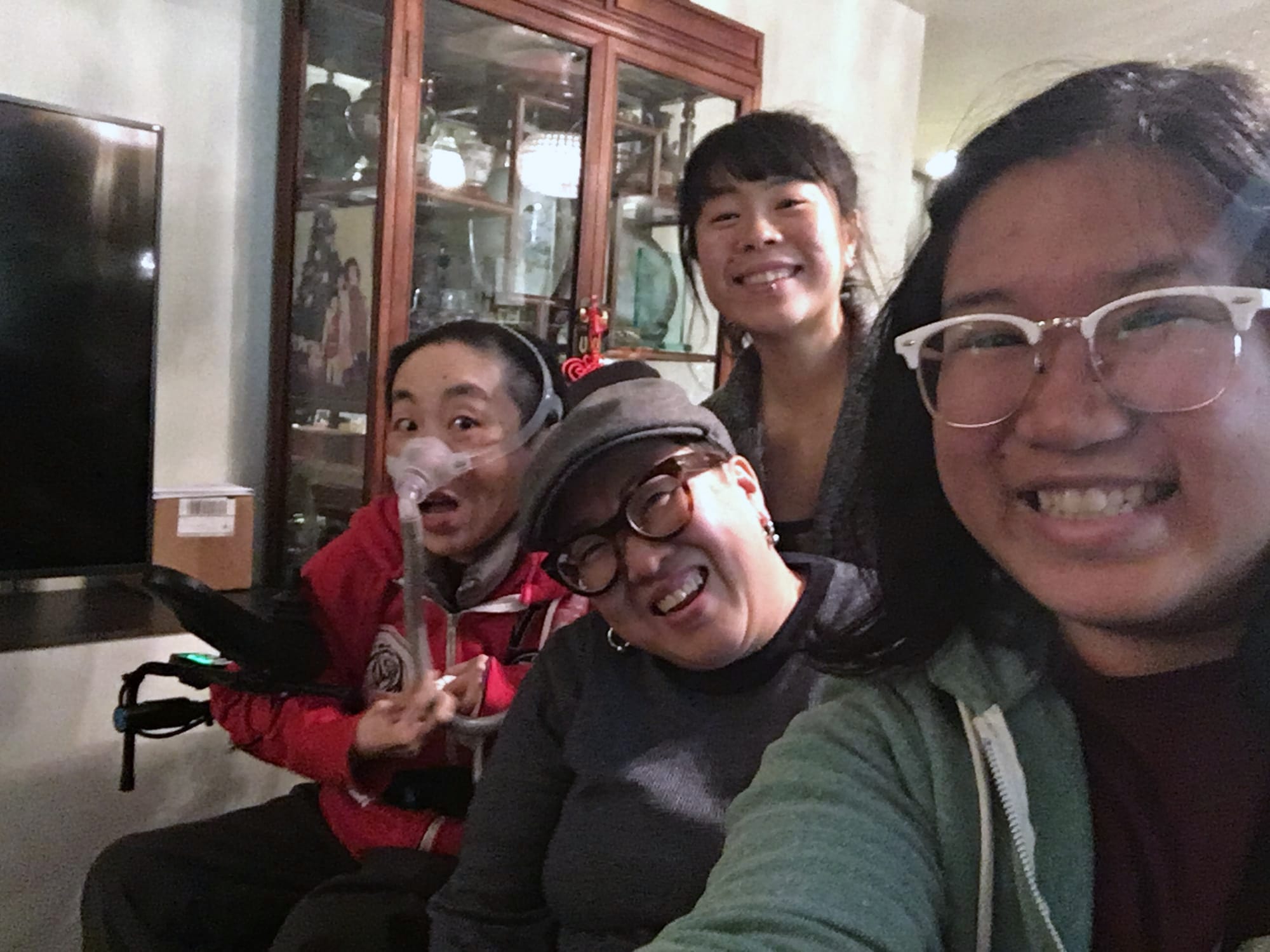
Alice’s influence was massive, and no one remembrance of her could possibly be enough. With that in mind, COYOTE asked those who knew Alice or were impacted by her work to send us their thoughts and memories. On the one-month anniversary of her passing, we’re sharing them below.
Alice and I initially connected when I was working at the Center for Asian American Media (CAAM); she and her mother had signed up for a StoryCorps/CAAM recording session about Lunar New Year traditions (you can read the transcript of the recording in her memoir). We met in person about a month later at a group dinner, and then stayed in touch via Twitter. She shared her favorite Chinatown restaurant in an article I wrote; the way she describes the crunchy bits from salt and pepper fried Dungeness crab is incredibly detailed. She would sometimes share my articles on social media, particularly ones about Chinese food or Asian American farmers. What touched me was that even when she couldn’t always enjoy the foods mentioned in the articles, she still took time out to be enthusiastic about it.
Even though Alice and I were not super close, I always appreciated hearing from her. She was such a huge, influential figure as a disability rights community leader, and I, like many others, learned a lot from her. — Momo Chang, journalist, San Francisco Bay Area
I first "met" Alice virtually, approximately eight years ago, when I was an undergrad student at Cal. I was studying anthropology and had enrolled in a Disability, Ethnography, and Design class with Professor Karen Nakamura (who later became one of my thesis advisors!). Besides a semester-long group project, I took on audio transcription work for Alice's Disability Visibility Project podcast and oral history series. I later had the pleasure of meeting Alice in person when she gave a lecture at my workplace.
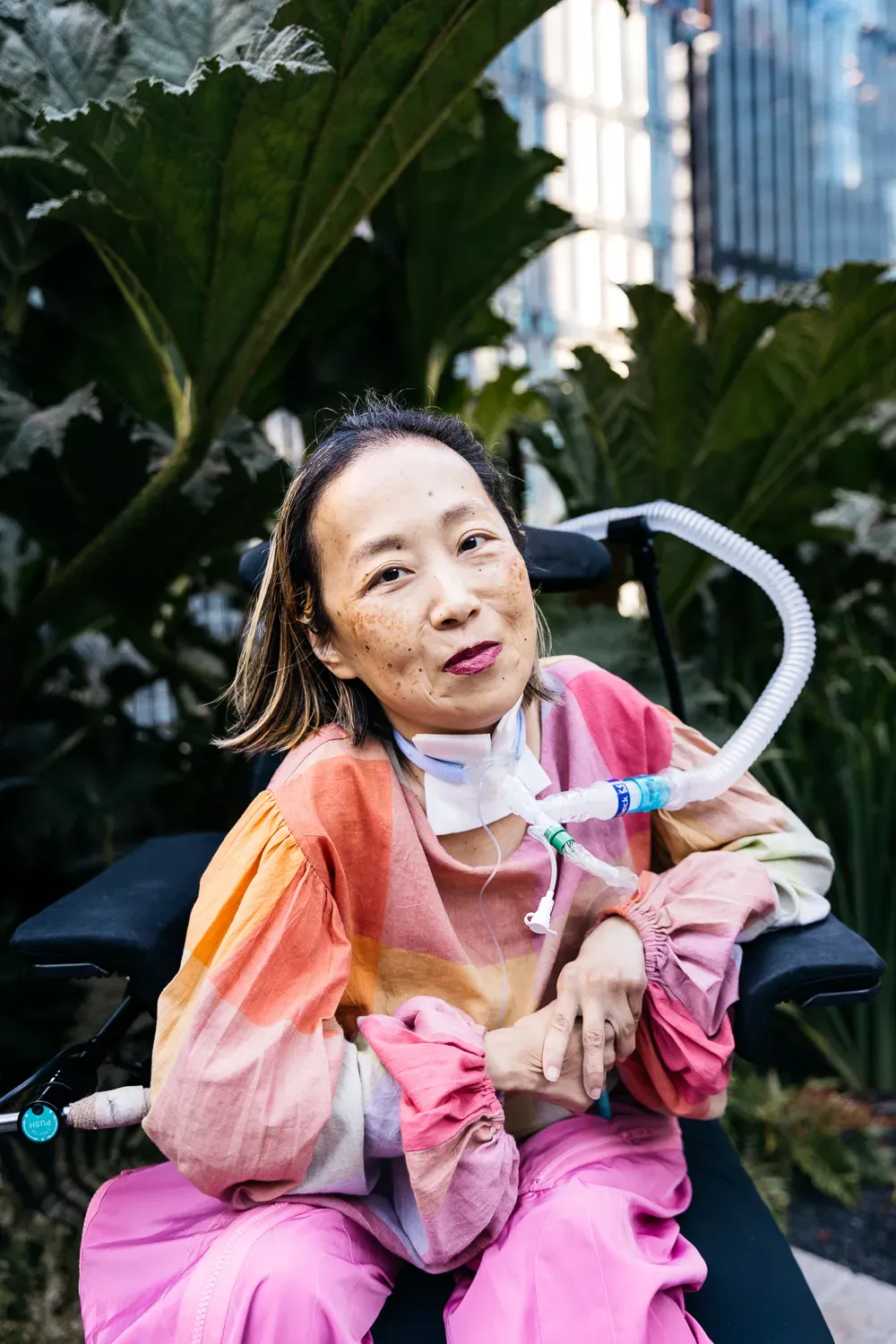
Alice was a fierce advocate for a community I didn't know I would join one day. The anthologies she edited and threads on then-Twitter she helped popularize were crucial to my understanding and acceptance of my disability; in reading the work she wrote, stewarded, and championed, I felt understood and welcomed, without the chatter of imposter syndrome I often felt, or societal stereotypes of what disability looked like or didn't, was or wasn't.
She was warm, approachable, and funny, but also guided, necessarily, by rage and grief. The care, respect, and hope she had for the world around her was tangible. I think there is something to be said for letting disabled people live without condescension or the pressure of a pedestal, but she really was a guiding light and an inspiration to so many. Her passing is a deep loss in writers' circles, the local Bay Area community, the world of disability justice — for all of us. May she remain visible, and may her memory be a blessing. — Hayley Kellner, writer
In the last year or so I've gotten closer to Alice. I first met her on Twitter. I was still trying to get over myself: omg Alice Wong wants to be my friend! Spending time with her, she was so cool, was really interested in learning about me, and what I loved, and talking about food — not typical community celebrities who just like to talk about themselves. Alice was always asking questions of her friends and what our dreams were and wanting to share experiences. I loved just being invited to one of her extravagant dinner parties in her apartment. She and Sandy hosted a birthday... they had food, of course, but they had a boba stand! I was like, that's next-level; what the fuck, that's so lit.
She was always like, “I want this thing and I want to make this happen,” and was so bougie about it. I've benefited from the bougieness of Alice. I’m still thinking about ways to lean into smaller moments of joy and things that bring happiness.
Alice was so good at putting care packages together for people. Sandy and Yomi are still getting gifts from Alice after she's gone, which makes it even harder to not have her here anymore. She is very present... but not in the way that we want.
What has resonated with me since Alice passed is hearing all of the different ways she loved so many people, with so much intention. Even with her being as famous as she was, it didn't diminish her intentionality with each person when you spent time with her. She was never too famous or too much of a leader to not hear people's experiences and take time to get to know you.
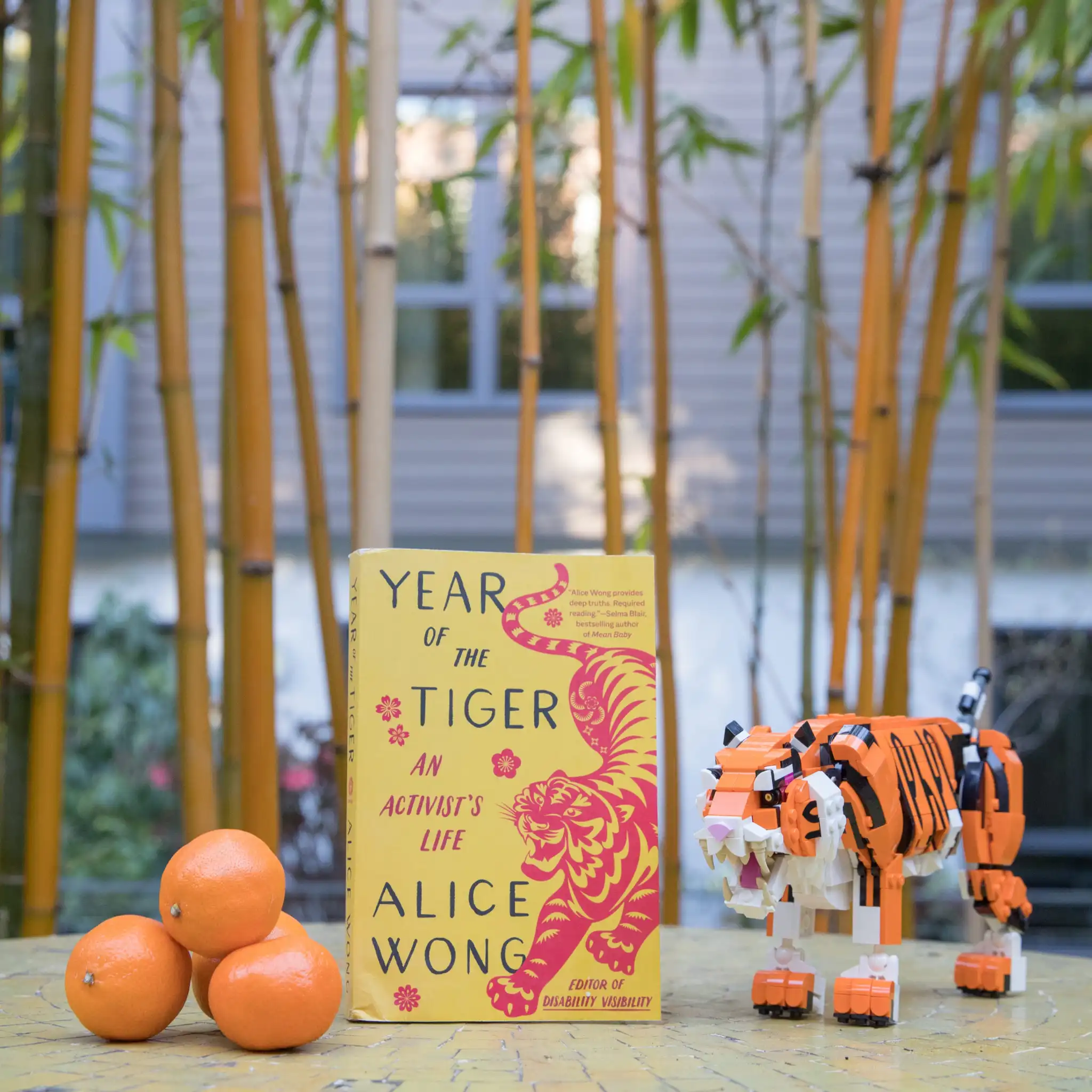
I was skimming through Year of the Tiger and she had a whole list of dreams she wanted to accomplish. She wanted to throw a huge 50th birthday bash that was extraordinary and she did that. She wanted to feed a koala eucalyptus at the SF Zoo and she did that! Alice had so many dreams and wanted to make other disabled people's dreams come true, whether that was through funding opportunities or uplifting their work. In her book, Alice wrote that she wanted to have a private jet take her and her family to Japan, eat this and that food, ride a train, and visit Studio Ghibli. And now, I want to be like her: I just want to give myself permission to dream bigger and really take capitalism and ableism out of the equation of my potential for dreaming.
How can I dream as big as Alice? She was like, I'm gonna do whatever the fuck I want! And I want to bring that energy into the future. — Rosemary McDonnell-Horita, disability justice organizer, activist, writer
I am a child psychiatrist in Rhode Island who works in community mental health care, and part of my job is training Brown medical students, pre-med students and master’s students seeking to go to medical school. For several years, I have bought a copy of Alice Wong’s Disability Visibility and given one to each student as a gift, because I felt it was critical that as early as possible, their conceptualization of people should be inclusive, curious, and welcoming.
I wish I had read this book earlier in my own career, but I feel that offering the book — highlighting not only the essays but the references, and suggesting that my students share it with their friends and classmates — is an important way to make better physicians. I appreciate the opportunity to share this and honor Alice Wong’s memory and her essential work. — Daisy Bassen MD DFAACAP, Clinical Assistant Professor, Department of Psychiatry, Brown University and President, Rhode Island Council of Child and Adolescent Psychiatry

