A Haunted Tuberculosis Sanatorium Might Be Razed For Housing. What Could Go Wrong?
On a wooded hillside in Santa Rosa, hundreds of ill and impoverished people lived out their final days. Some say their spirits stuck around.


On a wooded hillside in Santa Rosa, hundreds of ill and impoverished people lived out their final days. Some say their spirits stuck around.

The storied San Francisco club will reopen in 2027 under new ownership.

This week we've got a broth bar buffet, a backwards reading of the U.S. Constitution, rice porridge for dogs, and more.

On a wooded hillside in Santa Rosa, hundreds of ill and impoverished people lived out their final days. Some say their spirits stuck around.

Content warning: This story contains descriptions of suicide.
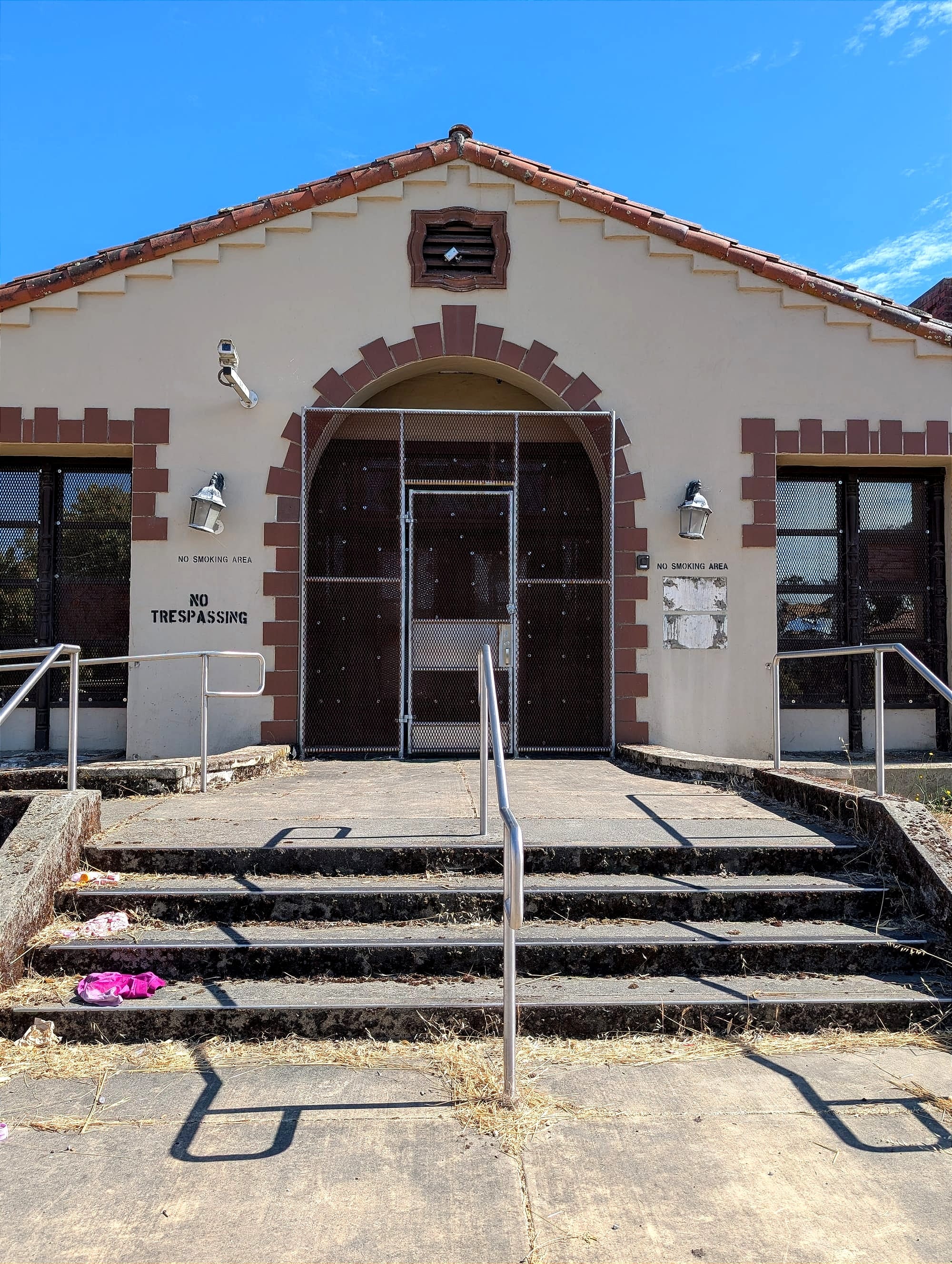
At the top of a Santa Rosa hill, surrounded by mature oaks and all but invisible from the road nearby, stands a crumbling hospital, empty since 2007. The Oak Knoll Tuberculosis Sanatorium, a one-story building just south of winding Chanate Road, once saw hundreds, if not thousands, of tuberculosis patients come through — some stayed, and many died — before it became a psychiatric hospital in the 1960s. It shuttered for good almost two decades ago.
Next to Oak Knoll, beyond the cracked parking lot, more than 1,500 graves rest in a historic cemetery filled with poor people, Chinese immigrants who worked on the railroads and vineyards here, and many of the tuberculosis hospital’s dead. Their graves are marked only with small, concrete-filled cans, each stamped with a number. Nearby sits yet another abandoned hospital, a favorite of ghost hunters. And just up the road is the still-in-use county coroner’s office and morgue.
You don’t have to be particularly woo to sense something haunted here: A disproportionate amount of death has taken place on this land.
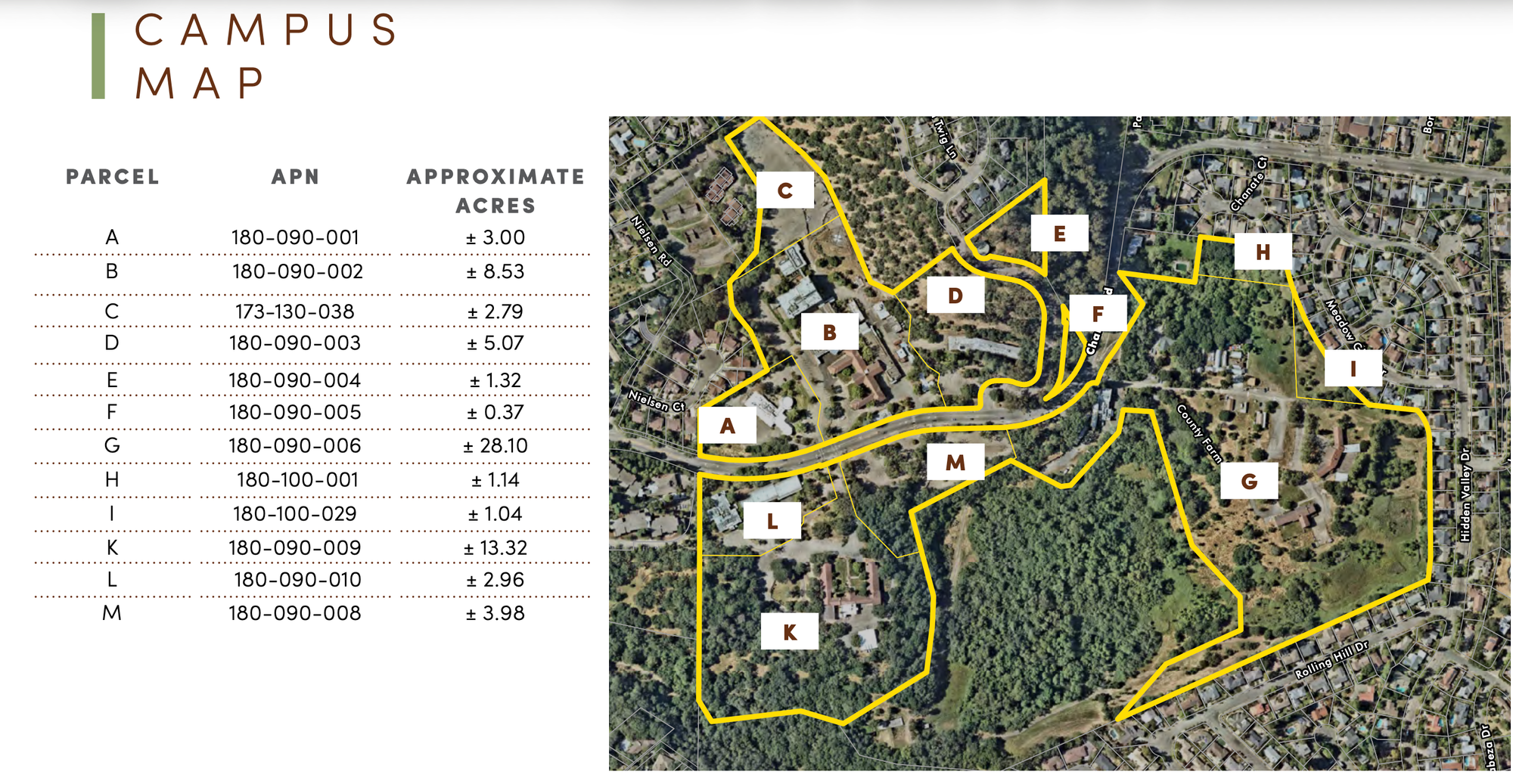
In December 2021, after years of trying to offload it, Sonoma County finally succeeded in selling the 12 parcels of “the Chanate campus” to a private developer, who announced plans to raze both hospitals and build nearly 700 units of housing.
But before this land’s troubled history is lost to time, it’s worth learning about the people for whom Oak Knoll was their final stop.
Although I have written about weird and haunted places in the North Bay for decades, I only learned about Oak Knoll and the historic cemetery last year, after a fan of my podcast emailed me to suggest I check out the site.
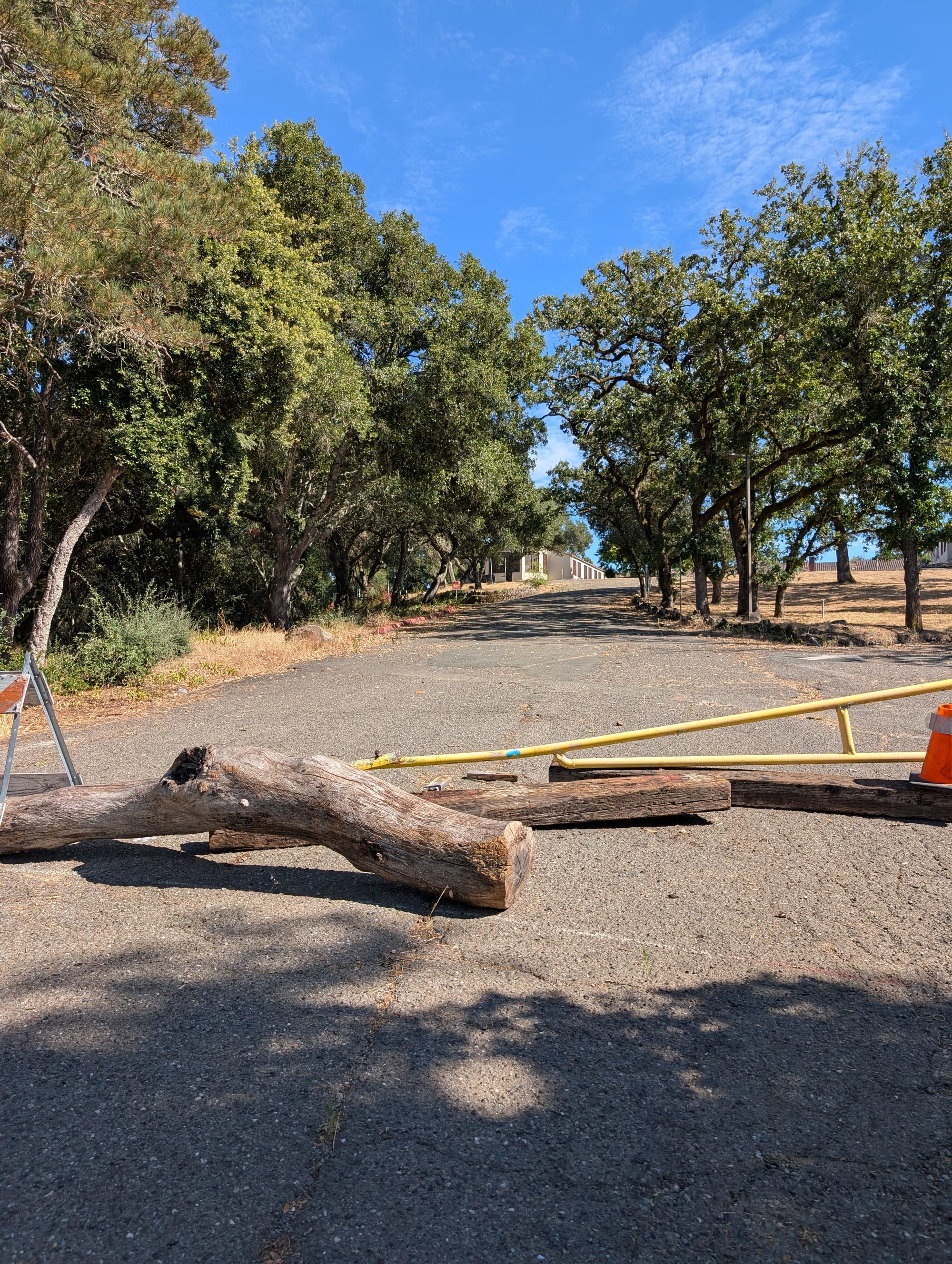
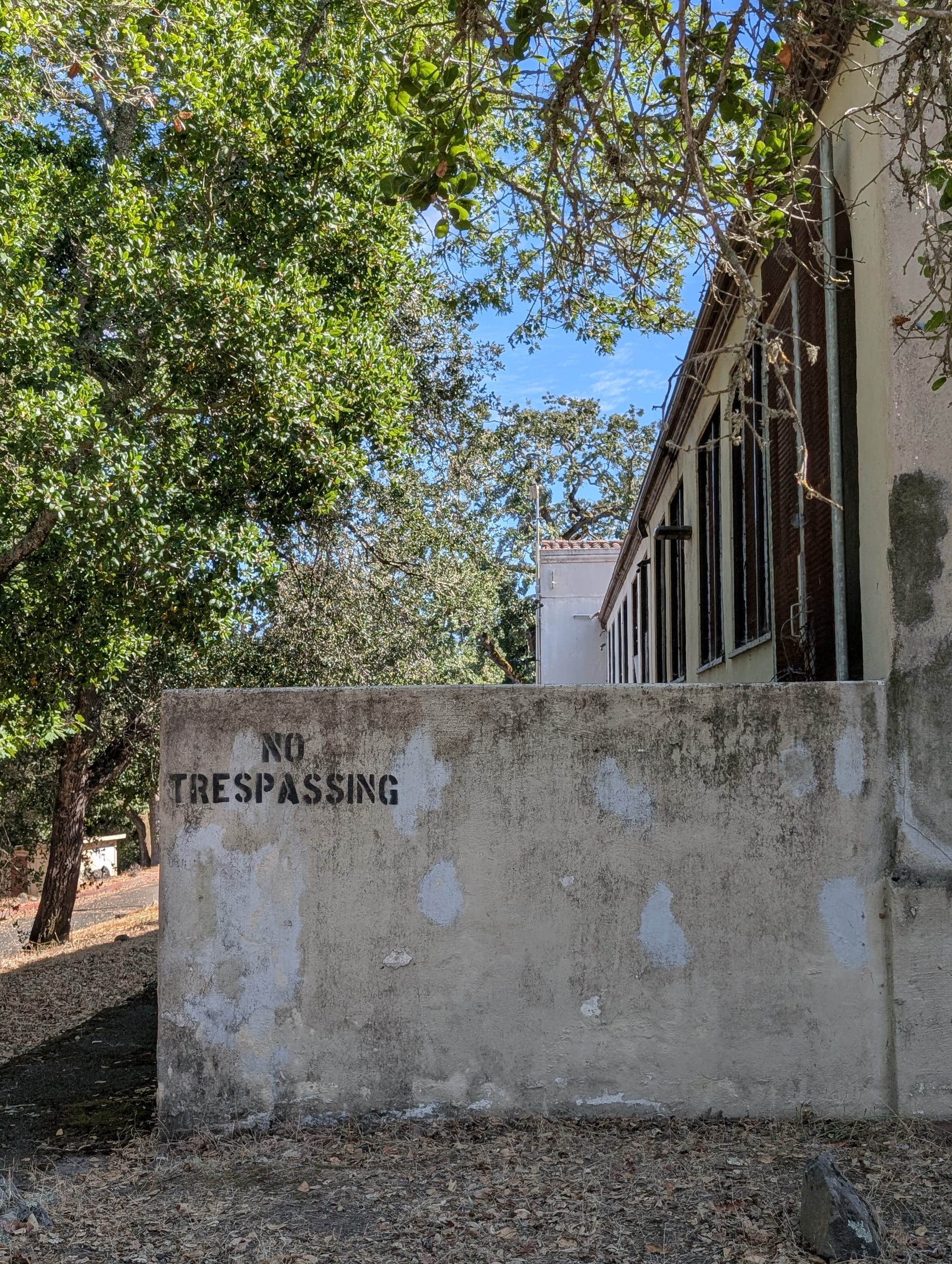
A gate and tree branches at the entrance to the former Oak Knoll Sanatorium; 'no trespassing' signs abound on the nearly 120-year-old building. (Beth Winegarner)
I dropped by in July 2026. After parking by the entrance (which was halfheartedly blocked by a gate and large tree branches) and ignoring the “no trespassing” signs, I summited the weed-dotted hill on foot. Even under blinding sun on a blistering 98-degree day, the low-slung building felt shadowed, as if the decades of housing people during the worst times of their lives still cling to it like a shroud.
The horseshoe-shaped former hospital sits on a sprawling 71-acre site in Santa Rosa that has served the region’s marginalized residents since the 1870s, when Sonoma County bought the land from a private owner, according to local historian Jeremy Nichols. The county opened a poor farm, where locals in poverty could live, raise crops and livestock, and eat meals created with the fruit of their labor.
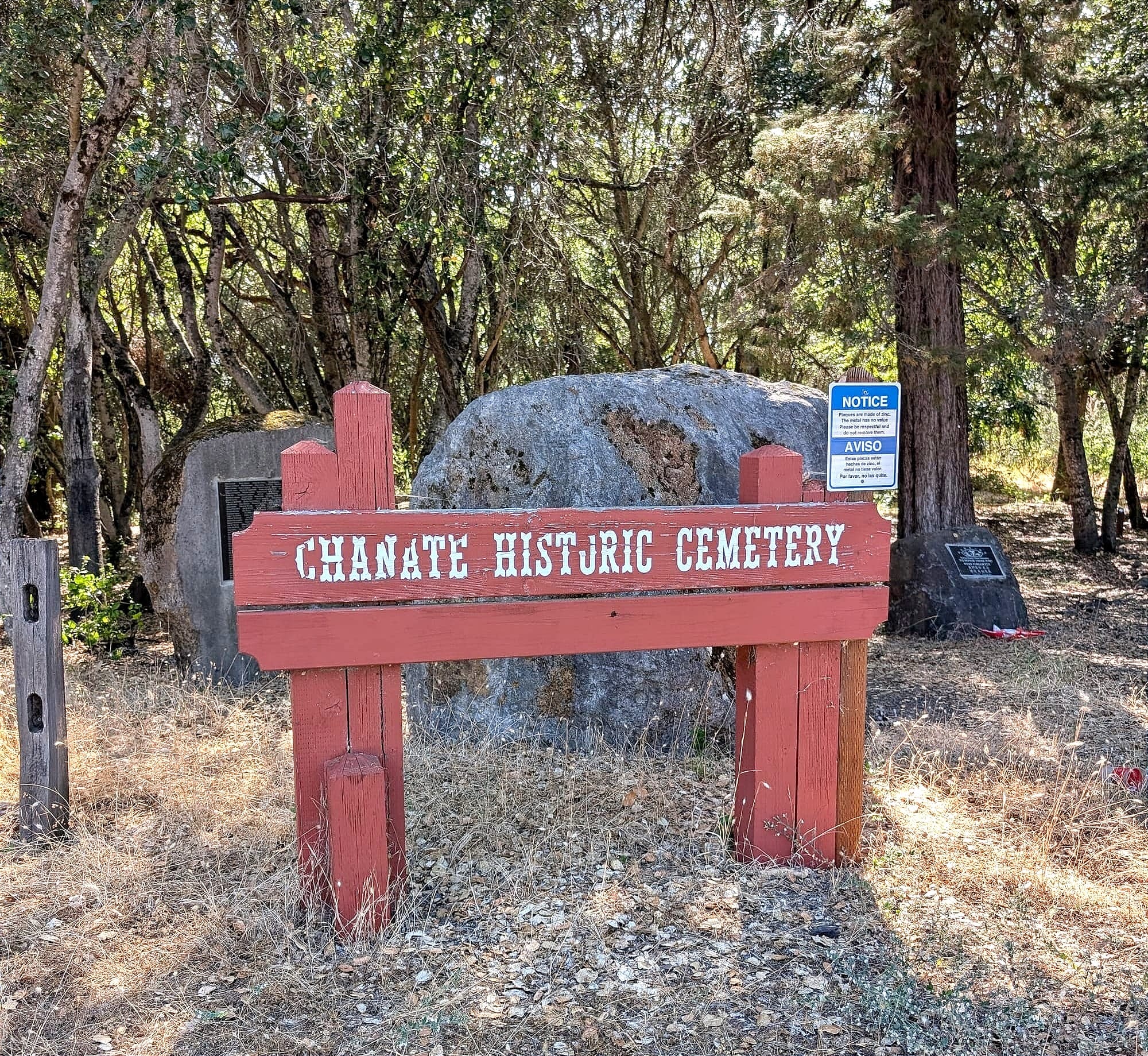
An early county hospital, Hillcrest, operated nearby, and the county also opened small hospitals for patients with smallpox and other highly contagious diseases. With so many people marginalized, ill, and dying on the property, the county needed somewhere to bury them. Burials began in the cemetery sometime before 1878, according to Nichols, who helped research and restore what’s now called the Chanate Historic Cemetery.
In the mid- to late 1930s, with tuberculosis killing more than 60,000 people in the U.S. annually and antibiotics still a few years away, the federal Works Progress Administration funded a slew of medical facilities for the country’s poorest residents. Oak Knoll was constructed in 1939, next to the old cemetery, to give low-income residents a place to quarantine. Sunlight and fresh air were thought to help tuberculosis patients recover, and the hospital had both in abundance.
Sonoma County paid for their care. And, given that the disease wasn’t widely treatable until 1943 or 1944, the county also paid to bury the 100 to 200 Oak Knoll patients who died, says Nichols. The 1.5-acre cemetery was full by 1944, and the county began burying indigent dead in the much-larger Santa Rosa Rural Cemetery.
By 1963, Oak Knoll was seeing fewer than 20 tuberculosis patients a year and facing imminent closure. Instead, Santa Rosa repurposed the building as a psychiatric hospital, Oakcrest, where locals experiencing mental-health crises could be involuntarily committed for less than 30 days.
Local papers seemed to revel in rubbernecking when community members were sent to Oakcrest. During the 1979 oil crisis, a woman caught siphoning gas claimed, “‘I’m getting gas for my Batmobile,’ which promptly guaranteed her a trip to Oakcrest mental facility,” the Press Democrat reported.
Oakcrest, sadly, also saw a number of suicides. In May 1972, Edward Holbrook was found in his car, parked outside the hospital, dead of apparently intentional carbon monoxide poisoning. In November 1977, an unidentified homeless man turned up at Oakcrest on Thanksgiving, looking for a place to eat and sleep. He refused counseling, and hung himself that afternoon in an Oakcrest bathroom.
The sanatorium eventually rebranded as Norton Behavioral Health Center, a name which remained until the building closed in 2007. The county hospital on the north side of Chanate shuttered in 2014. They’ve been crumbling in place ever since.
But those who have spent time here over the past decade say the site feels anything but empty.
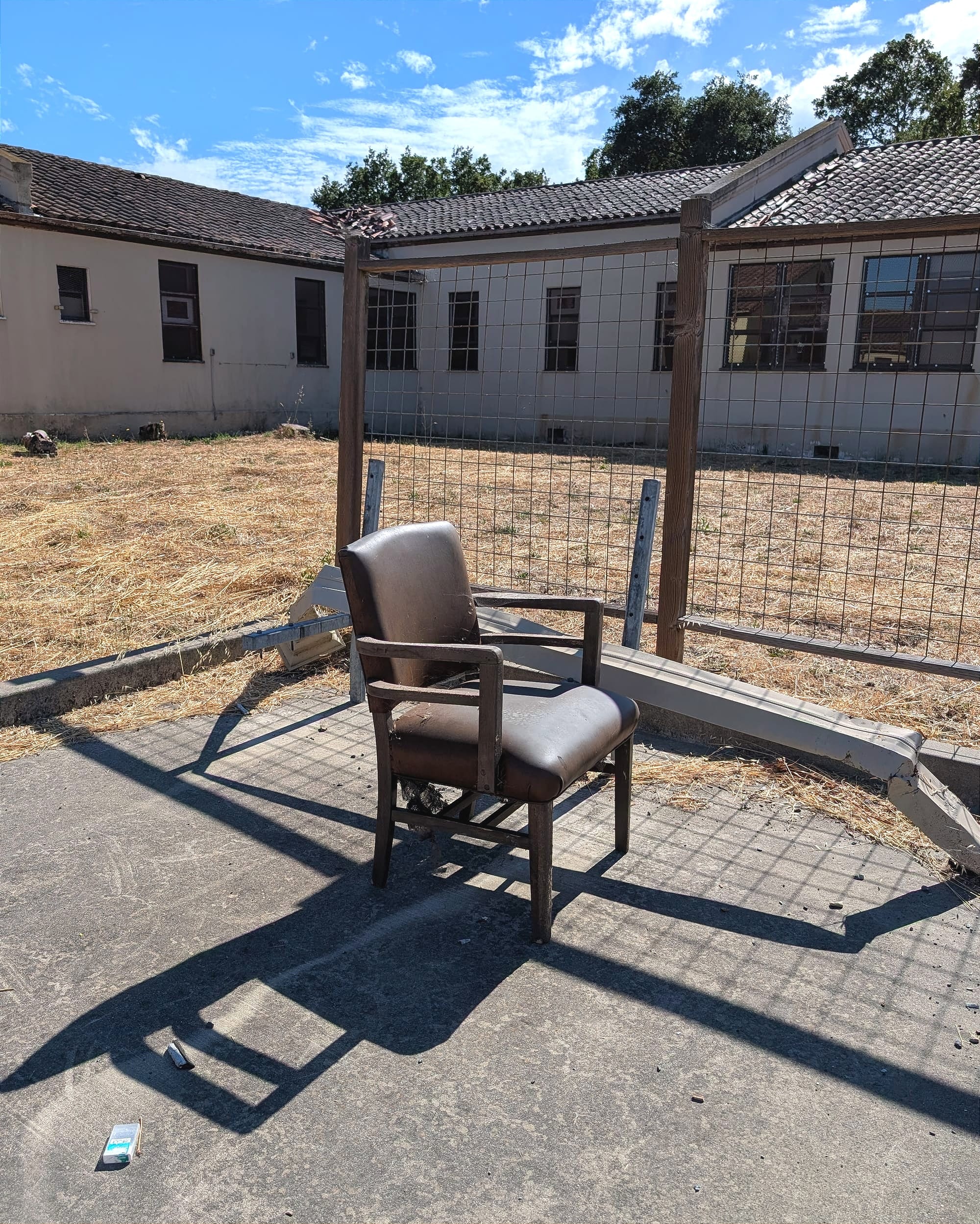
Colette Gardner, who worked an IT job in a public-health building on the Oak Knoll site from 2012 to 2018, says she often felt something “intense” on her frequent walks through the oak-covered hills during her lunch hour.
“That building on top of the hill, it’s got weird vibes,” she says. “I just assumed they were from a lot of intense feelings on the site, and I feel like intense feelings tend to stick around.”
In local history and ghost-hunting forums, this part of town comes up frequently. “I know for a fact, because I worked there for years, that the building formerly known as Oakcrest on Chanate Road … is haunted,” one Reddit user wrote in 2022. “Doorknobs would shake before our eyes.”
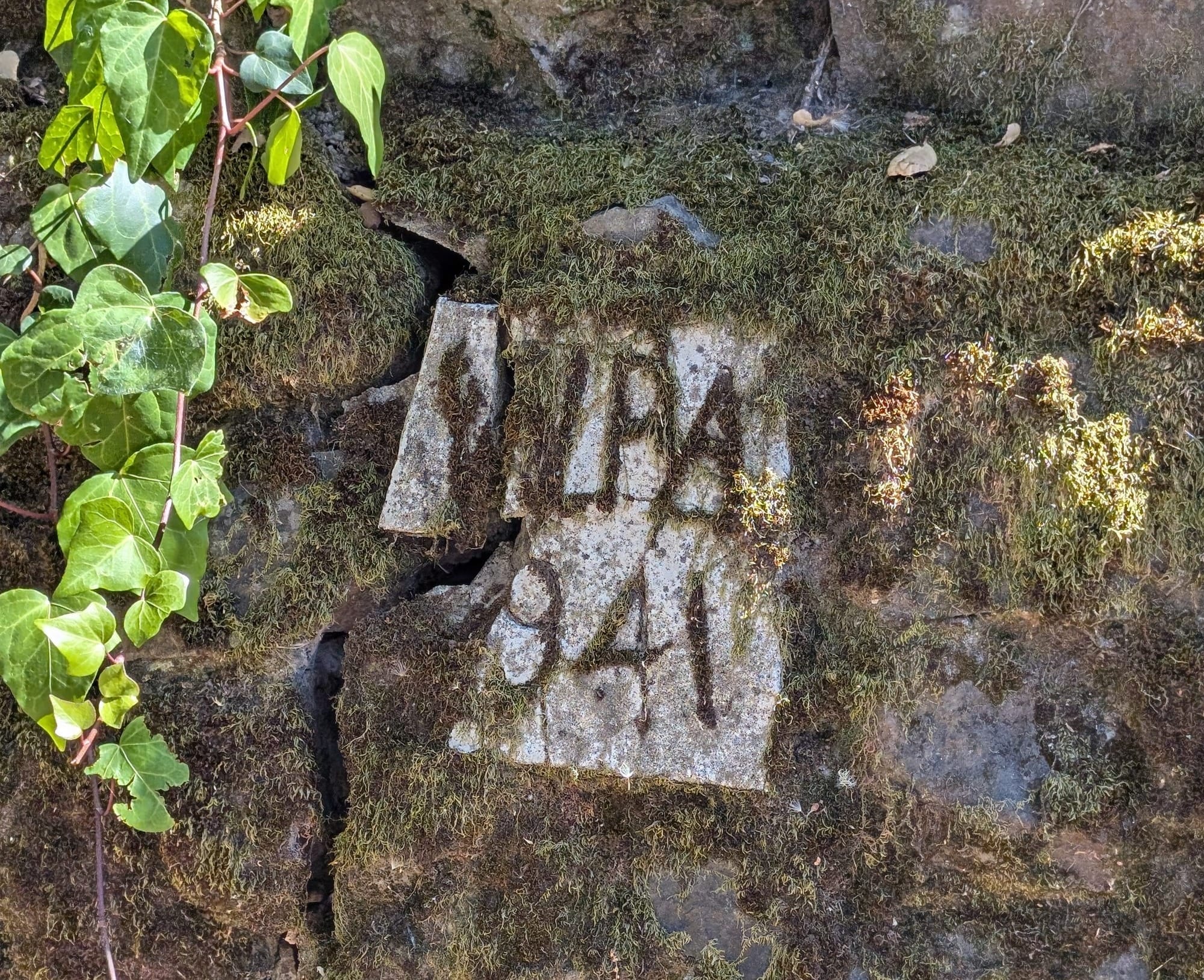
The poster claimed that some of the hauntings they experienced could have been because “bodies were incinerated below the floor” — a claim I’ve been unable to independently confirm — “and the cemetery is right beside it, let alone the suicides.”
Since closing, the adjacent county hospital has also become a curiosity to urban explorers and those who investigate the paranormal.
Ironically, the cemetery seems to be among the least-haunted facilities on the site. Gardner, for example, notes, “I never once felt anything ghostly in the cemetery.”
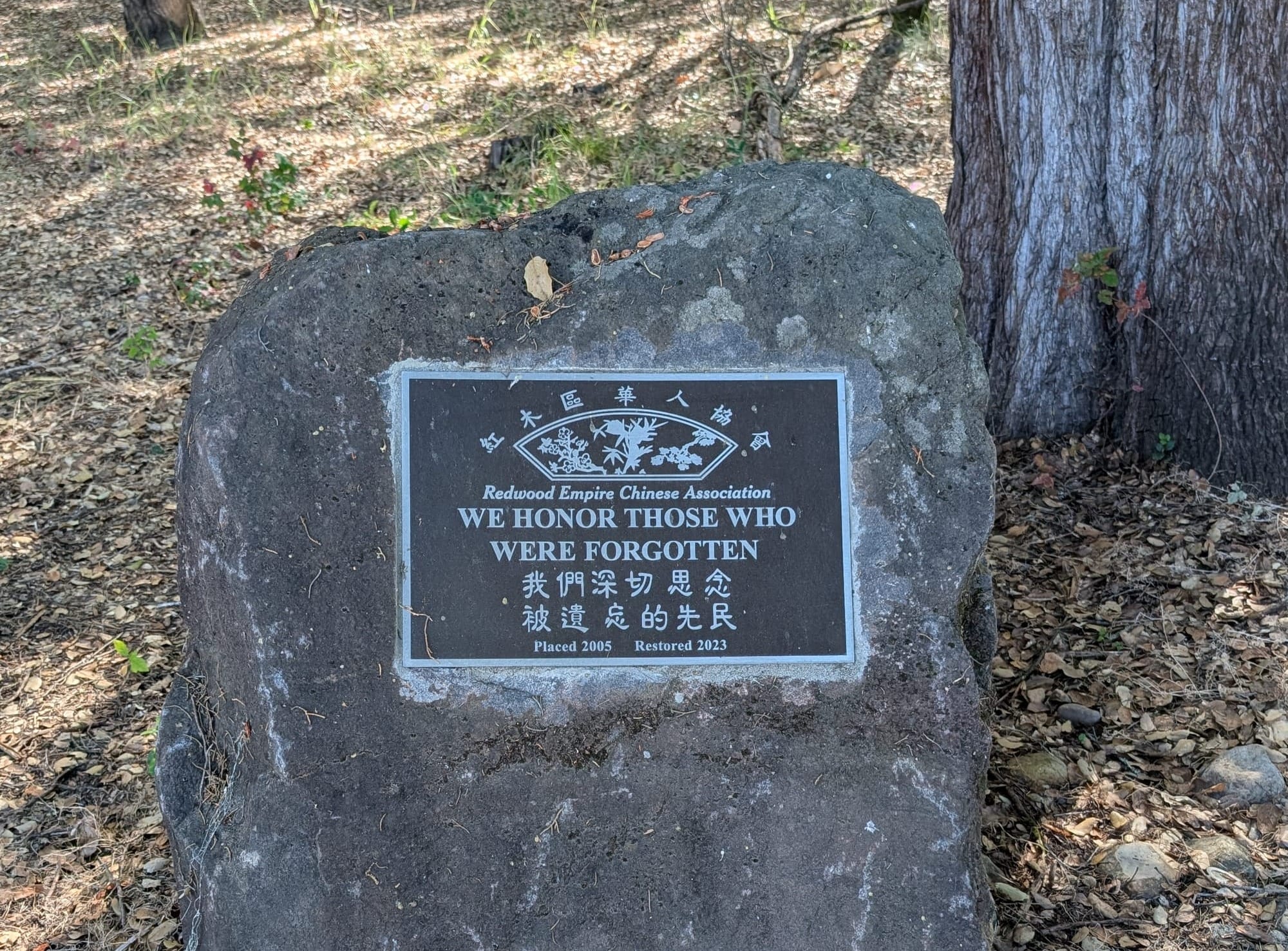
That could be because the people buried there saw some closure. “Local ministers took turns going to the cemetery when burials were scheduled and holding a graveside service,” says Nichols. Many if not most of the deceased were impoverished and had no next of kin, and such a service might be the only real memorial they had. “News of such services occasionally appeared in the Press Democrat, but clearly the death of an indigent was not big news in Santa Rosa,” says Nichols.
And when the cemetery was rededicated in 2008 and 2012, he adds, new services took place for both western and Chinese burials.
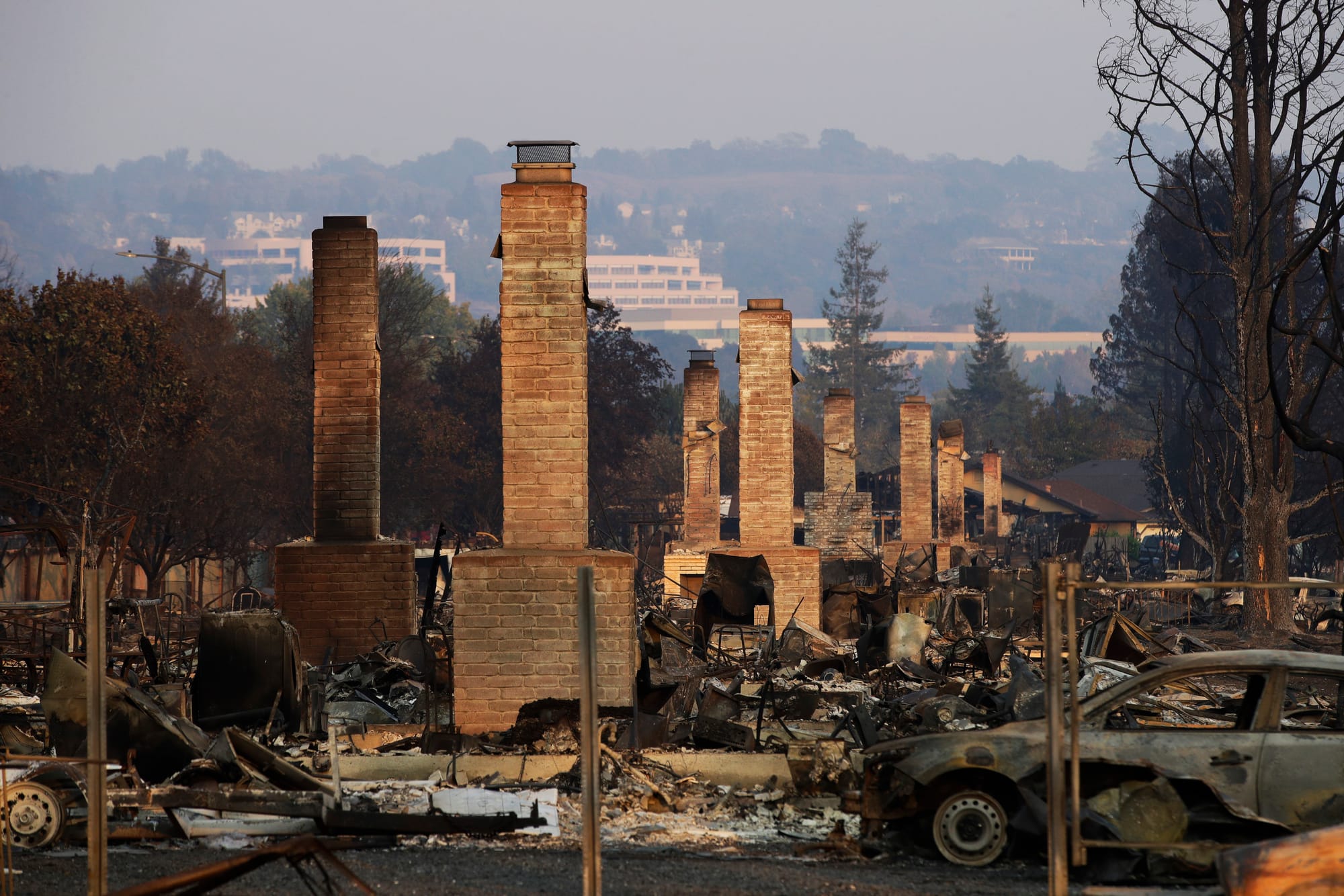
The cemetery may be peaceful, but turmoil and restlessness continues on other parts of the property. Since closing, the county hospital has become a target for copper thieves. Then there are the dangers baked into the land itself: The Chanate site sits near, or on top of, an earthquake fault. It’s also less than a mile south of where the Tubbs Fire burned 36,807 acres and destroyed 5,643 structures, half of them in Santa Rosa, in 2017.
Sonoma County, while it has made efforts to honor the history of the site, would also like it to move into the 21st century — and for it to contribute to the local economy. The county declared most of the 71-acre site “surplus” in 2015 and again in 2018, desperate to sell the land to a private developer.
In 2021, they finally succeeded: Las Vegas developer Iyad “Eddie” Haddad purchased the site in December of that year for $15 million and may eventually build up to 659 units of housing under a project blandly entitled “The Woodlands at Chanate.” As is typical with such developments, the woodlands themselves would largely be destroyed, along with most of the existing buildings. (The cemetery would be preserved.)
There’s no question that Santa Rosa, like cities up and down the state, needs more housing. But the project has already attracted a range of opponents. For one, there are serious questions surrounding Haddad’s background and experience.
“Haddad has virtually no experience developing to completion such a large project, and he has a history of complaints from tenants, many of which have been affirmed by court judgments against him in the past two years,” Ethan Varian wrote in an investigative piece for the Press Democrat in 2021. Haddad declined to comment for this article.
Other opponents of the project are worried that adding so many new homes could bring unbearable traffic and tax already-strained water resources. Many of the development’s potential neighbors have written to the city, describing the panic and gridlock as they tried to escape the Tubbs Fire. Adding more residents on Chanate would only make the next evacuation worse, they say, and potentially more fatal.
For now, the inhabitants of these woods are free to roam and haunt as they please. Haddad has yet to submit any specific plans for the site. But if and when he does, he might want to include some appeasements to the spirits: the ghosts of tuberculosis and suicide, and the spirits of land — earthquakes and fire.
Otherwise, there’s no telling what new residents will encounter.