A Modest Proposal for Funding Transit Instead of AI
In the ’60s, the Bay Area almost got a high-speed train from Marin to San Jose. What could happen if we dreamed big again?
Corn, tomatoes, and everything great about summer in the Bay Area from local pop-ups and restaurants.
In the ’60s, the Bay Area almost got a high-speed train from Marin to San Jose. What could happen if we dreamed big again?
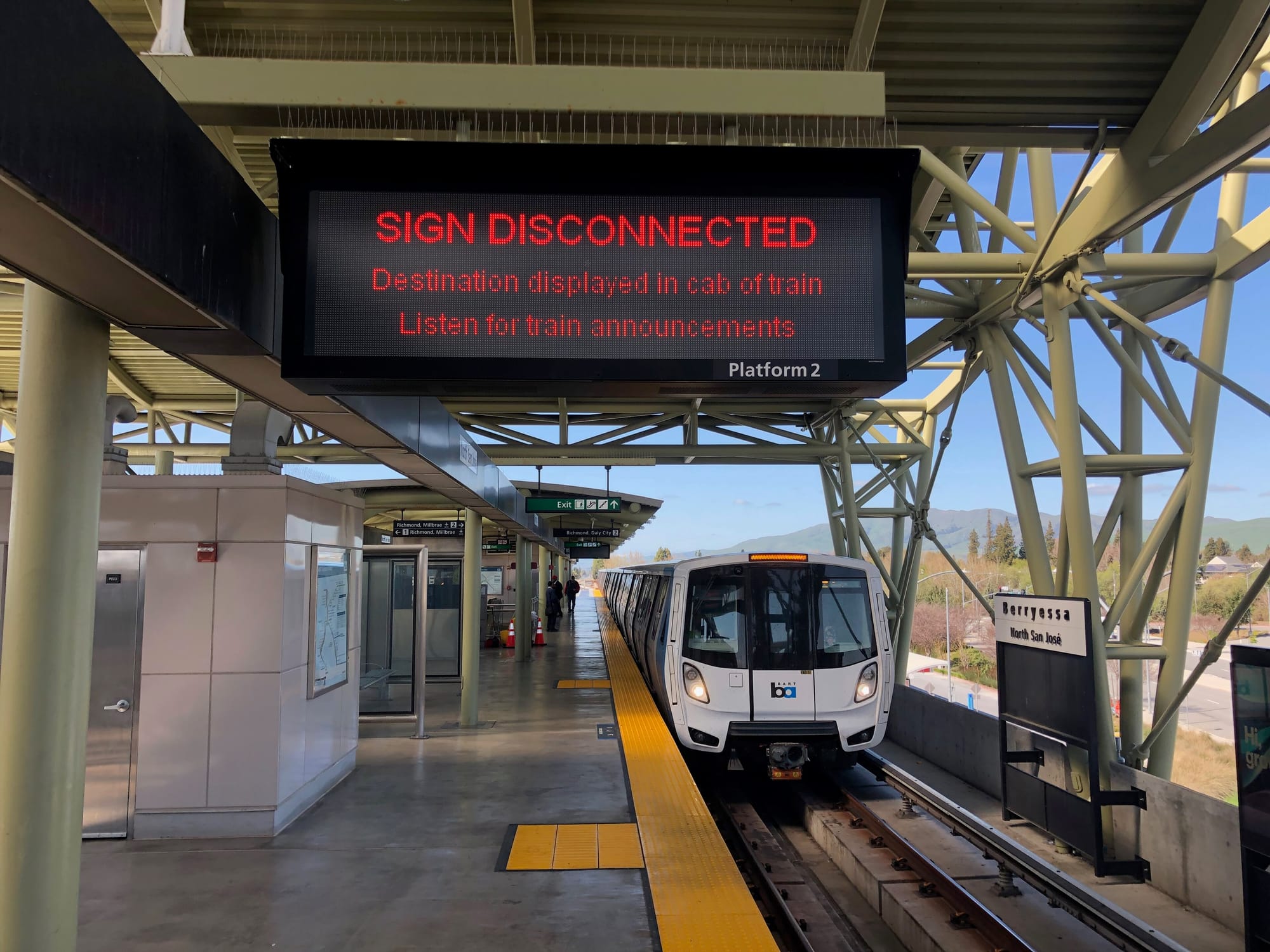
Transit drama always happens when I’m already late for something important, like an interview or a doctor’s appointment it took me months to book. We’ve all been there: The bus near my place in the city isn’t coming for half an hour, so I race down to BART, which takes me an additional 15 minutes. But when I reach the platform I discover that, for some infernal reason, the trains are delayed and I’m not going to make it to Oakland for at least an hour.
Now I face the existential choice that is all too familiar to Bay Area riders: Do I keep waiting for BART, or shell out 40 bucks for a rideshare that might get stuck in traffic? Can I afford that? Can I afford to be late?

Come November, if two ballot measures for regional and local transit funding are not approved by voters, this already infuriating scenario is going to get a whole lot worse. Muni, BART, CalTrain, and AC Transit will all have to curtail their services and routes — in some cases, quite dramatically. This might precipitate what San Francisco’s former San Francisco Municipal Transportation Agency head Jeffrey Tumlin calls a “death spiral,” where worsening service leads to decreased ridership, which leads to even less service, and so on, until it is impossible to get anywhere in the Bay Area without a car.
Meanwhile, investors have poured roughly $389 billion into San Francisco’s metastasizing AI industry since 2017. It’s impossible to understand why. Consumers hate the sparkly, invasive “get help from AI” prompts in every app we once loved, and workers outside the AI industry wonder if we’ll survive this economic black hole. But AI industry leaders insist they need all these resources to manifest a fantastical future where AI does everything.
The situation is so absurd that it reads like a satirical thought experiment. Billions of dollars are available for vaporware nobody wants, while funding deficits eat away at a reliable, longstanding utility many of us desperately need.

Respectfully, fuck that. If the AI industry is going to turn the Bay Area into its own private thought experiment, then we need to push back with a thought experiment of our own. It’s worth asking: What if we gave public transportation the same amount of money that investors have given to AI? With billions of dollars, what could transit do? And how might it transform our cities and lives?
This isn’t the first time people have asked these questions.
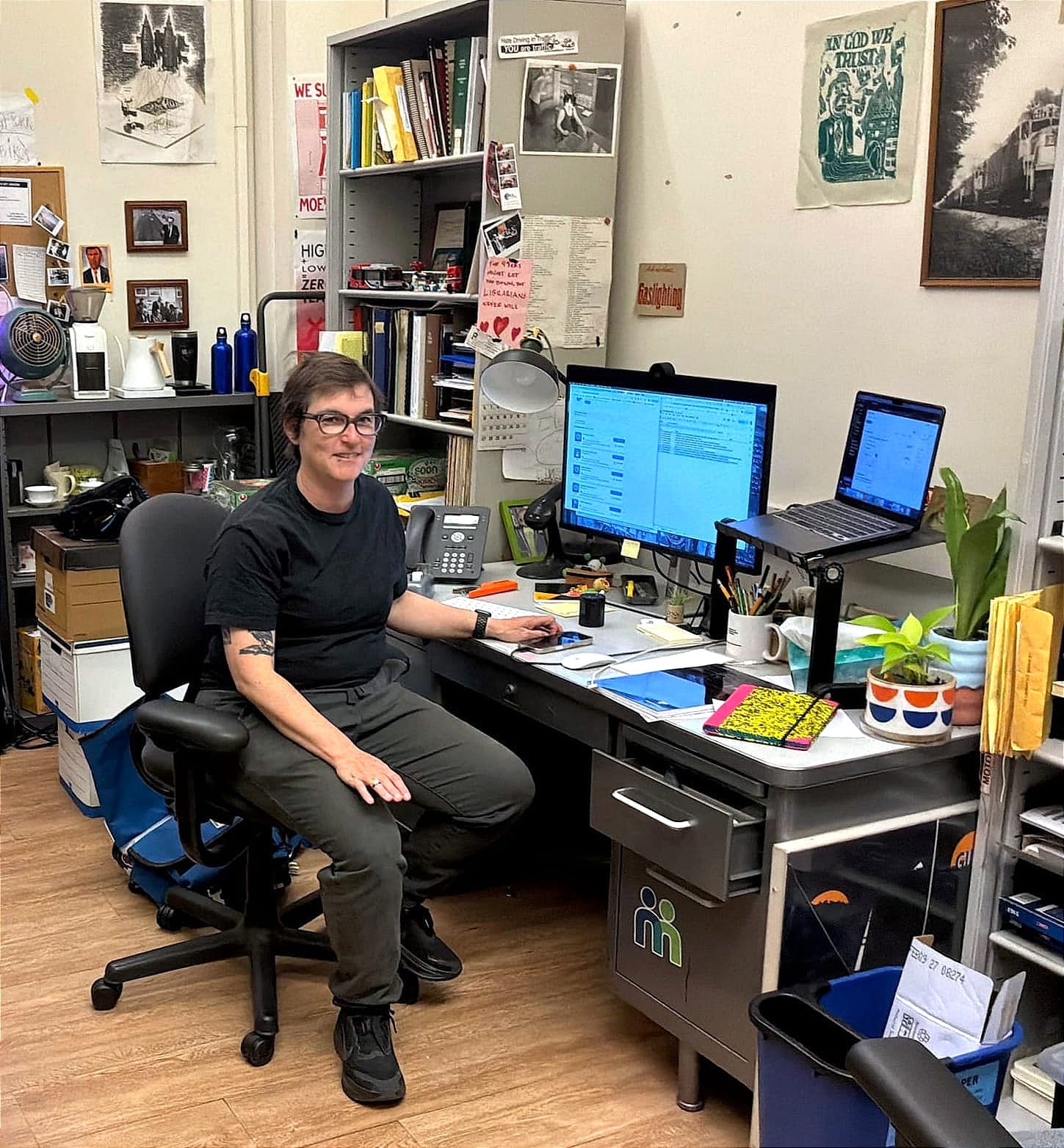
In the cozy upper-floor library of UC Berkeley’s Institute for Transportation Studies, bookshelves line one wall and work tables are scattered along another. An old-fashioned donut-shaped life preserver hangs next to a poster about how to use specialized aircraft to rescue people injured in highway traffic jams.
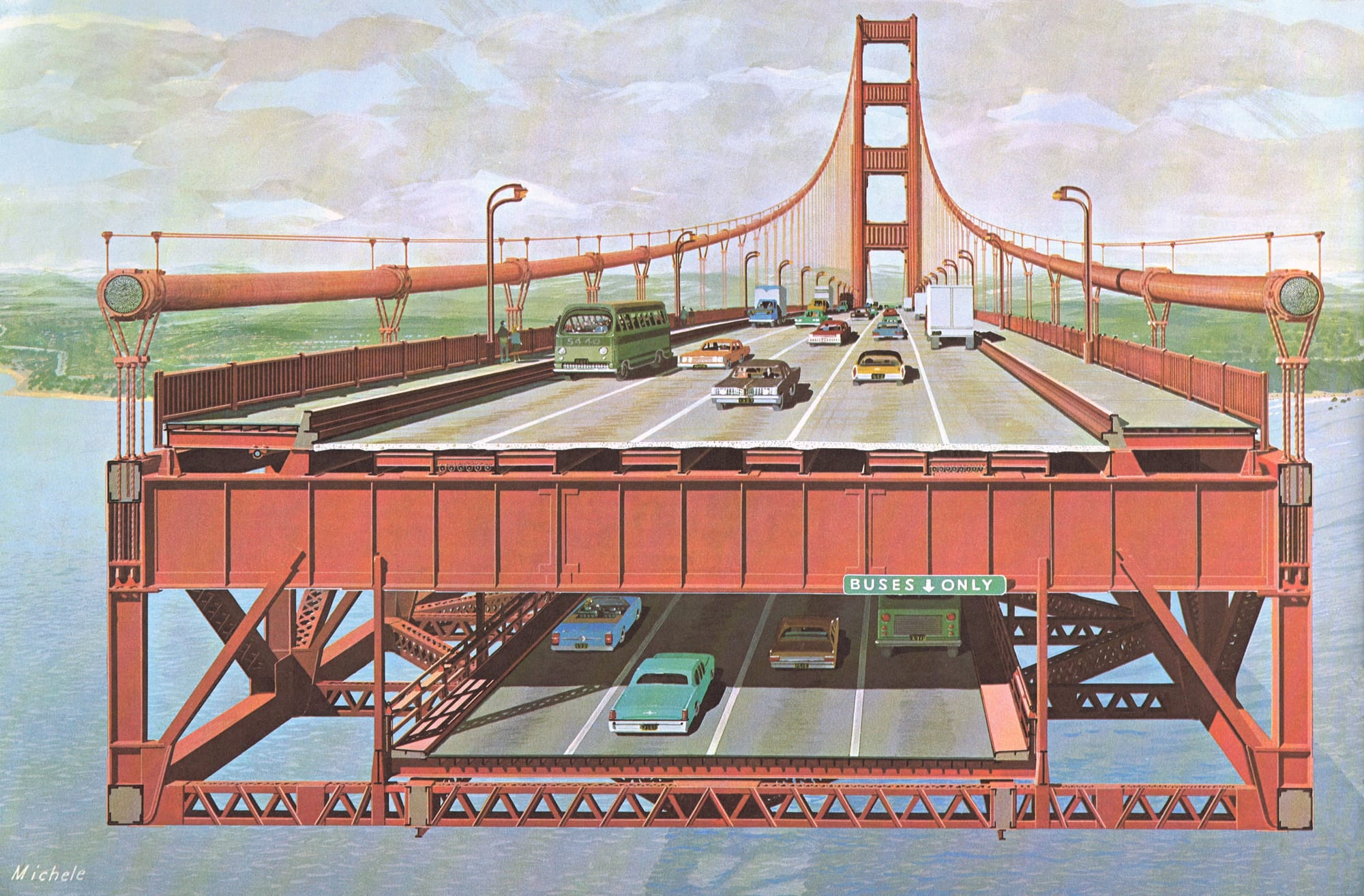
Librarian Kendra Levine emerges from her office to meet me, and points at a full-color diagram of the Golden Gate Bridge pinned to a bulletin board. “This is a prized possession,” she says. I peer at it more closely, and realize I’m seeing a Golden Gate with two levels; the diagram shows a version of the bridge that was never built.

It’s the perfect symbol for this library, which holds records of the triumphs, complexities, and false starts in transportation history. The collection here is an archive of moments when engineers were paid to dream big about what public transit could be. But as the poster about car crash injuries suggests, it’s also a place for addressing transit mistakes.
The documents Levine has pulled for me today stand as evidence that government investment in transit can lead to a better future. The Institute itself was founded with state funds for transit research back in 1947. Researchers here helped develop everything from commercial airports and high-speed rail to rideshares and new kinds of traffic management. In their books, articles, and policy documents, scholars speculate about seemingly science fiction-adjacent worlds where transit has morphed into something unexpected and thrilling.

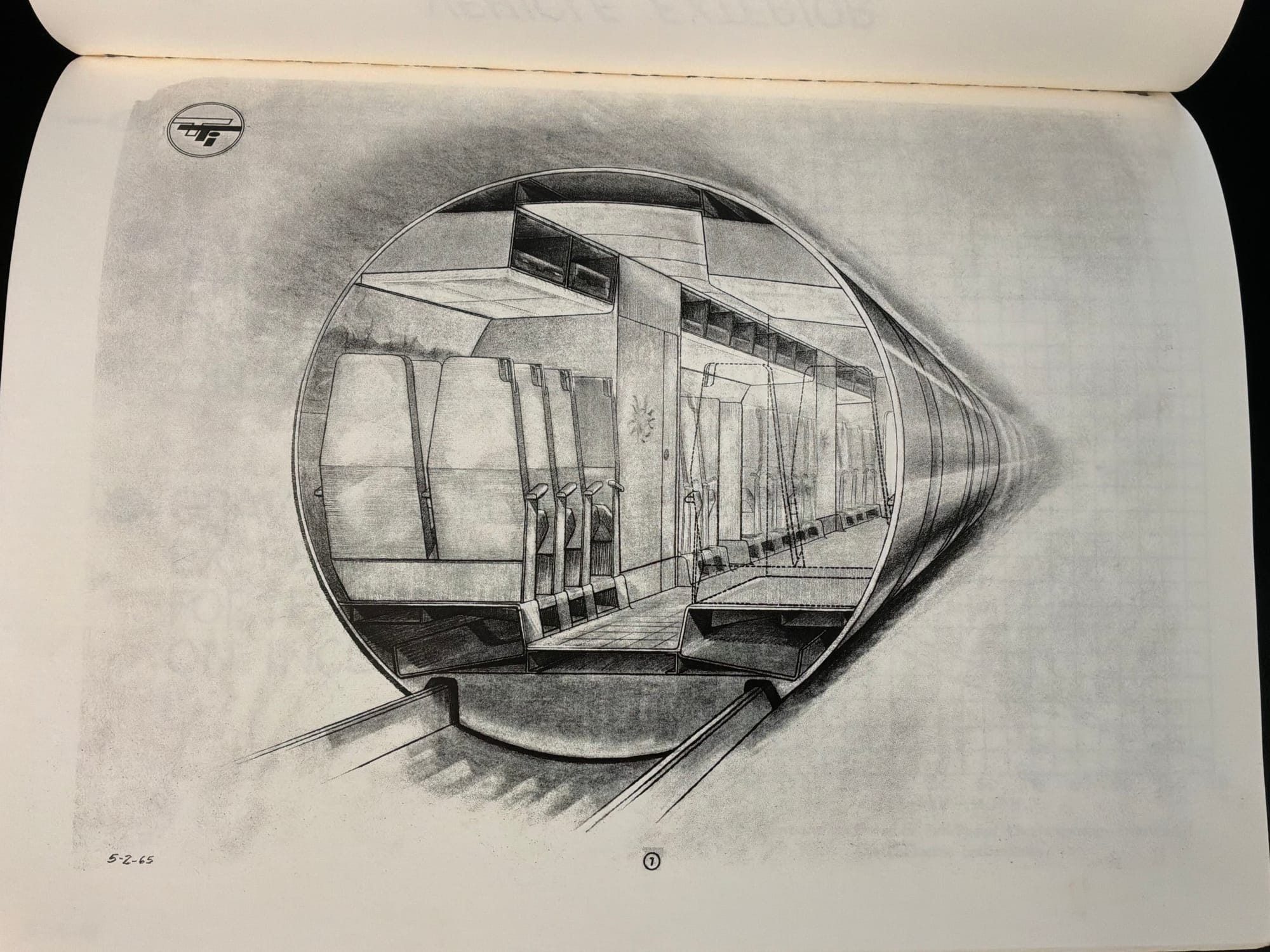
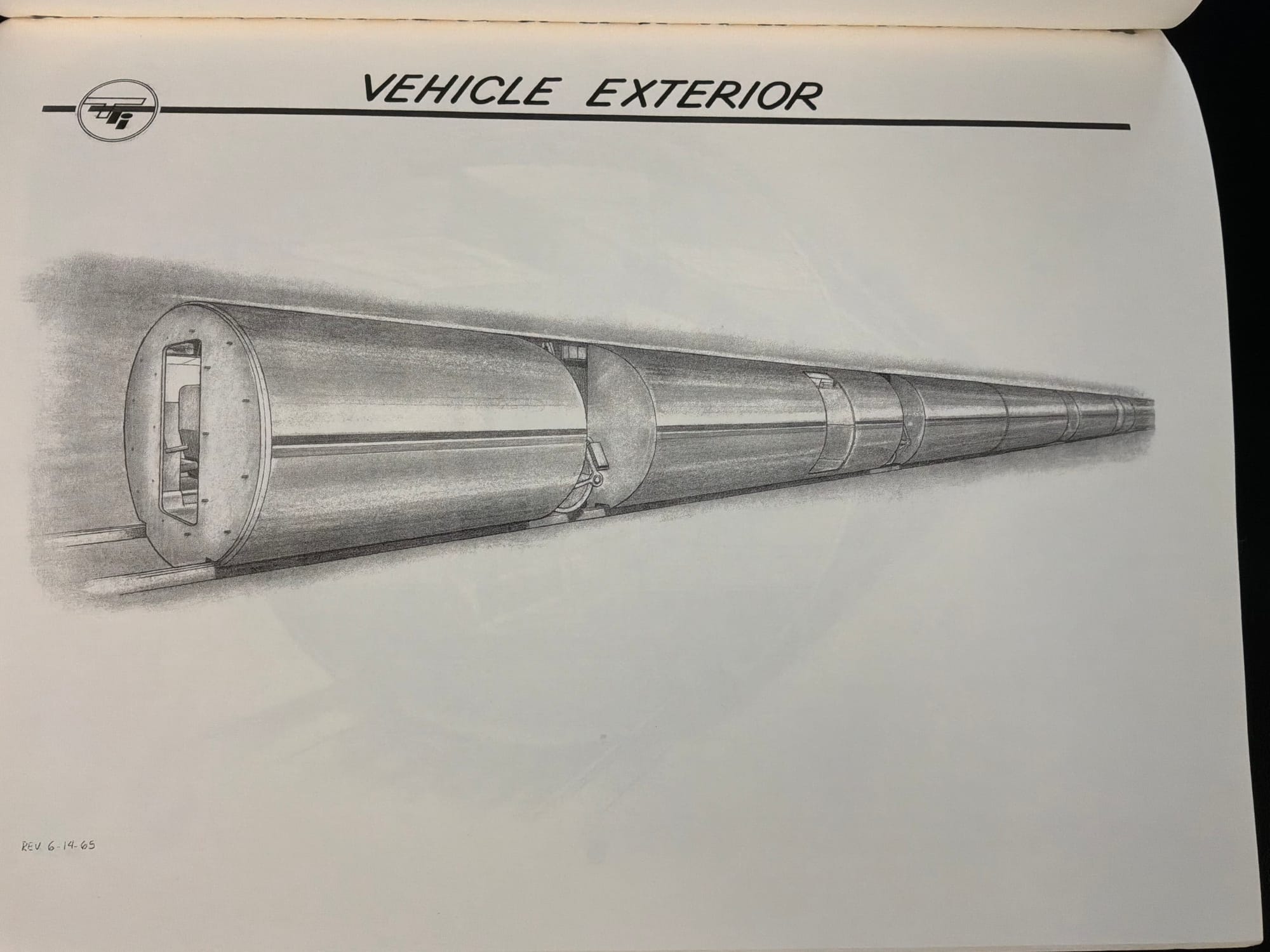
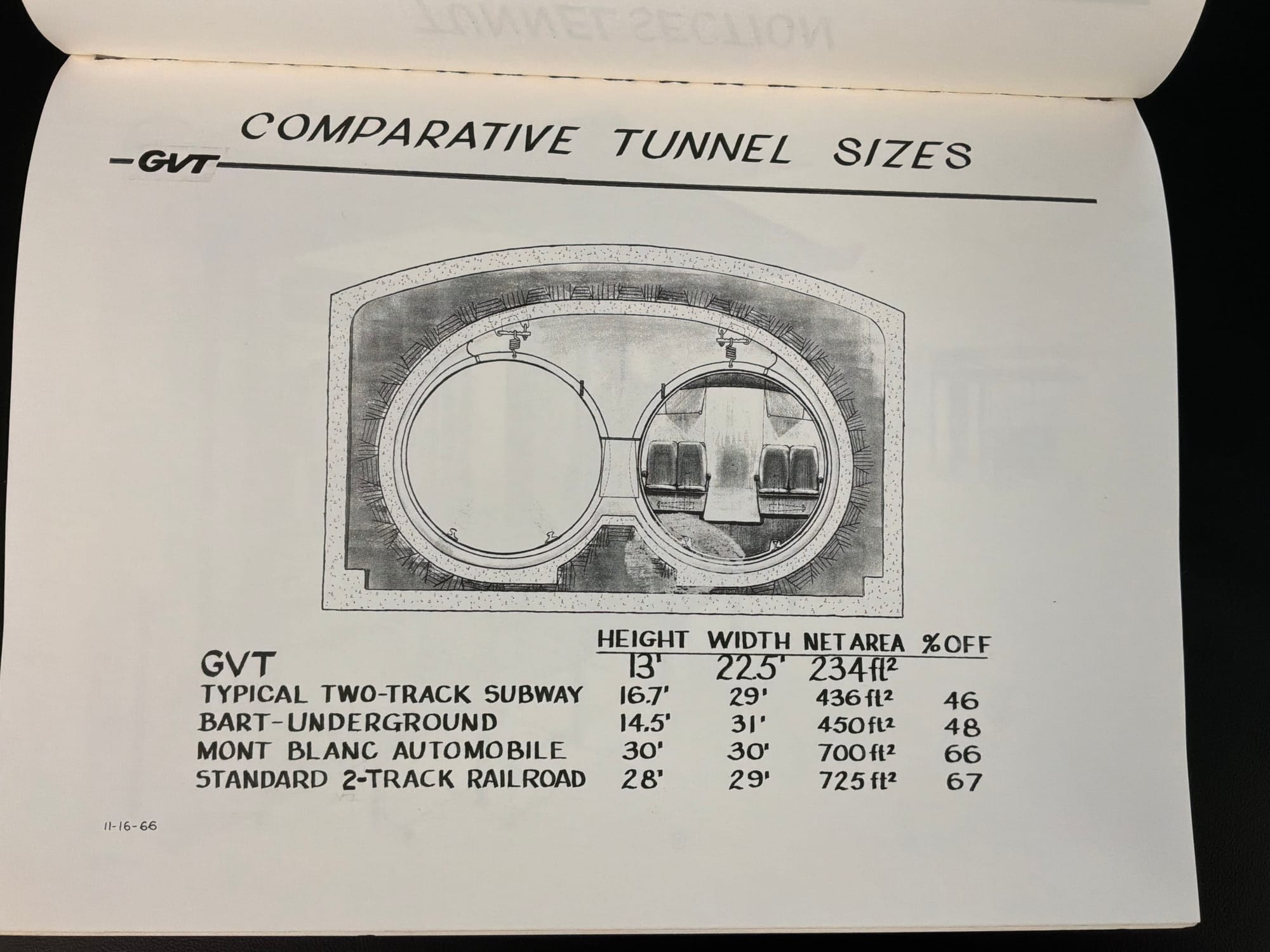
For example: In the 1960s and early 70s, Congress passed a series of bills that allocated billions of dollars to fund new public transit projects, and among the ideas that followed was an astonishing plan for the Bay Area. In 1967, a Lockheed engineer named L.K. Edwards proposed a sleek, high-speed “gravity-pneumatic” train system that would run alongside the nascent BART tunnels, propelled by the forces of vacuum and gravity.
He submitted this proposal to the federal government, and went so far as to incorporate a company, Tube Transit, Inc., to build the system, which would link Marin to San Jose. For a startup cost of $764 million, he estimated that he could build a fleet of pneumatic trains that would come every four minutes, whisking passengers from the North Bay to the South Bay in under an hour.


Illustrations from L.K. Edwards’ 1967 proposal for a high-speed gravity-vacuum transit (GVT) system that would link Marin to San Jose in just 48 minutes. (Photos by Annalee Newitz courtesy of UC Berkeley’s Institute for Transportation)
For anyone who has yearned to take BART to Marin, or would kill for a train that goes from San Francisco to San Jose every four minutes, this sounds like a bonkers fantasy. But the U.S. government was excited about the idea. At the library, Levine has a copy of Edwards’ proposal prefaced with a letter he sent to then-Senator Robert Kennedy, whose office in New York requested more information as it investigated whether to fund the project.
Unfortunately for pneumatic tube fans everywhere, the money didn’t come through. And by the end of the 1980s, most of that transit funding had been flushed away by the Reagan Administration.

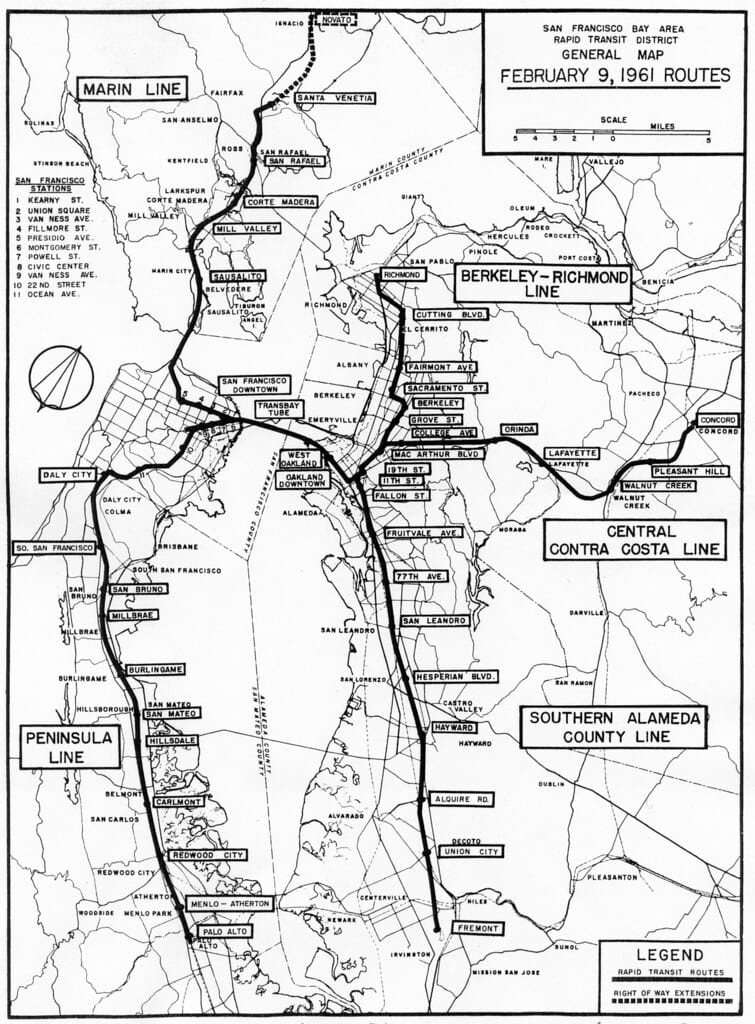
Still, the Bay Area has always been a hotbed of speculative transit futurism, some of which has actually come to fruition — at least partially. BART was originally conceived as a technological wonder that would run to Marin, use multiple tubes to cross the Bay, and have many more stops in the East Bay than there are today.
Levine shows me a 1969 study produced by California scholars on “new and novel systems of transportation.” It suggested a “pedestrian aid” composed of multi-person capsules on conveyor belts moving alongside sidewalks at 20 mph. There are also studies from that same era, she points out, that made accurate predictions. Scholars anticipated robotaxis, rideshares, and high-speed rail.

By contrast, with our current dearth of funding, contemporary transit researchers have what she calls “an austerity mindset.” In other words, transit experts are focused on how to make do with less, rather than what they would do with plenty.
“There was a time when California was really invested in reducing greenhouse gas and developing zero emission fleets, so there was a lot of research into moving people out of single occupancy vehicles,” says Levine. The results were studies on “people moving,” or mass transit. Today, however, most funding goes to studies of automobiles and traffic, prioritizing the needs of vehicles over people.

That’s partially because we need to understand how to cope with the rise in rideshare cars and autonomous vehicles. But mostly, it’s a political choice: Leaders are choosing to fund research about a future ruled by individuals in cars, rather than people in trains, buses, ferries … or something weirder, like conveyor belts.
So if we’re re-routing money from AI companies into transit, the first step will be to give millions of dollars to university researchers like the ones at the Institute for Transportation Studies. We’ll also need funding for local nonprofits that study public transit, such as SPUR and Livable City. As Levine points out, we can’t build better transit without evidence-based studies and plans to support it.
Lest this all sound like some kind of socialist fever dream, rest assured that improving public transit is squarely in line with capitalist goals, as well. A deep investment in transit research would ultimately accomplish what AI companies have, so far, been unable to materialize: genuine increases in productivity.
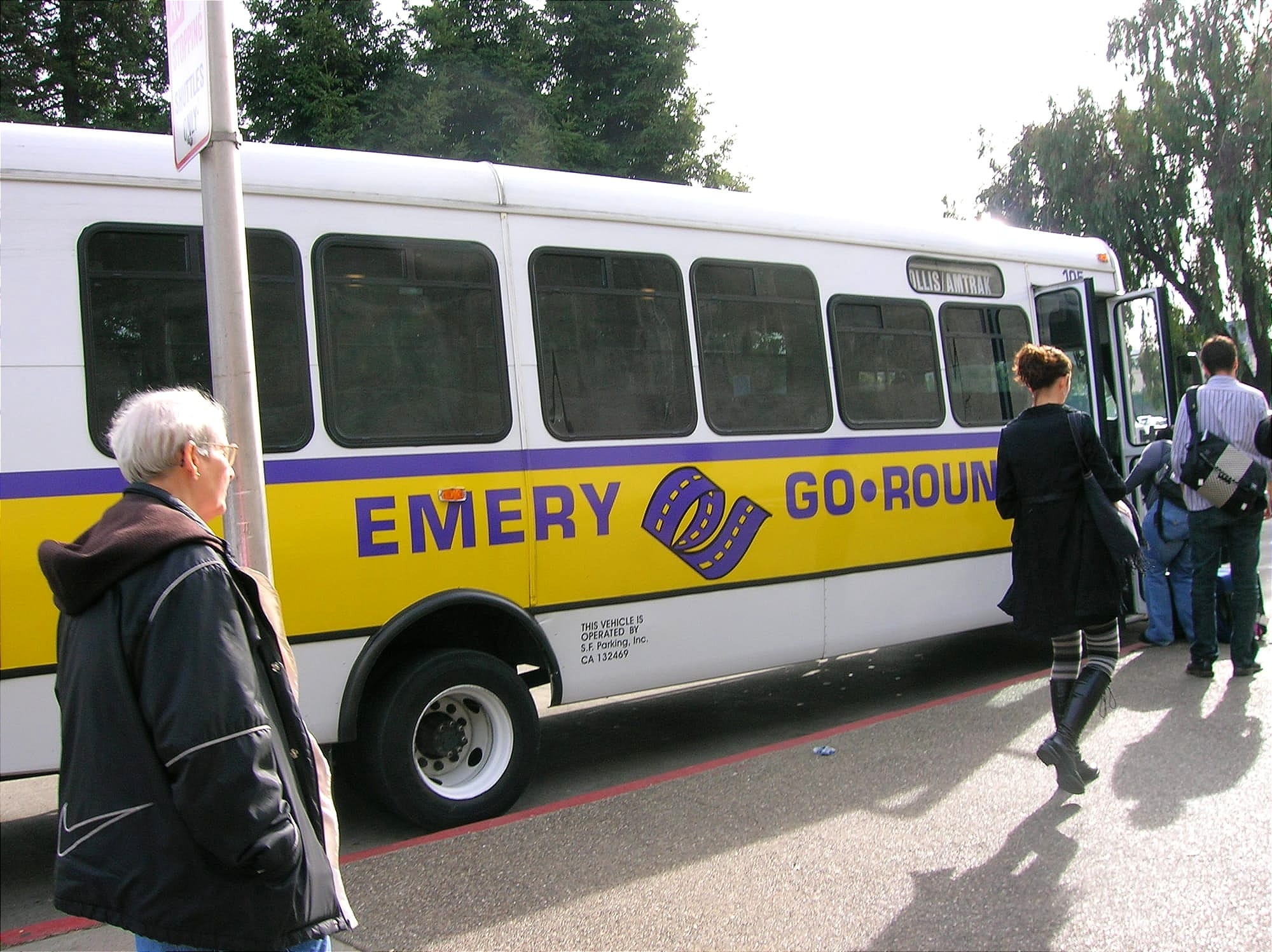
Despite corporate PR claims that AI is about to make us all more efficient workers, no LLM has ever catalyzed economic recovery in San Francisco’s Japantown the way Muni did. Nor has it ever revitalized a city the way the free Emery Go Round buses in Emeryville did.

“Studies show that time and economic productivity are wasted in auto traffic — for people and for goods,” says Tom Radulovich, former BART district director and current senior policy analyst at the San Francisco nonprofit Livable City. “If transit is robust, then I think we can get that productivity back.”
Tumlin, the former SFMTA director, agrees. “Reducing delay is like printing cash,” he says simply. And the best way to reduce delays? More routes, more often, throughout the day and night. Or, in transit research parlance, shorter headways (time between vehicles) and less dwell time (how long it takes to get on or off the vehicle). The answer isn’t just “buy more vehicles,” though that would be a good start. We want to make those vehicles safer and more efficient too.
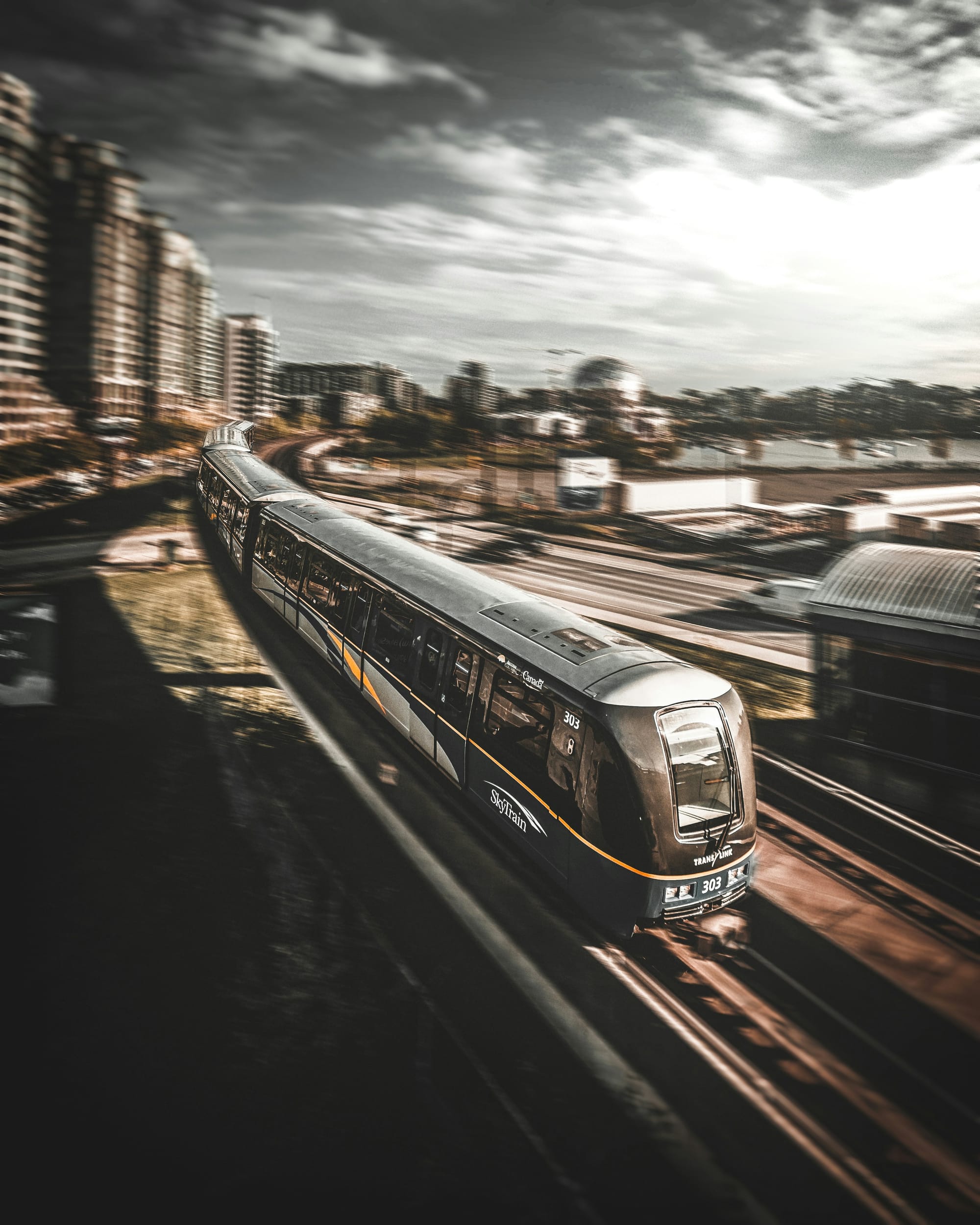
To do that, we’ll need to invest some of our billions into train automation, which already exists on BART. “It eliminates the marginal cost of adding frequency, and allows you to run trains closer together while keeping them safe,” Tumlin says. Automation is the secret to Vancouver’s magnificent SkyTrain system, which runs every few minutes.

Still, we don’t want to eliminate transit jobs, so the money we save on automation will go into paying for support services. We’ll hire more people to maintain our new vehicles, as well as station amenities like bathrooms and elevators. We’ll also hire human beings to work in customer service. Imagine service workers at train stops who are paid to help you navigate the transit system! (Such people are employed, to great success, by transit systems in Vancouver and Tokyo.)
With buses and ferries, which can’t be automated as easily as vehicles on tracks, the answer will be more routes, especially ones that service outlying neighborhoods and suburbs. There has long been a problem with lack of service for Black transit users and other marginalized groups in the Bay Area, and adding more routes would reduce harms caused by this systemic issue.
Additional routes could transform outlying regions of the Bay Area as well. “If you’re in Solano County or Stockton, you can’t tap into the San Francisco and South Bay economies. Your commute destroys the benefit,” says Tumlin. “With better transit, you can equalize economic and social opportunities. If you’re connected to the places where there is job and wage growth, then you can generate generational wealth and cut back on eviction.”
As the captains of industry might ask, what is our ROI, or return on investment?
“Nobody makes money on mobility itself,” Tumlin explains. “It unlocks other economic growth.” That growth comes from the land around transit, which becomes more valuable the more people can access it. That’s why early California industrialists like C.P. Huntington built street cars on their land before transferring it to local municipalities. This is a common pattern. AC Transit, for example, was once part of the privately-owned Key System, funded by Francis Marion Smith, millionaire inventor of Borax cleaner.


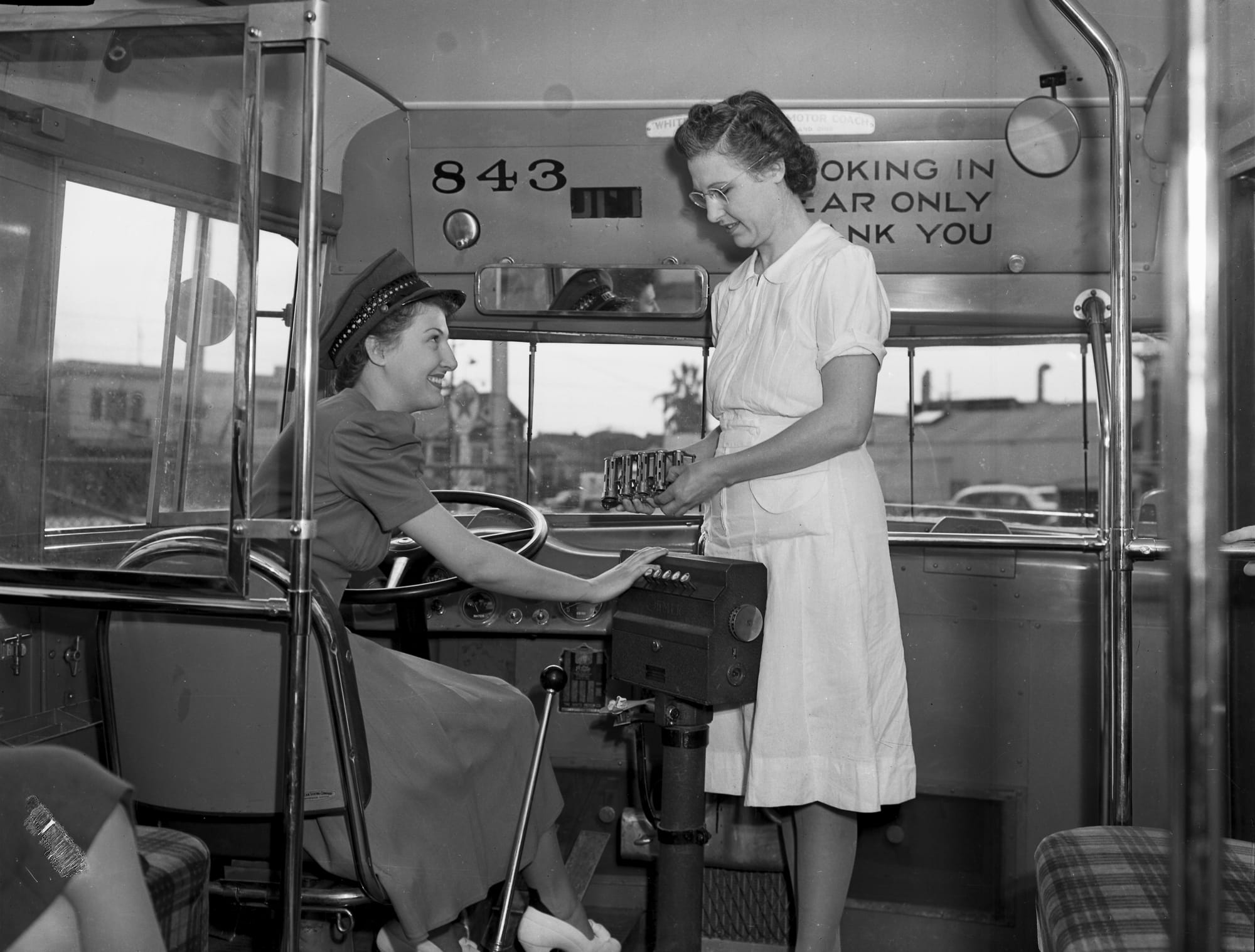
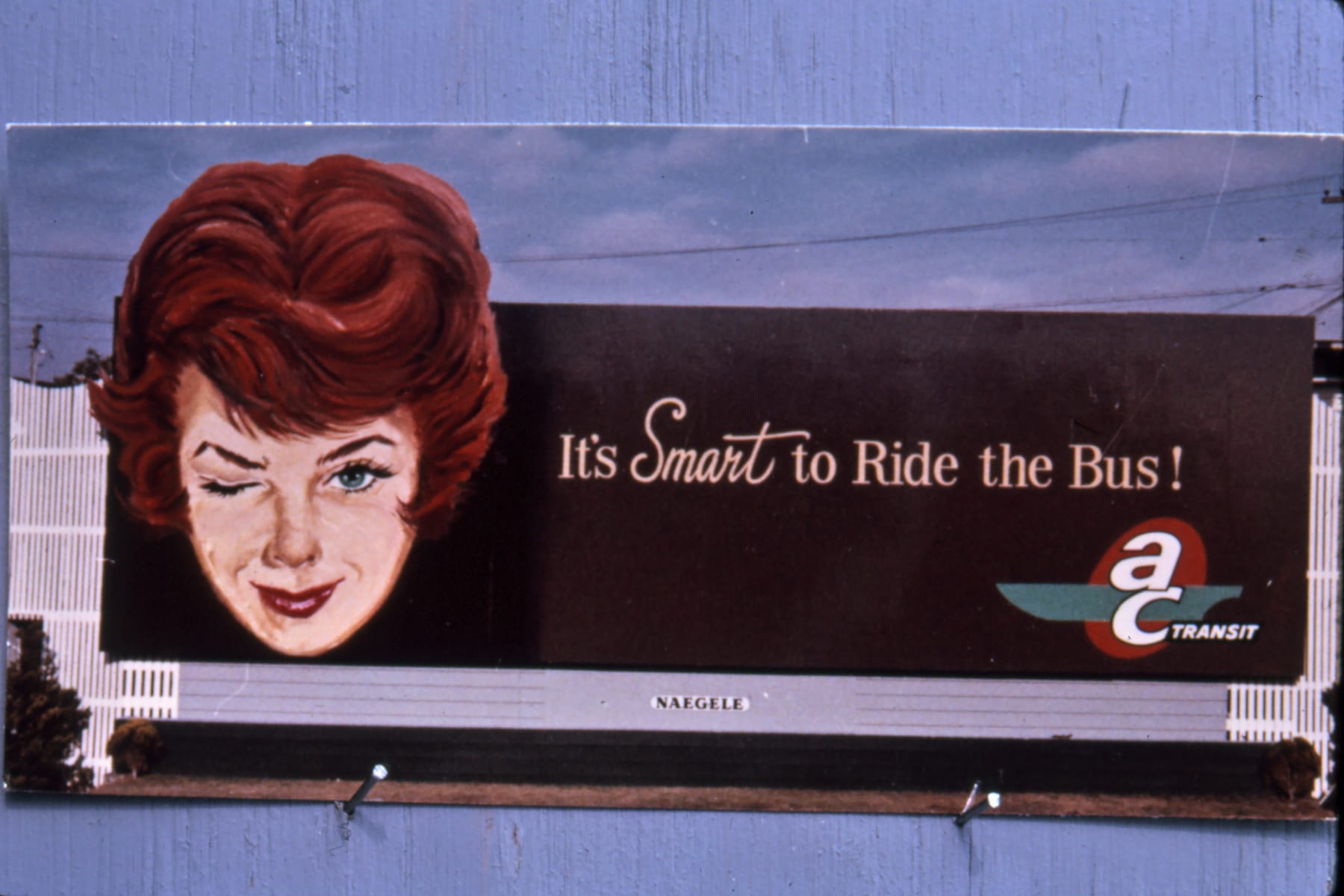
Left: All aboard an East Bay Key System bus. Right: A classic billboard for AC Transit. (Photos via AC Transit's incredible Flickr, date unknown)
Today, we want to create a virtuous cycle between the economic health of our transit and the regions around it. Already, we can see glimmers of how that might work. Emery Go Round, for example, is funded by the business improvement district.
In Montreal, transit’s biggest investor is the city’s privately managed pension fund. “They realized that [transit investment] would foster strong economic growth in Montreal, which would benefit the pension fund,” Tumlin says.
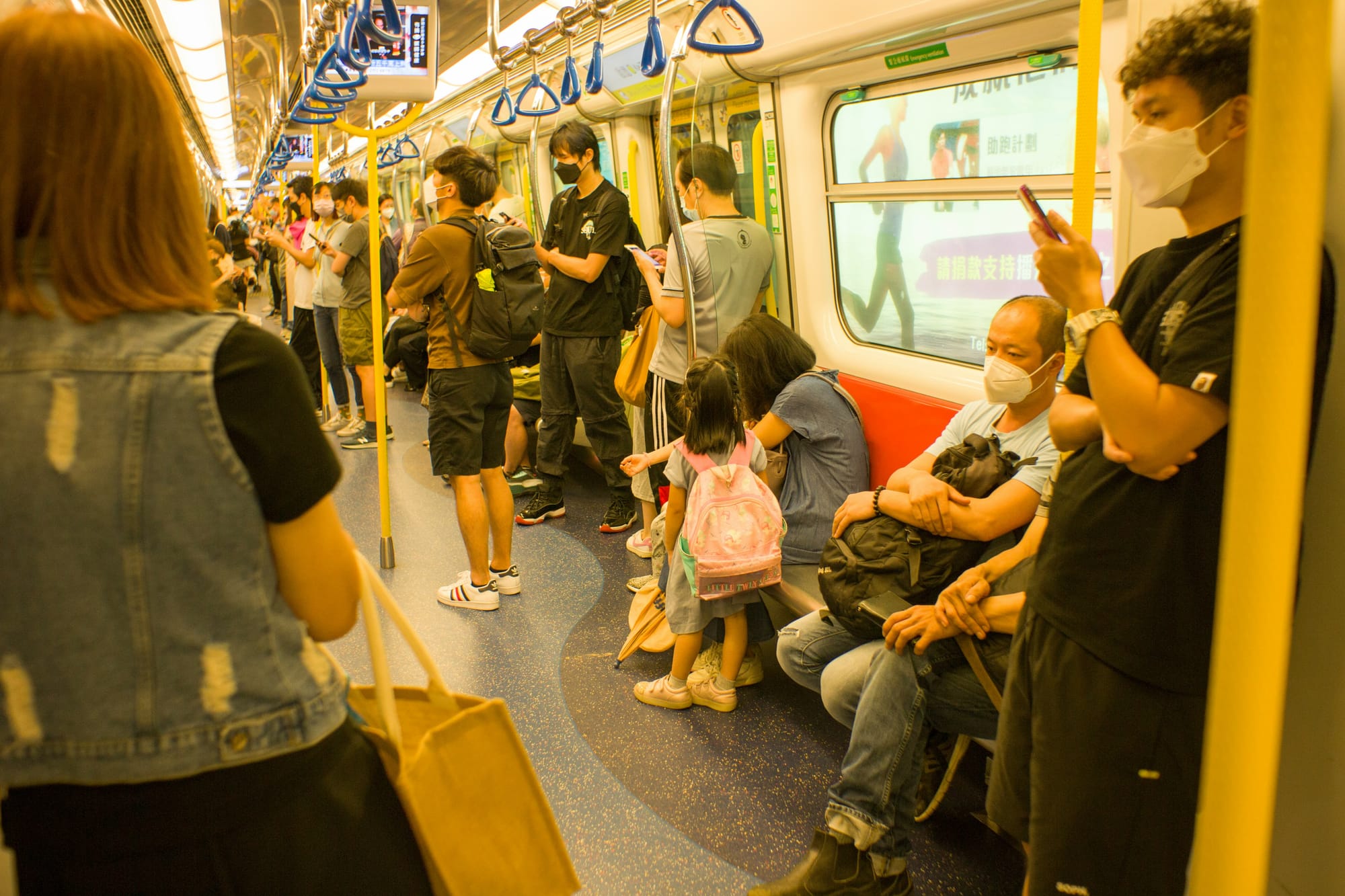
In Hong Kong, transit agencies own the real estate around transit stops for the same reason: What’s good for moving people around is good for the local economy. And the money earned from boosting local business can go right back into transit.

It’s a model that Radulovich finds fascinating. He told me that Tokyo has a similar system, where the private rail companies own land in suburban areas, “so transit is the loss leader from property investment.”
With billions of dollars, Radulovich says, we could eventually make transit completely free.
“We could buy the dead and dying shopping malls and strip retail within half a mile of BART and Caltrain, and build housing, shops, schools, and libraries. We could create a big public development corporation that would house the growing population on that land. There’s the land value capture: 100% goes to transit,” he explains. “It’s one-time money that turns into a way to sustain transit over time.”
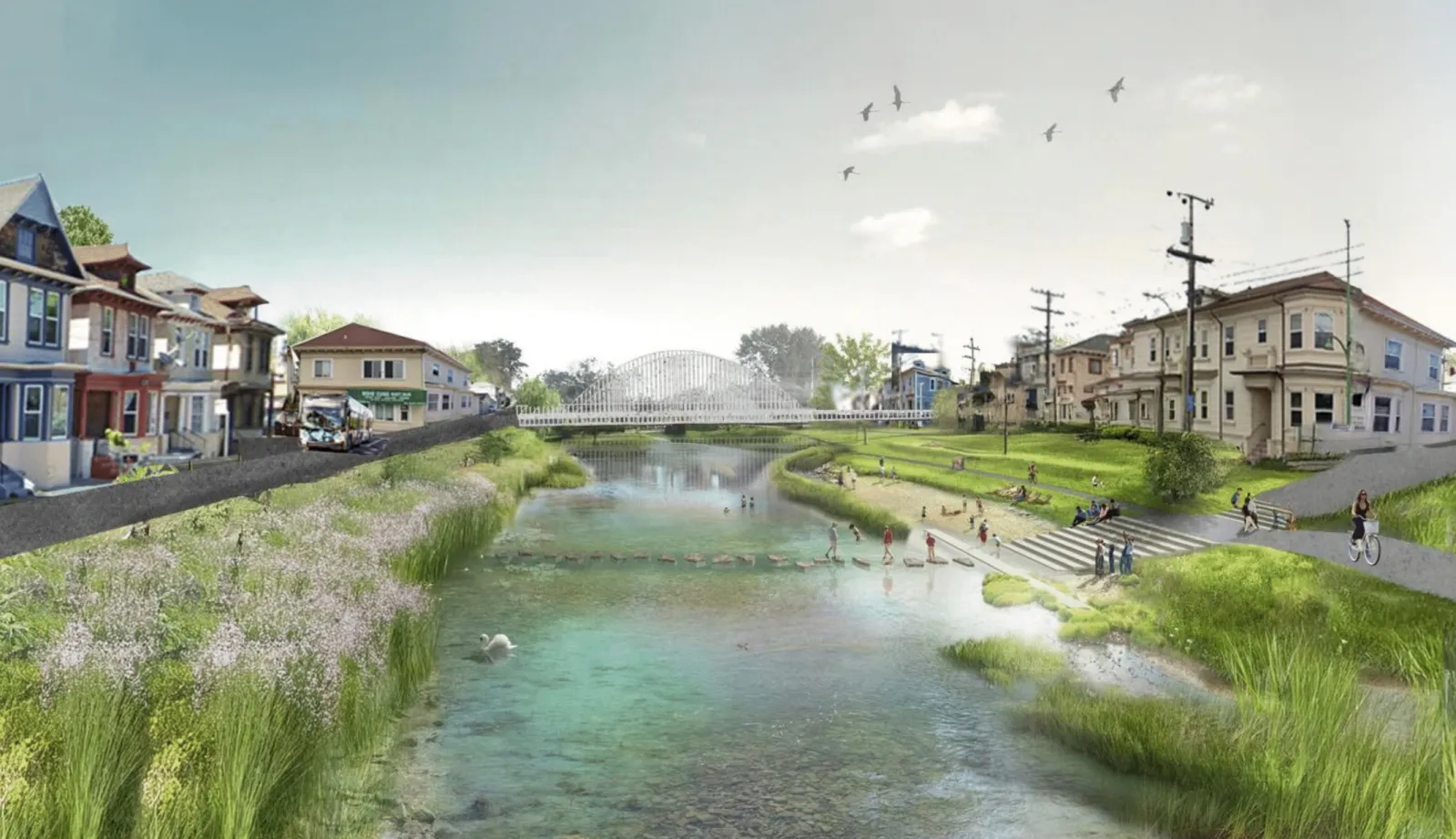
This isn’t pure fantasy: In the Bay Area, many people are dreaming of ways to make our neighborhoods more welcoming for transit — and humans. Earlier this year, design students at California College of the Arts created mockups of new Oakland parks, housing, and bridges around the long wished-for San Antonio BART station. Their designs have reportedly piqued the interest of land use planners.

Radulovich imagines how land investment around Bay Area transit would be like “undoing mall culture … going back to a future that looks more like the early 20th century.” He would “take auto superblocks and make human-scale blocks where buildings meet the street. Then narrow the streets. Recreate a fine-grained, diverse, walkable community.”
As Tumlin puts it, “Emergency medicine deals with the failures of transit policy. But in transit, we clean up the failures of bad housing policy.”
Such a radical reimagining of our communities would also be in line with land back policies. Caltrans recently returned some of the land it owned to a confederacy of tribes on the California coast. Transit and land use are part of the same system, and treating them otherwise is what reduces our productivity.
It also, frankly, reduces our freedom and pleasure.

Joe Wadlington, a San Francisco drag queen who performs under the name Jubilee, loves to take public transit to shows because of the feedback he gets from fellow riders.
“Seeing everyone smile and look at me is the best way to warm up,” says Wadlington, describing yet another interaction AI could never replicate. “I arrive feeling like I’ve already stepped on stage.”
A 2026 Muni survey found that 48% of people taking the transit system do so for leisure activities, proving we need transit for fun and festivity as much as we do for work. And it hardly takes a study to understand that Bay Area nightlife — live music, bars, restaurants — would benefit from more robust transit during nights and weekends.

“It’s one of the most affordable, accessible ways to experience the joy and beauty in every corner of the city,” says Kat Siegal, who helps run the long-running San Francisco storytelling event Muni Diaries. It’s no wonder, she says, that the transit system has inspired so much art, poetry, and design.
But Muni Diaries, where people share funny or meaningful tales from public transportation, also illustrates how transit is a third place in and of itself.
“It’s connection in an increasingly isolated world,” says Siegal. Transit provides “an experience we share intimately with total strangers we’d otherwise never cross paths with.”
A bet on public transportation, then, is really a bet on the potential of people. Our transit is our community. Other regions have proven what’s possible with investment in that idea. It’s time for the Bay Area to get on board.
Annalee Newitz is an award-winning Bay Area science journalist who also writes science fiction. They are the author of several books, including 'Automatic Noodle,' 'The Terraformers,' and 'Four Lost Cities: A Secret History of the Urban Age.'
View articles