An Oakland Record Label Aims to Highlight ‘Queer Imagination’
Names to Love You By, a new DIY imprint for experimental music, kicks off with a Sept. 25 show at Wyldflowr Arts.


Names to Love You By, a new DIY imprint for experimental music, kicks off with a Sept. 25 show at Wyldflowr Arts.

While the mayor boasts about Vogue World as a win for the local “creative community,” one thing’s never been more clear: A healthy art scene can’t depend on politicians or wealthy donors.

This week we've got piracy, several forms of trash, cake, Sappho, texting, and more.

The beloved owner of Rooky Ricardo’s Records died in July at 78. But the Haight St. shop’s new owners — and Vivian’s countless musical disciples — say his legacy lives on.


In 2007, when singer-songwriter and producer Nick Waterhouse returned to San Francisco after spending a year in London, one of his first stops was his old stomping grounds, Rooky Ricardo’s Records. Waterhouse had worked there for years, and wanted to say hi to his friend, the shop’s legendary owner, Dick Vivian.
But once there, he was greeted by another face. “I’m like, who’s this fucking bald guy?” This was how Waterhouse met Jon Blunck. The two became fast friends that summer, after Vivian handed them each $100 to paint the front of the shop. Perhaps this was a seed Vivian unknowingly planted. The pair will be taking over the beloved Lower Haight record shop following Vivian’s July 24 death from pancreatic cancer, just days shy of his 79th birthday.
On Rooky Ricardo’s and other social media posts about his passing, a flood of stories poured in about Vivian’s salty charm and his encyclopedic knowledge of soul and R&B. About a week later, on Sunday, Aug. 2, the shop at 429 Haight St. filled up with the in-person version, as Vivian’s friends and longtime patrons gathered to celebrate his birthday. Neighbors popped in and out. Vivian’s preferred Rombauer Chardonnay flowed, along with a special riff on a screwdriver cocktail that Vivian loved from longtime friend and Casements owner Gillian Fitzgerald. A tray of lumpia appeared, homemade by a regular’s mom.
A laptop placed atop a bin of LPs played a home video of young Vivian in the 1950s, dancing. “That’s what Dick loves,” says Blunck. “He loves to be the center of attention.” Girl-group harmonies swelled in the background as friends shared stories about Vivian and his impact. What might the future of this shop — a hub, a clubhouse, sacred ground for many — look like without him?
Richard “Dick” Vivian was born and raised in Walnut Creek, and became regionally famous, first, for his dancing: He was a regular on “Dance Party,” a local version of “Soul Train” that ran on KOFY TV 20. He honed his people skills working as a talkative, witty host and server in San Francisco restaurants.
Opening up a record shop wasn’t the original dream for Vivian; it was more of a solution. The soul music lover had bought the backstock of Discorama record shop in San Jose, where he lived briefly, and a friend suggested opening a small storefront to sell off what Vivian wasn’t keeping.
While checking out a space in the Lower Haight, a tricked-out Cadillac pulled up next to Vivian and asked if he was the guy from “Dance Party.” It vindicated Vivian’s local celebrity status, giving him a boost of confidence, and in December 1987, Rooky Ricardo’s Records was born.
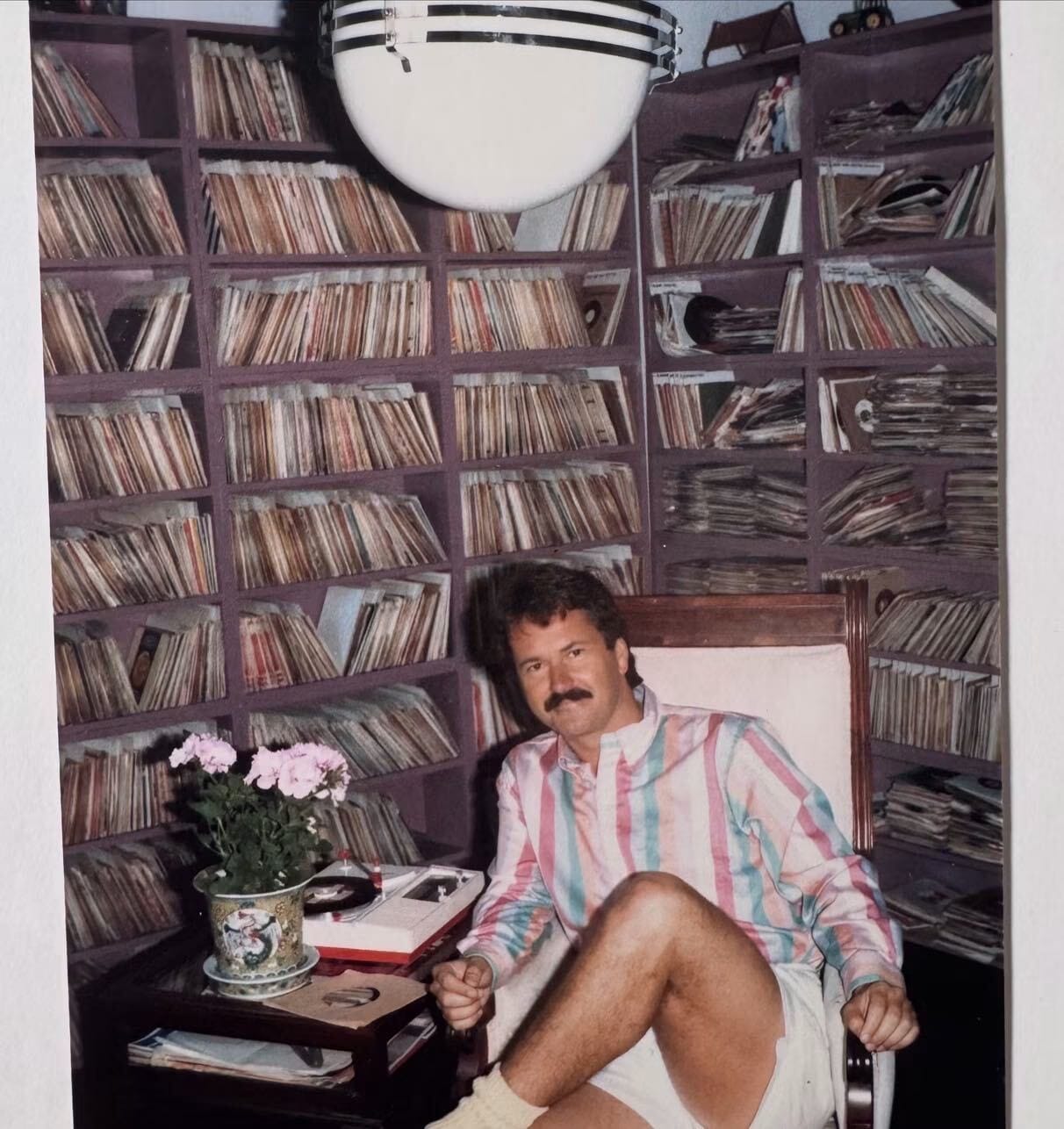
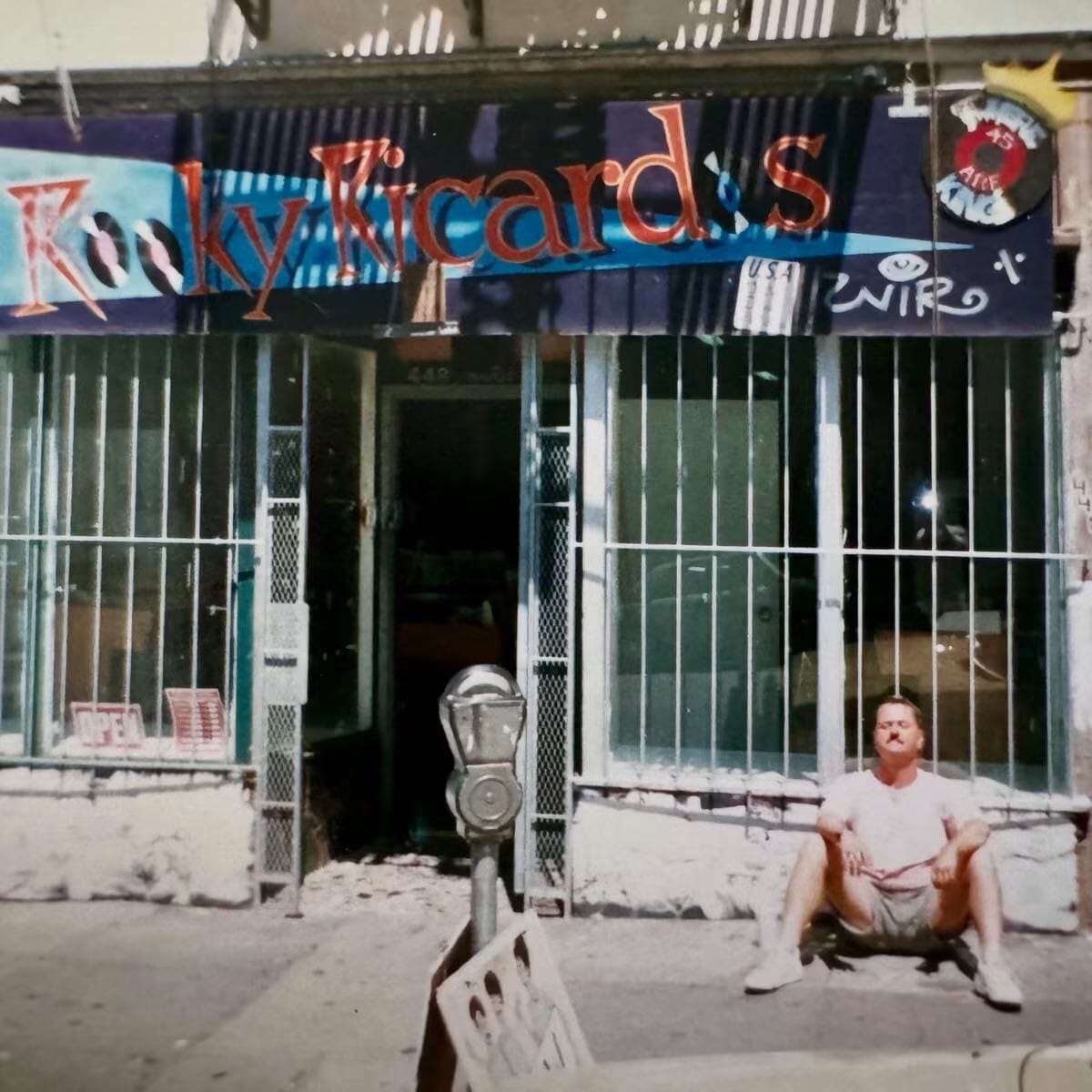
Dick Vivian in the '80s and early '90s. (Courtesy of Rooky Ricardo's on Facebook)
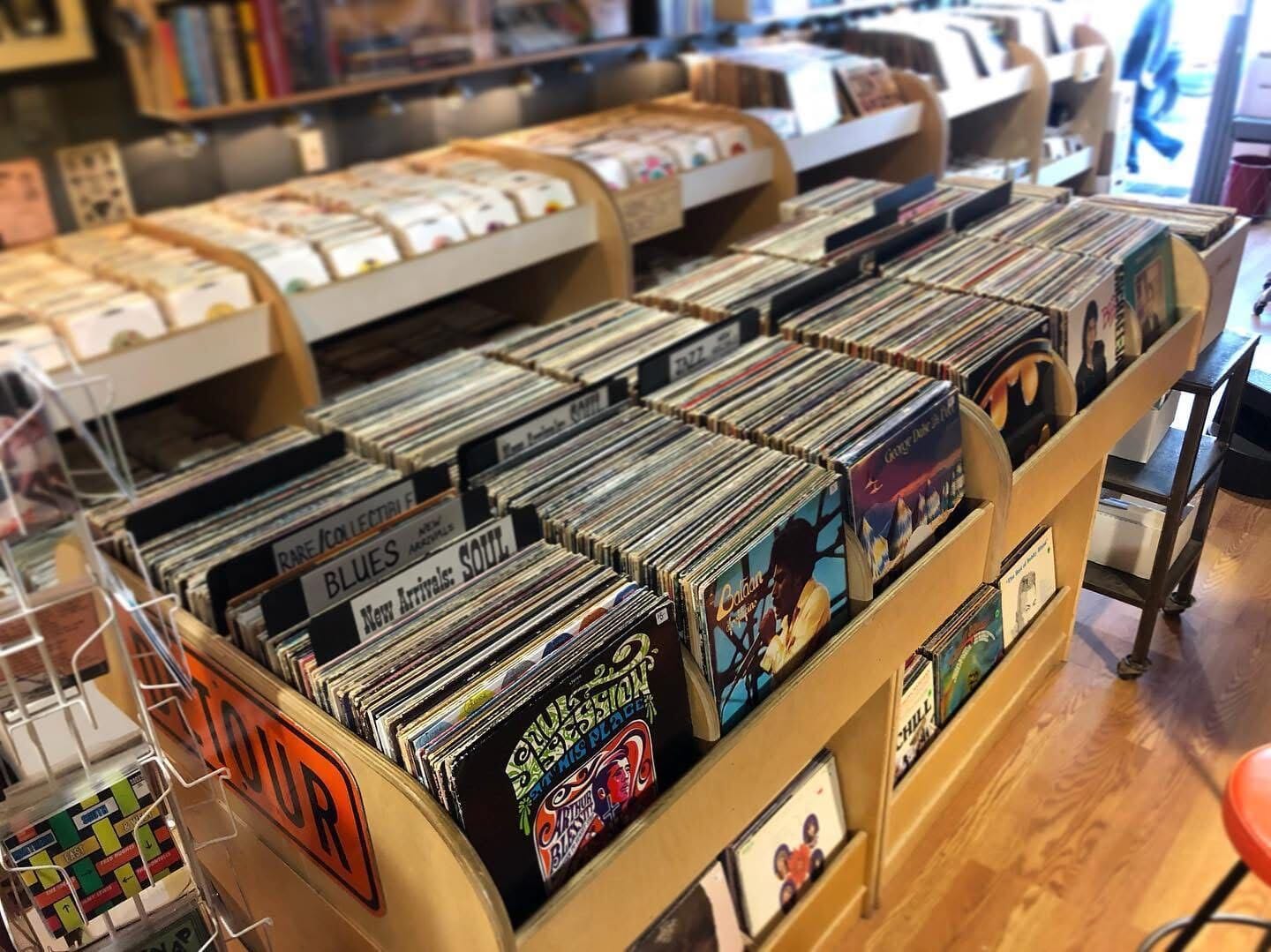
While the shop changed locations on Haight Street a couple times over the following decades due to rent changes, its role in the scene was a constant: The store was a home base for many DJs, who flock to Rooky’s for Vivian’s inventory of rare soul and R&B 45s. “We probably lost the world’s expert on girl groups,” says Blunck on a recent Friday afternoon at the shop.
When asked to describe a classic Dick Vivian track, Waterhouse breaks it down: “A female-driven narrative record in mid-tempo that has his favorite change that he could never understand, but was typically major to minor in a chorus.” (You’ll find tracks that embody the “Dick Vivian Sound,” as recommended by friends, throughout this story.)
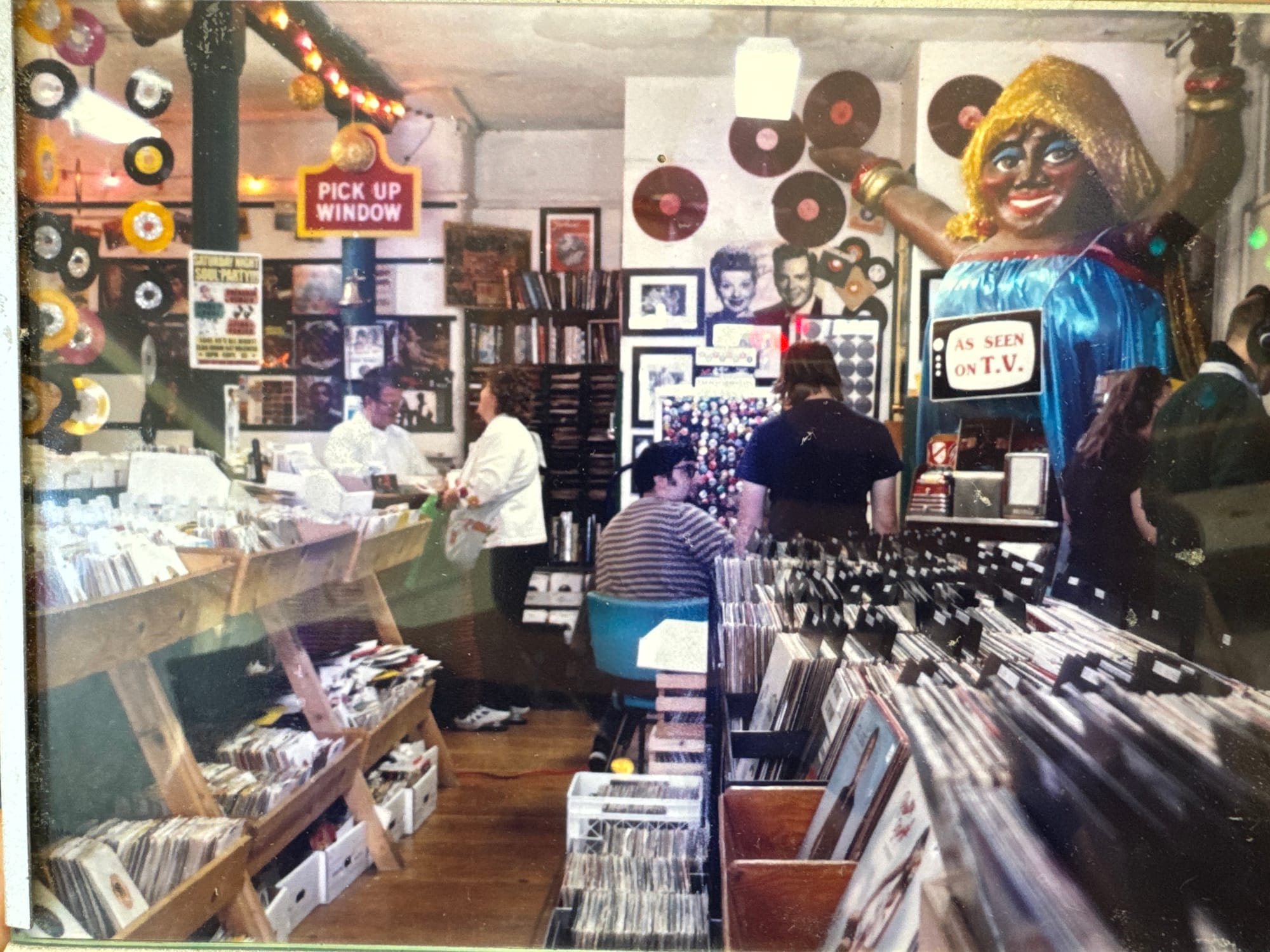
On his famous mixes, Vivian set out to monumentalize overlooked artists and producers. Occasionally, artists would call the shop to thank him for uplifting their work.
But those close to him say Vivian also used music to make the world he wanted to live in. “I can’t imagine how hard it would be to grow up as a gay kid in the ’50s,” says Blunck. “So he created his fantasy world and it turned into Rooky Ricardo’s Records, and he invited us all along.”
Lucky for Vivian, soul parties were all the rage in the aughts in San Francisco. “If you went out in San Francisco to any party that was cool during 2006 to 2020, then Dick probably had some kind of an effect on you,” says Primo Pitino, a longtime DJ in San Francisco, now based in New York. Pitino founded the long-running Oldies Night party at the Make Out Room. Then there was the 1964 party at Edinburgh Castle, which ran for 12 years until 2014, and Soul Party at the Elbo Room (both venues have since shuttered).
Hard French, on the other hand, has been going strong for almost two decades at El Rio. And Sweater Funk, a roving Boogie and 2-step party co-founded by Blunck, recently celebrated 18 years. Vivian once made a rare DJ appearance at Hard French, Blunck recalls: the DJ walked in to see “Nick and Dick” in pseudo matching outfits, complete with bow ties, with Waterhouse on the decks and Dick handing him records to play.
“They dropped the Sisters Love, ‘Give Me Your Love,’ and the place exploded,” Blunck remembers, as he places the exact record he’s referencing on the turntable. “It was one of the coolest Dicky DJ things I’d ever seen.”
Josh Cheon, the founder of Dark Entries Records, moved to San Francisco in 2006 and quickly became a regular at Rooky’s. Cheon grew up listening to soul 45s with his dad, who had passed away shortly after he relocated to the city.
“I was this young gay boy, and I think it was fun for [Vivian] to educate me on Dusty Springfield and early disco,” says Cheon of the shop owner. After Cheon co-founded the Honey Soundsystem DJ collective, he remembers running to Rooky’s to ask for Vivian’s help: Often he’d need to find records for an upcoming DJ gig at Hard French with a given theme (like songs with “honey” in the lyrics, or tracks from a John Waters film). “And like magic, he’d begin pulling out 45s.”
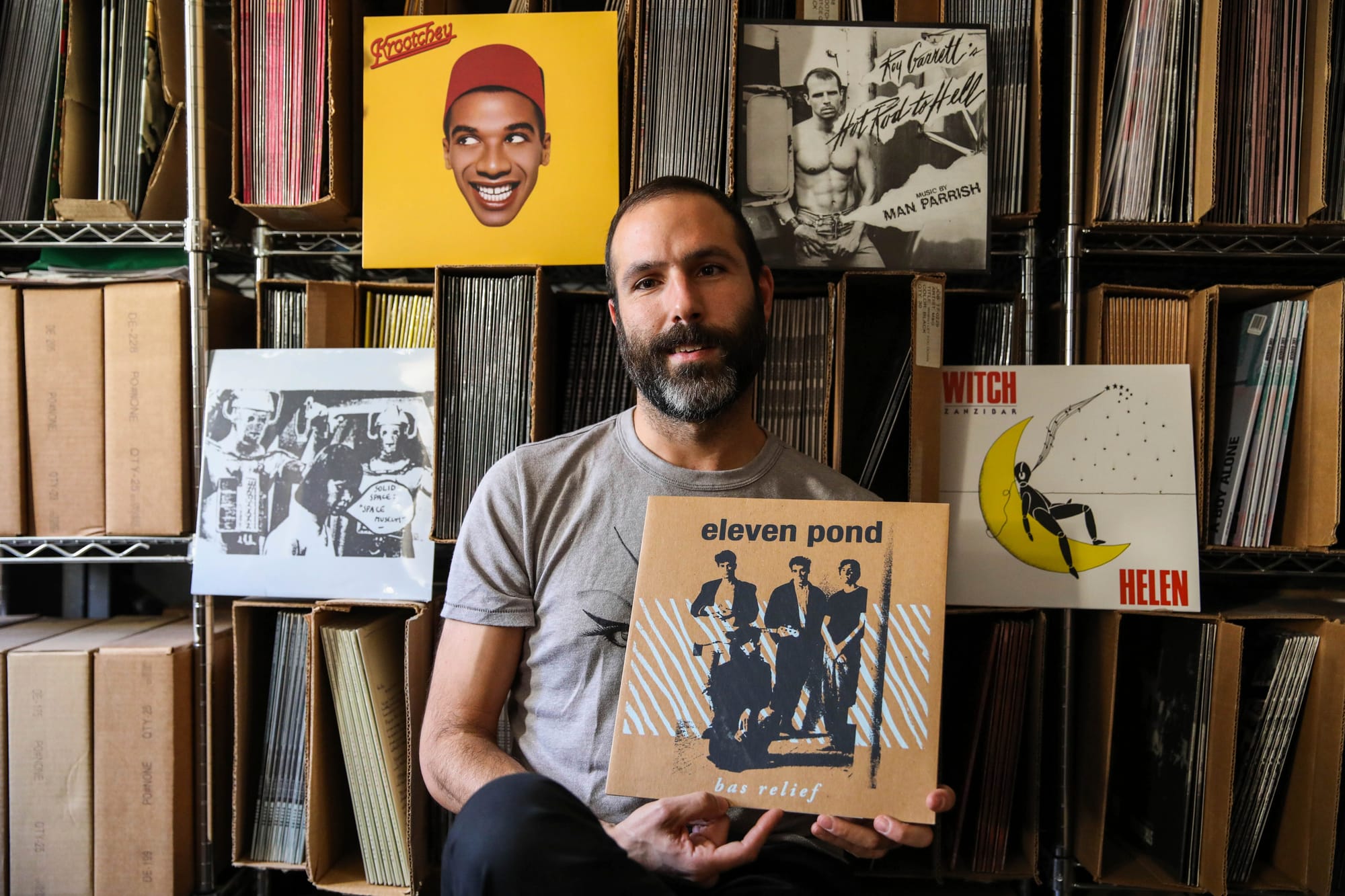
The shop’s selection of vinyl is top-tier, but it was Vivian’s gift for cultivating community that kept folks coming back. “He always had great dirty jokes, local gossip, and every day there'd be a couple characters coming in with a stack of 45s,” says Veltri, aka “Cool Chris,” who owns the nearby record shop Groove Merchant. He seemingly never tired of gabbing, either: He’d leave the shop at 5 p.m. to work a hosting shift at the Elite Cafe on Fillmore Street, where he remained a customer favorite until he left in his mid-60s.
It’s no wonder Rooky’s was a third space for many, often acting as an unintentional incubator for local businesses. When Blunck’s party Sweater Funk got kicked out of its original location in Chinatown, they moved to the Knockout, whose owner was a regular at Rooky’s. When Glass Key Photo founder Matt Osborne was laid off from his job in 2008, Dick let him sell pins, repair turntables, and ultimately gave him space for a little pop-up shop in Rooky’s, with a fridge for 35mm film. (Glass Key eventually opened its own space on the same block in Lower Haight, before moving to Lower Nob Hill in 2017.) Groove Merchant Records and the founders of Ubiquity Records began selling records at Rooky’s in the early ‘90s before opening up their own space down the street in 1994.
Another common thread in stories about Dick: He could guide you to a record that just might change your life.
“He’d always ask, ‘What are you looking for?’” says Eric Boss, a music producer who was touring DJ for Blackalicious and a member of groups like Myron & E. He lived around the corner from Rooky’s in the ‘90s, and spent almost every day at the shop, he says, to offset the lack of space in this apartment
Waterhouse, who moved back to the Bay Area from Los Angeles last year to help take care of Vivian during his illness, credits much of his music career to his time working at Rooky’s. “If there’s no Dick, there’s no me,” he says, sitting at the yellow card table in the shop window (Dick’s usual spot), dressed in a dapper white linen suit.
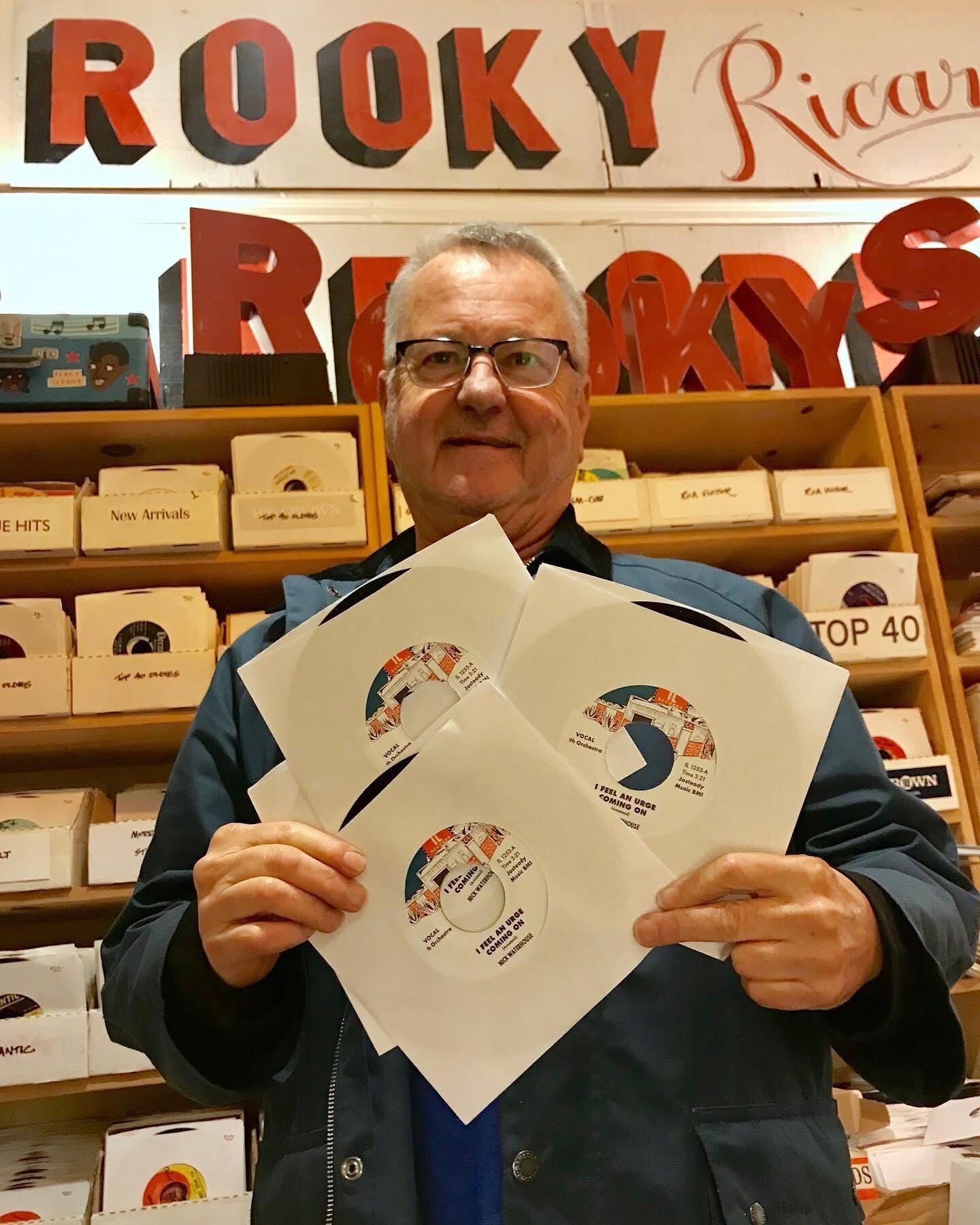
A Grammy-winning producer, Waterhouse has worked with artists including Lana Del Rey, Jon Baptiste, and Leon Bridges.
It all leads back to Vivian, Waterhouse says: It was while he was on shift at the shop around 2010 that Waterhouse, who grew up immersed in music but hadn’t produced any, read about the surprisingly quick process of pressing 45s — then decided to press his own. Fans began coming into the shop for his record and asking when he was performing.
“From the other side of the counter someone was like, ‘Well I play bari-sax,’” says Waterhouse, who soon pieced together a ’60s-style soul group from musicians who hung out at the shop, complete with girl-group backup singers, often using the space to practice after hours. “It was this homegrown thing.” This must’ve been a dream come true for Dick, who at one point wanted to be a record producer.
“I learned a lot about faith from him,” says Waterhouse. “Psychotic optimism.”
That optimism is what’s driving Waterhouse and Blunck now, as they prepare for Rooky Ricardo’s 2.0. The pair are friendly with the building owner, and feel good about the business’ future. They say to expect more merch like the infamous “Dick Bag” totes, T-shirts, mixes, and an end-of-year party to celebrate “The Viv.” But beyond that, they hope to deliver more of the usual at Rooky’s.
“In a time where people will order a bagel and cream cheese and have it delivered to their house instead of walking three blocks to their local coffee shop, you slowly start to lose these really unique hubs, which is what Dick’s shop was,” says Veltri. “Thankfully it’s in Jon and Nicky’s hands now, which there couldn't be a better pair to pass a torch to.”
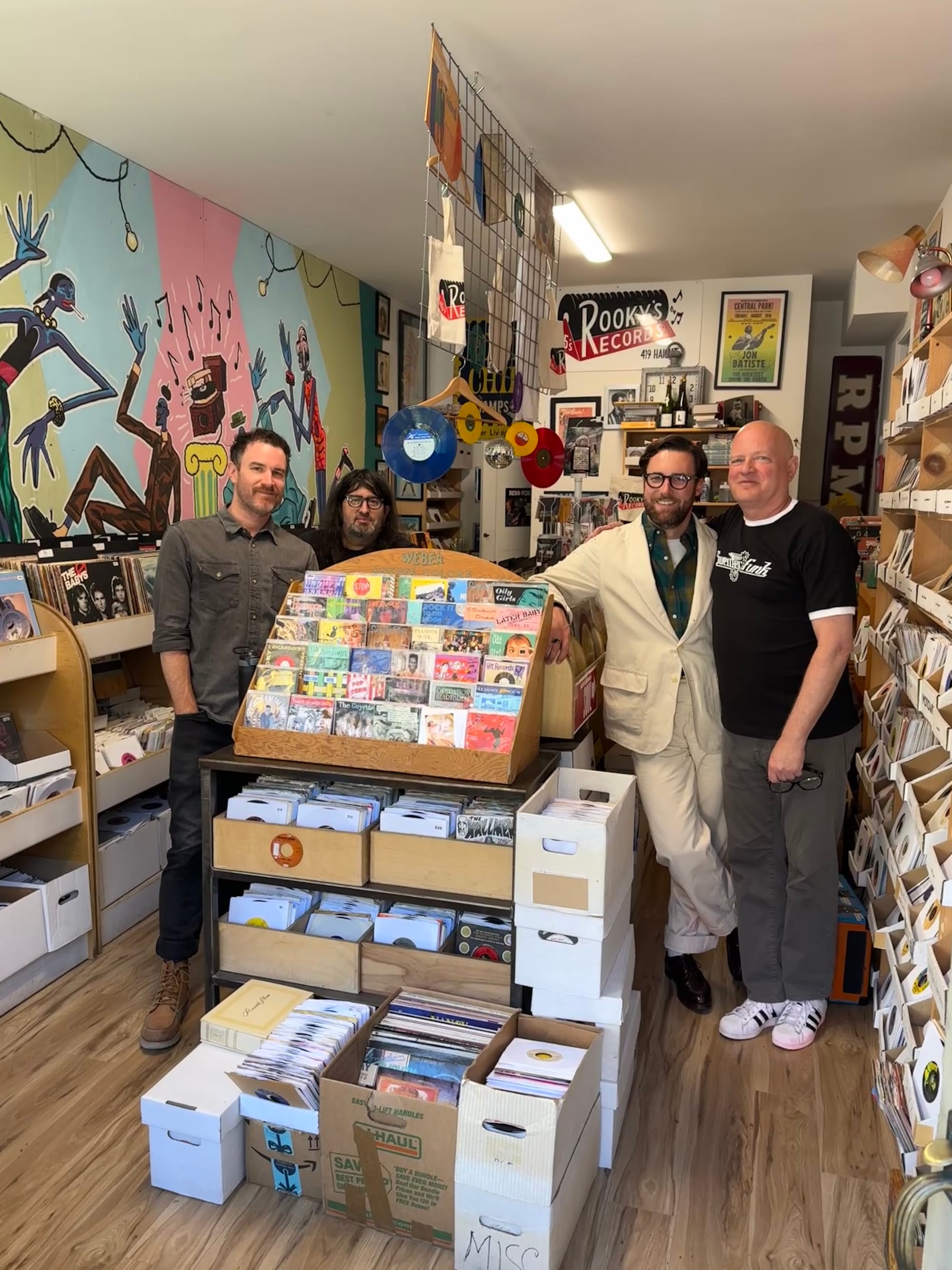
San Francisco’s music scene has changed significantly since Vivian first opened Rooky’s in 1987; indie venues are struggling, and the city no longer overflows with weeknight soul dance parties. But the shop’s new owners know that so many people here still want — no, need — what Rooky’s provided.
Waterhouse and Blunck hope to do Vivian’s legacy justice by maintaining the store as a community hub, and by making deep-cut recommendations. He’s a tougher act to follow, they acknowledge, when it comes to charm.
“We’re essentially apostles. We’d rather you hear Garnet Mims and Freddie Scott than come in for your tenth Otis Redding release,” says Waterhouse, adding that the pair are “simply perpetuating what we’ve learned.”
“We can get better at insulting people if we need to.”