COYOTE First Aid Kit: What to Do if You Find Feral Kittens
It’s baby cat season in the Bay Area! Here’s our guide on what to do if you encounter a litter of purrfect miniature panthers in your yard.


It’s baby cat season in the Bay Area! Here’s our guide on what to do if you encounter a litter of purrfect miniature panthers in your yard.

Once, they were kids walking the hallways of Oakland School for the Arts. Now they're at the Grammys, publishing bestsellers, and performing at the SF Ballet.

It’s baby cat season in the Bay Area! Here’s our guide on what to do if you encounter a litter of purrfect miniature panthers in your yard.

Spring is that beautiful time of year when wildflowers bloom, butterflies emerge from their chrysalises, and feral cats everywhere start having lots and lots of sex. March is the beginning of kitten season, and in the Bay Area, which has a huge feral cat population, that means you may find piles of furry, mewling baby cats under your porch, in the garage, behind a shed, and just about anywhere a mama decides is a good spot to birth her litter.
With their big ears, huge eyes, and squeaky little meows, kittens are impossibly cute. It may seem like the best move, if you encounter a pile of these babies in your garden, to swoop up the little sweeties, wrap them in a fluffy towel, and take them to a shelter so someone can help them find their purrfect forever homes.
NO!!! DO NOT KIT-NAP THOSE KITTENS!
Some context: If you find a litter of kittens in the Bay Area, it’s one of thousands that are born in the region each year. Cats are prolific megabreeders; they can get pregnant as early as four months old (yikes), can have up to three litters per year (omg), with as many as eight kittens in each (!!), who then will grow up, and at four months old could get pregnant… and on and on. One cat can have up to 100 kittens in their lifetime. What a stunning evolutionary commitment to the continuation of a species. Utah could never.
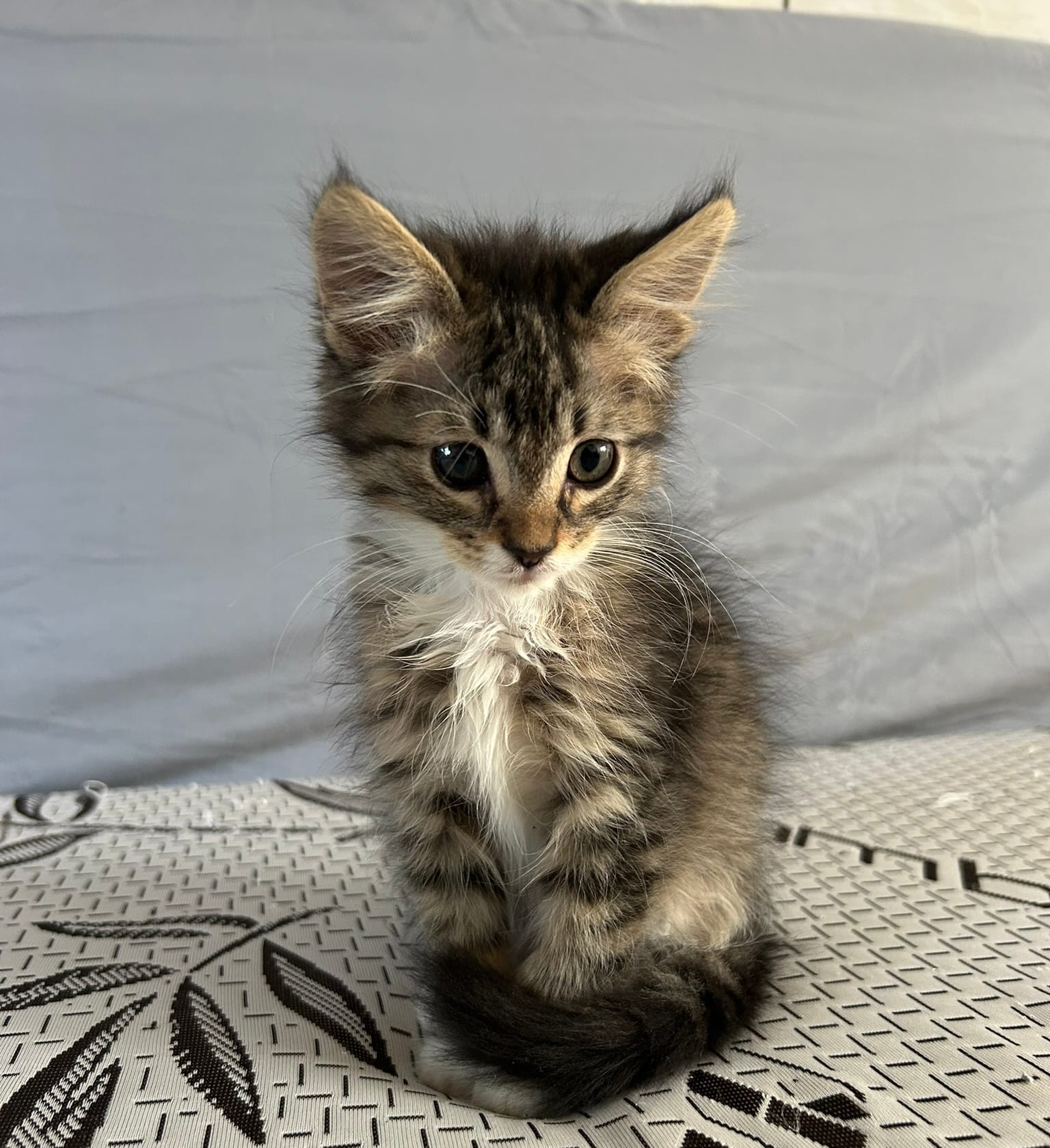

Some of the author's foster kittens over the past couple years. Left: Plum. Right: Little Bat. (Courtesy Nuala Bishari)
In the Bay Area, we have a massive feral cat population, and it’s only growing. Cats took over the Oakland Coliseum. Wild felines are terrorizing a mobile home park in Fremont. They’re absolutely everywhere, and as a result, the region’s shelters are completely overloaded.
It’s cute, until it’s not. Oakland Animal Services receives upwards of 200 kittens a month during the summer; so heavy is the load that they recently tightened their cat intake policy and expanded their criteria for euthanasia. The more kittens they get in, the fewer spots they have for adult cats, and then tough decisions have to be made.
So, before you place those little kitties in a cardboard box and whisk them off to the shelter, take a beat and consider the following:
Are their eyes still closed? Are they nursing? Leave them be! San Francisco Animal Care and Control has this great guide on how to determine the age of a kitten. They strongly recommend leaving kittens with their mama until they are weaned. The best age to bring kittens to a shelter is 6-8 weeks, when they’re no longer reliant on their mother’s milk, are playful, ready to be socialized, and prepared for adoption.

If you’ve seen a cat visiting the kittens intermittently, chances are she’s the mom, and is keeping an eye on her babies. Kittens who are clean, fluffy, and have round bellies are likely still being cared for. Sometimes she’ll leave them alone for several hours, especially if people are too close, so don’t immediately assume they’ve been abandoned. Wait a few hours and see if she comes back. If she’s around, leave them alone. If the kittens are dirty, thin, or wet, and you haven’t seen a mother cat, they could be on their own. If this is the case, it’s time to intervene.
Feral kittens often contract upper respiratory infections, which cause sneezing (so cute, so sad), crusted eyes, and runny noses. If the kittens you find are obviously ill, take them to the veterinarian or a shelter, but be cautious if you have other pets at home. Serious illnesses like panleukopenia are highly contagious, so keep any other animals you have separate from the kittens, and make sure you wash your hands and any blankets you use to prevent cross contamination.
Kittens are most adoptable at their cutest and smallest: around eight weeks of age is ideal. If you have kittens that have grown into young cats, you’ll be faced with a different situation. Adult cats are more at risk of euthanasia at overcrowded shelters, particularly if they’re not socialized, which means “rescuing” them by bringing them to one might not end happily ever after. If the feral cats are healthy, it’s best to leave them outdoors. Look for a Trap, Neuter, Release program in your area that can help you get them fixed, so you don’t have 20 times as many cats in your yard by next summer.
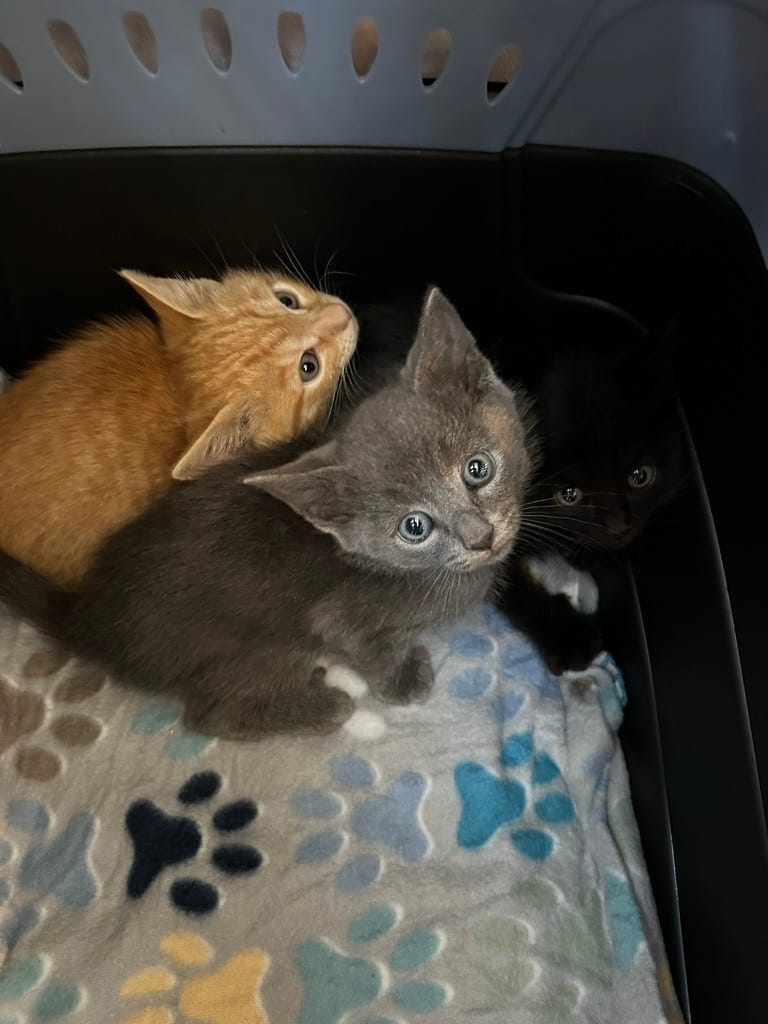
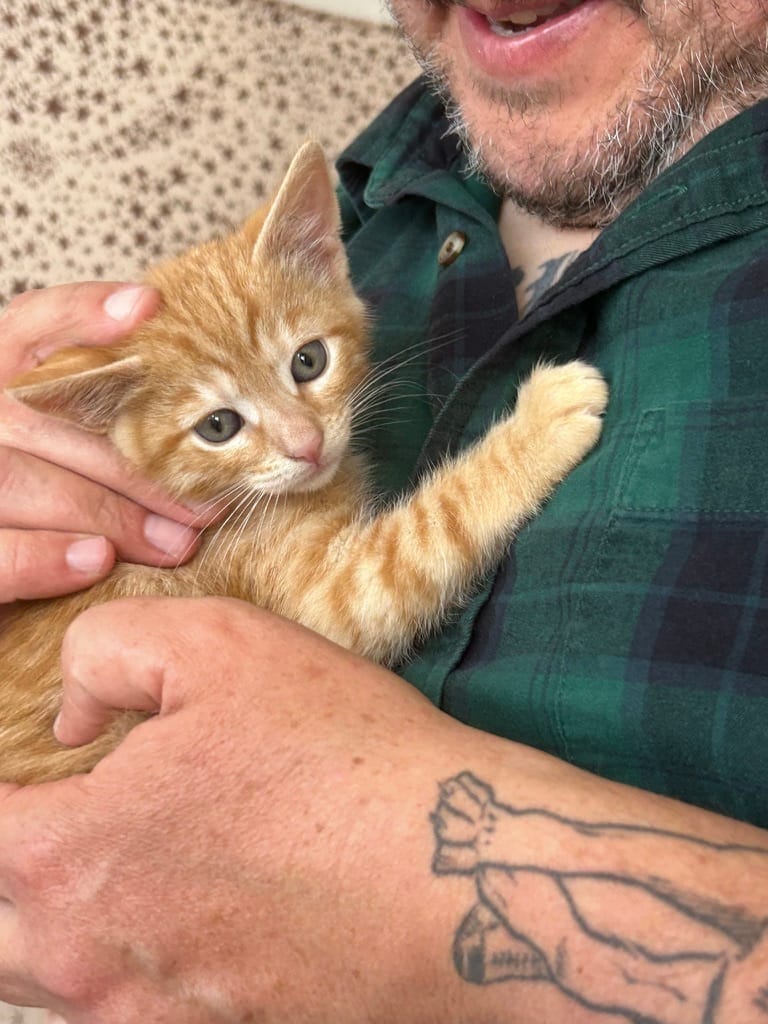
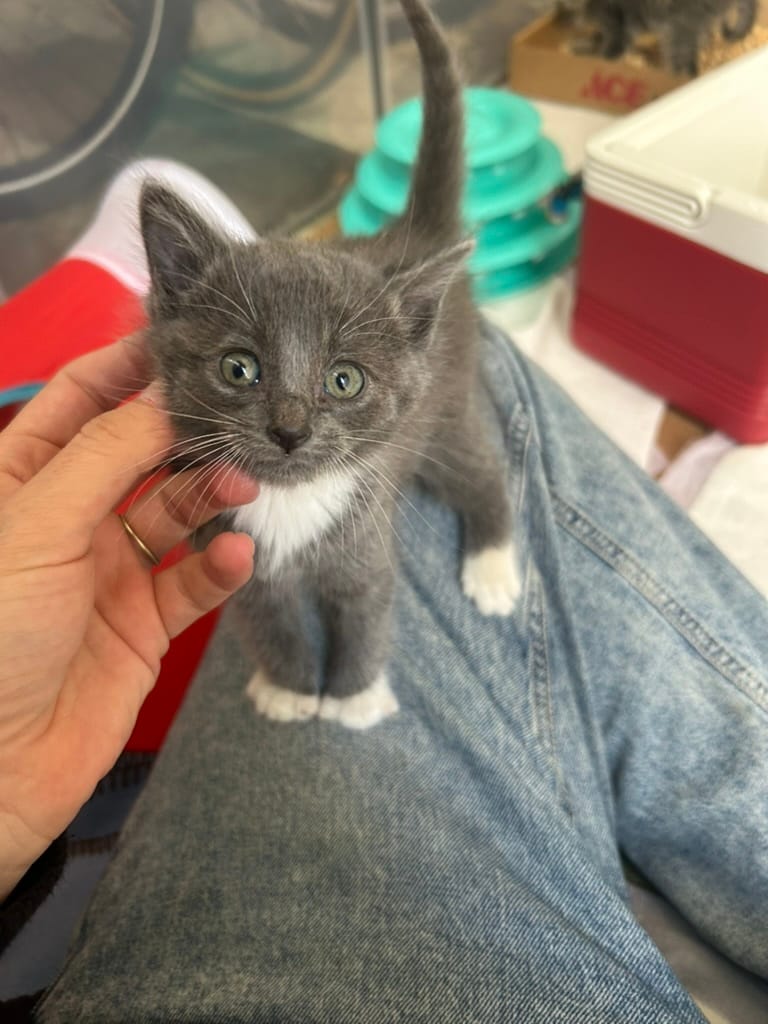
More real-life foster buddies living their best lives in Oakland. L to R: Bear, Wolfie, and Little Bat; Bear; and Wizard Mittens.
City shelter systems are overloaded, understaffed, and underfunded. Bringing a boxful of kittens to their door means that significant resources will be expended to help them; they’ll receive vet checkups, medication, vaccines, food, and hopefully a foster home. But every litter that’s kept out of shelters means there’s room for one more.
Consider what you can do without shelter support. Can you hold onto them for a few weeks, until they’re old enough to be adopted? Can you pay for a vet to treat any health problems they have? Do you have a big network you can tap into for potential homes? Raising kittens can be incredibly rewarding, and there are ample resources on how to do so online, like the Itty Bitty Orphan Kitty Rescue.
Foster! Some! Kittens!! City shelters are desperate for kitten fosters, and they have great programs to support people who want to help out. Here’s where you can get started with foster kitten programs at Oakland Animal Services, San Francisco Animal Care and Control, Berkeley Animal Care Services, East Bay SPCA, Hayward Animal Services, and Marin Humane. Whether it’s a few days or a few weeks, opening your arms to a bunch of mini felines is a great way to get that kitten fix, and help out your community at the same time.
Yes, you may get attached, but consider this: There’s nothing better than being handed a carrier full of tiny, soft, squeaky, four-week-old panthers — and then, once they’re eight-week-old hellions climbing up your pant legs and screaming, trading them in for a brand new batch of babies. Our booming feral cat population, which is churning out kittens as you read this, will ensure you’re never in short supply.

