The Olympics Has a New Sex Testing Policy. The Evidence Doesn’t Add Up
I’ve spent over 10 years obsessed with so-called “gender verification” tests. Proponents claim they have history and science on their side. They don’t.


I’ve spent over 10 years obsessed with so-called “gender verification” tests. Proponents claim they have history and science on their side. They don’t.

This week we've got kelp, cats, clowns, and several ways to celebrate Trans Day of Visibility.
On a family trip, our reporter finds California and Central America’s unofficial twin cities are both overlooked and misunderstood — with incredible food and culture hiding in plain sight.


Having grown up in Silicon Valley, just a 10-minute drive from downtown San Jose, California, I’ll admit “Shark City” is hardly the sexiest destination in the region. Though the city now boasts a burgeoning downtown scene, it has never been a paragon of travel and culture.
Instead, whenever tourists come to the Bay Area, they always — understandably — gravitate north towards San Francisco. And although Oakland has been overlooked and misunderstood for decades, it’s now become a hotspot where people flock to live and dine, too, with complicated results. (Condé Nast Traveler readers once again ranked it as the number one food city in the country in 2025.)
Meanwhile, San Jose — the biggest city in terms of both population and size in the Bay Area — doesn’t even get a head nod.
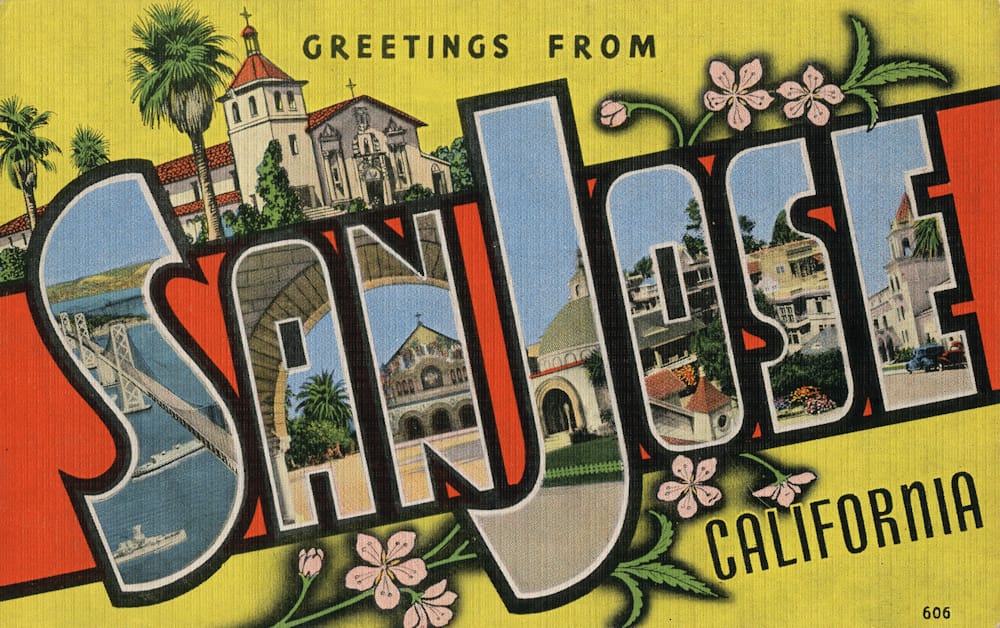
But for many years, San Jose was a home base for my family: the place where my immigrant dad preferred to fly out of whenever we visited Mexico as kids; where we’d go to watch San Jose Clash games at the old Spartan Stadium off Highway 101 before the team became the Earthquakes and moved to what has now become PayPal Park; where my older brother would later attend college and develop lifelong friendships at San Jose State University, leading to his current career working for the city’s public health department.
I carry a fondness for San Jo: for its immigrants, for its strip mall ecosystem of marvelous foods, for everything about it that outsiders don’t know.
In Spanish, there’s an untranslatable word for whenever you meet a person who shares the same first name as you: tocayo or tocaya. It’s like having a twin you’ve never met — who carries a kindred connection with you, no matter where you’re from. I’ve met a few tocayos in my life, and each time, it’s like running into a member of a secret society where only other Alans are allowed; and for a split moment, we embrace in our sameness (shout out to my Bay Area tocayos, Alan and Alan). That’s the beauty of finding your tocayo — a doppelganger of sorts, for no other reason than having been christened with the same title, and for that, you should celebrate that you’re never alone.
You are not alone, San Jose. I know, because I flew to the other San José in North America, down in Costa Rica.
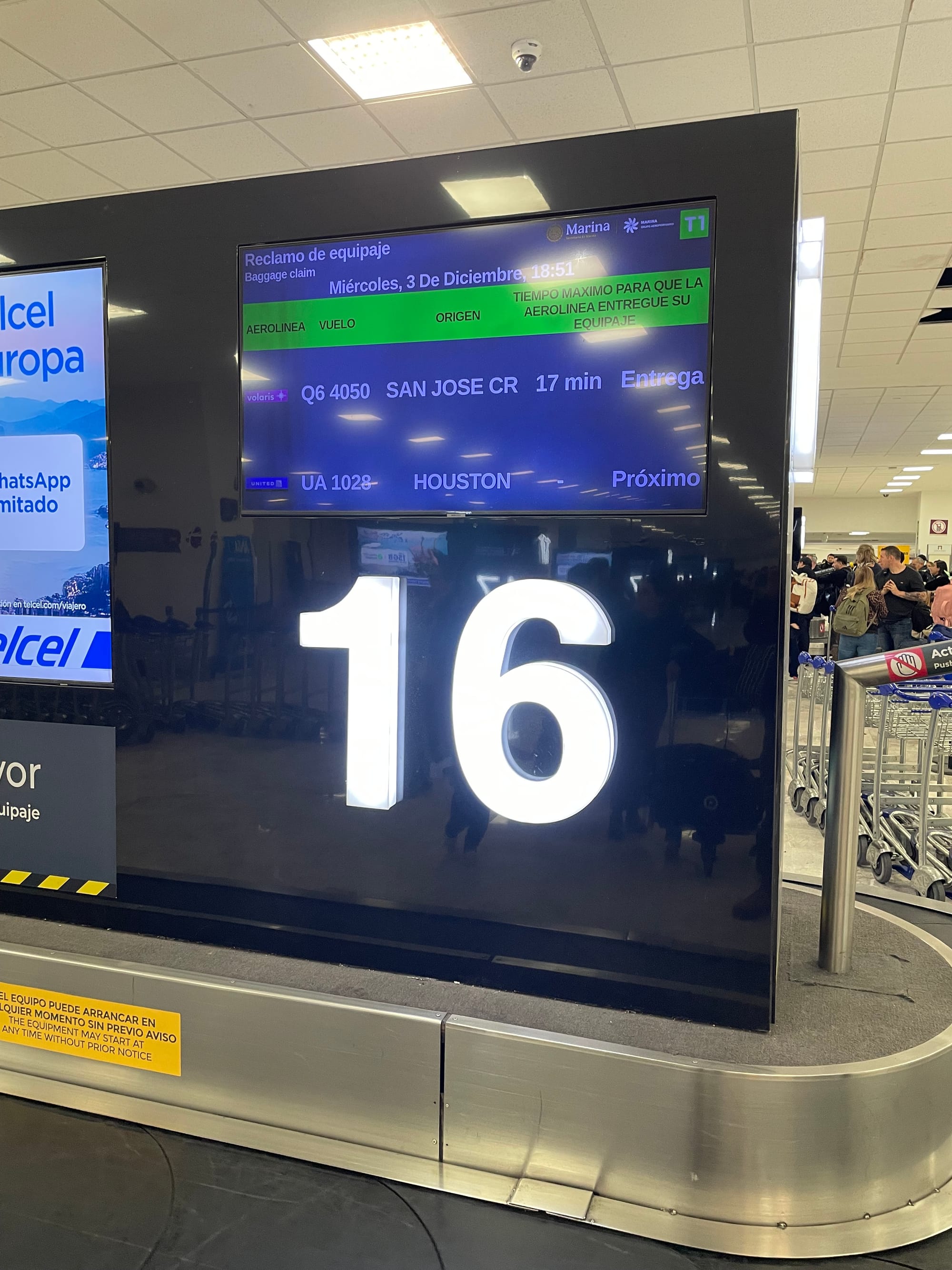
While prepping for my trip to Costa Rica, I came across no shortage of travel videos advising visitors to skip San José and go straight to Costa Rica’s boutique resorts, lush hot springs, and volcanic hikes. I’d estimate that about 98.3% of the travel guides I referenced were adamant about landing at the airport, renting a car, and immediately heading out of the urban area.
Only one of those travel channels really took the time to understand the capital city: A famous Mexican YouTuber named Luisito Comunica did a sincere job of documenting what everyday San José and its people are like. I wanted to see that part of the city, so I booked nearly a week’s worth of time in its different neighborhoods.
On Aug. 9, 1884, San José, the capital city of Costa Rica, became the third place in the world — and the first in Latin America — to gain electric street lighting. Only New York City and Paris installed public electricity earlier. Take that, Elon Musk.
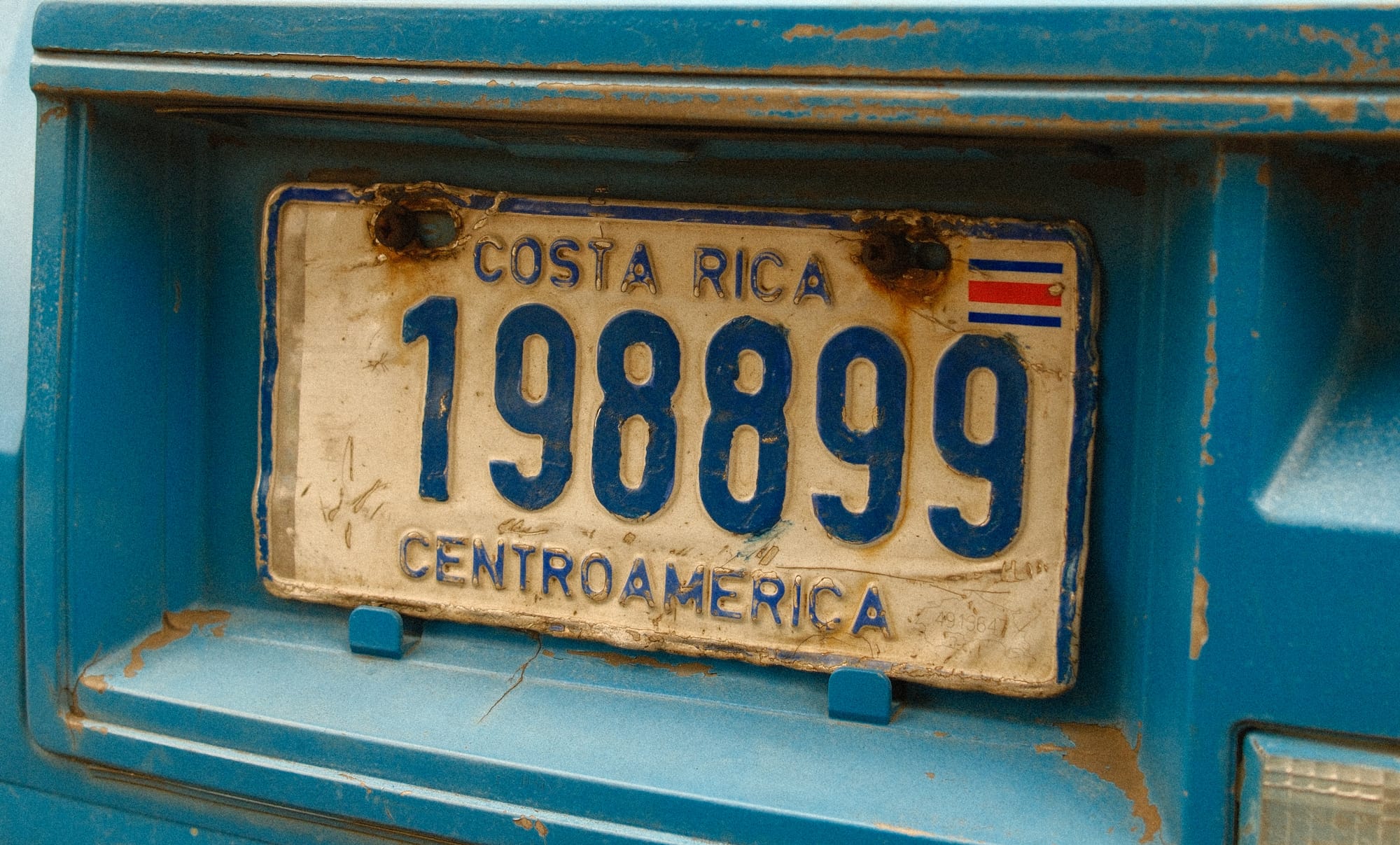
Being tocayos sometimes comes with complications.
California’s San Jose is officially, by local government ruling, designated as San José, too. Not many citizens abide by it, though. One of my former editors once worried — in a newsroom debate about whether we should include the accent or not — that using the Spanish spelling might accidentally confuse some readers (and perhaps even the internet’s AI-muddled algorithm). Did we mean San José in Costa Rica?
I did a Google search about the origin of San Jose, California’s’s name. Here are the verbatim results:
For the purpose of this article, San Jose, California, will remain accentless to more easily distinguish the comparison. (Sorry, city council members.)
The most common nickname in Latin America for anyone named José is Pepe. But in Costa Rica, it's Chepe. It would be such a flex if the San Joses renamed themselves to San Pepe. Or simply Chepe.
Did you know that San Jose was the first city founded in the region formerly known as the Californias? Later, in 1821, San Jose became a part of Mexico. It was annexed by the United States in 1847, and in 1849, it was designated as the inaugural state capital (until 1852). Meanwhile, San José was founded in the 1730s and coronated as the capital of the tico nation in 1823.
The first commonality I noticed between modern-day San Jose and San José is that both are expensive as fuck.
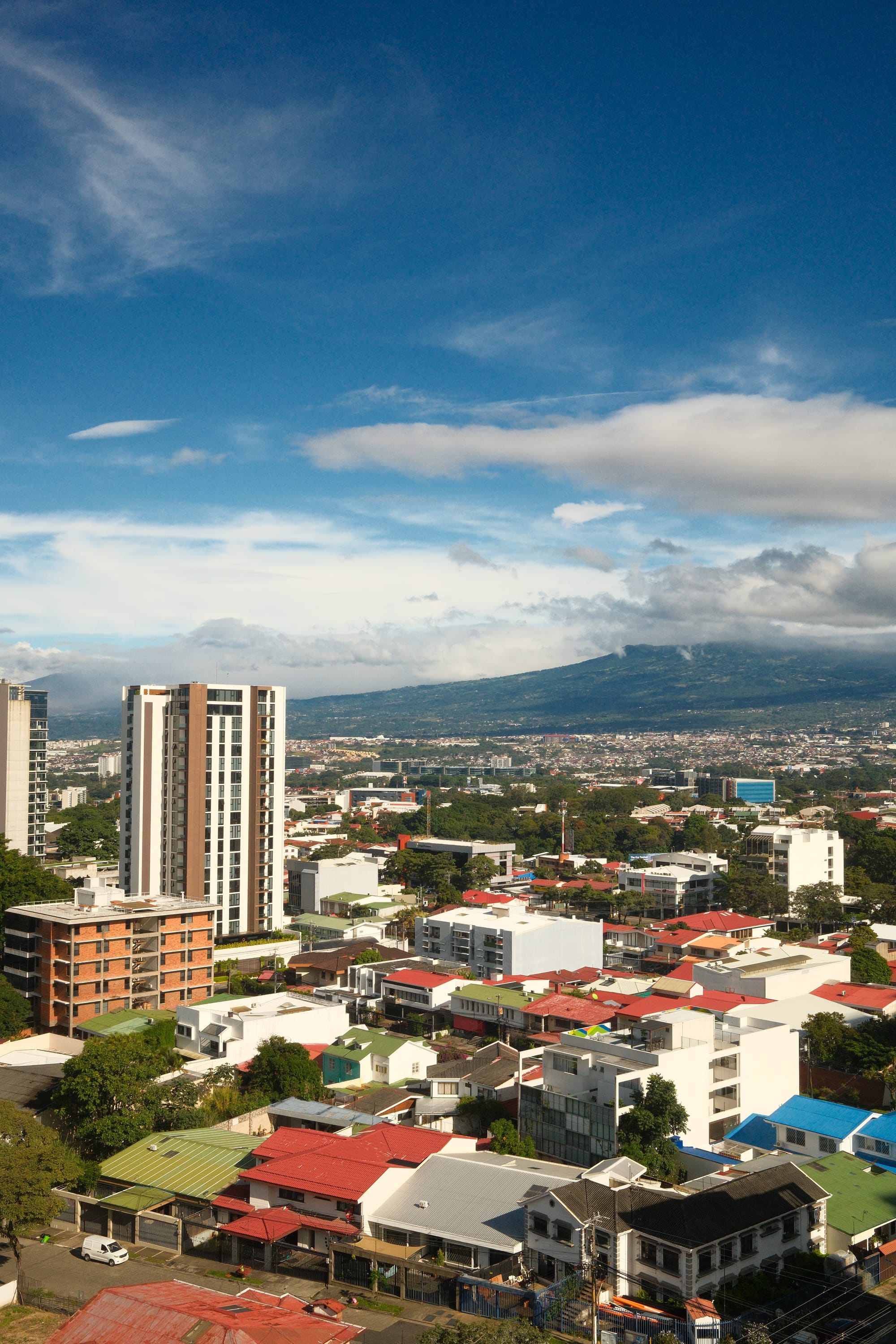
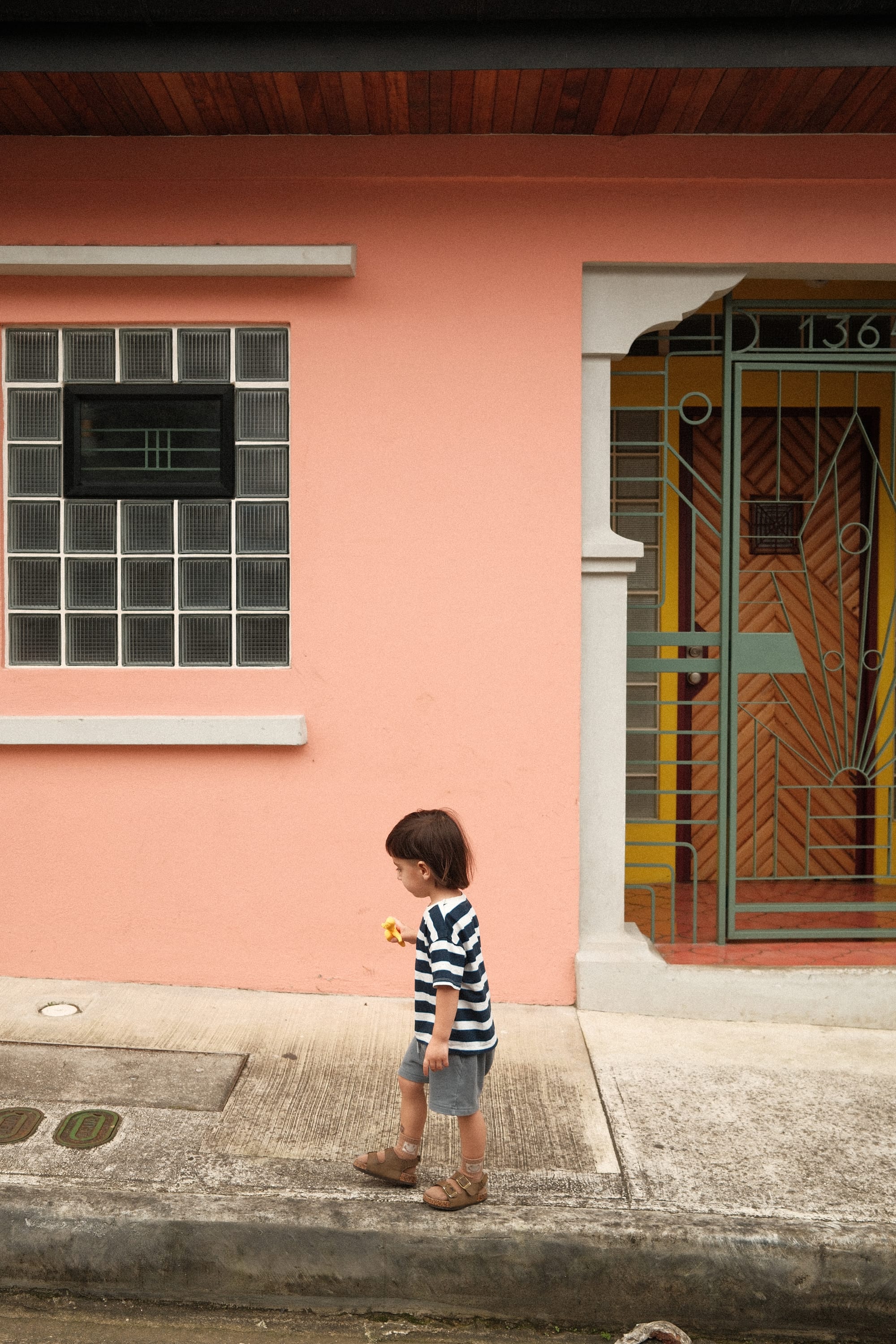
L: A panoramic view of downtown San José and its outskirts. R: The author's son walks the streets of San José. (Courtesy of Alan Chazaro)
Some context: Costa Rica is considered the safest nation in Central America, according to the Global Peace Index. Because of its historically stable and peaceful government (Costa Rica abolished its military!), thriving ecotourism (sloths! beaches! waterfalls!), and relatively high quality of life (you can drink the tap water!), it’s not cheap to live there. It’s by far the most expensive country in Latin America that I’ve personally been to. The cost of a salad or beer or yogurt or red apple in San José is equivalent to, or more expensive than, prices you’d find for the very same items in San Jose, the trillion-dollar epicenter of tech. Wild.
For our first night in San José, my wife and I ordered two modestly-sized pizzas and two Pepsis for dinner in a part of town that resembled San Francisco’s Tenderloin. The unpretentious meal cost us $49 USD. Remember, Costa Rica is further south than Mexico, Guatemala, El Salvador, and Nicaragua, and shares some of those nations’ infrastructures and challenges. And yet, the cost of living in Costa Rica is close to double, on average, of what you’ll find in any of those neighboring countries. I don’t know how the local people manage to survive. I spoke to many of the workers about it, and on my final day in the country one employee told me (in Spanish): “We pay Switzerland prices to live here, but we get paid Latin American wages.”
Not to be outdone, the San Jose up north (Northern San Jose?) encompasses some of the most expensive zip codes in the world, with current median home prices listed at — checks notes — $1.4 million USD. Still, the global tech hub has noticeably high rates of houselessness (fourth highest in the nation per capita, to be exact) despite the luxury price tag.
It turns out San Jose, with or without an accent, is Spanish for overpriced. No matter what latitude you’re in, it’s also a city that perpetuates inequality on its streets. SMDH.
My first impression, after reaching San José in my rental car — having driven about an hour from the airport through a lush, sweeping valley — was underwhelming. It felt hella dirty, even by my warped Bay Area standards. In contrast to the bountiful outdoors and slow-paced culture reigning throughout the majority of the country, San José is chaotic, smog-stained, and visibly dilapidated in most areas.
We spent our first few nights in Barrio Otoya, a charming and historic neighborhood with opulent mansions and sloping, tree-lined avenues. At the end of our quaint road, sex workers lingered. I saw a taxi driver hop out of his car to take a piss in broad daylight next to what looked like a million-dollar home. Houselessness felt alarmingly normalized.
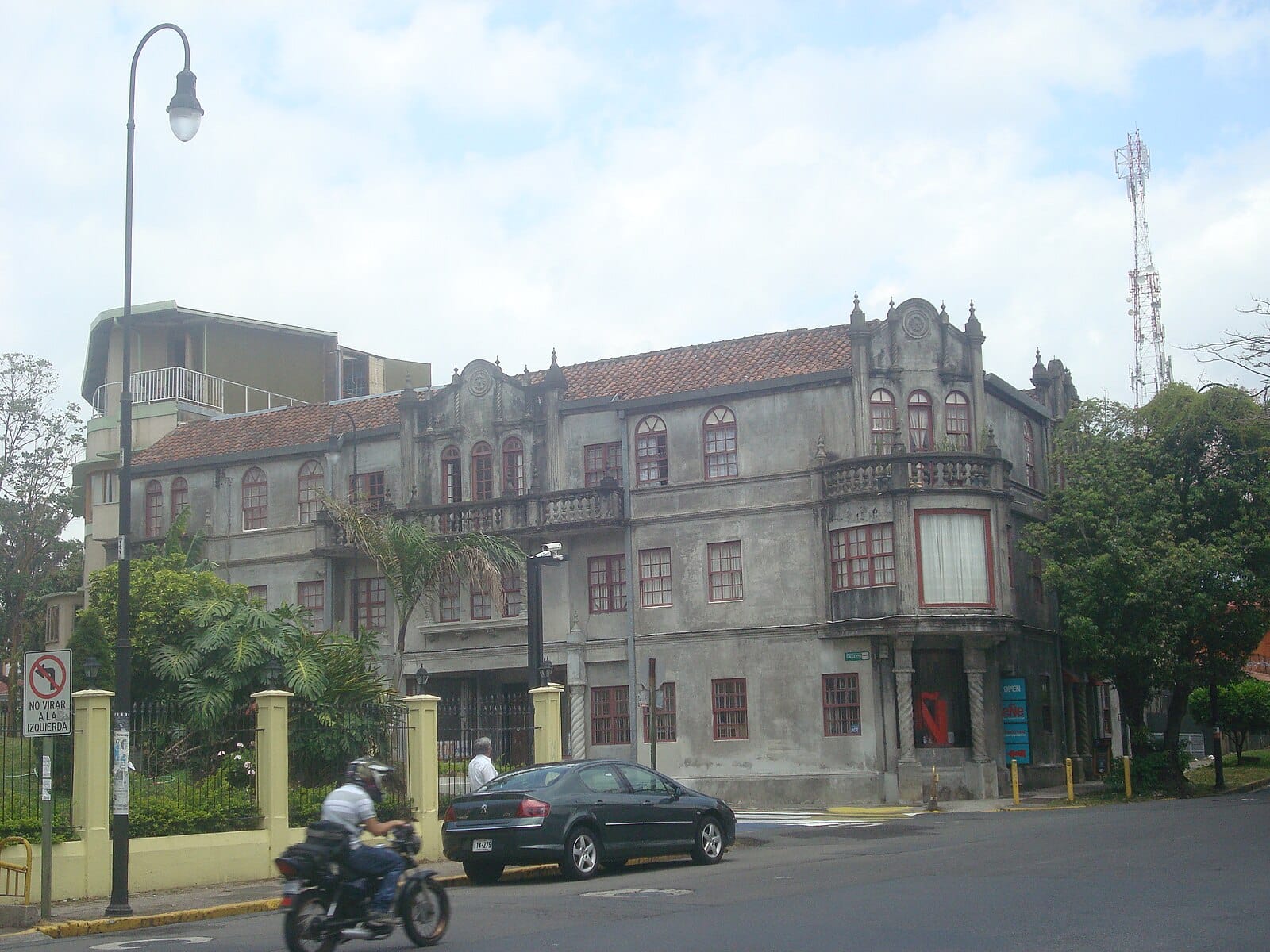
It’s not exactly what I had envisioned for a nation touted as the “cleanest” and “safest” in Central America (many of the international travelers I met in Costa Rica told me that they chose it over, say, Mexico or Brazil, because of its safety and cleanliness). I never felt unsafe, but it also didn’t feel like the kind of pristine family environment I would want to stroll through with my toddler. I understand that, as a tourist traveling in Latin America, there are many complex realities involved, and I certainly don’t expect a red carpet to be rolled out, nor a region’s problems to be swept under it. But coming from Mexico, I was shocked to see the social conditions. I spoke to more than a few locals about these issues and they were unanimously pissed off with the city’s deterioration. Most Costa Ricans outside of The Big City avoid going there at all costs.
In San José, I spotted a still-open Denny’s and Radio Shack. Relics of America’s deteriorated glory. Evidence that the city is still, as much of Latin America often is, living in some version of a bygone past.
Here’s a positive note: The coffee game in Costa Rica is top-tier, and San José offers a wide portal through which to experience it. Coffee growers all over the naturally-abundant nation send their beans to the capital city, where a third-wave cafe scene flourishes. We explored Barrio Escalante, the city’s trendy nexus of craft coffee. Despite paying Bay Area prices for a cup of fresh brew (again, a price tag shock, especially coming from Mexico City, where good shit can be found at bargain prices), I managed to feel cozy beneath a palm tree on the front patio of Franco, one of the area’s cool-kid spots, while enjoying an artisanally prepared serving of locally sourced coffee.
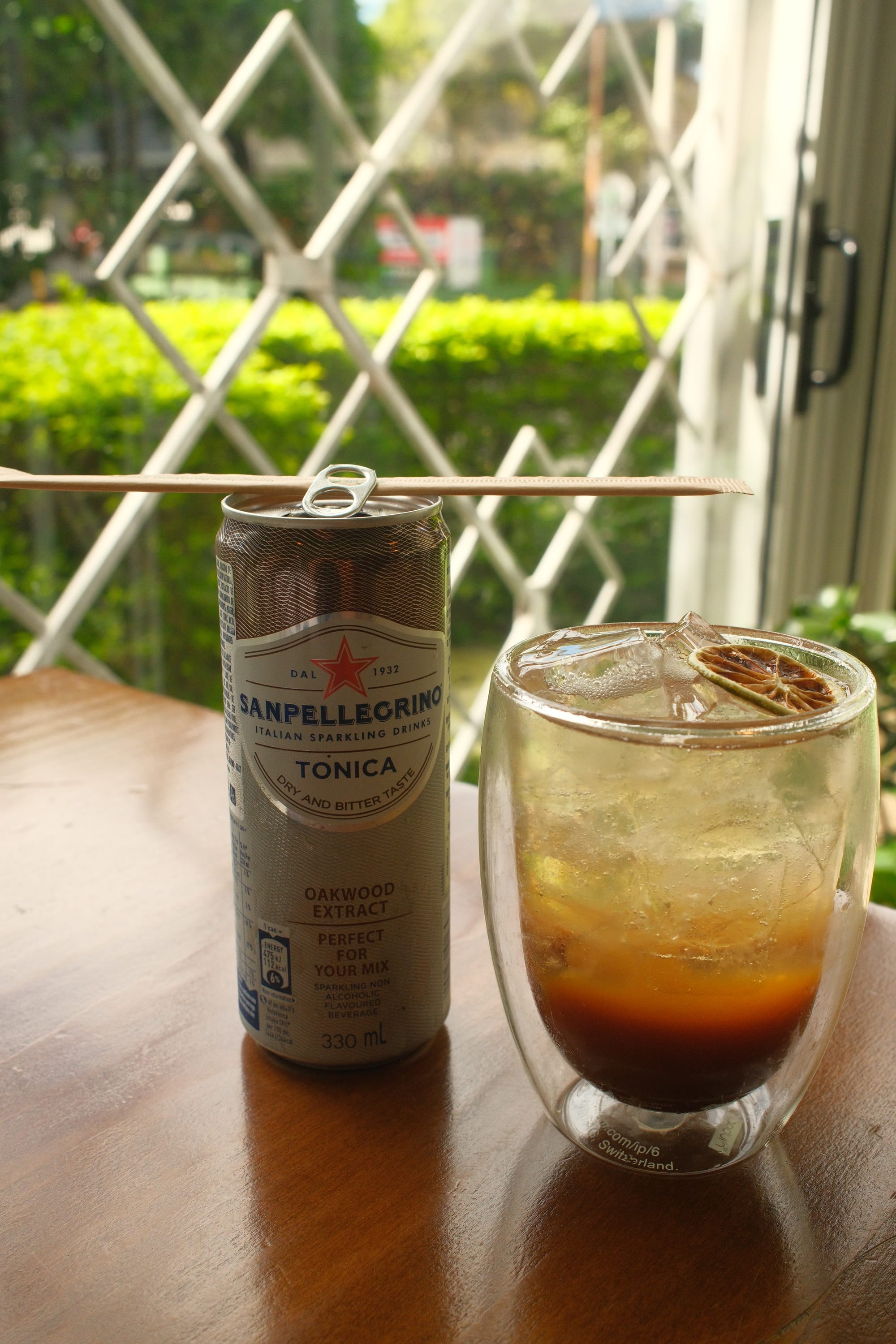
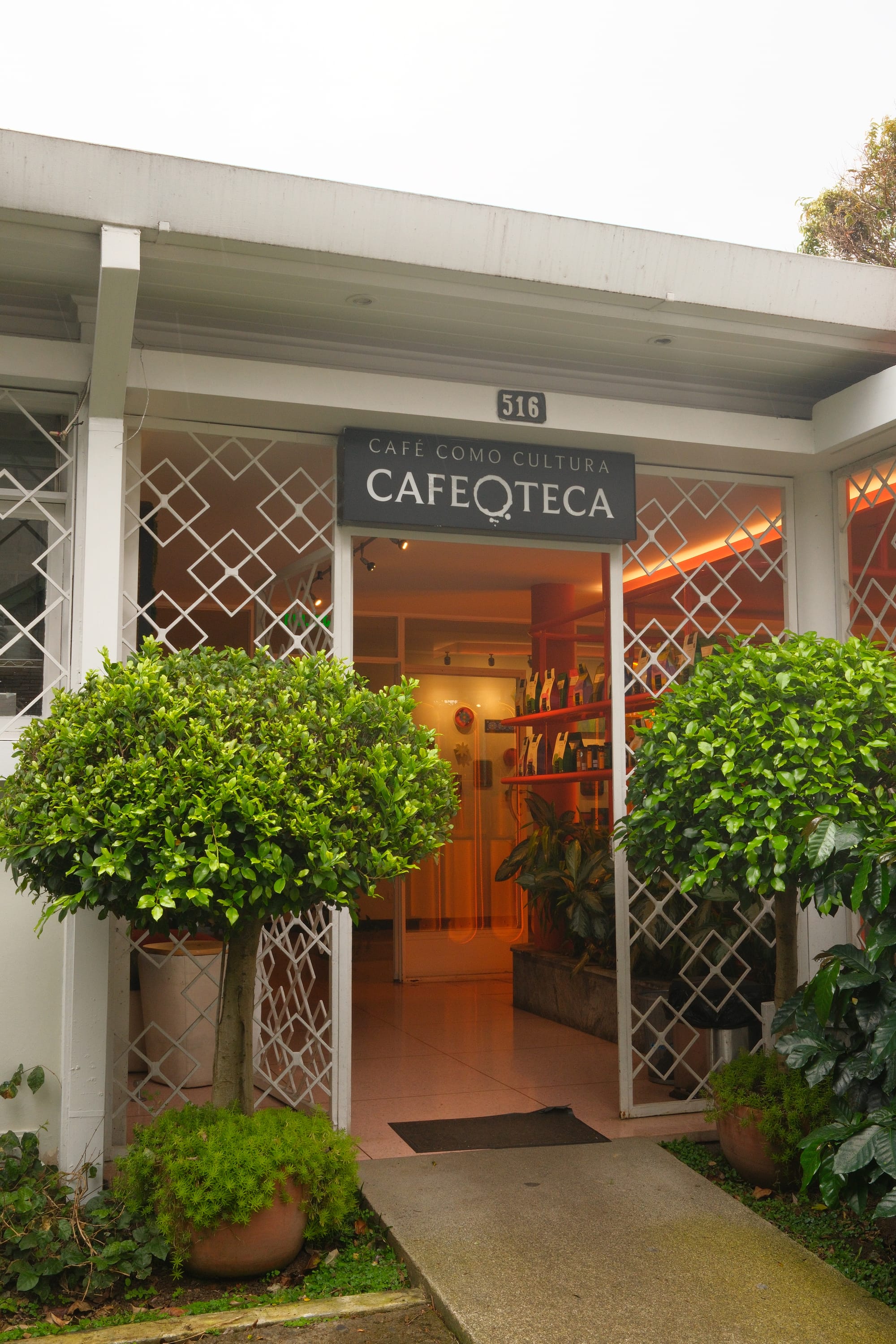
Much later in our trip, we swung by Cafeoteca, just around the corner from Franco. Cafeoteca is a coffee lover’s paradise: an expansive cafeteria with an outdoor patio, inside bar, impressively stocked shop, and the only coffee library in Costa Rica, replete with a tasting center and informational space. It’s also on the list of The World’s 100 Best Coffee Shops (for whatever that’s worth). Indeed, our drinks seemed poured from the nectar of the coffee gods: a caffeine-free kid’s version of a cappuccino, an Arabica Mule (ginger beer, lime, espresso and ginger extract), Tamarindo Coffee Tonic (tamarind pulp-infused coffee, honey, tonic water), and a cup of tornado-filtered flower culture coffee (coffee industry tingz I never knew about until I dove into the art of coffee culture in Costa Rica). I would definitely go back. Again, and again.
There is a wondrous butterfly sanctuary and an outdoor walking path that leads to a river in the industrial center of San José. It’s a peaceful, natural biome surrounded by the machinery of the city’s manufacturing core. Meditative, serene, earthly.
On our final night in what turned out to be a microscopic but dense capital city, we ate at Sikwa. Considered the number-one eatery in Costa Rica, it was a revelatory way to end our journey in the nation. The kitchen’s focus centers on indigenous Costa Rican ingredients and techniques, particularly the Bribri people from the country’s southern province of Talamanca, bordering Panama.
For appetizers, we ordered traditional empanadas de gallina (a purple corn and plantain empanada, filled with shredded, achiote-rubbed hen meat). Balanced, finely executed. We followed that with a tropical tortellini — a Costa Rican take on the classic Italian pasta dish, highlighted with dough made from a mixture of pejibaye, chontaduro and pibá fruits (bright, citrusy, chewy) and topped with a sweet, tangy orange purée to balance the buttery, herbal cheese filling.
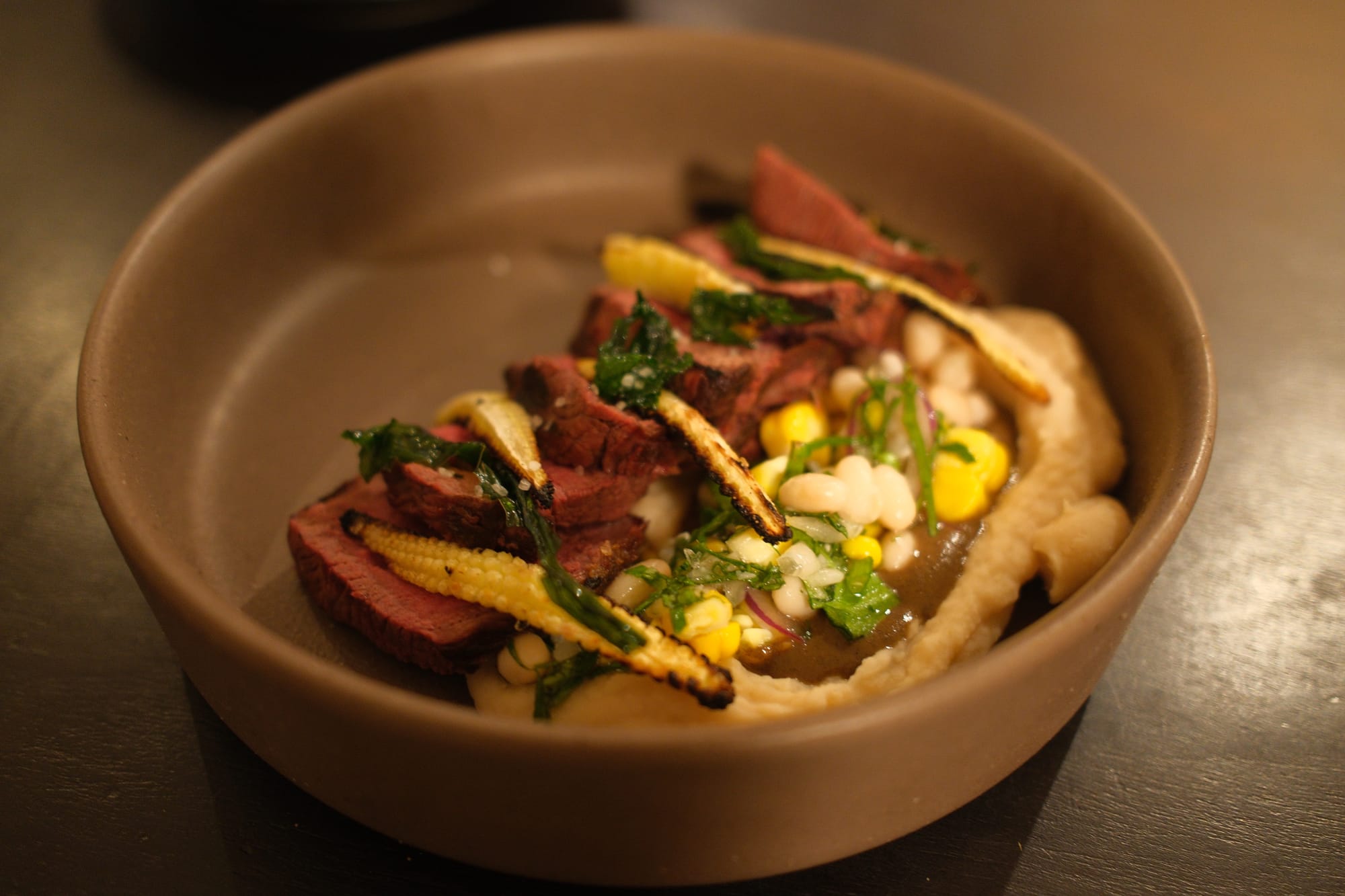
The author's main course at Sikwa, a Costa Rican steak dish. (Courtesy of Alan Chazaro)
For the main, I ordered a Costa Rican steak dish. Thin strips of locally-grown beef served beneath a thick, gravy-like cacao mole poured over white bean paste — the last part resembling something like a silky, smoother variety of mashed potatoes. Dreamy.
In between each bite, my wife and I shared a carousel of cocktails: Agua de Sapo (ginger beer, raw sugar cane, and rum — an alcoholic tribute to the nation’s national drink of the same name); Klö de Caña (rum, pineapple juice, basil syrup, and guava salt, named from the indigenous Bribri word for “tree” and the Spanish word for “sugar cane”); and a Tomillo (Oaxacan mezcal, Fernet branca, and Panamanian chili syrup).
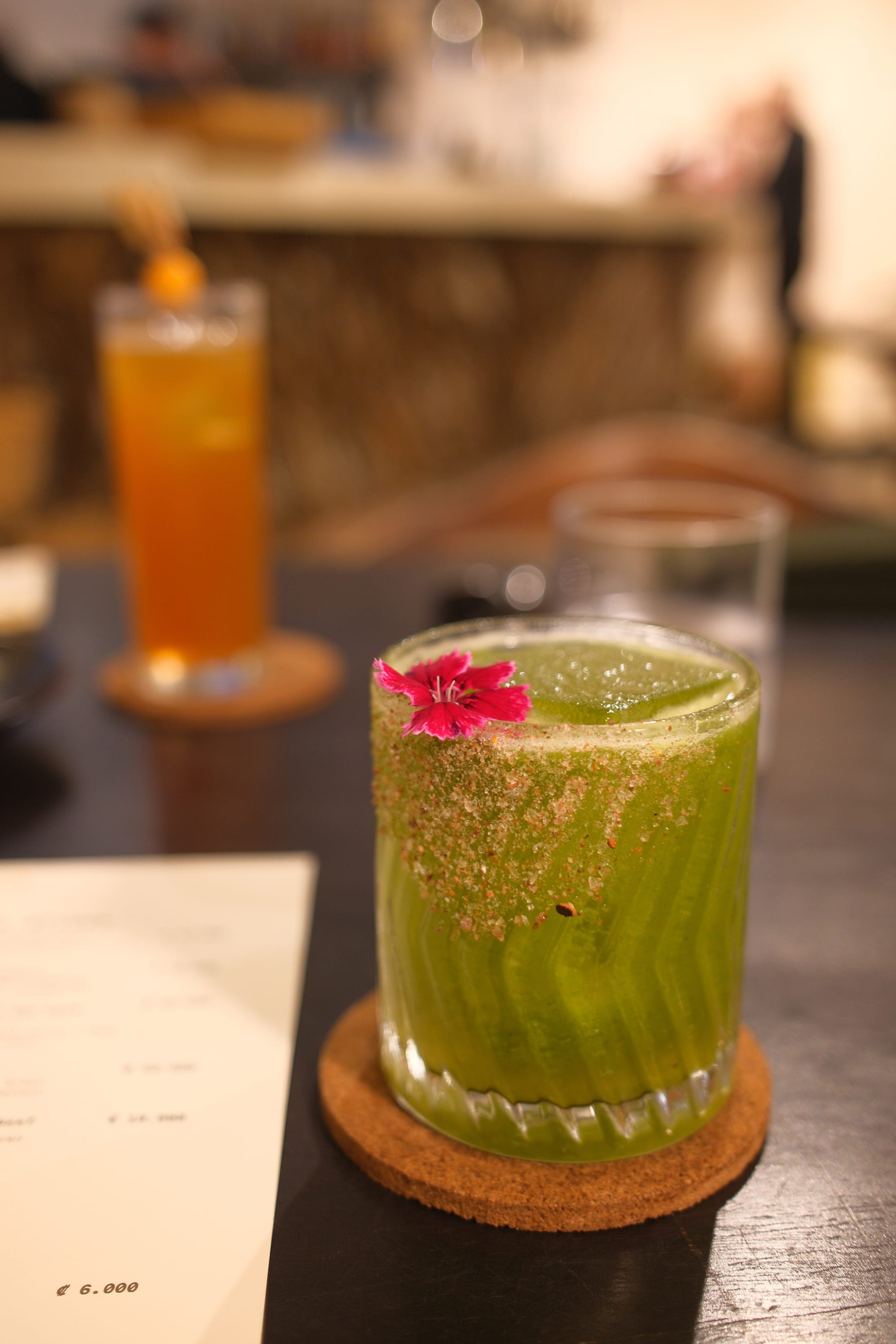
A cocktail and menu at Sikwa. (Courtesy of Alan Chazaro)
We ended it all with a heavenly Miel de Ayote dessert: a deconstructed moschata squash treat made from dehydrated, fried and sugar-dusted ayote rinds, delicately stacked to form a tower above the soft base of squash mousse, punctuated with a dulce de leche-esque cream in each layer. It was maybe the best dessert I’ve ever had, at least in recent memory, with every dimension of it made from discarded parts of the squash. A symbol of resourcefulness and imaginative rearrangement — and a candied delight.
Like the cities of San José and San Jose themselves, the dessert was slow in revealing itself. With each crunchy-turned-creamy mouthful, though, I came closer to the essence of something I would’ve otherwise missed if I’d just skipped town and spent weeks lounging on the breezy coast, unbothered. I’m not sure I ever completely found what I was looking for in San José, but if nothing else, I took as many bites and sips as I could in the brief time I had, and left feeling satiated by what the overlooked city had to offer.
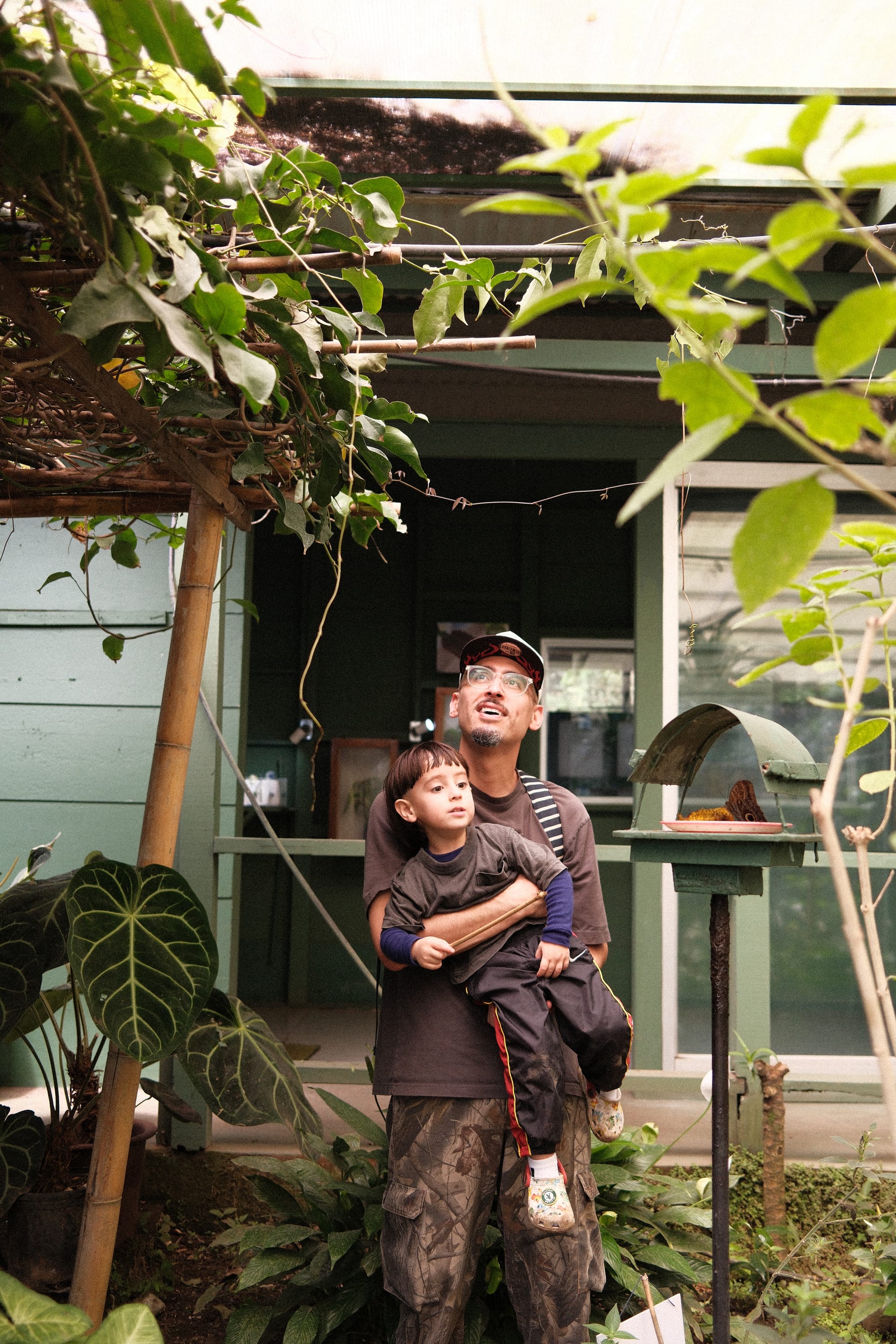
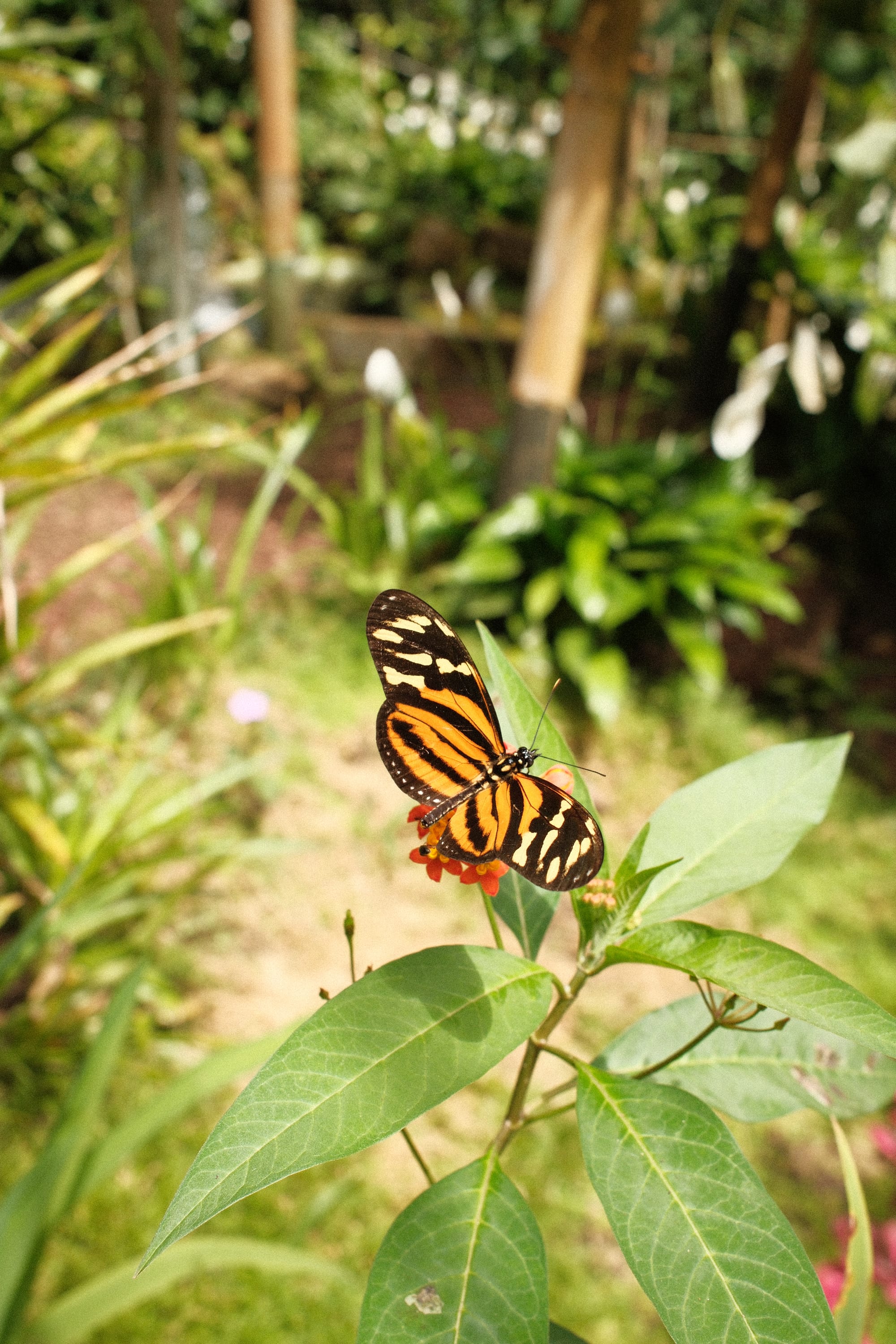
The author and his son at a butterfly sanctuary in San José. (Courtesy of Alan Chazaro)
It also made me think about what the San Jose in our own Bay Area backyard might give us if we tread deeper. I don’t think too many souls willfully enter San Jose in the Bay unless they live there. How many just skip over it without spending an afternoon in Japantown, hitting up a panaderia on the East Side, or roaming around Little Portugal?
San José, you are just as misunderstood and as incidentally and imperfectly lovely as the San Jose I grew up around. In less than a week, my opinion of you changed for the better. Don’t tell the others.

.jpg?ref=coyotemedia.org)
