COYOTE Calendar: April 2-April 8
This week we've got bee guts, doulas, post-colonial music, tempeh, and more.


This week we've got bee guts, doulas, post-colonial music, tempeh, and more.

Every year I wonder if visibility and joy are the same thing. And every year I am more and more convinced that the answer is no.
With new EP ‘Invidia’ and two more on the way, the San Francisco musician and prolific collaborator comes into his own as a solo artist.

Recommendations for short story collections, queer lit, and more from the COYOTE crew.


It is the time of year when book roundups are everywhere. Media outlets and publishers are pushing it all: best mystery, best romantasy, best speculative fiction, best nonfiction, everything is best best best.
Book recommendations from friends, we think, are far more interesting. In that spirit, we bring you 15 books COYOTE’s worker-owners loved this year. Supriya read some beautiful short stories. Nuala likes queer literature. Rahawa studied up on settler-colonialism. Amir revisits a book exploring death. Go forth and read these and more:
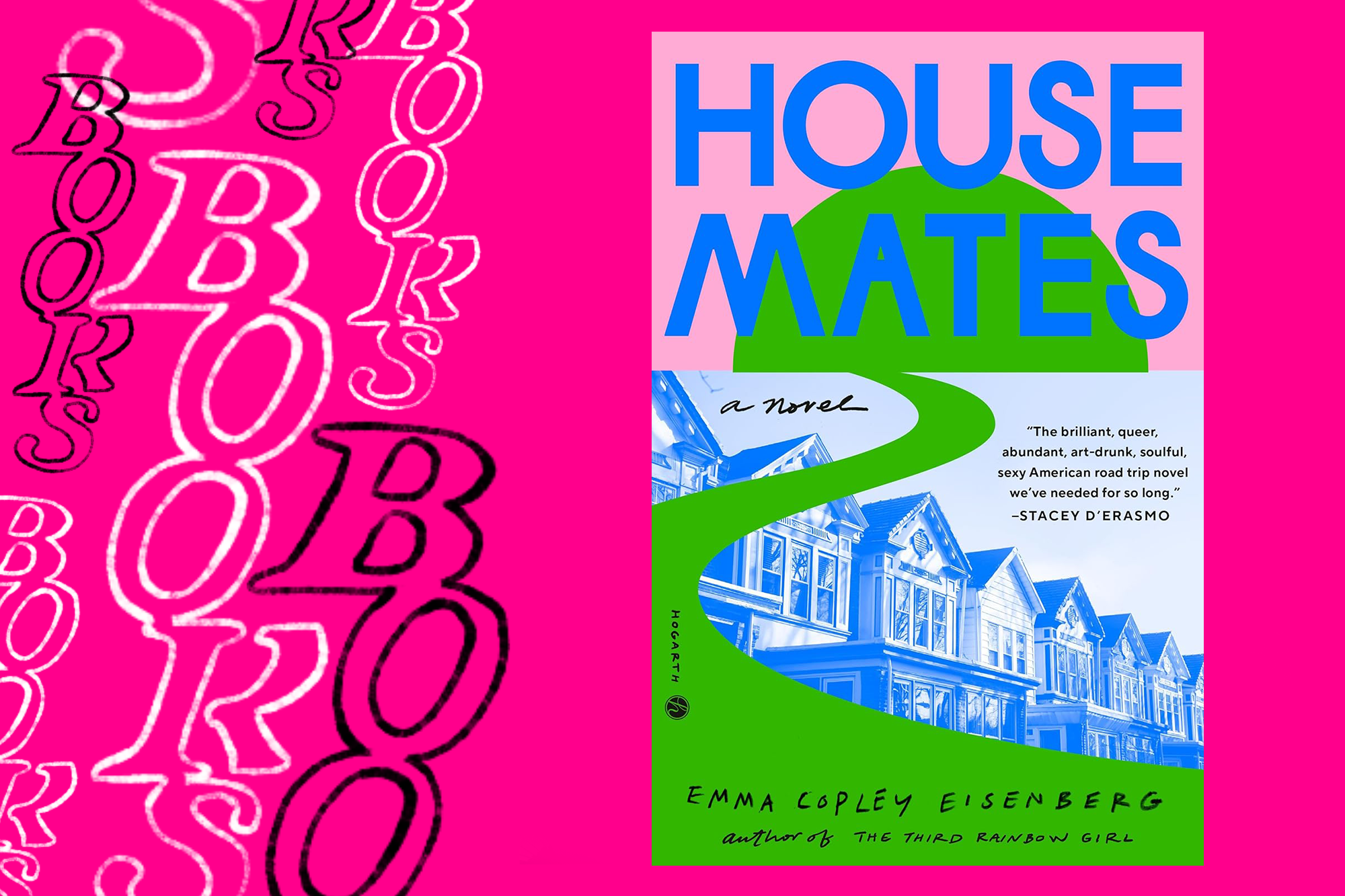
One house in West Philadelphia. Five queer roommates who have yet to go through their first Saturn return. Crushes. Unresolved trauma. Art degrees. What could go wrong?
Nothing — honestly — as this book is perfect and not like anything I’ve read before. The story begins in urban Philly, but when photographer Bernie and writer Leah depart on a road trip, they travel through rural Pennsylvania, exploring what it means to document America in one single moment.
It’s impossible not to fall deeply in love with Bernie and Leah and to root for them to finally! please! admit their feelings for each other!! But this is far more than a love story. How do two young queer artists carve a life for themselves in a world that doesn’t hold youth, queerness, nor art sacred? I wrestled with this when I graduated art school and moved to the Bay in my 20s, and I wish I’d had friends like them — or at the very least this book — to pull me through it. — Nuala
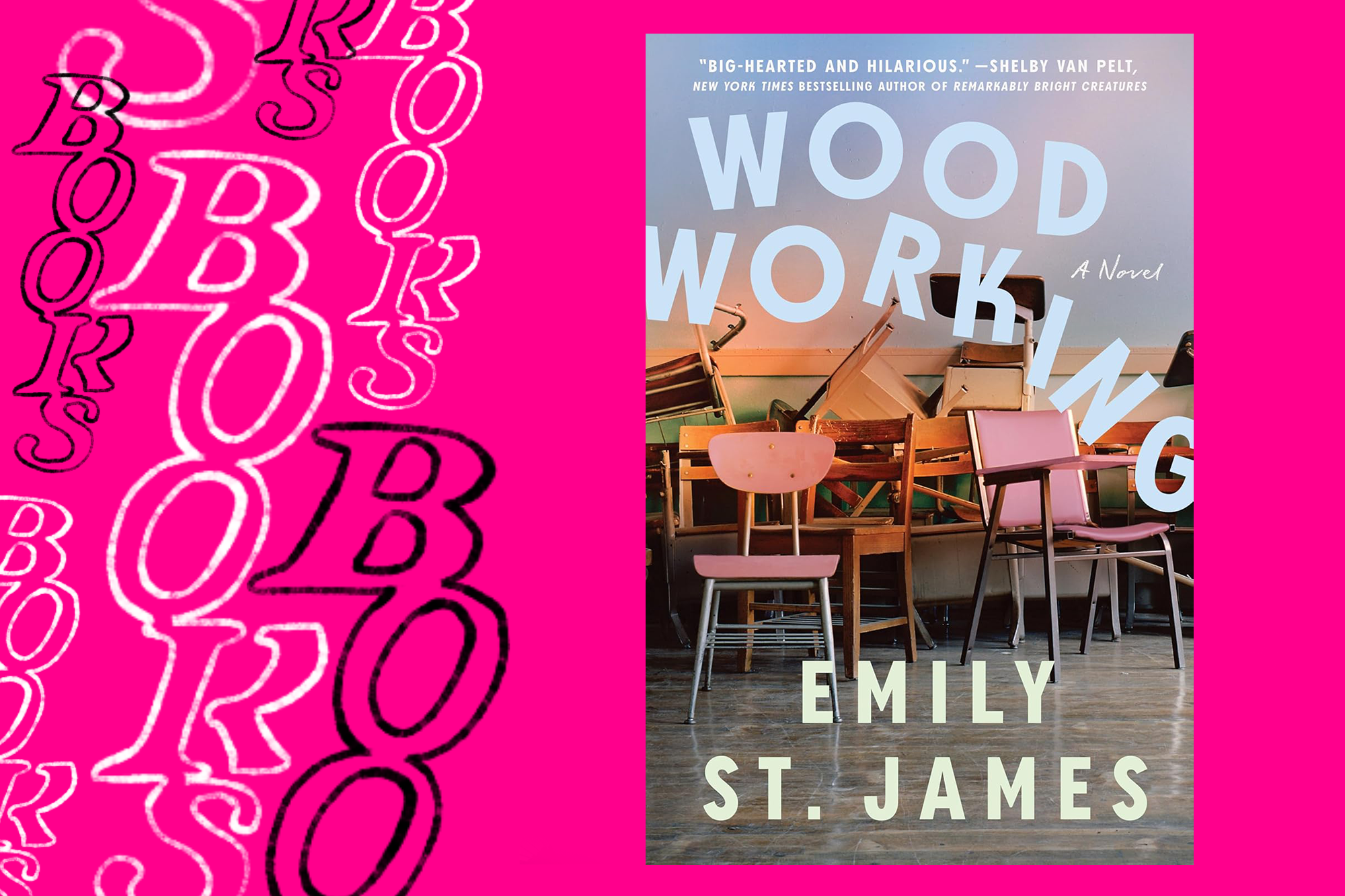
What’s it like to be a trans woman in a small, Republican town in South Dakota in 2016? In Woodworking, the three trans protagonists have very different experiences. Erica is a 35-year-old high school teacher who’s just begun stepping into herself. She leans (arguably too) heavily on Abigail, a 17-year-old trans student, to help her navigate this. Together, they work to live in a town that doesn’t understand them while finding in one another a vital sense of community.
This is St. James’s first novel (though she’s a writer for “Yellowjackets”), and while the story meanders at times, its spirit is genuine, and its characters are based on women she knows IRL. I was so sad to finish it; St. James allows space for their stories to continue without us, and it was hard to say goodbye. Don’t skip over the afterword, which is one of my favorite parts of the whole book. — Nuala
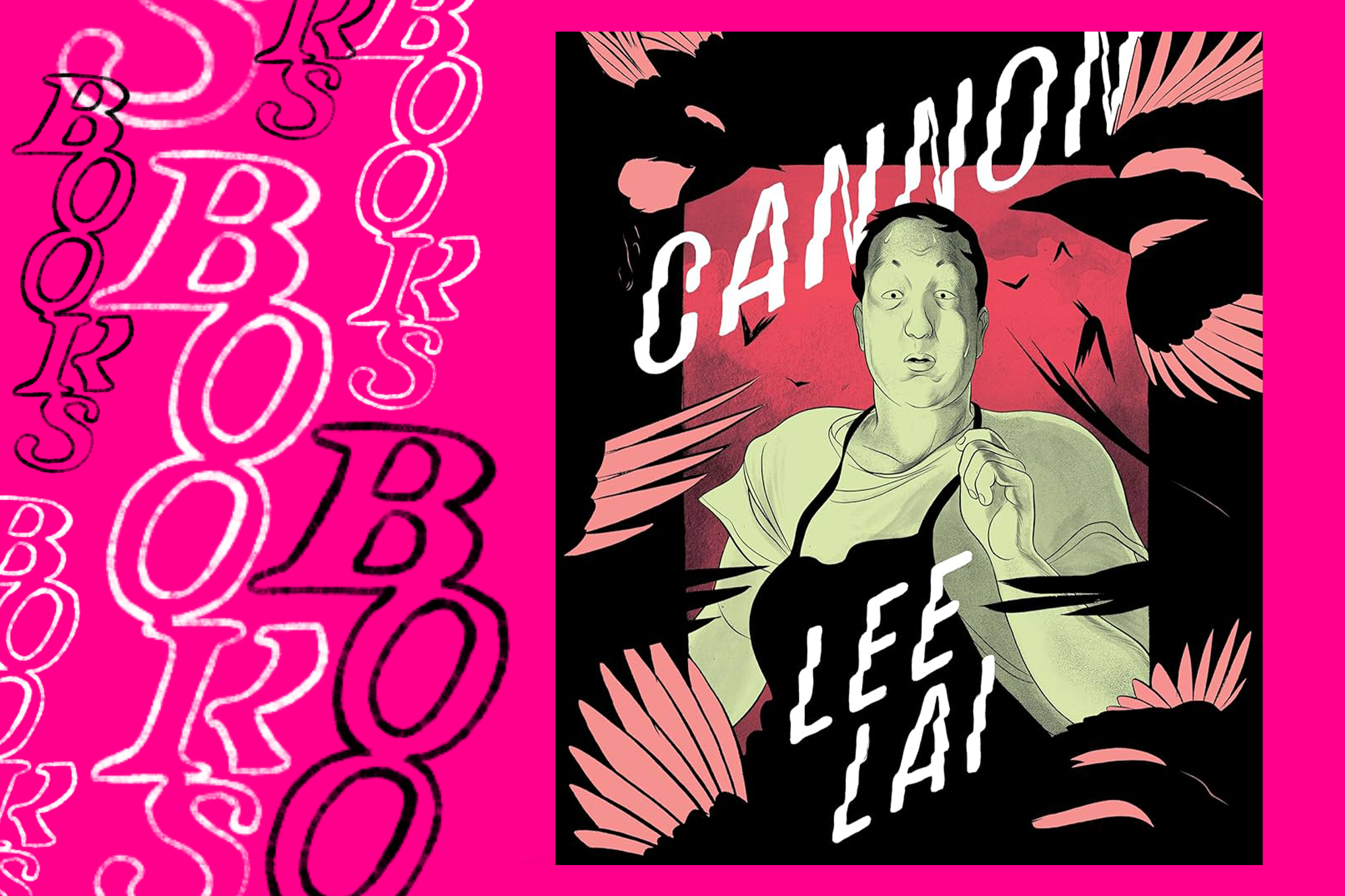
I’m a simp for a narrative driven by food, the kitchen, and/or restaurants, but I have to tell you, the majority of stuff out there is way too twee. Or white guy. But here comes Cannon, a graphic novel by Canada’s Lee Lai, who uses watercolor painting to depict a dreamy view of Montreal, its edges blurred as if the whole city’s on Xanax… for now. The titular Cannon, given the nickname as a joke, is a mild-mannered Chinese Canadian line cook on the edge of a nervous breakdown. We follow her through the city, going through the motions of taking care of everybody but herself, insistently pushing away the rage just simmering beneath her always-placid expression. No, it’s not that I find this relatable!! — Soleil
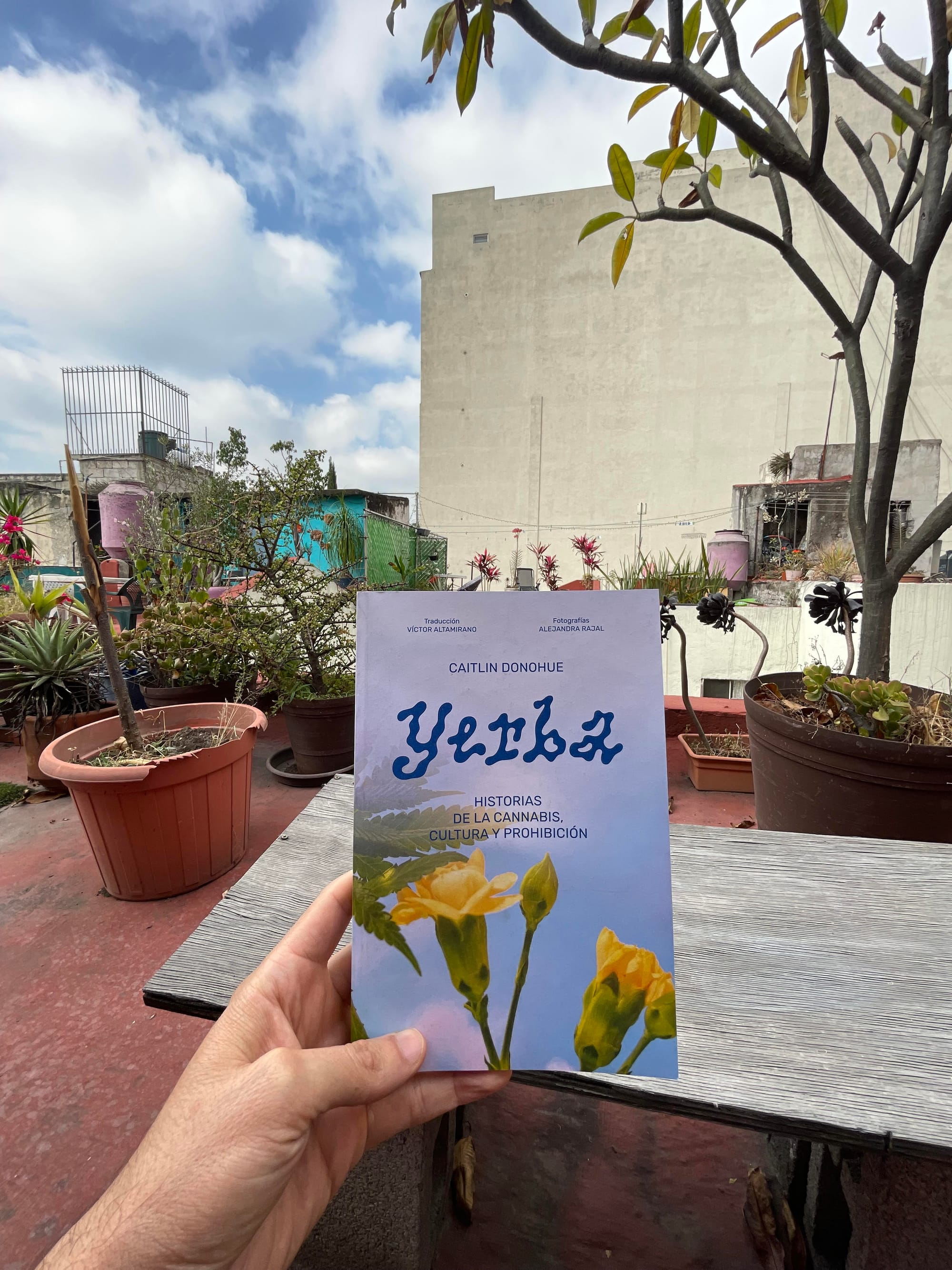
Earlier this year, I sat inside a Mexico City apartment, listening to a group of Mexican activists, friends and creatives as they discussed the stigmatization, and evolution, of weed in Mexico. (Context: last year, I left the Bay Area to live with my family in Mexico.) At the center of their convo? Caitlin Donohue’s recently translated book, Yerba. Originally published in English by the Bay Area author — who has lived in Mexico City for the past decade — the Spanish edition features original photography to go along with 17 interviews from a range of global figures, many of whom are from Latin America. Each person represents a different sector of society and reveals how cannabis has played a role in their life and, on the flip side, how their life has shaped their relationship to the plant. This is for anyone who wants to know more about the expansive reaches of weed — its cultivation, consumption, and misinformed condemnation — throughout the Americas. — Alan
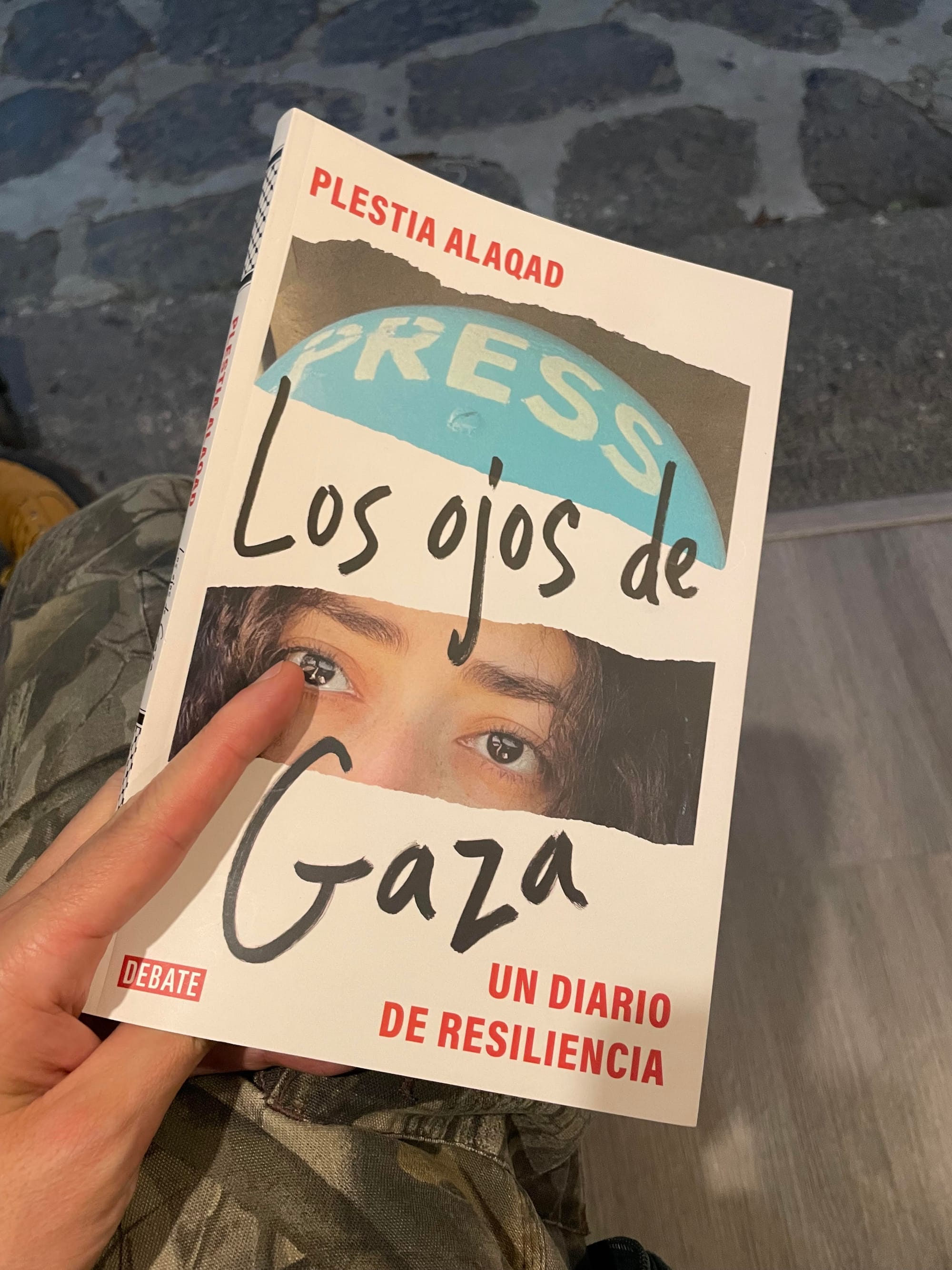
Everywhere throughout Latin America, you’ll see support of Palestine and its people. It makes sense: There is solidarity in struggle and historical oppression. It felt appropriate, then, that at my local bookshop the work of a young Palestinian journalist and her soulful, heart-filled diary of enduring a genocide in Gaza was prominently displayed for Mexican readers. Inspirational and enraging are both descriptors that fall short in this context. The book is a necessary read for anyone who wants to see the world through a young Palestinian dreamer’s eyes. It’s heavy, unrelenting, and unforgiving, but, miraculously, filled with hope and kinship that endures through Alaqad’s poetic and unflinching account. — Alan
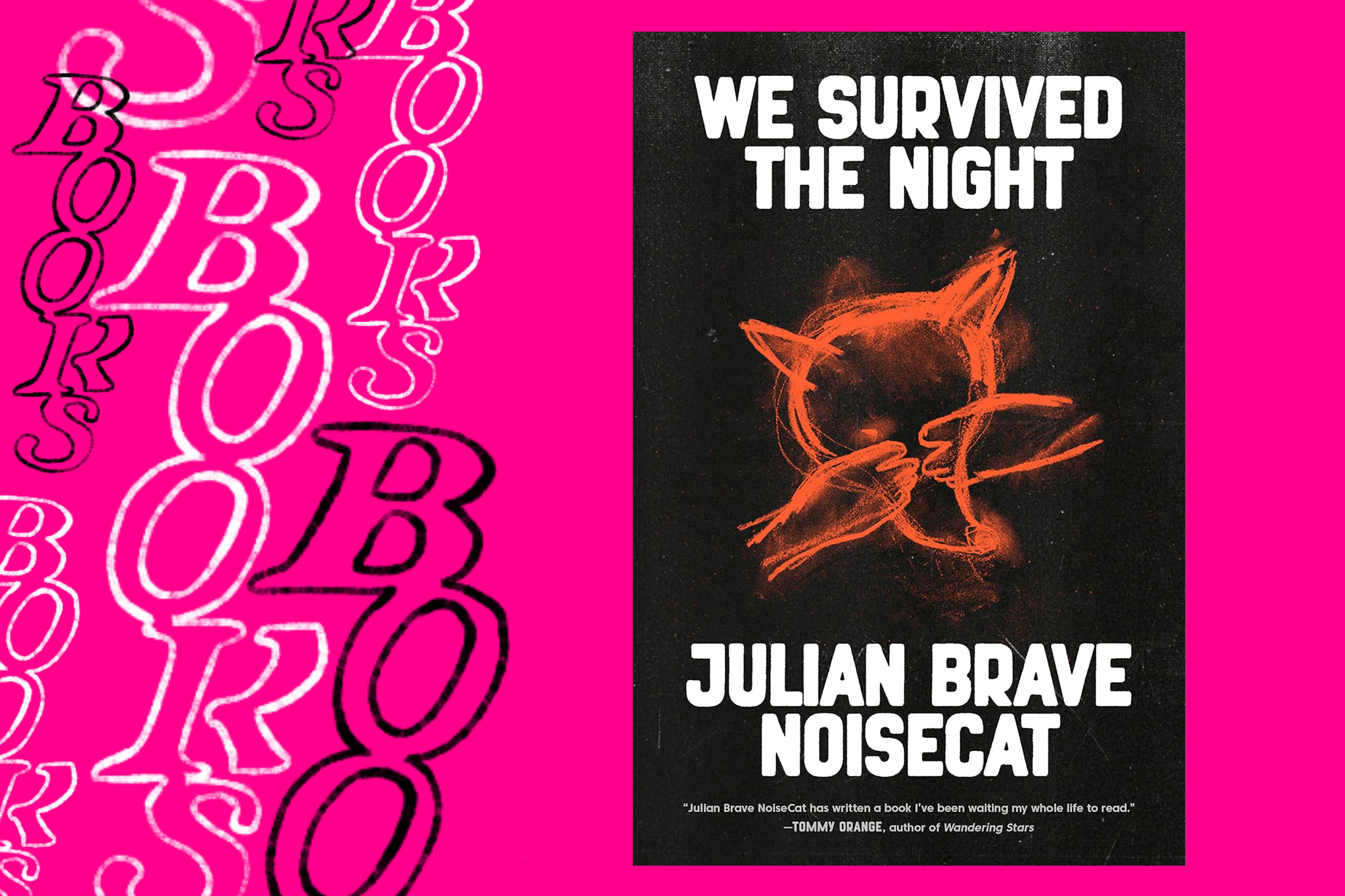
It’s really hard to do oral history right on the page; there is a reason they are separate art forms. But in We Survived the Night, Julian Brave NoiseCat manages to do the best job I’ve ever seen of taking a reader into and through a story that is, inherently, meant to be shared aloud. Perhaps this is because NoiseCat’s own voice is so clear — he takes us to modern Oakland, to the deep past of British Columbia’s first people, and to the not-so-distant violent attempts to erase Indigenous people and identities. Sometimes, when people tell you that a book is “essential,” it means that it’s important, but kind of a slog. We Survived the Night is essential and beautiful, an incredibly rare combination. — Reo
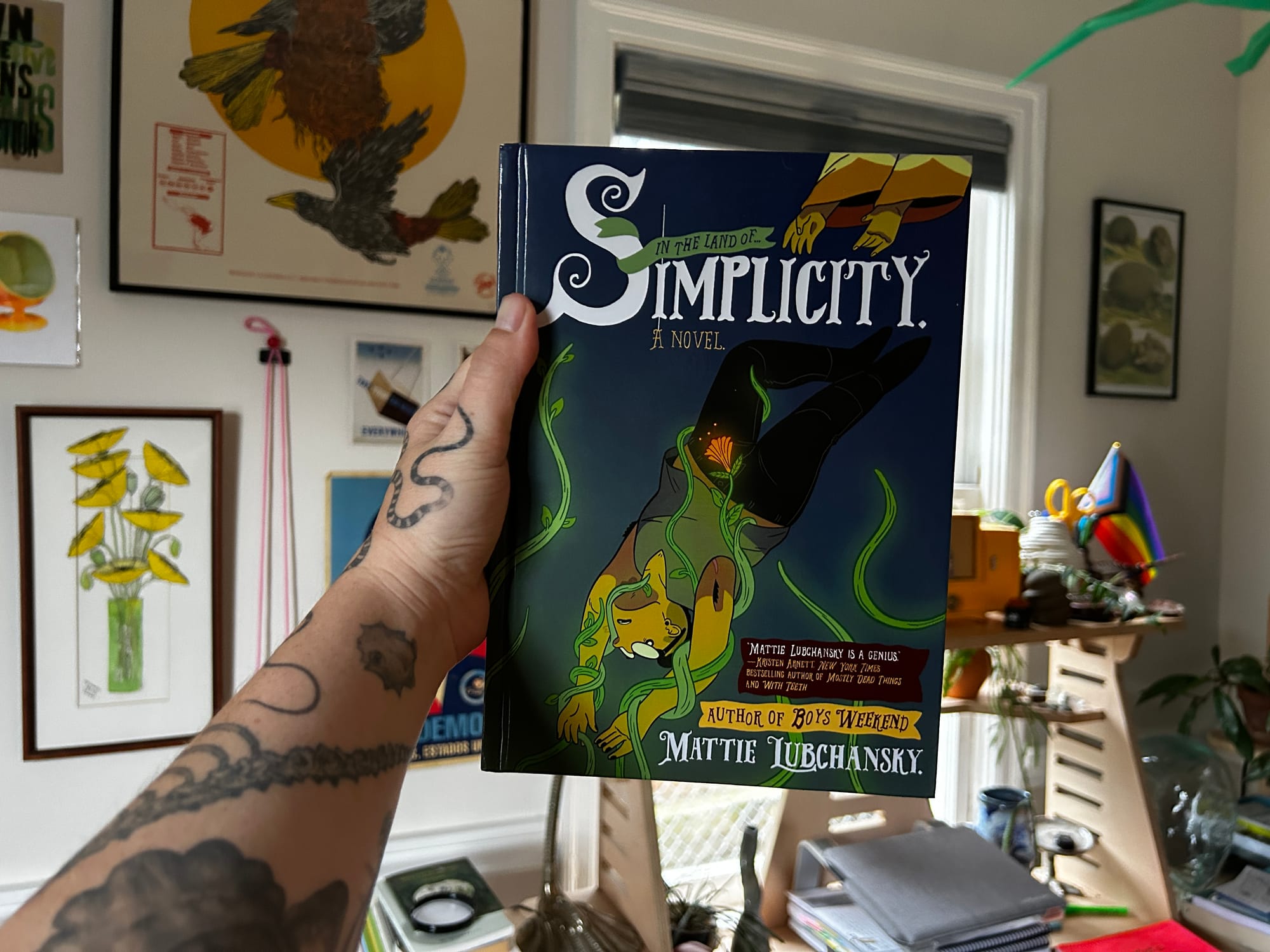
I kept saving this book to read as a treat; to reward myself for something. Finishing a novel draft; finally doing one (1) pullup; not cursing out my family members even once on a trip. Then, finally, I realized that I should just fucking read it because I wanted to and life is too short to deny yourself good books. And this one is a good one.
Lubchansky’s signature humor and insight is on full display here — she somehow manages to make absolutely absurd situations feel not just real but deep and meaningful. The book follows an uptight and somewhat naïve anthropologist who is sent out to study the people of Simplicity, a community that many would call a cult. But things aren’t that simple in this book, and Lubchansky manages to take topics that can easily become cliche (cults, finding yourself, rebellion) and keeping them fresh and surprising. Plus, there are some incredibly freaky and beautiful sex scenes. — Reo
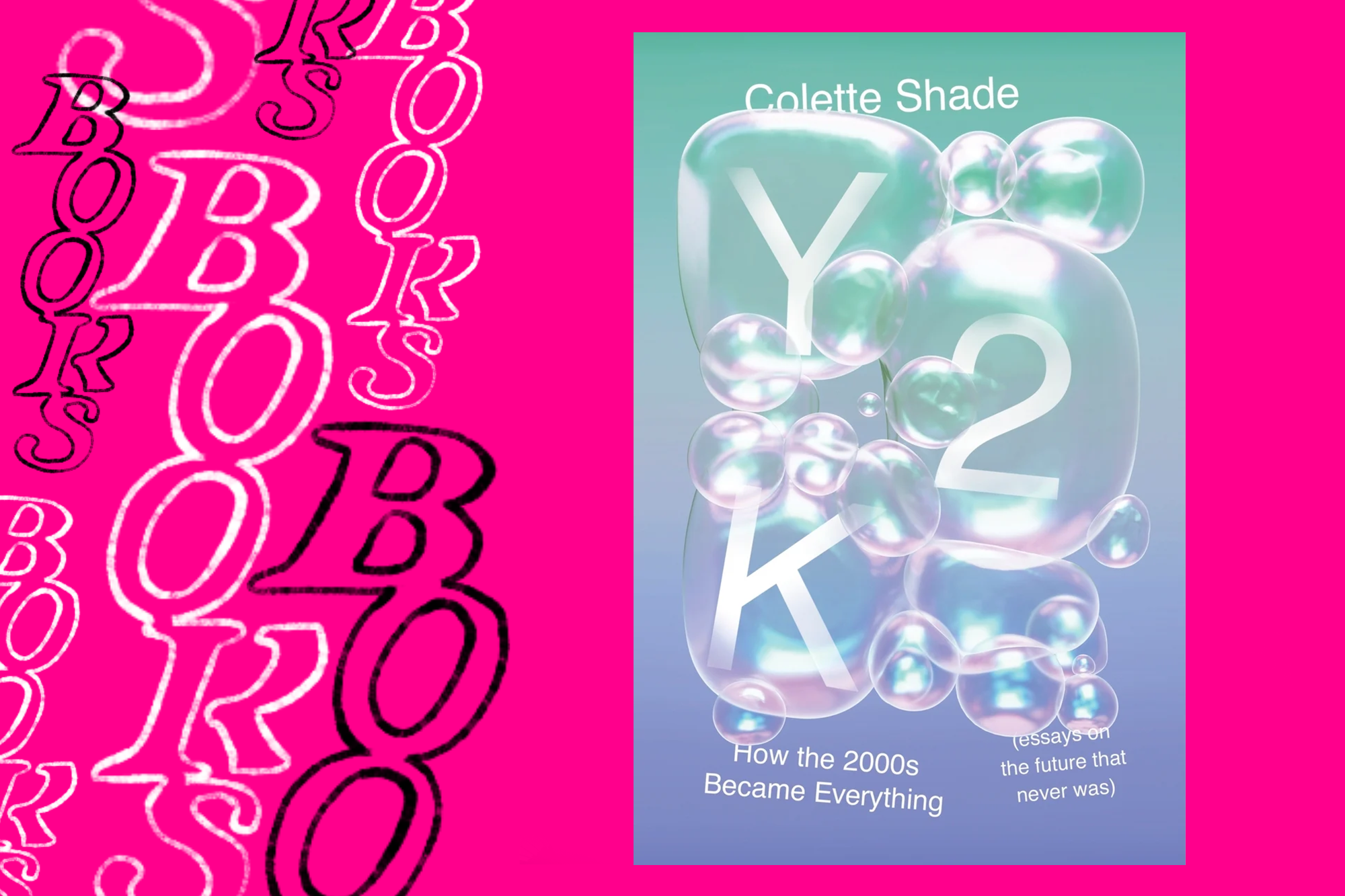
Every year, there’s one essay collection that makes me think that, had it been published even five years earlier, it would have been all anyone on Literary Twitter (RIP) would have talked about for days. Last year, this was Morgan Parker’s You Get What You Pay For: Essays, a sister to this year’s selection, which both task themselves with contextualizing the past, promise, and current, cliff-pushed career freefall of elder millennial women, particularly writers, through the lenses of culture, media, and 40 years of neoliberalism. (I am the target audience, and the target audience is me.)
There is a frankness to both collections, a nothing-left-to-lose candor, that is bold and sharp and utterly devastating to a microgeneration for whom the words ‘economic stability’ might as well be Simlish. If anyone under 30 wants to know what the hell happened to us, well here’s your answer. — Rahawa
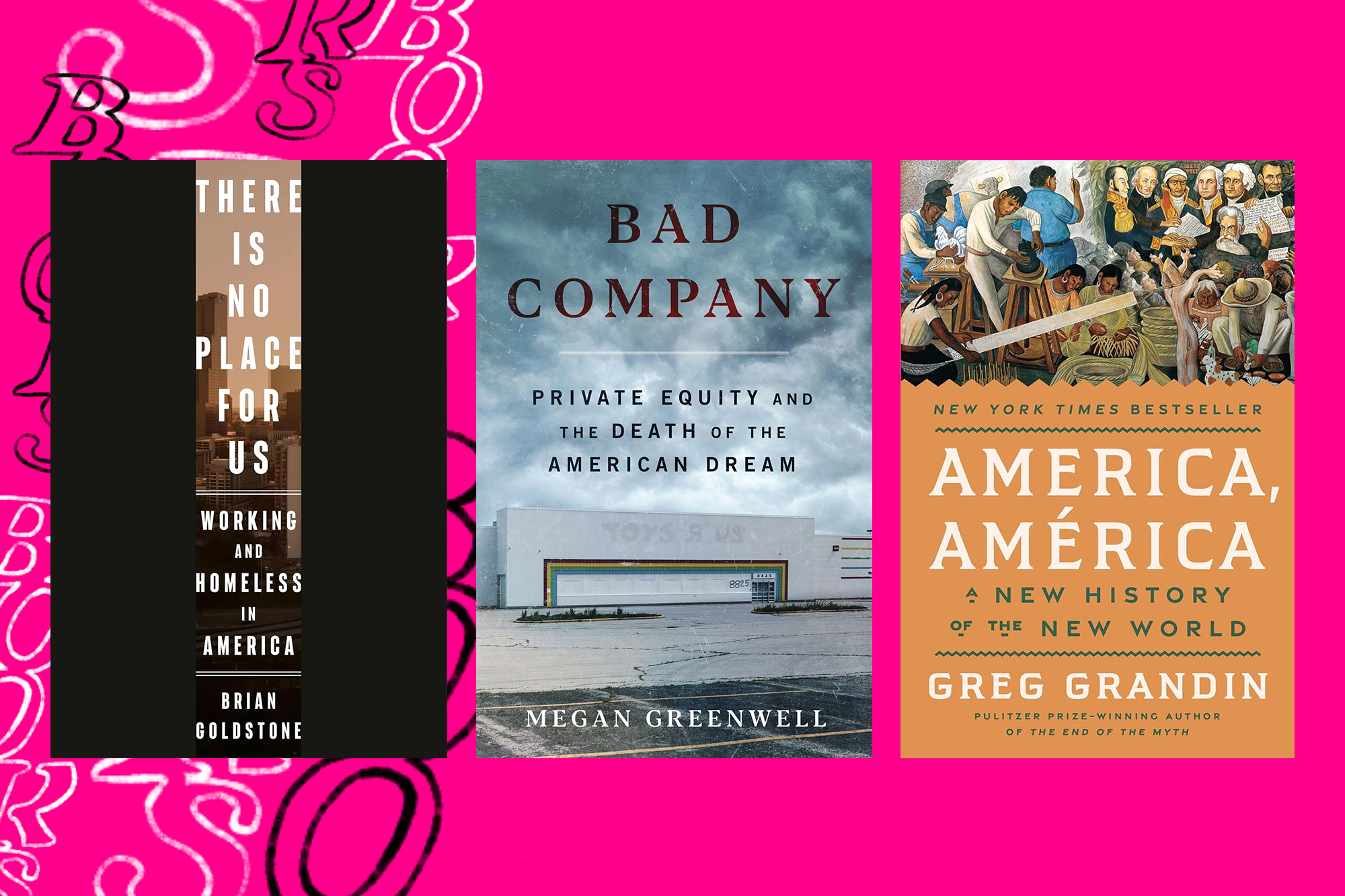
A nonfiction starter pack for anyone who hates land speculation, private equity, and settler-colonialism as much as I do. (This also happens to be a mini-preview of the book I’ve been working on forever, so there’s that.) — Rahawa
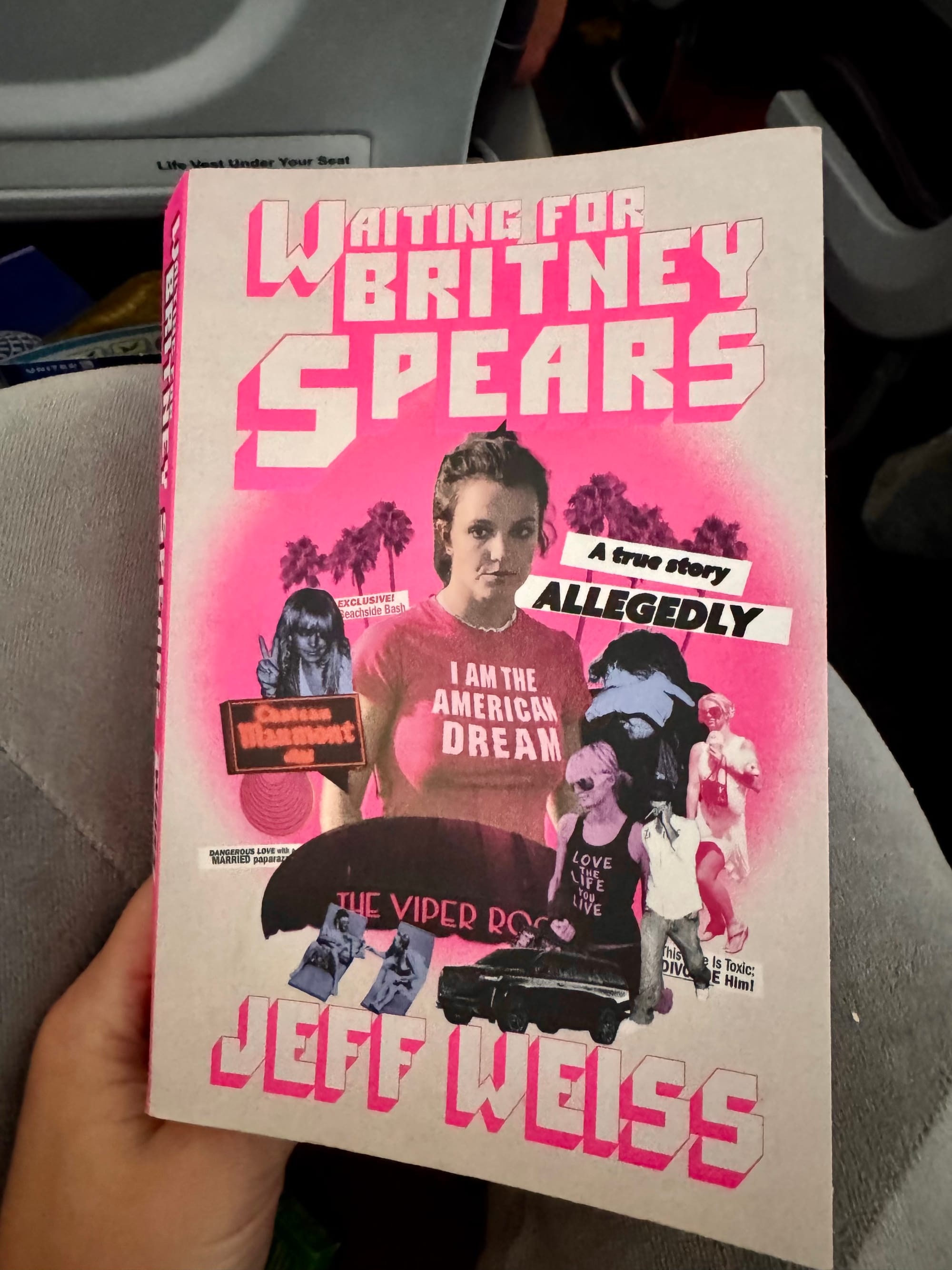
I’ve been a fan of LA music journalist Jeff Weiss for years: he’s an LA Weekly alum, so we’re basically cousins, and his site Passion of the Weiss has long been essential reading. Between that and my undying love for/fascination with Britney Spears, I was not surprised, per se, by how devourable I found this memoir-but-parts-are-untrue-so-let’s-call-it-a-novel. What surprised me, instead, was how seen I felt by this exhilarating, Hunter S. Thompson-esque romp through the mansions and red-velvet-rope clubs of early 2000s Hollywood — places I certainly never spent any time, full of people to whom I do not relate.
Weiss based it on his time in the tabloid journalism trenches, at that particular moment when Star ruled and the paparazzi hunted as blood sport and social media was just a nascent glimmer. But at its core this book feels like a warped love letter to, and elegy for, elder millennial culture: an explanation of why we are the way we are. How could anyone emerge from being a young adult in an era when the magazine covers counted down to child actresses’ 18th birthdays — meanwhile old men in board rooms took most of their money — and expect to be well-adjusted? Britney was (is) the nexus of all of it, a kaleidoscope through which to understand a staggering number of issues, including mental health, motherhood and postpartum depression, conservatorships and the American legal system, the music industry, media as a machine, and the nature of celebrity itself.
She also made some truly timeless bangers and I maintain the U.S. government should support her financially for the rest of her life. But maybe that’s my book. — Emma
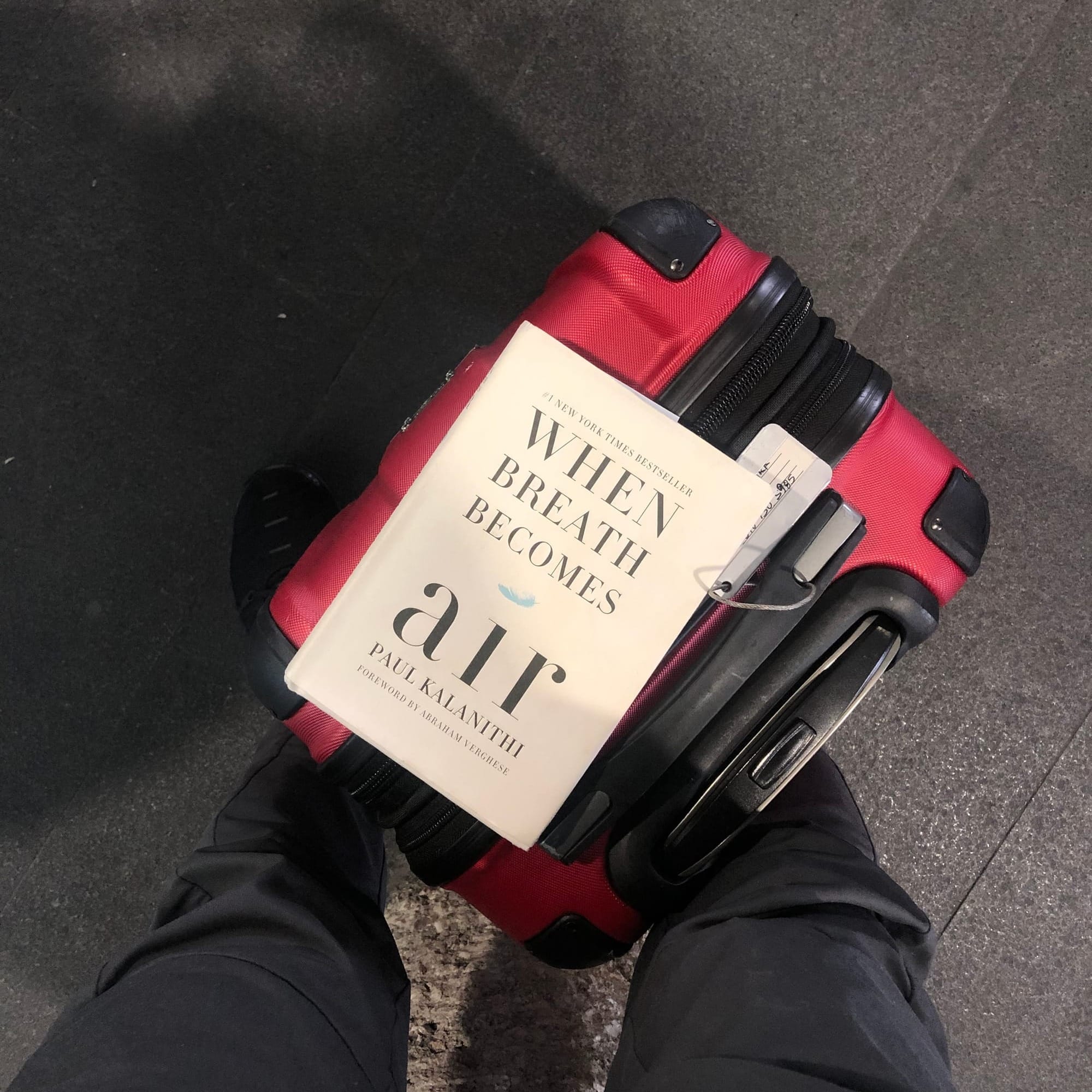
When my wife suggested this book to me years ago while she was studying psychology and neurology, I initially shrugged it off as it diverted from my typical history-self-improvement-sci-fi bro canon.
Now as a yearly read, I anticipate the reminders this book gives, including that our time on earth is finite; treat everyone with respect; and it can always be you.
The author’s life ended before the book was finished, having succumbed to cancer. The resolution to complete the book brought me to tears during the first read — all while on vacation in Mexico. If those themes are of interest to you I can’t recommend this book enough. — Amir
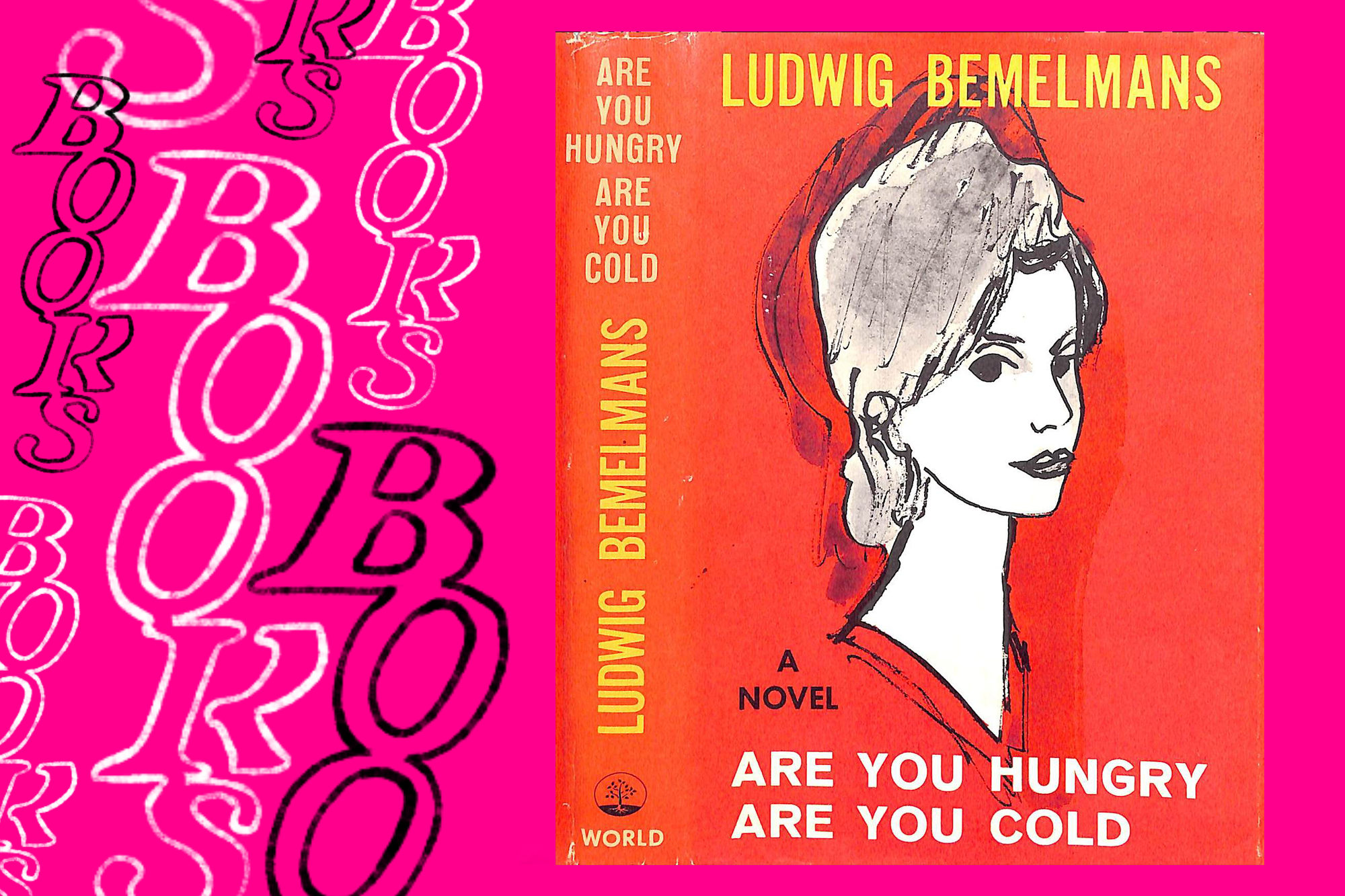
That’s the fellow who wrote Madeline to you. A wonderful, very funny out-of-print novel about sadistic Europeans with unpleasant childhoods. 1960. — Danny
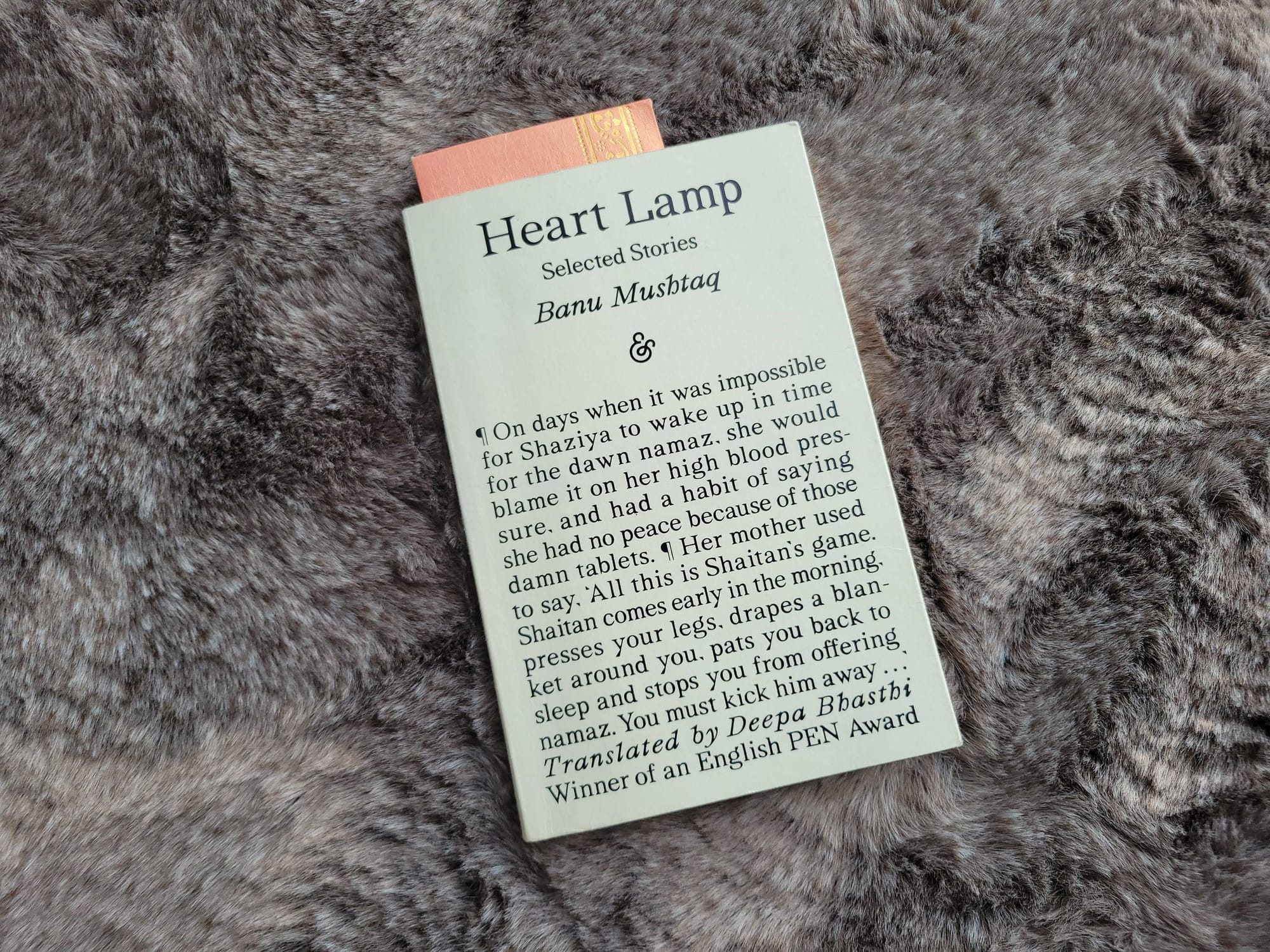
Short stories about women living in Karnataka, navigating a patriarchal society, but written with Banu Mushtaq’s keen and powerful feminist lens. Mushtaq is a Booker Prize-winning author from my mom’s hometown in Hassan, Karnataka. That alone was motivation to read the book (which was sold out and sold out again everywhere until I found a copy for me and my sister at Green Apple Books), but the cute, complex, frustrating characters carried me through.
This is a heavy book, and I put it down multiple times before making it to the end. Reader be forewarned. One of my favorite parts was the note from the translator, Deepa Bhasthi, who explained the different Kannada dialects and influences included in the stories, authentic of Mushtaq's upbringing as a Muslim woman in South India. It broadened my understanding of my mother tongue and my culture. — Supriya