COYOTE Calendar: April 2-April 8
This week we've got bee guts, doulas, post-colonial music, tempeh, and more.


This week we've got bee guts, doulas, post-colonial music, tempeh, and more.

Every year I wonder if visibility and joy are the same thing. And every year I am more and more convinced that the answer is no.
With new EP ‘Invidia’ and two more on the way, the San Francisco musician and prolific collaborator comes into his own as a solo artist.

One of the city’s last independent music venues, Bottom of the Hill has survived waves of gentrification, COVID closures, and more throughout its 35 years. Now, owners say it’s last call — on their own terms.

It’s only the first week of 2026, but at storied San Francisco rock club Bottom of the Hill, the owners are already thinking about next New Year’s Eve.
That’s because, according to longtime owners Ramona Downey, Kathleen Owen, and Lynn Schwarz, the Dec. 31, 2026 show will be the venue’s last. In an exclusive interview with COYOTE, they said Bottom of the Hill will shutter at the end of this year.
The future of the space after that is currently up in the air. Downey, Owen, and Schwarz have not discounted the possibility of it continuing on as a different live music space under new ownership.
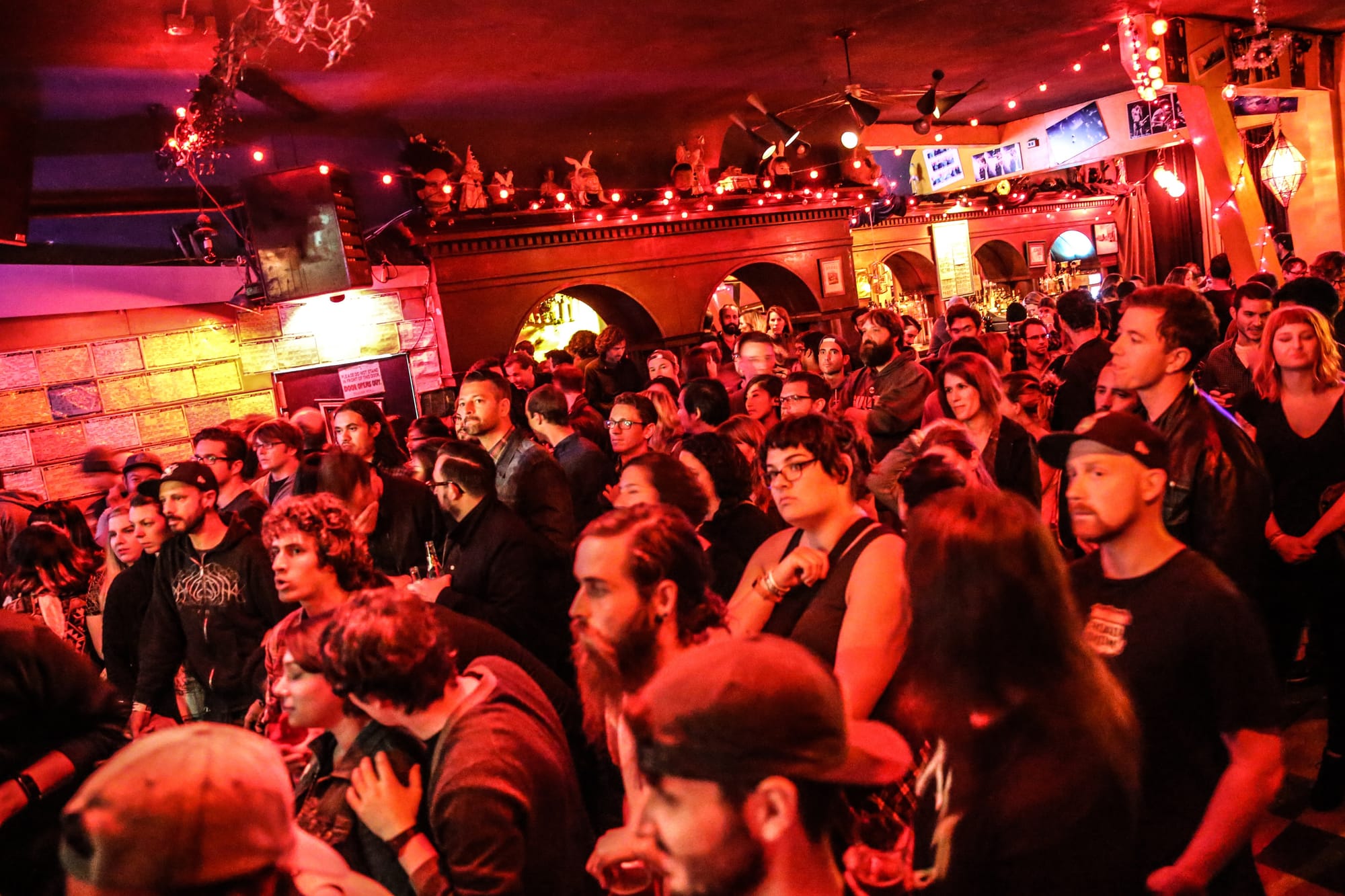
But for now, the impending closure of the small Potrero Hill club — one of the few remaining venues in San Francisco not booked exclusively by a corporate promoter like Live Nation or Goldenvoice — marks a major blow to the city’s live music scene. Numerous superstars like Oasis played the 247-capacity room on their way up (check out any show calendar from the ‘90s or early 2000s, all lovingly preserved on the venue’s website, to have your mind blown). The brunt of the impact, however, will be felt by local artists, who have been the club’s bread and butter seven days a week for nearly 35 years.
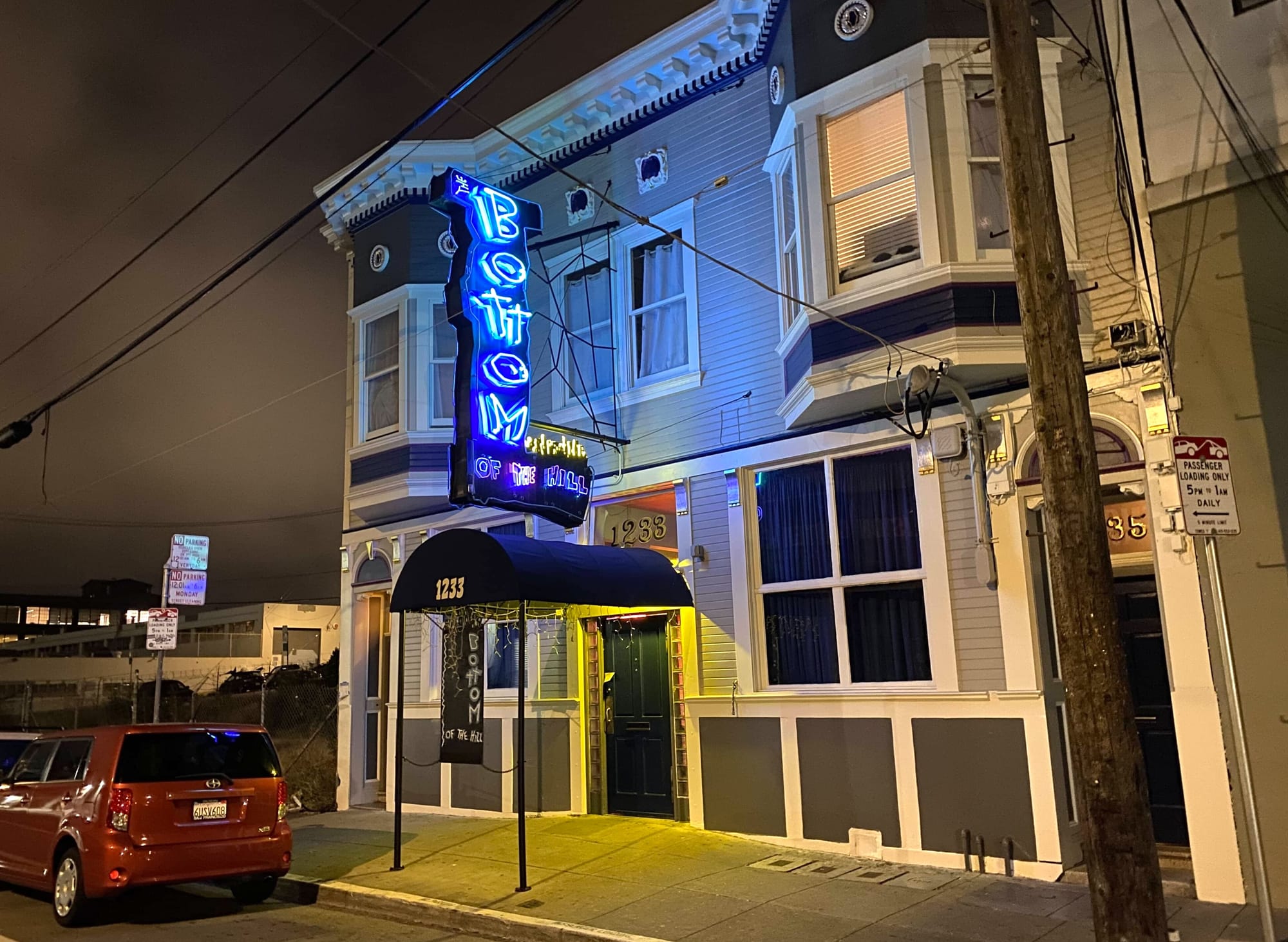
Unlike so many venue closures that have shaken the Bay Area music community over the last decade, there’s no heartless landlord selling to condo developers in this story. Downey and Owen, who have both been with Bottom of the Hill since it first opened as a restaurant-turned-punk-club in 1991, are the landlords. They, along with Owen’s husband Judas, own the small, two-story building that houses the venue, which dates to 1911. (They bought it for about $1.5 million in 2005.)
Instead, describing the closure as “the hardest decision we’ve ever made,” Downey cited a number of contributing factors, not all of them financial.
Yes, there are weighty operating costs (insurance alone is now about $34,000 annually). But massive shifts in San Francisco’s demographics — like ever-fewer working-class folks and people in the service industry — have also played a role. Then there’s the increasing corporatization of the live music ecosystem, which has made it harder to stay competitive when booking talent. Meanwhile, societal changes that arrived with the pandemic (people staying home more often, and relying on streaming services for entertainment) mean it’s tough to do business the way they used to. Keeping ticket prices low has become a challenge.
But most importantly, the owners say, they each have personal reasons for wanting to step away — to spend time on other projects and reclaim a bit of their lives after three-plus decades of working around the clock to run a scrappy venue in a 115-year-old building.
“We all agreed that we’ve had so many good years, and we want to go out on a good note — not because we went out of business, but because we all decided, collectively, it’s time,” says Downey, who booked the club for 27 years and helped build its reputation as a place to catch a rising star.
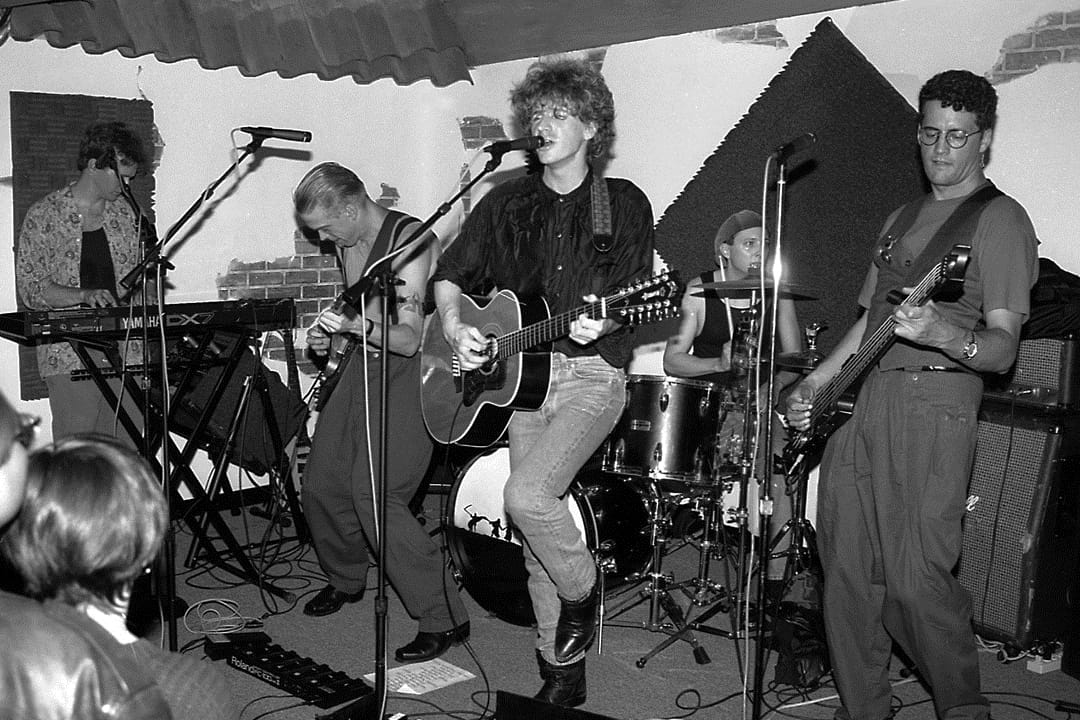
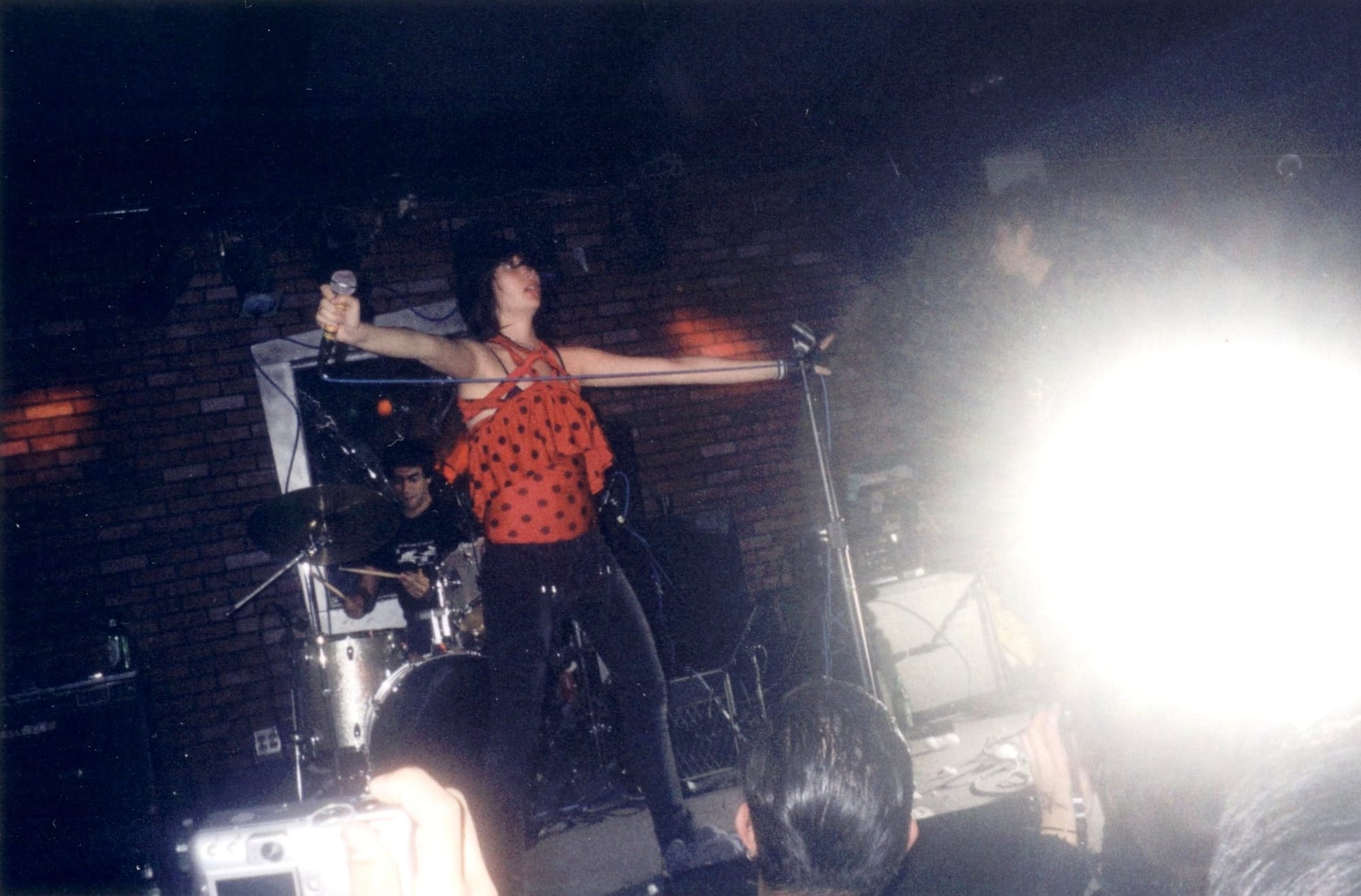
It was under Downey’s booking tenure that the Strokes, Joan Jett, Elliott Smith, the Yeah Yeah Yeahs, Pavement, Beastie Boys, the Flaming Lips, the White Stripes, Death Cab for Cutie, Arcade Fire, Green Day, Alanis Morissette, and Lizzo, among thousands of others, all played the cozy venue, with its neon sign out front and plant-filled patio out back. (There are damn good stories about all of these shows, of course — like when the Beastie Boys were booked to play a secret show under the name Quasar in 1996, but then a LIVE 105 DJ spilled the beans on-air and 1,200 fans mobbed the place.)
“[Closing] is so hard to even fathom,” says Schwarz, who began as a cook in Bottom of the Hill’s kitchen in 1997, worked her way up to being a co-owner, and took over booking in 2017. “I feel like we could stay open forever. But as soon as it got brought up, it felt like the right decision.”
The business, she says, has had “a beautiful arc.”
The end of that arc is uncertain, to say the least. The trio is considering a number of possibilities, including selling the building — ideally to become another independent, community-oriented business — or leasing it. They’ve enlisted the advice of their longtime friend Guy Carson, the nightlife veteran and former Cafe du Nord owner-turned-realtor, to start.
Asked if they would consider selling both the real estate and the business, name intact, to people who wanted to keep Bottom of the Hill going, the longtime friends paused and looked at each other.
“This is how I honestly feel: I have no idea,” says Owen with a laugh. She knows she doesn’t want it to be bought by developers; there’s too much history in the building, in the neighborhood. “If it was another independent music venue, that would be awesome.”
“In its current incarnation, we have a year,” says Schwarz, explaining their hesitation. “If we sell the business name, it would have to be to someone that we absolutely trusted with our legacy, you know? That means a lot to us.”
That legacy includes an all-too-rare baseline of respect for artists: things like not taking a cut of merch, or the website’s detailed guide to booking a successful show. Then there’s the tradition of industry mentorship; folks who got their start barbacking at Bottom of the Hill can now be found booking and managing venues throughout the Bay Area and beyond.
It’s also a legacy of hard-won battles.
Circa 2009, when a California Department of Alcoholic Beverage Control crackdown on all-ages clubs threatened to shutter Bottom of the Hill, the club’s neighbors wrote impassioned letters of support that owners say helped it stay open. In 2015, the club’s staff helped pass city legislation that protected venues from noise complaints by new residents moving into nearby condos.
At the same time, the rapid development of nearby Mission Bay changed the once blue-collar neighborhood significantly. That, and the affordable housing crisis of the past decade, pushed many of their employees, clientele, and working musicians to leave San Francisco altogether. The city’s public transit funding shortfalls have also made it harder for folks to get to and from late-night venues, especially one out in Potrero Hill.
In short, the club’s survival up until now has come to seem somewhat miraculous. It’s a time capsule and a perpetual underdog, a rare rock ‘n’ roll space run by three women, an artist-friendly room hanging on by a thread.
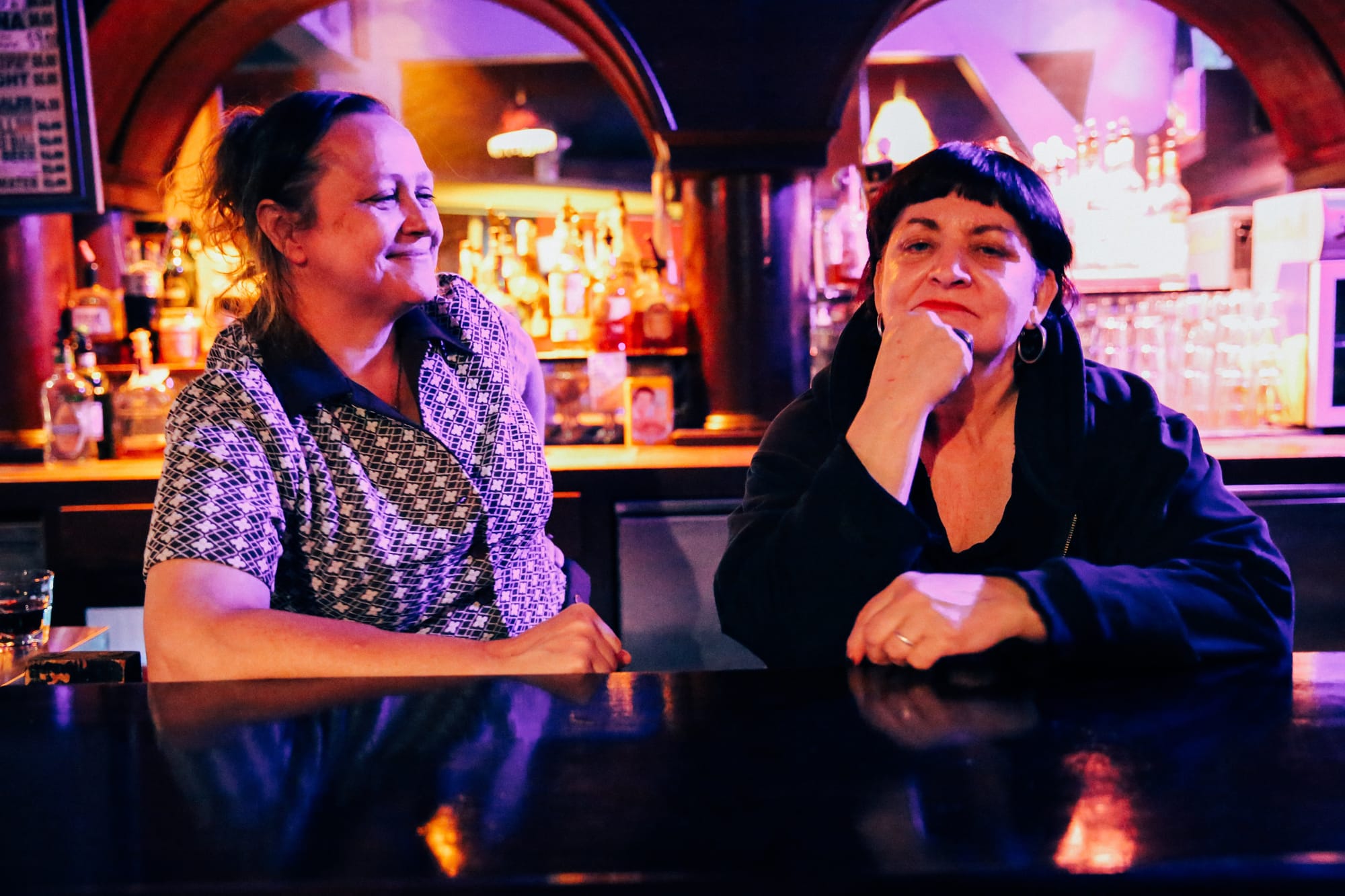
Downey, Owen, and Schwarz know all this, and they feel pressure to ensure that whatever comes next for the space will be worthy of its past.
They hope that anyone considering taking it on as a new venue would be interested not just in live music as a business, but in maintaining the club as a community. The room has played host to rock ‘n’ roll marriage proposals, countless fundraisers, and several memorials — including an emotional gathering for Bottom of the Hill sound engineer Barrett Clark, who died in the Ghost Ship fire, and a memorial for Tim Benetti, a founding owner of Bottom of the Hill, who remained business partners with Owen, Downey, and Schwarz until his death in 2023.
For now, the trio of owners are focused on the year ahead. They aim to make 2026 more of a victory lap than a wake — and of course they have bucket-list artists in mind who they hope will return to the tiny stage: Murder City Devils. The Jesus Lizard. Queens of the Stone Age.
Beyond that, the club’s owners can only share what they know for sure. On Friday, the trio began calling venue staff to announce the closure, and to tell employees — some of whom have been with the club for more than a decade — that they have the owners’ full support if they need to begin job searches immediately.
“They’re welcome to stay the whole year, or if they need to leave, we’ll help them in any way we can,” says Schwarz. “They’re our family.”
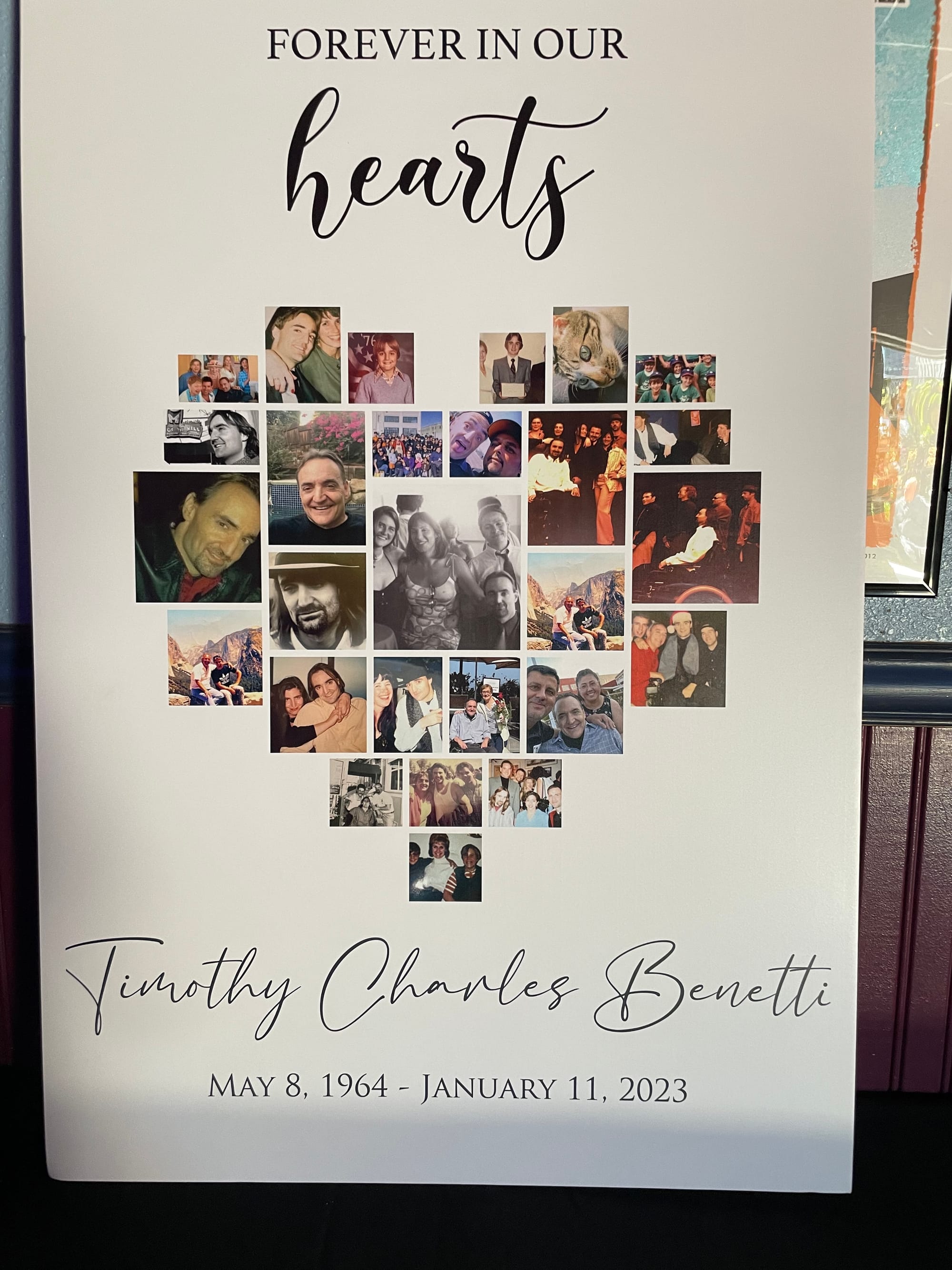
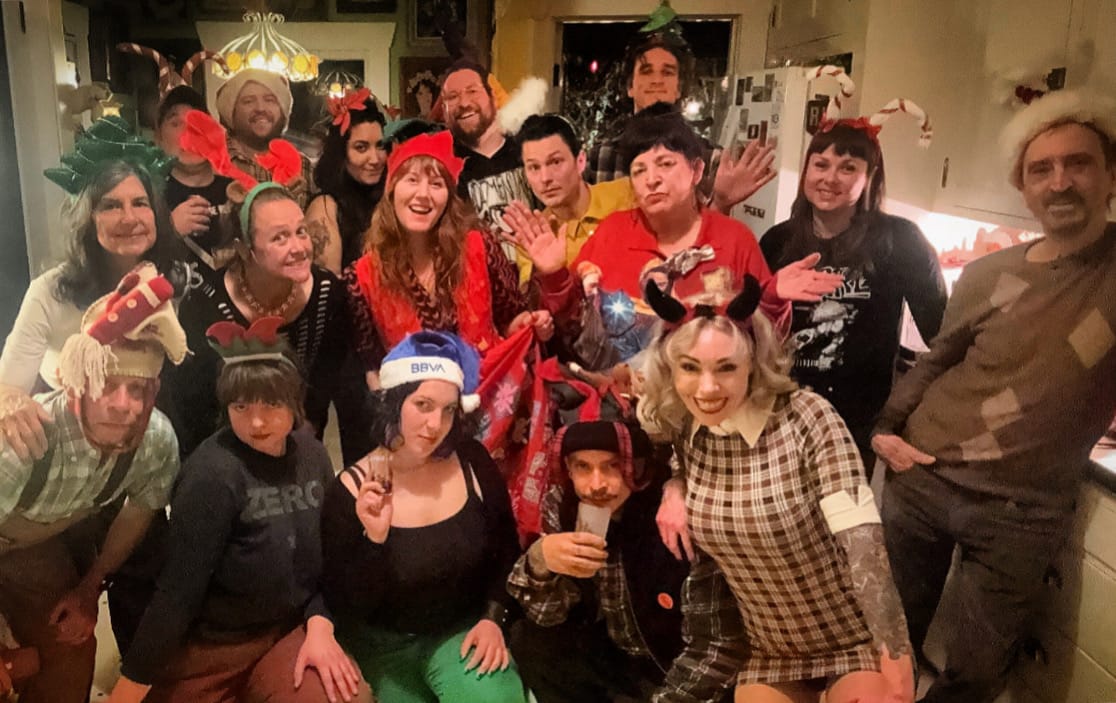
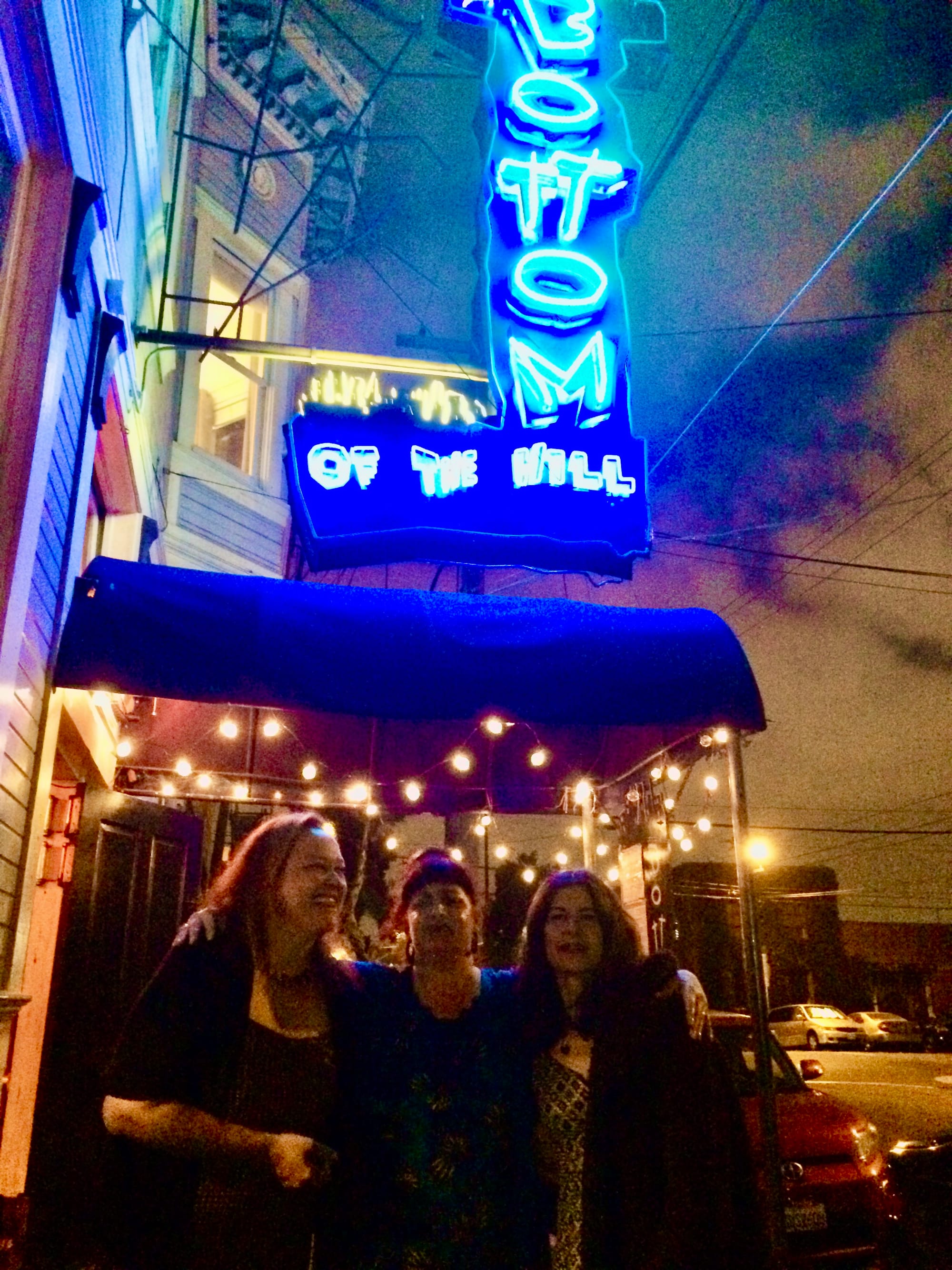
Left to right: A wall of memorial photos for Bottom of the Hill co-owner Tim Benetti; venue staff at a recent Christmas party; Lynn Schwarz, Kathleen Owen, and Ramona Downey outside the club at a 25th anniversary show in 2016. (Photos courtesy of Lynn Schwarz)
Aside from staff, the owners’ hearts are with local artists.
On the flip side of all the thankless work of running a venue, says Downey, are moments like when a band is playing Bottom of the Hill for the first time: “You get goosebumps because all these kids are in front of the stage, singing the lyrics to a new song as loud as it's coming through the PA, and sometimes the album isn’t even out yet,” she says.
“There has never been a lack of talent in the Bay Area,” adds Schwarz. “And there never will be.”
Bottom of the Hill will have shows at least through the end of 2026, and you should go to as many as you can. Check the calendar here.