It’s Time To Kill the Hero
On Cesar Chavez, René Redzepi, and all the men we make excuses for in the name of the greater good.


On Cesar Chavez, René Redzepi, and all the men we make excuses for in the name of the greater good.

In bars and back rooms, a radical group of pool players is creating space for women and nonbinary, trans, and queer folks — one break at a time.

This week we've got retro tech, mutual aid several ways, Persian Norwuz, soft pretzels, and more.
On Cesar Chavez, René Redzepi, and all the men we make excuses for in the name of the greater good.

This week, we bore witness to the fruits of a 5-year-long investigation by New York Times reporters into allegations of sexual misconduct, grooming, and rape by venerated labor activist Cesar Chavez. Labor organizations like the United Farm Workers have scrambled to distance themselves from Chavez, while several California cities and towns are grappling with what to do about all the streets, parks, and schools named after a man who raped young girls.
Just a little over a week ago, the food world roiled as dozens of harrowing stories exposed one of its “gods” — the celebrated chef René Redzepi, of Copenhagen’s Noma — as an artist-tyrant. For years, the New York Times and former employees reported, he choked, stabbed, and berated staff members; profited handsomely from unpaid labor; and threatened to have employees and their families deported from Denmark. Redzepi has since stepped away from both Noma’s daily culinary operations and the management of its pop-up in Los Angeles, though he remains with the company.
These cases are, of course, different in very meaningful ways. Yet both men have been central figures in the modern food system, operating from opposite ends: Redzepi in the world of fine dining; Chavez, among the laborers producing the food that ends up in the world’s kitchens.
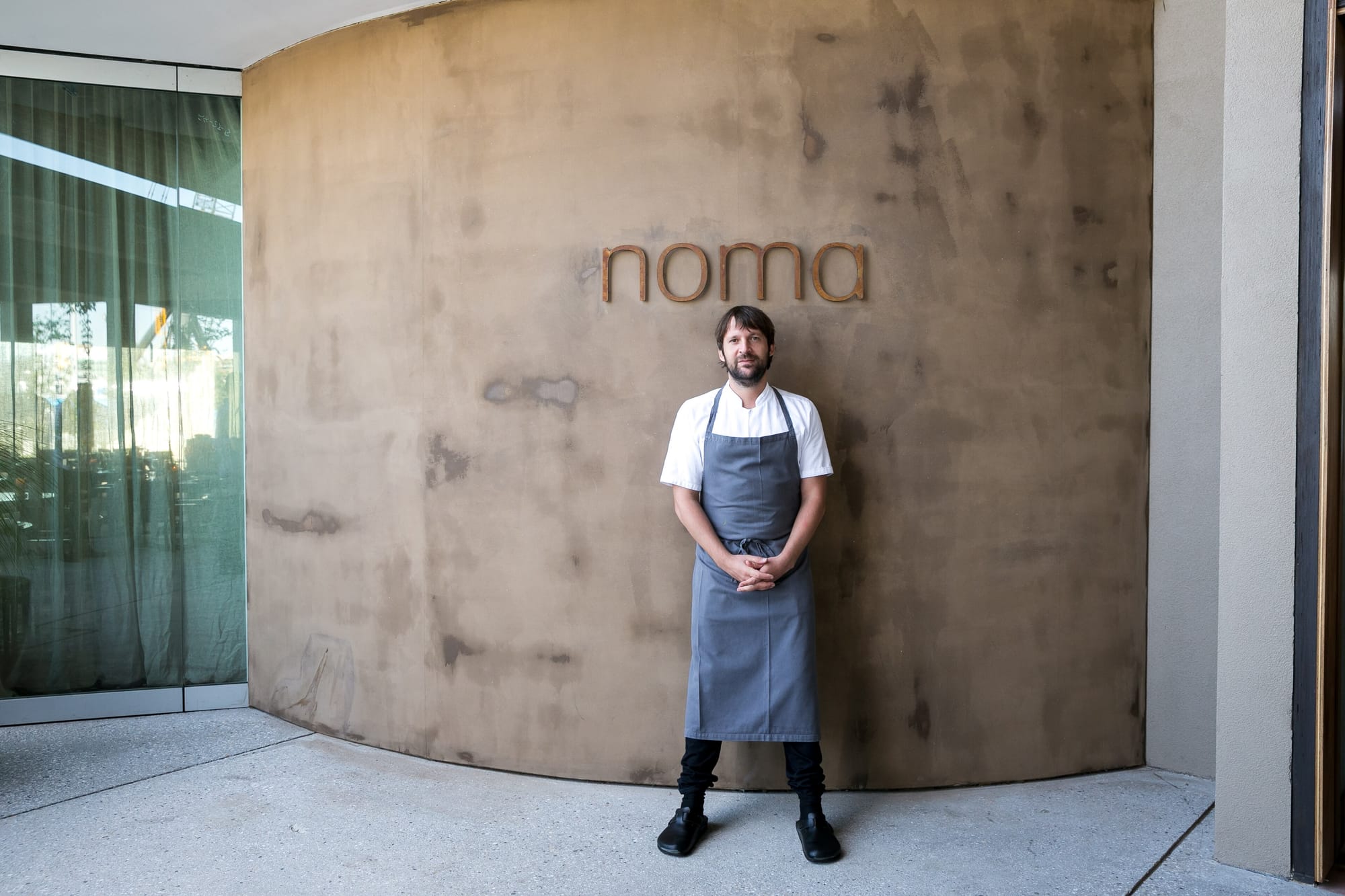
Fastening them together is the idea that we need heroes and geniuses so badly that the harm they cause other people simply doesn’t matter. Is it enough to “cancel” disappointing heroes like Chavez and Redzepi and then continue to avert our eyes from whoever comes next? Or can we try to interrogate the urge to repeatedly create new gods, and new victims, out of a misguided sense that it’s all “worth it,” somehow, for the sake of art or progress or the greater good?
In her piece on Noma for The New Yorker, critic Helen Rosner writes,
“Noma’s influence is essential to the story of the violations that took place there. A stint at Noma is the highlight of any cook’s résumé, the culinary equivalent to singing at the Met or dancing with the Bolshoi or interning at The Paris Review. It’s easy to understand why thousands of people clamored to work there, and why, once a lucky few made it in, they might have found it difficult to complain, or to criticize, or to leave.”
You put up with being shoved, with being threatened, all for the sake of surviving the experience and seeing the words “Noma alum” next to your name when you finally start your own thing. You stand outside in a circle with your fellow cooks, stonefaced as you watch your chef, this god among men, scream at your coworker for the sin of putting on music that he doesn’t like. You wipe your colleague’s blood off the sharp edge of a metal counter and continue on with dinner service. You do this for the prestige: your ticket to something better.
Over the past many decades, Chavez’s survivors, including labor leader Dolores Huerta, were forced into a similar calculation — but in this case, it was their pain versus the movement that gave them, their families, and their communities hope and a sense of greater purpose. Via the New York Times:
“Ms. Murguia, Ms. Rojas and Ms. Huerta said they struggled for years about whether to tell their stories publicly. Some of those closest to them begged them not to, arguing that it could not be a worse time to attack a Latino hero, when immigrants were facing widespread detention and deportation and the political rights of Hispanics seemed to many to be under assault.”
In an individualistic society, this is a tragically rational exchange, whether done consciously or not.
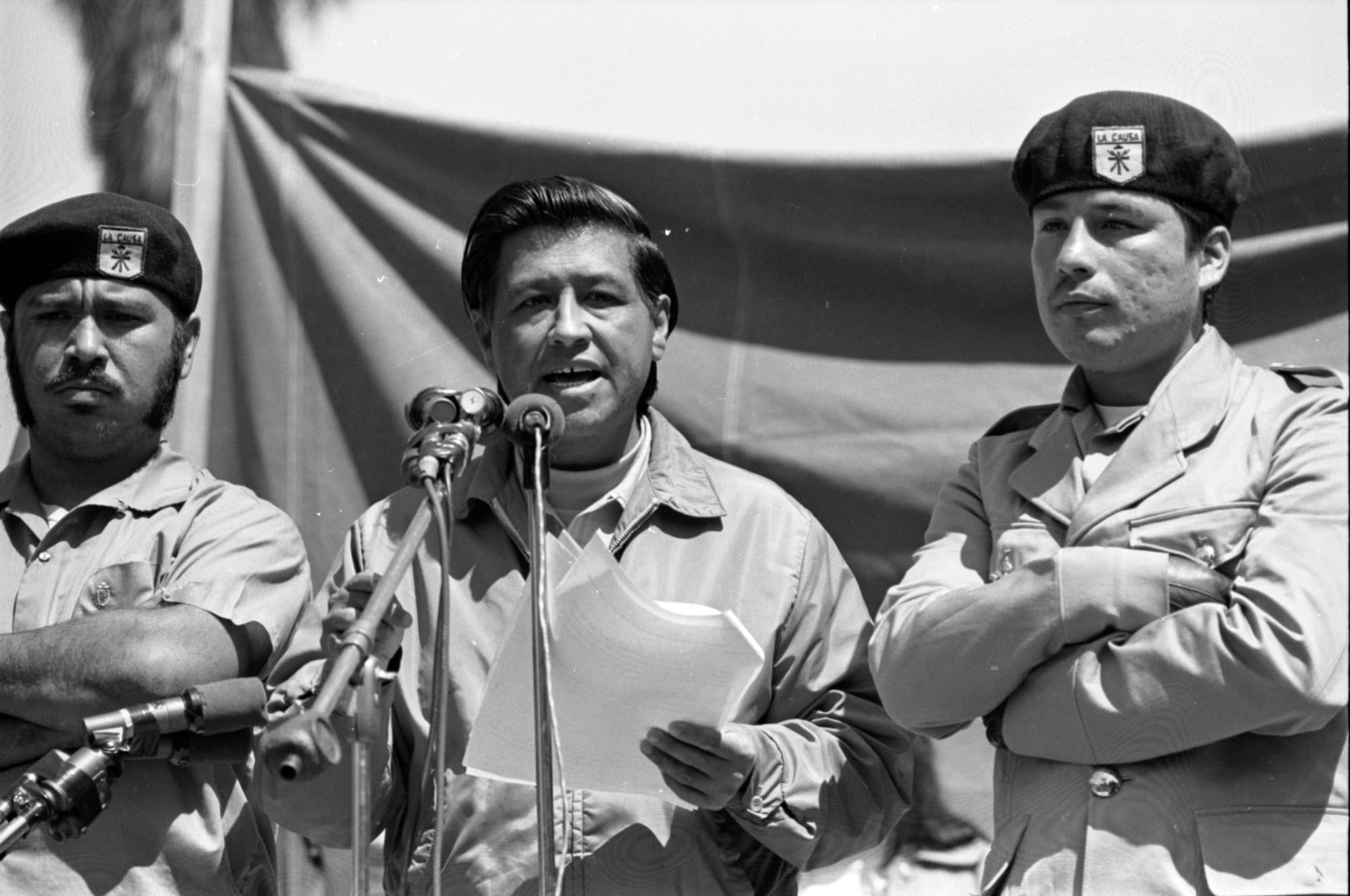
Most of us have, at some point, looked away. We’ve kept buying the records, visiting the “important” restaurants, citing the books, attending the retrospectives, taken selfies with the cardboard cutouts. We’ve told ourselves that the art or the meal or the experience exists separately from the person. We have all, in some form, paid into the system that makes these men feel protected. That’s not a reason for guilt so much as a reason for honesty about what we're actually dealing with here.
It’s no coincidence that these men thrived while stepping on the necks of people that our system casts as readily exploitable: Latinas, immigrants, and members of the working class. These abusers relied on their victims caring so deeply about larger movements that they were willing to put up with being abused, dismissed, and disbelieved. And even with all of the evidence against Redzepi, there are still plenty of people in the food industry that are fine with publicly slobbering all over his boots. (Including the owner of San Francisco’s Birdsong! Hi!)
In the pursuit of justice, exposing the behavior of bad actors like René Redzepi and Cesar Chavez is an important start. But if our long-term goal is to prevent these things from happening again, it’s essential to question the institutions that made these men feel secure enough in their importance that they could hurt people with impunity. In a more collectively oriented society, charismatic egotists wouldn’t be so load-bearing that threatening them would be an existential catastrophe. They would just be parts of a greater whole.
The reminders of our system’s priorities live in the street names, the awards, the documentaries, and all of the everyday celebratory apparatus that surrounds us. A detail from the New York Times investigation that has stuck with me is one woman’s recounting of being propositioned by Chavez while sitting with him in his camper. “At one point, she said, Mr. Chavez pointed to a street sign outside bearing his name and suggested that he could use his influence to get something named for her if she slept with him.”
On social media, I’m already seeing calls to replace Chavez’s name with other people’s names on schools, parks, and streets. They’re missing the point.
We need to kill the hero — before the hero dooms us all.