Yap Zone: The September 11 Artifacts Playlist
What were you listening to after the September 11 attacks?


What were you listening to after the September 11 attacks?

For Soleil Ho, September 11 was their political origin story.
This week we've got pruning, taxidermy, corn, cardboard, making U2 mad, and more.

In the Bay Area, the humble legume has quietly become a cultural touchstone — and a mirror for how we eat through uncertain times.

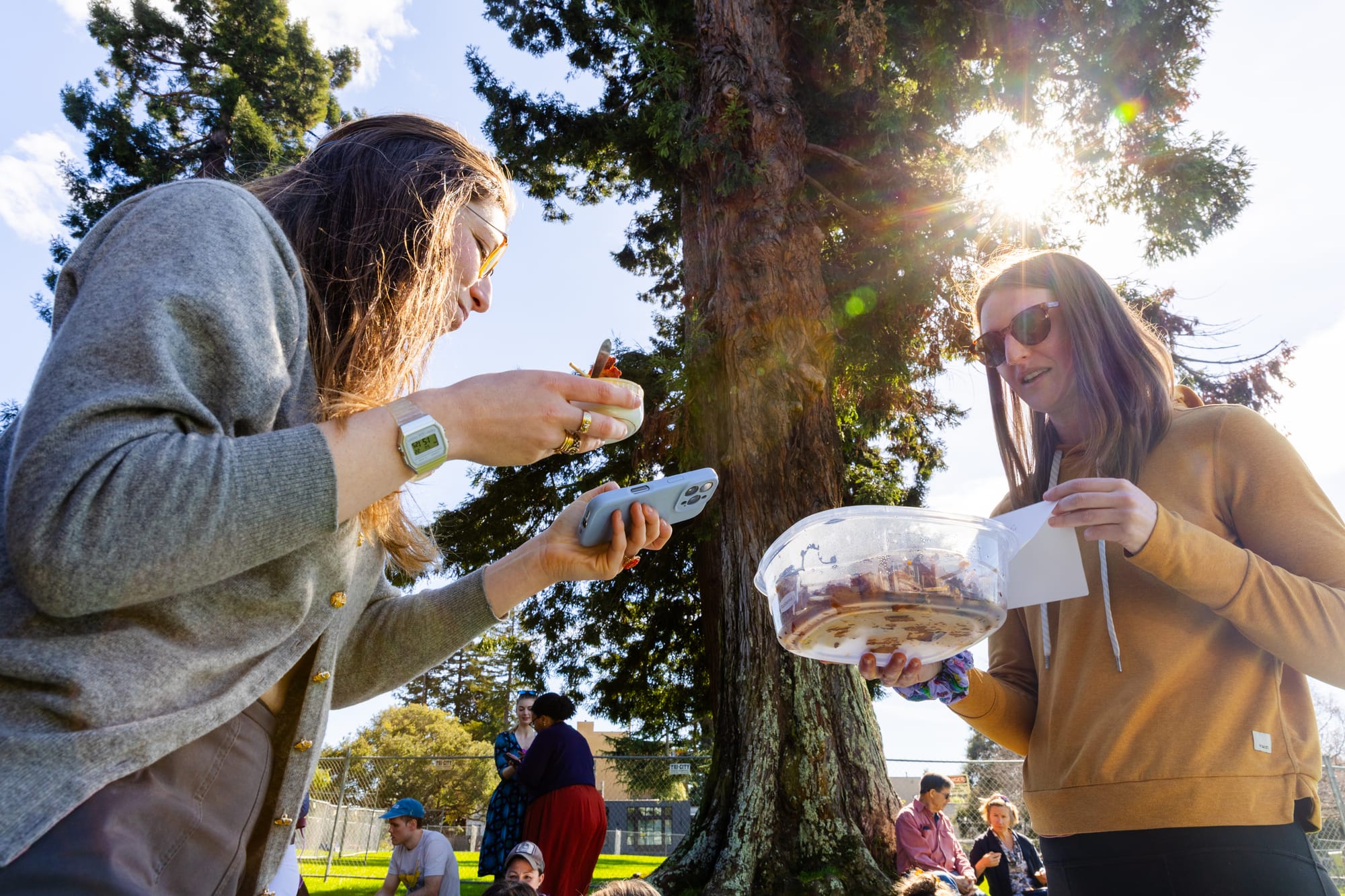
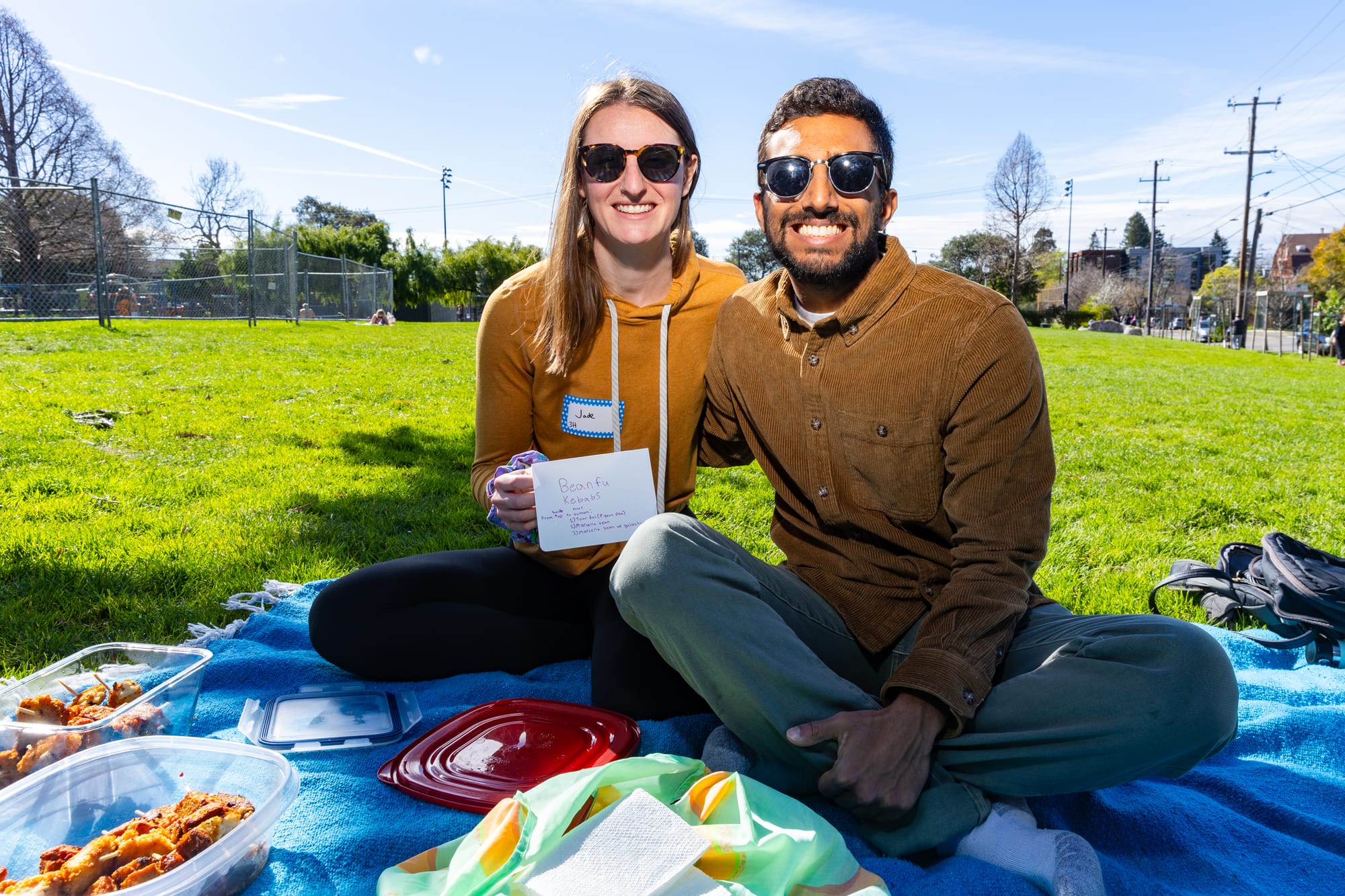
On Feb. 22, at Willard Park in Berkeley, you could barely move around on the island of picnic blankets without nearly stepping on some novel bean dish. There were glass containers of bean salads, trays of crumbly homemade tofu skewers, aluminum pans of beans baked into cakes and brownies. Madeline Schapiro — the self-described bean supporter, because "people try to call me the 'bean queen,' but I just support beans!" — brought a chocolatey bean dessert. I brought che dau trang with coconut sauce, which Schapiro later told me haunted her with cravings when she woke up at 3am that night.
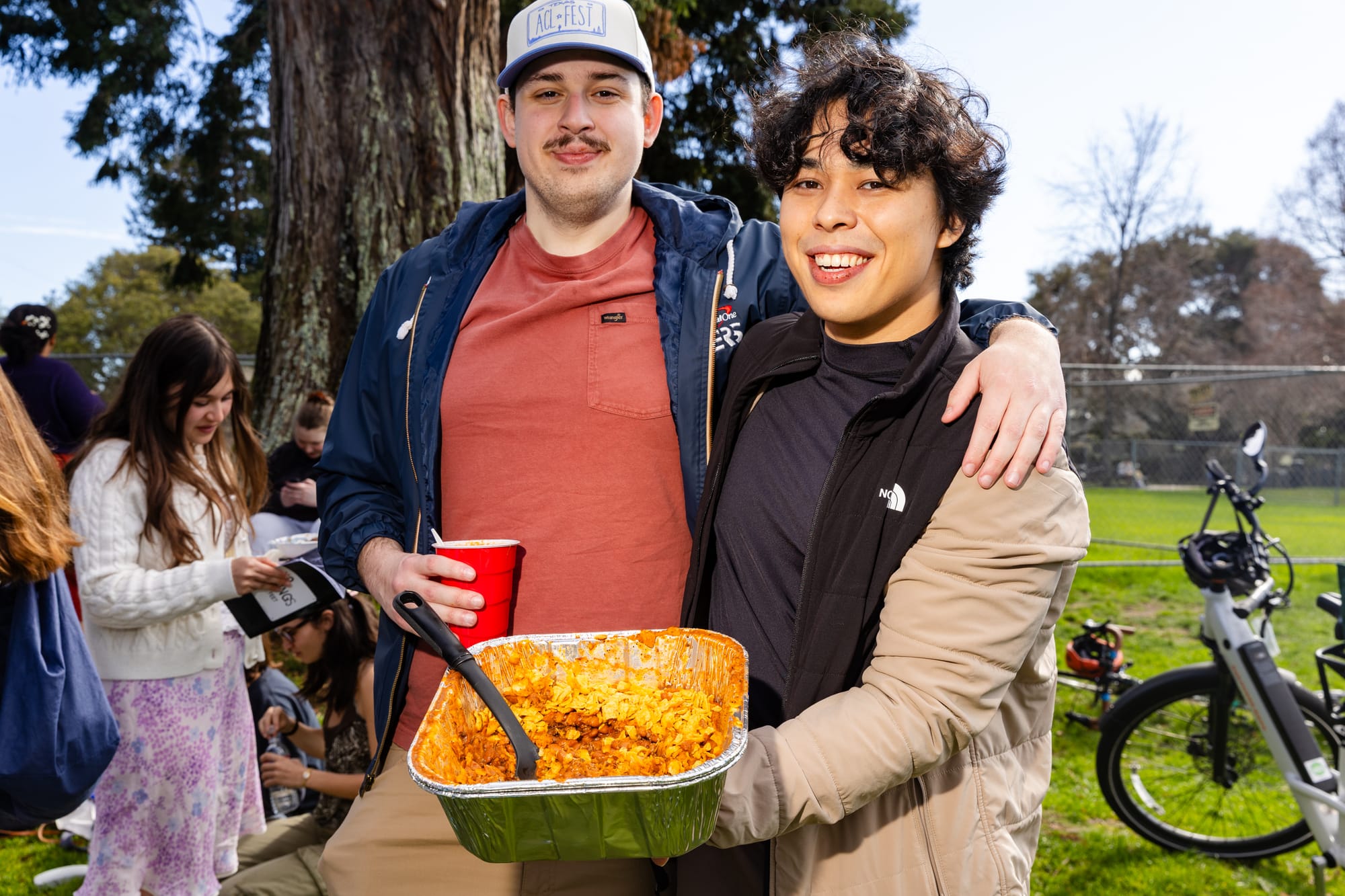
The Berkeley Bean-Up drew 70 people. Schapiro was brought to tears when a group of Gen Z guys arrived from the South Bay, frito pie in hand. "9 years ago beans changed my life," she wrote in her recap on Instagram, "and almost 9 months ago I decided to bring my admiration for them into yours."
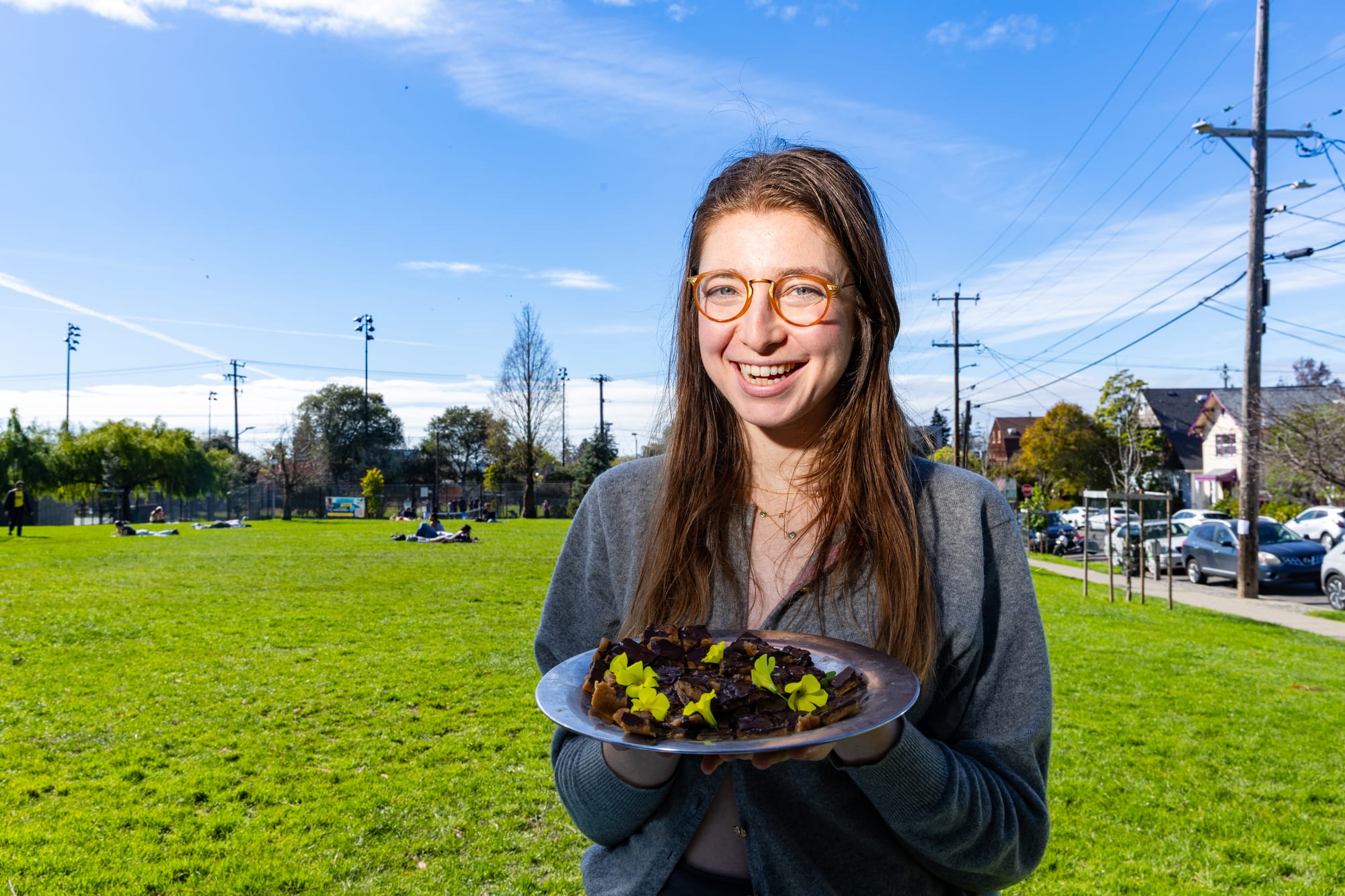
"Thank you for loving legumes," she added, "showing up to celebrate their beauty, and for helping to create a more beautiful community each and every day."
Schapiro is a bean influencer. There are several of these in the Bay Area. I paid big money for a college degree so I could write things like this.
I'm all-in on beans taking over Bay Area food. I find them, and bean people, so earnest, a little overwhelming, and so freaking delightful.
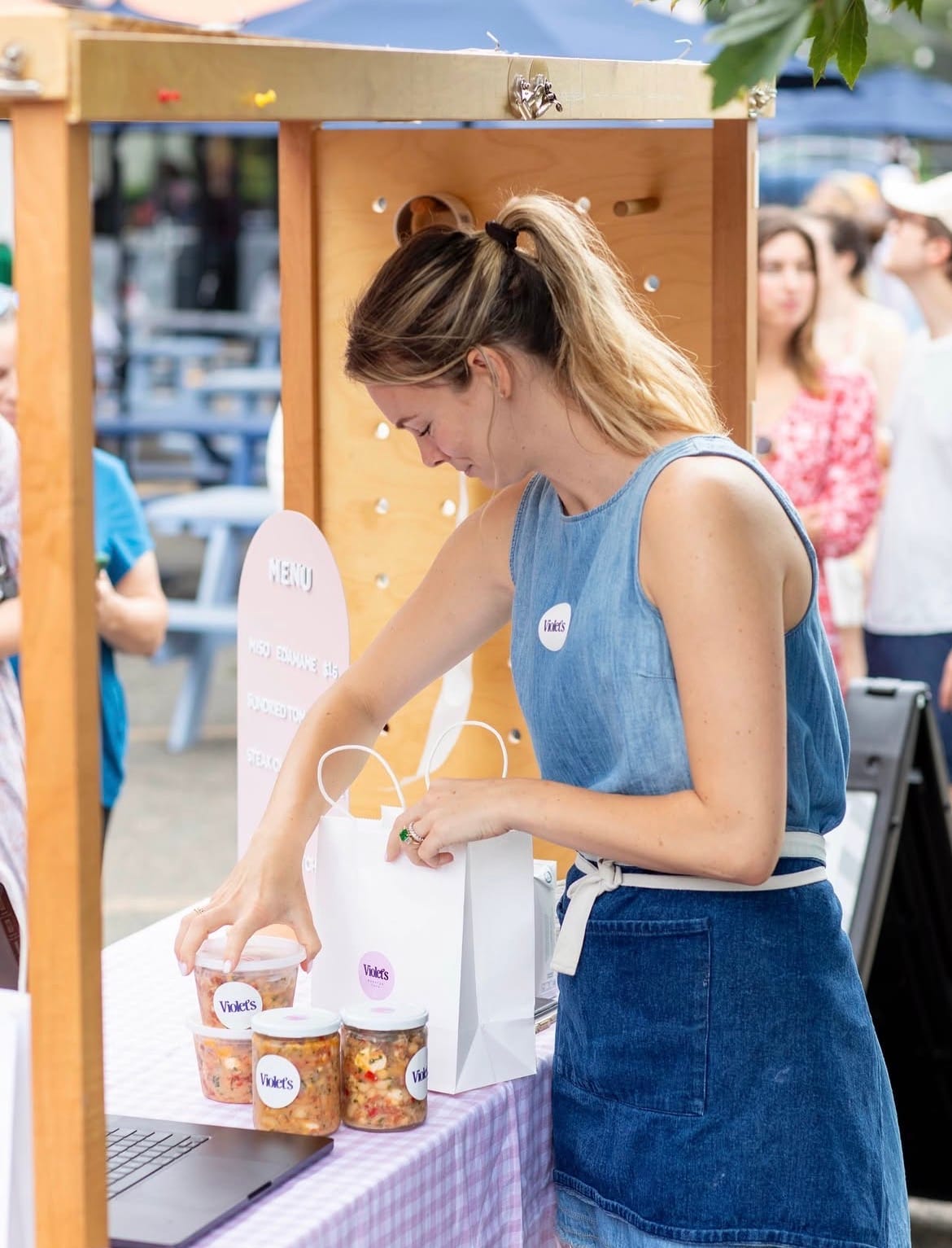
Outside the Ferry Building on a recent afternoon, watching kids flip out at pigeons and commuters debarking from ferries, Violet Witchel told me the bean moment is partly a product of the economy. "A lot of things, in my experience, go viral because of people's finances," said Witchel, a newsletter writer and cookbook author most credited with mainstreaming the "dense bean salad" online. Caviar and steak videos trended when things felt flush. Now that grocery prices have lurched upward and the macroeconomic anxiety is legible on every receipt, beans are having their moment — again, and differently.
Yes, beans are cheap, shelf-stable, high in fiber and protein, and beloved by diabetics looking for that sweet low-glycemic starch. Pregnant women in particular love Witchel’s bean recipes, she said. Studies on Americans’ consistent fiber deficiencies also boost the profile of fibrous frijoles. But the track Witchel’s on is all about rejoicing over the beauty, the flavor, and the poignancy of the legume nation.
"To bring a friend a dense bean salad, or a soup, or when someone has a baby, to bring them a lasagna you made — it's so joyful," she said. "It's really nice in a world of fear-mongering and weight-mongering and 'clear your skin' supplements."
"I think beans got the short end of the stick," she said. There's stigma around beans, and a lot of it is stigma around being poor. In the Bay Area — a place where the gap between tech-founder wealth and housing insecurity can seem like the only two options on the menu — that stigma carries weight. (I am honestly never not thinking about the scene from Disney’s “Mickey and the Beanstalk” in which Mickey, Donald, and Goofy are three starving peasants sharing translucent, tissue-thin slices of bread and a single bean between the three of them.) But Witchel and what she calls the “broader bean community” are focusing on celebrating the legume without pretending the necessity isn't also real.
Of course, the Bay Area has a special way of making even the modest bean something upscale.
If you want to understand the history of bean culture in the Bay Area, you have to reckon with Rancho Gordo — the Napa-based heirloom bean company that has, against all odds, become a genuine luxury brand. More than 30,000 people are on the waitlist for its bean club, which sends quarterly shipments of heirloom varieties to members. You’ll find its beans at restaurants like Luna Mexican Kitchen in San Jose and the French Laundry in Yountville. The company's new flagship store in Napa opened March 27 — with people flying in from out of state — and has the vibe of a wonderful, specifically leguminous specialty shop: dozens of bean varietals on display, bean lover merch, and a small metal trough filled with mixed dry beans. (The trough is labeled "touching beans." I plunged my hand in and saw god.)
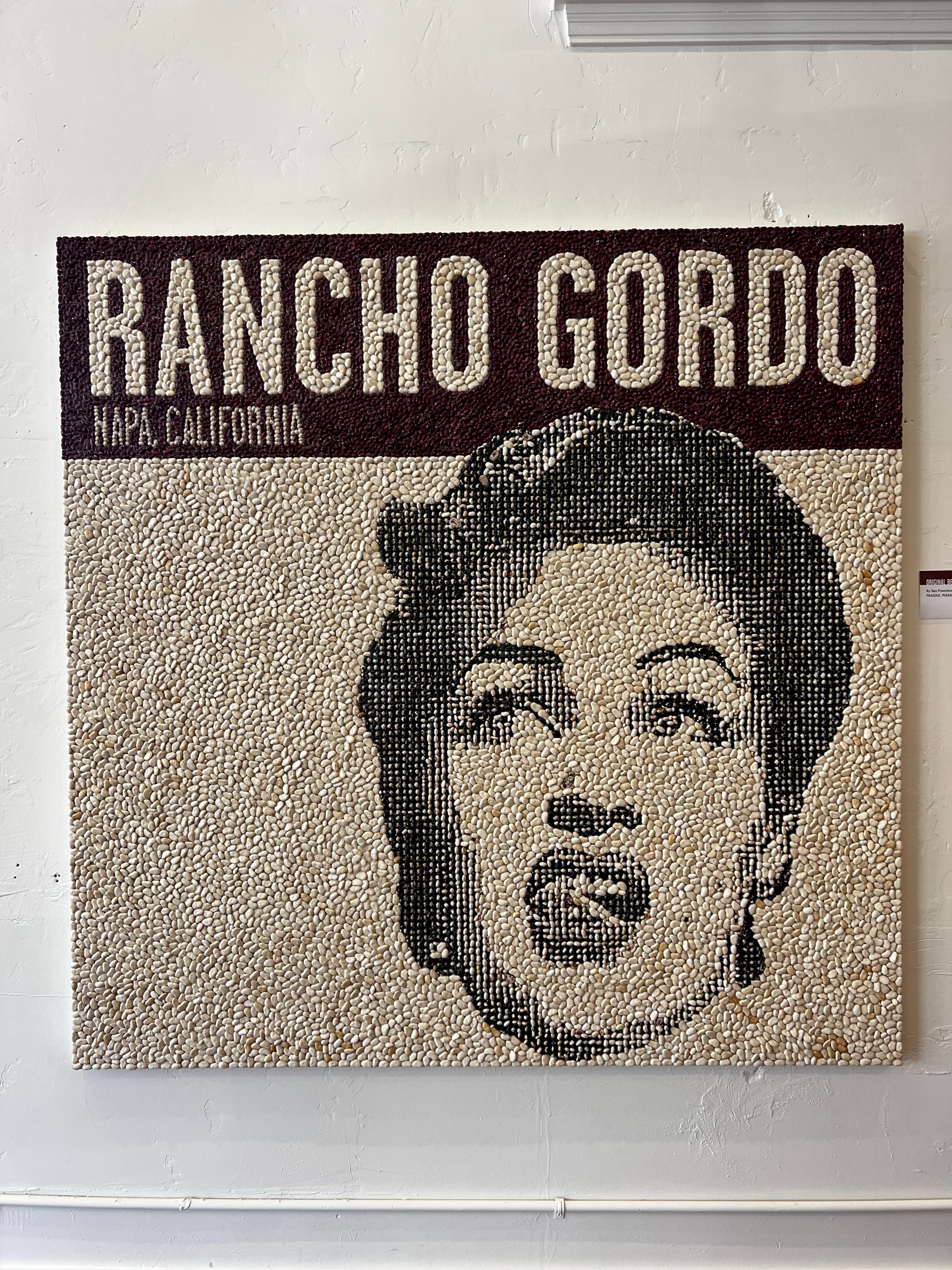
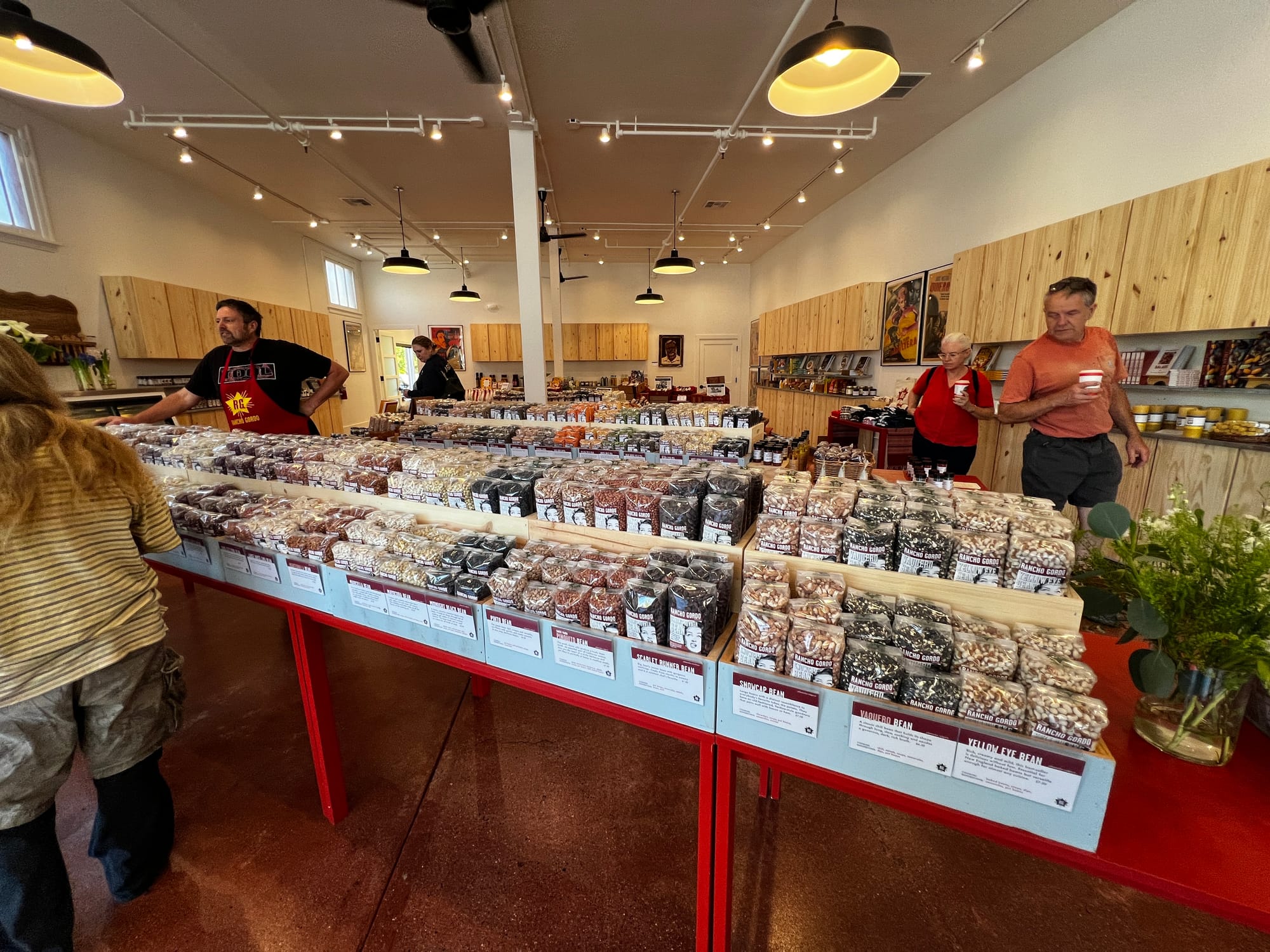
(L) A mosaic of the Rancho Gordo logo made of beans hangs in the new Rancho Gordo flagship store in Napa, Calif. (R) Customers browse the many, many heirloom beans available for purchase at the new Rancho Gordo flagship. (Soleil Ho/COYOTE Media Collective)
Rancho Gordo’s cultural cachet is so intense that it recently began sending cease-and-desist letters to other companies doing subscription-based “bean clubs”. The San Francisco Chronicle reported that the action has caused upset among small bean purveyors like the Bay Area’s Primary Beans.
While there are a few emerging “premium” pre-cooked bean brands out there, like the UK’s Bold Bean Co. and Heyday Canning Co., the bean influencers are sticking to dried beans. Witchel’s preferred bean is from Fifth Crow Farm in Pescadero. When it comes to specific brands, Shapiro (AKA Bean Supporter) loves the ones from Iacopi Farms in Half Moon Bay. My personal vote goes to Rancho Gordo's Christmas lima beans, speckled kidney-colored specimens which taste like chestnuts when you cook them.
But down in the South Bay, in San Jose’s expansive taqueria scene, a guy named Arthur is on a different kind of mission: trying every bean and cheese burrito in the city and treating each one with the seriousness of a sommelier cracking open a bottle of rare wine. Before chowing down, he flips each one like a baton twirler, and he sets his videos to punk and emo music.
"The beans were velvety and comforting, and the cheese played so nicely together," he wrote of one recent visit to Carnitas Michoacan. "The tortilla was kissed by the plancha just long enough, but I wish it had been just a little longer on it. Both of the salsas had deep flavors while standing out from each other."
There's nowhere to hide with a bean and cheese burrito, no char-grilled carne asada or guacamole to make up for any flaws in the particulars. Instead, you get plenty of space to appreciate the nuances of the bean, the quiet workhorse of the taqueria canon.
Personally, the bean dishes I keep coming back to are not the heirloom showpieces in fine dining restaurants, though I'm glad they're there. I’m just not going to be dreaming about a bean puree that will generally play second fiddle to wagyu or spot prawns.
The best bean dishes, to me, remind me of their infinite potential. I keep coming back to Oakland's Popoca not just for its masterful pupusas, but for the quietly perfect bowl of rice and beans, dressed with crema and escabeche. The crisp and kind of chaotic samosa burger at Zareen's in Redwood City. The chickpea flour-based buticha, which could almost double as a kosher deli’s egg salad, at Oakland's Cafe Colucci. The unctuous white bean paste inside one of Sheng Kee's iconic mooncakes, which I look forward to every Mid-Autumn Festival season. And one of my favorite off-the-shelf items is the tempeh made by Reculture Foods.
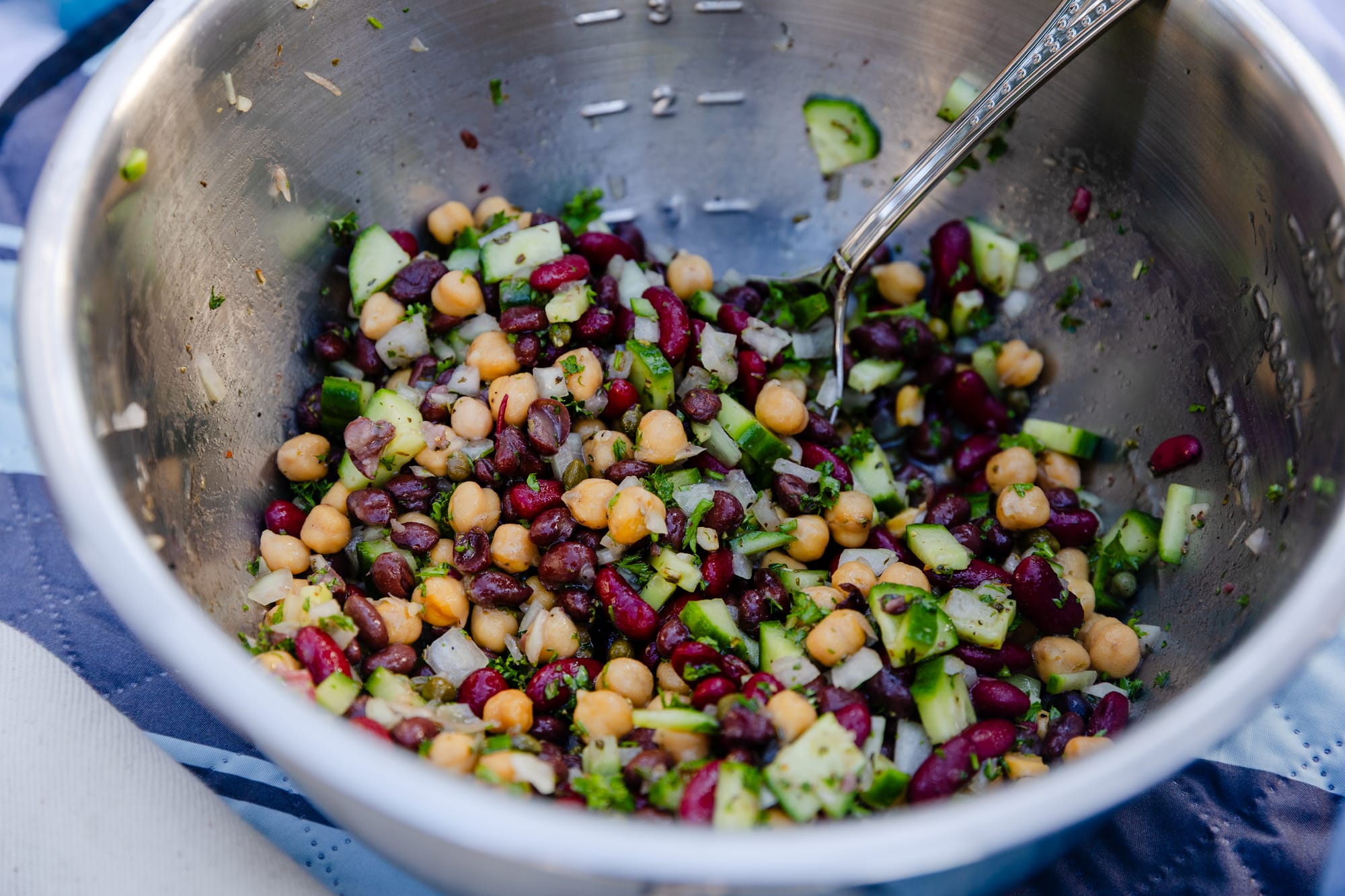
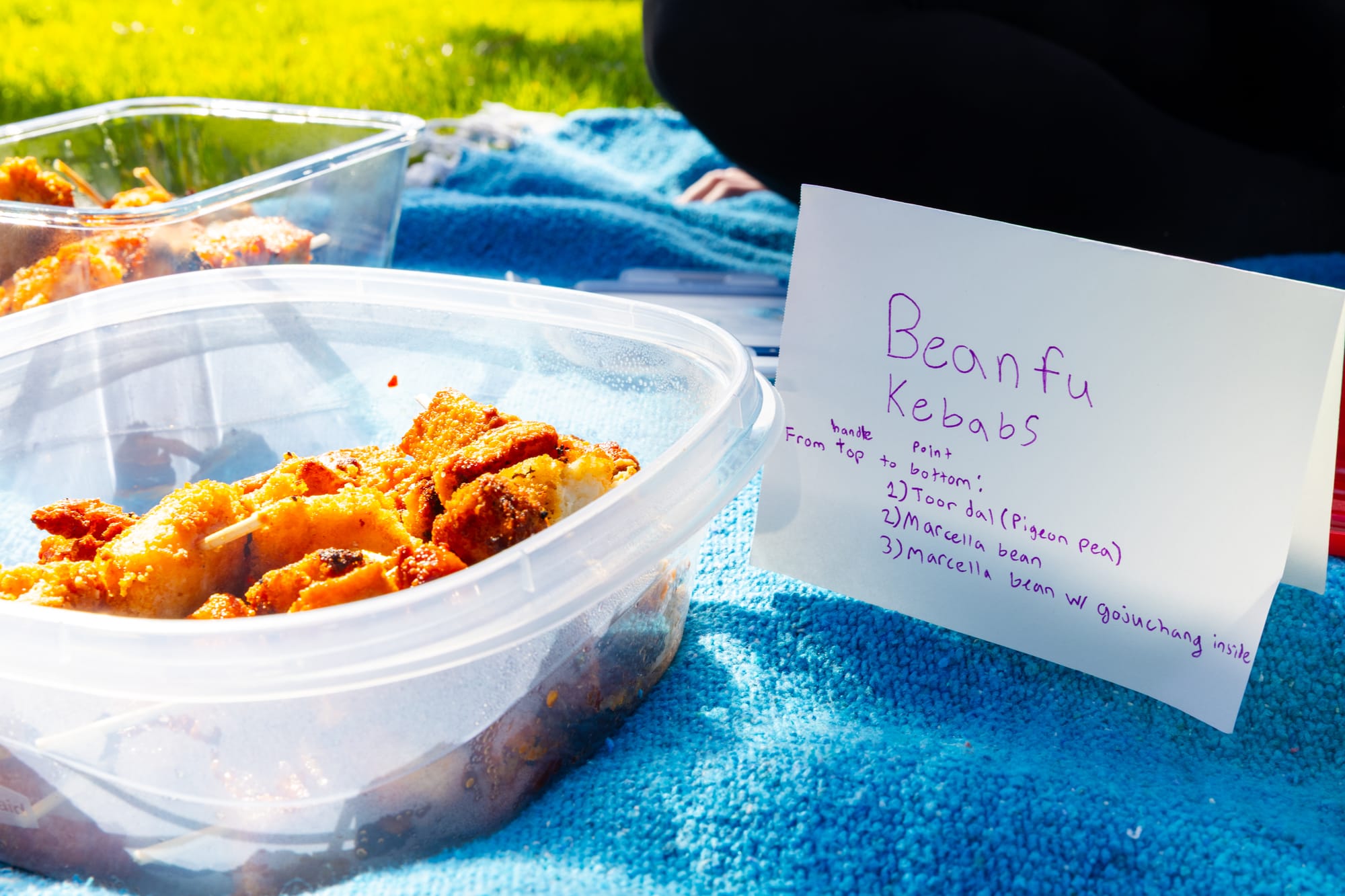
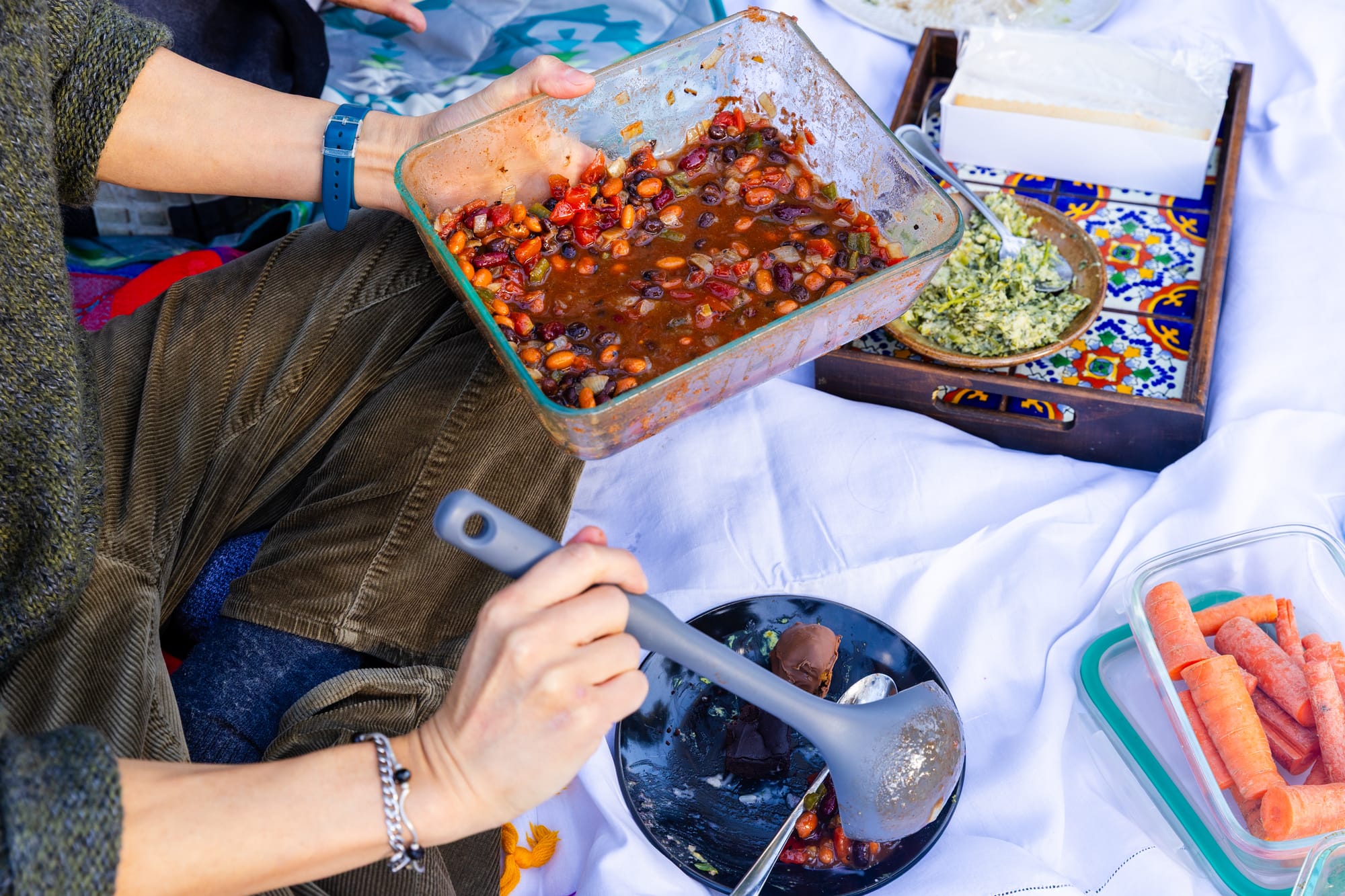
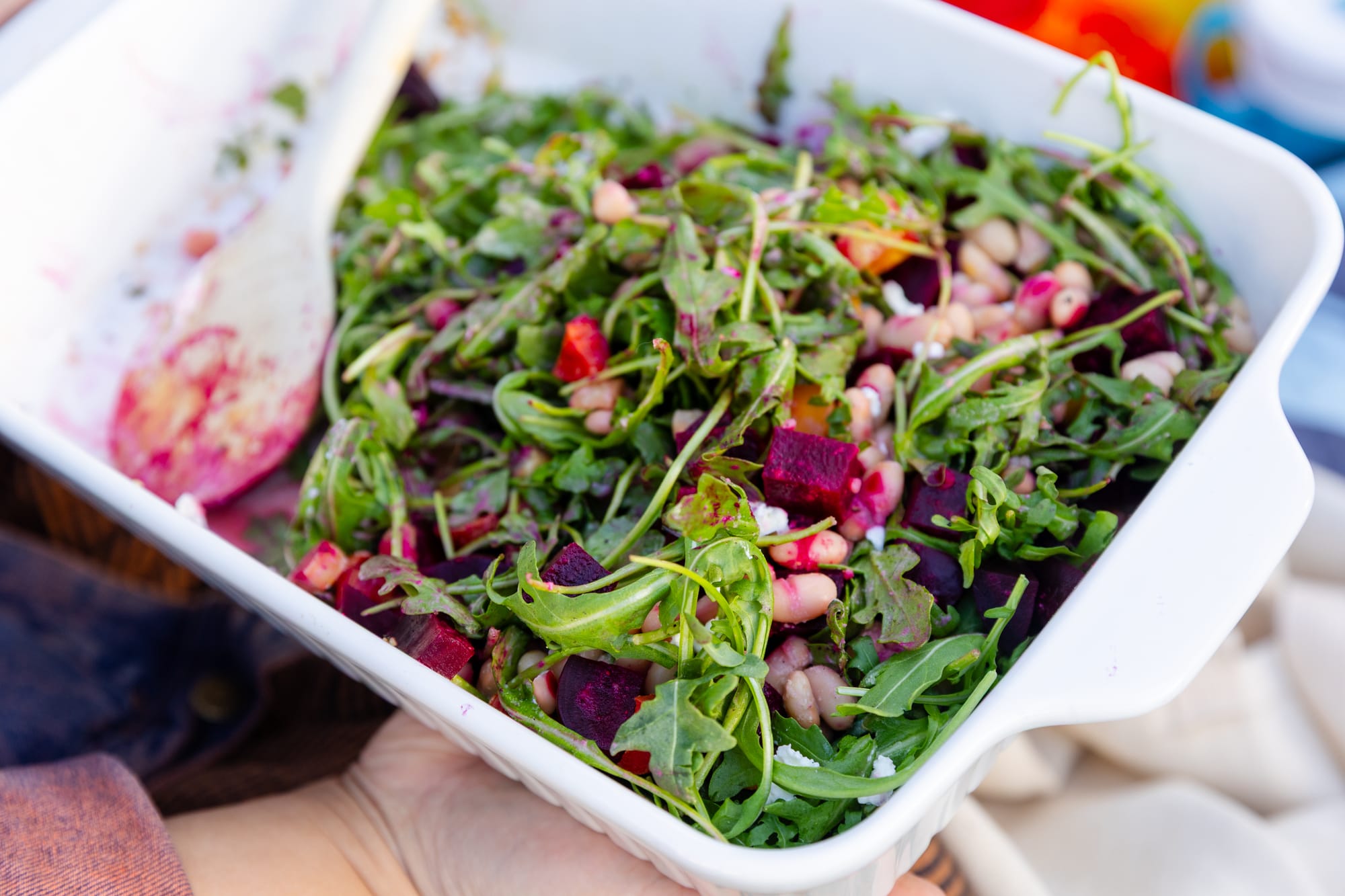
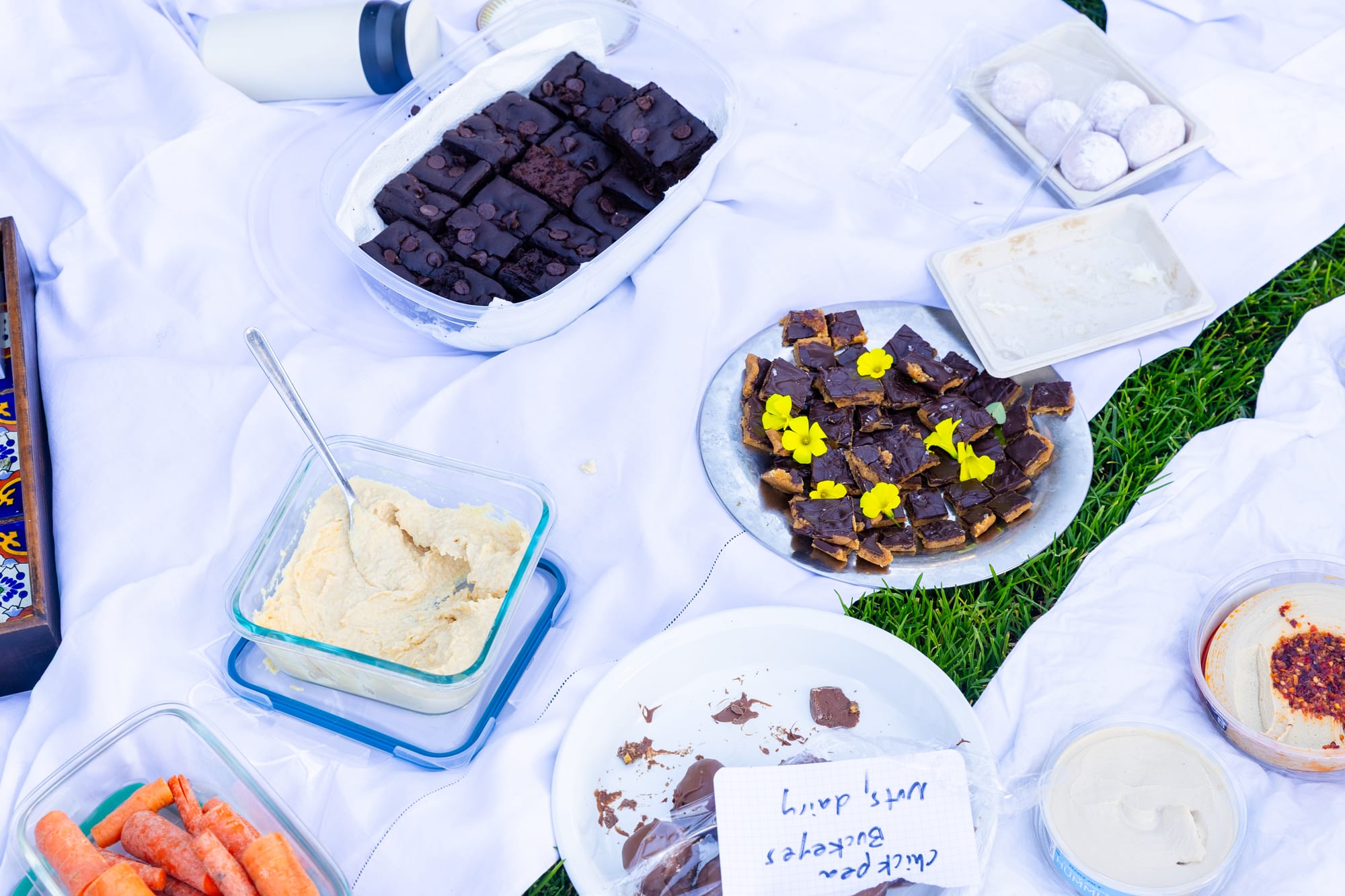
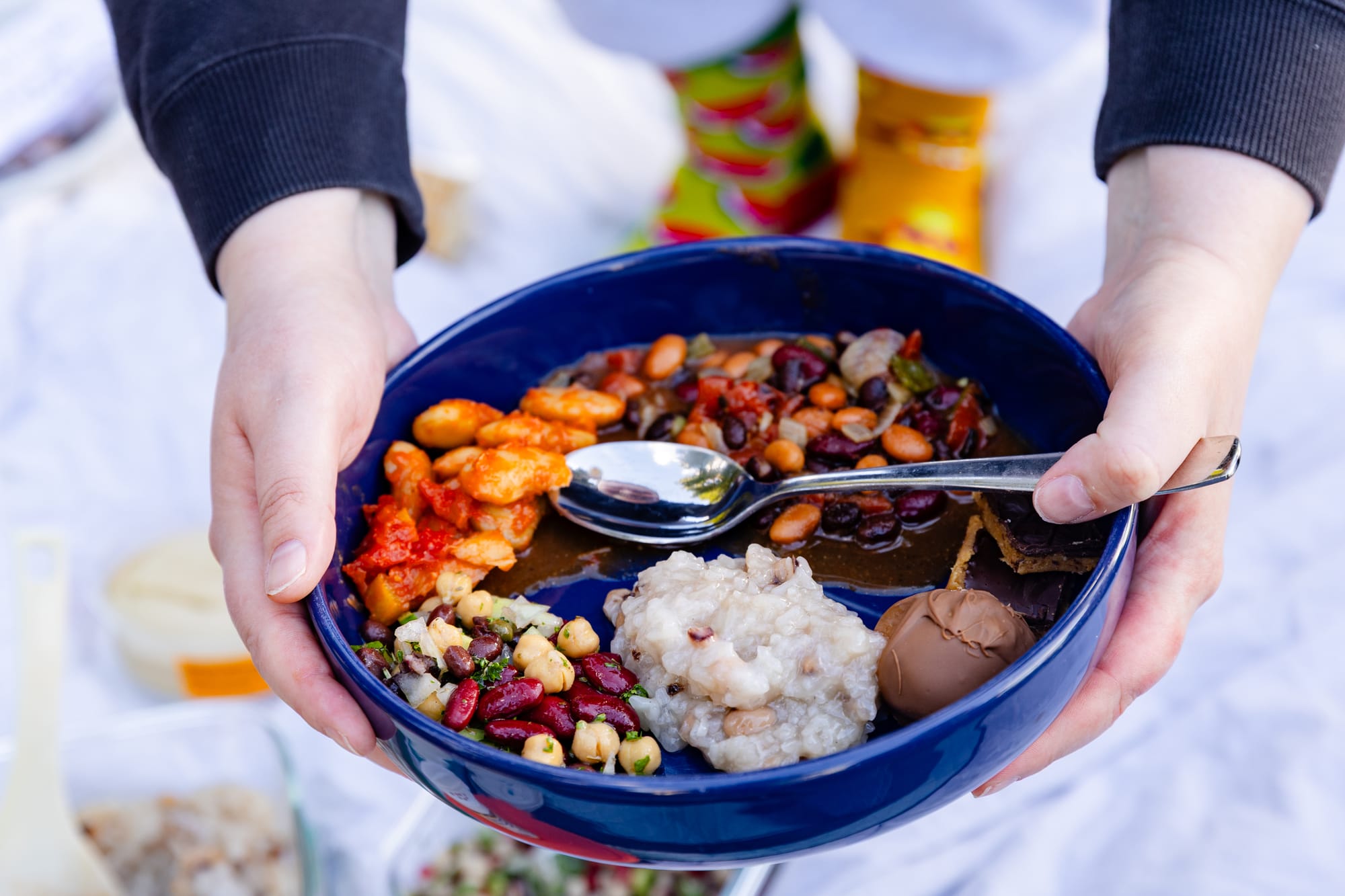
Several dense bean salads and dishes were on the menu at the February Bean-Up. (Estefany Gonzalez/COYOTE Media Collective)
Witchel is most proud of the fact that dense bean salads are appearing on restaurant menus and in grab-and-go cases at stores. "I'm really happy that I got to be a small part of that," she said. When her cookbook comes out in January, she's hoping to serve bean-tinis — martinis with a big, luscious white bean skewered on a toothpick — at the launch party.
She's also watching the economic horizon with some concern. Deportation policies will affect agricultural labor. Import tariffs will ripple through food supply chains. Gas prices affect transport. "I think people should really buckle up for some pretty heavy grocery store price increases," she said. Her prediction: locally grown foods will have a significant moment in the next eight months. Beans can be a part of that; dried beans are shelf-stable, and, if you want to get freaky with it, you can plant them in soil and get even more beans for your buck. Beans are primed to itch an increasing desire to opt out, like: Fuck it, we're beanin'.
Beans are a ritual for a lot of people, Witchel said. In the morning, get out your dried beans. Simmer them in a big pot. Make a dense bean salad or stew or hummus or whatever, and eat it throughout the week. In a region that can feel like it's always chasing exponential growth, beans just sit there on the shelf. You can’t 100x a bean.
You have to let them rest, Witchel reminded me. A lot of people make the mistake of pulling beans straight from the pot. You, and the beans, need to just chill out for a while.
Note: A previous version of this article repeated an inaccurate claim about beans' protein content.