Yap Zone: The September 11 Artifacts Playlist
What were you listening to after the September 11 attacks?


What were you listening to after the September 11 attacks?

For Soleil Ho, September 11 was their political origin story.
This week we've got pruning, taxidermy, corn, cardboard, making U2 mad, and more.

‘Satyricon’ brings sex, excess, and the decline of an empire to a historic San Francisco leather bar.


Stop us if you’ve heard this one: Three upper-class Romans walk into a leather bar.
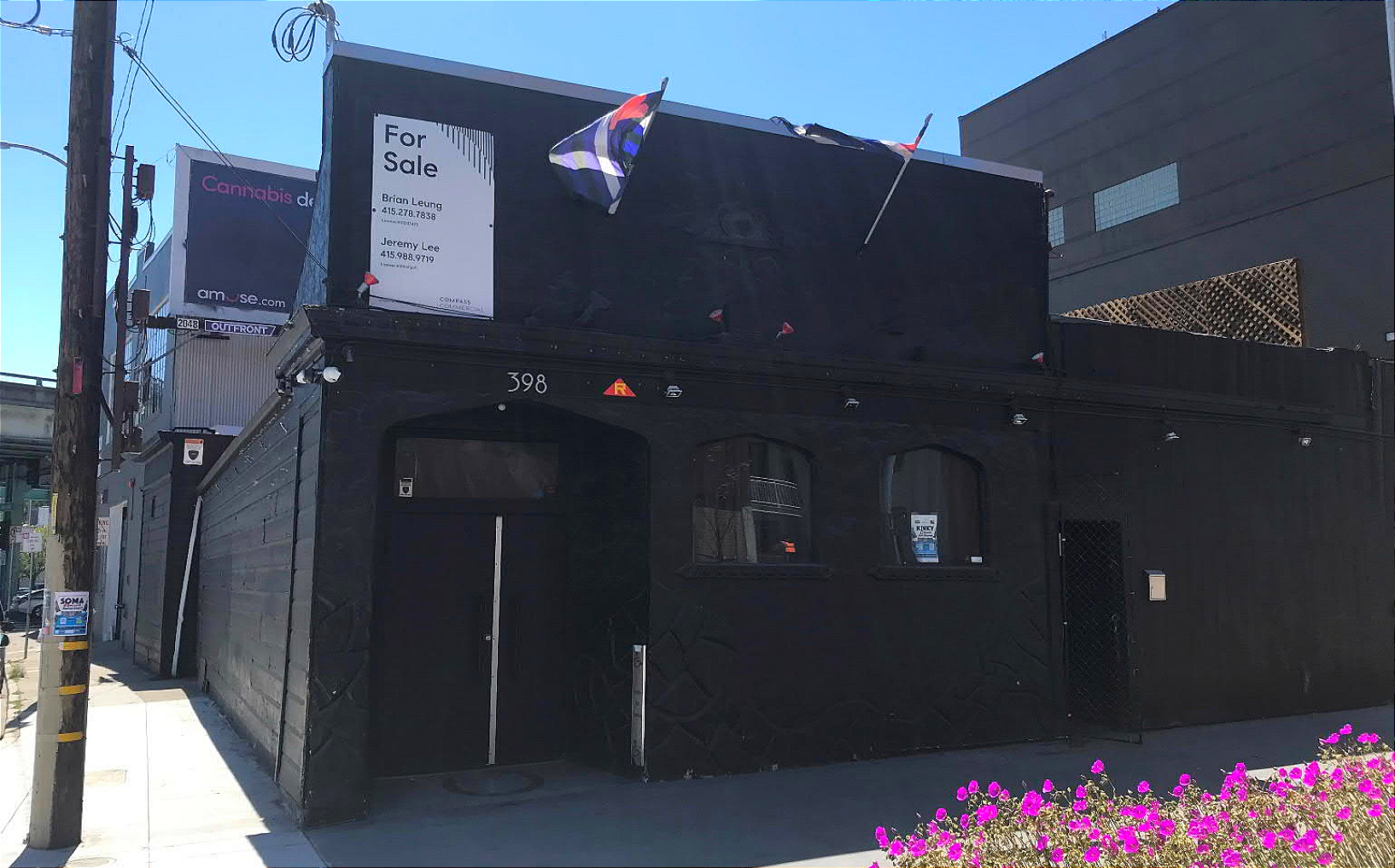
This isn’t a joke. It’s a new piece of San Francisco theater opening in August at SF Eagle, the landmark gay bar on 12th Street in West SoMa that’s better known for kink events and “Drag Race” watch parties.
Satyricon will be the bar’s first fully staged theatrical production, adapted from a 2,000-year-old Latin farce about sex, excess, and the decline of an empire under an unstable and self-serving ruler (sound familiar?). The play gets its world premiere Aug. 4, produced by an experimental theater group calling itself (naturally) the Eagle Players.
The play represents a gamble. In modern-day, moneyed San Francisco, indie theater and the leather community are both struggling. Satyricon asks: Combined, can they help keep each other afloat?
And what better way to find out than with a story about kinky queer people contemplating the decline of civilization?
The original Satyricon, a fictional work possibly written by Petronius in the first century A.D., chronicles the misadventures of three ne’er-do-well Romans as they eat, drink, and fornicate their way through the provinces during the reign of Nero, one of Rome’s least popular rulers. It’s a classic love triangle, as two protagonists jockey for the affections of their younger companion.
Scheduled for a four-night maiden voyage (Aug. 4–5 and 11–12), this adaptation of Satyricon is by San Francisco writer Stuart Bousel, a veteran of local indie theater. He first conceived of the new play 20 years ago, after consuming the classic Roman novel under taxing circumstances.
“I read it for the first time in 2006 in one big lump because I was on an airplane, and I think that's important because apparently Fellini also read it in one sitting,” Bousel says, referring to the auteur Italian filmmaker who turned Satyricon into an Oscar-winning film in 1969.
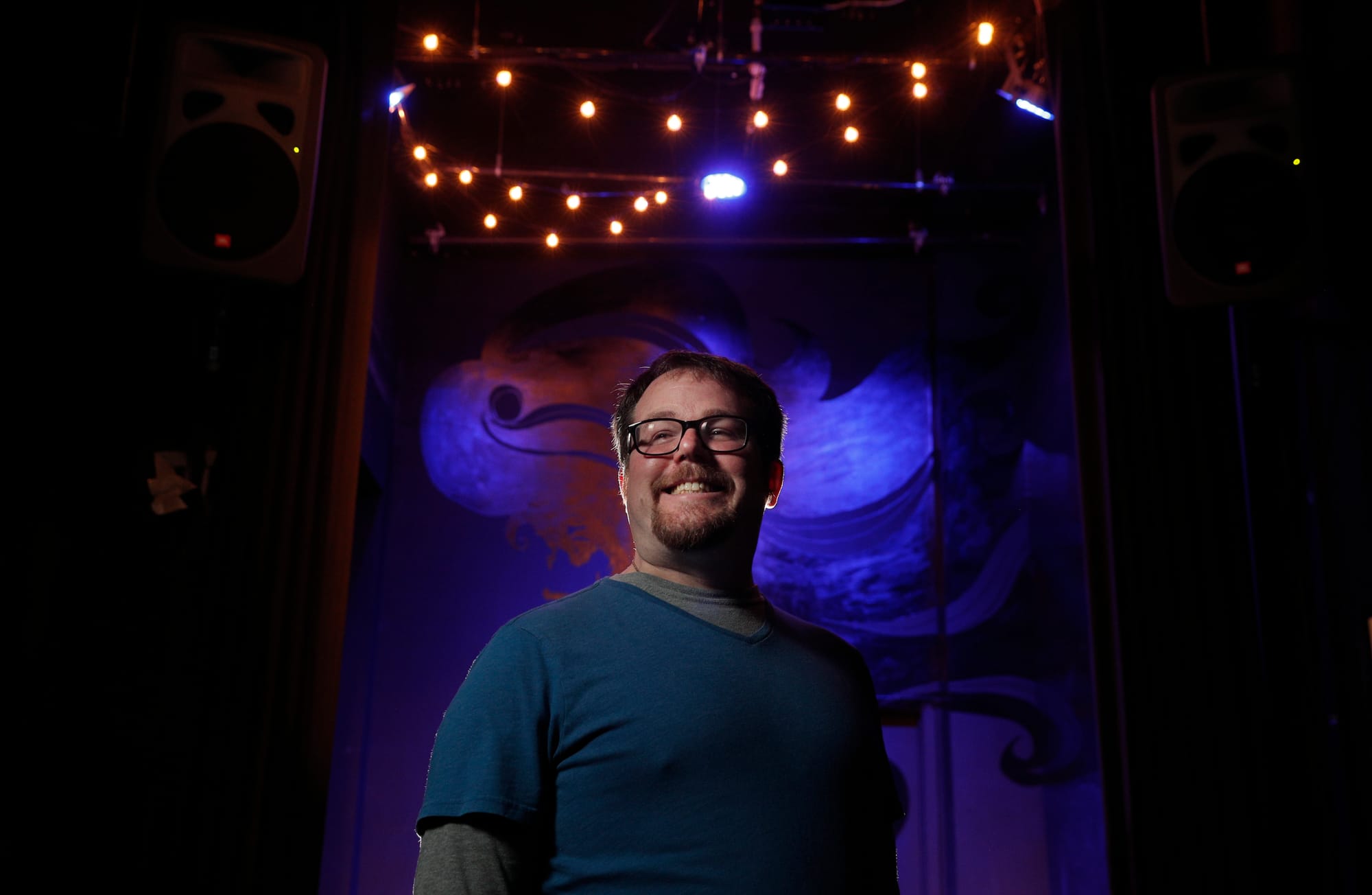
“He was recuperating from brain fever and talked about how for a while he wasn’t sure if the book he remembered was the book he read,” says Bousel. “I feel the same way because I was on a transpacific flight and on all kinds of things that were supposed to put me to sleep that weren't working, so it was a very surreal experience.”
The story stuck with him, but it was only earlier this year that Bousel took the plunge and actually wrote his adaptation. He then took the script to Andrew Calabrese, a veteran of the SF Fringe Festival.
Calabrese cofounded the Eagle Players in 2022 after the Eagle’s owner, Lex Montiel, asked on Facebook if anyone might want to do some experimental theater around the leather bar.
Calabrese notes that he was not actually interested in founding a new theater company at that point in his life: “There was a lot of kicking and screaming from me.”
But he agreed to a few trial balloon projects at the bar, and then a few more, including a monthly stage reading series (“Script Tease”). Now that the kicking has subsided, he’s directing Satyricon, the company’s first real full-stage production.
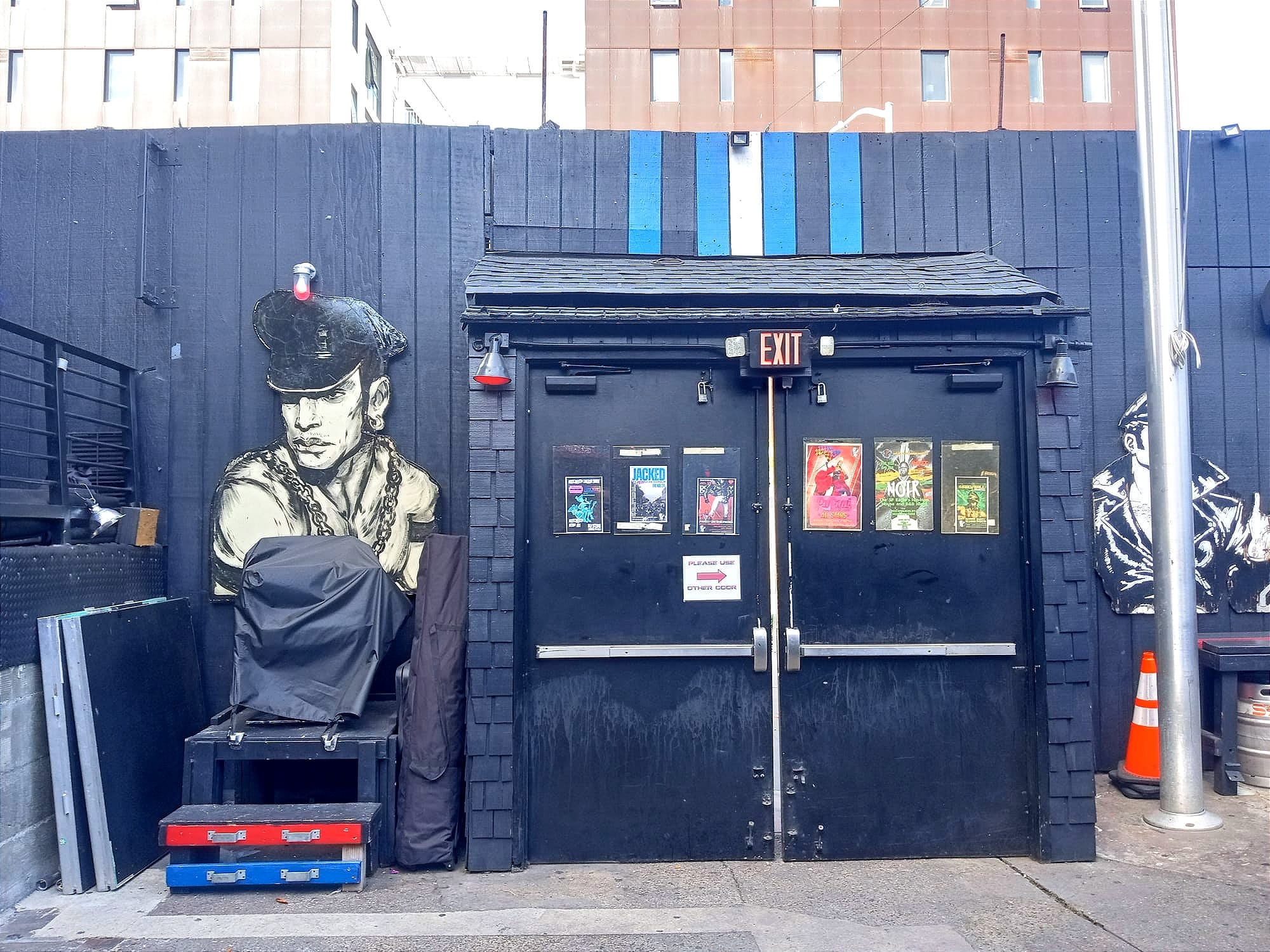
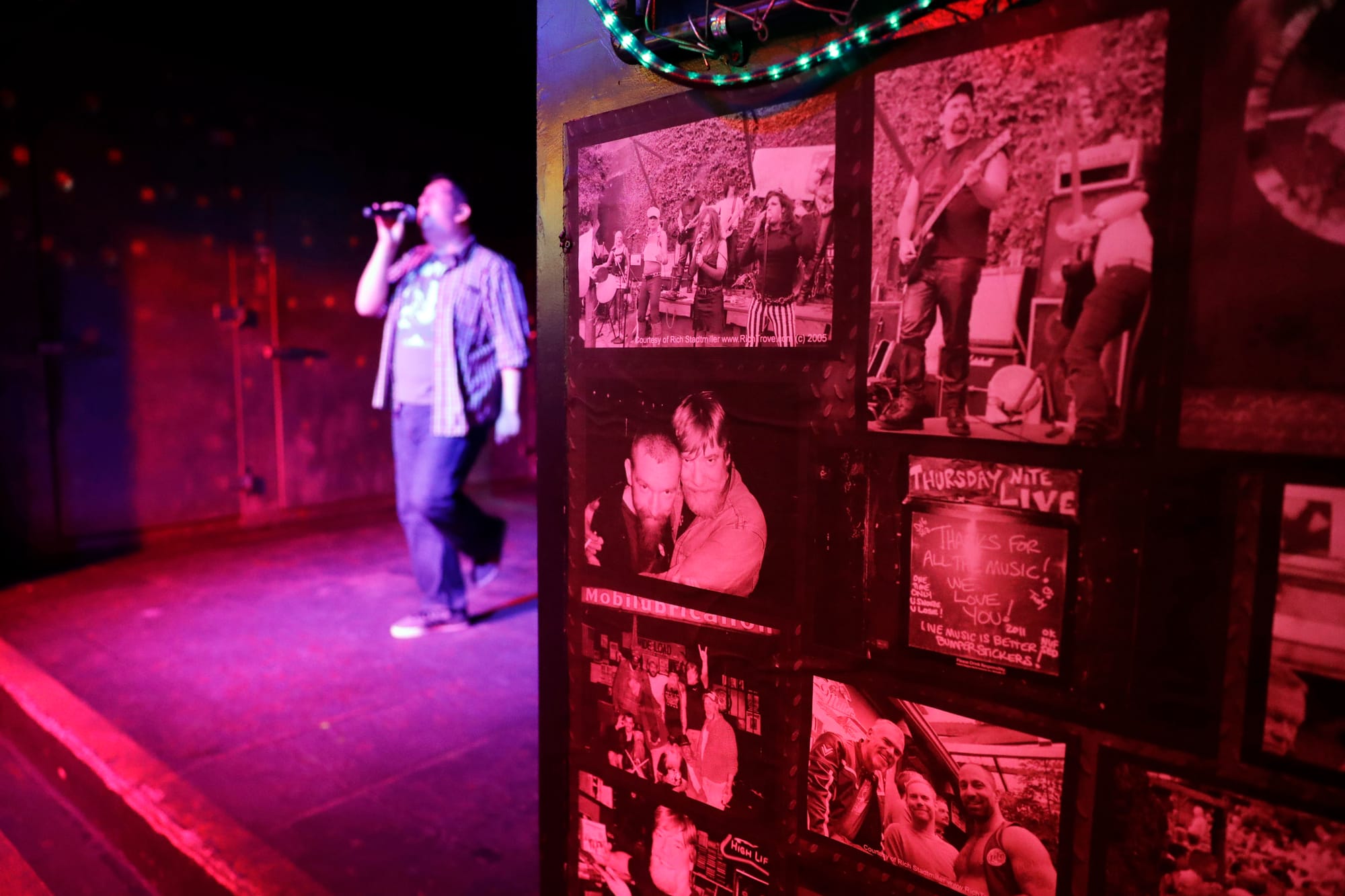
The Eagle stage will host most of the action, but the show will move outside to the courtyard for one act. The bar offers a fairly small space by theater standards, so some of the action could end up in the audience’s lap — although whether figuratively or literally may depend on how game everyone is.
The story is funny and raunchy, but historians and critics often read Satyricon as a chronicle of a society buffeted by the whims of a tyrant with too much power and no restraint.
“There could be no better time to put on a play about a wannabe emperor who wants gold statues of himself everywhere,” says Laura Ruberto, a professor of arts and cultural studies at Berkeley City College.
The new play is a loose adaptation, in part because the original book is incomplete, with its beginning, ending, and multiple interior chapters missing after nearly 2,000 years on the shelf. Even the identity of the original author is not certain.
“We have very little context for how people read this text in its own time. It’s clearly meant to be funny, but to whom and why is hard to tell,” says Paul George Johnston, a classics lecturer at Stanford.
Despite the distance between imperial Rome and modern America, Bousel says the core of the story — the queer romance, the broad comedy, and the cultural angst — remain intact.
As do the ominous themes of a society on the verge of collapse: Historians and classicalists often read the story as one about the end of Rome as a cultural power.
With historical hindsight, it’s clear Rome was actually expanding at the time. But Hans Bork, an assistant professor at Stanford who specializes in Latin literature, says the narrative that emerges from texts about the feeling and the meaning of the end of the empire is almost more powerful than the facts. “In all of classical antiquity,” he says, “there’s this thread that things are always in decline.”
Which begs the question: Did the Romans do the Doom Loop thing before it was cool?
They definitely did the constant fretting about losing the heart of their culture.
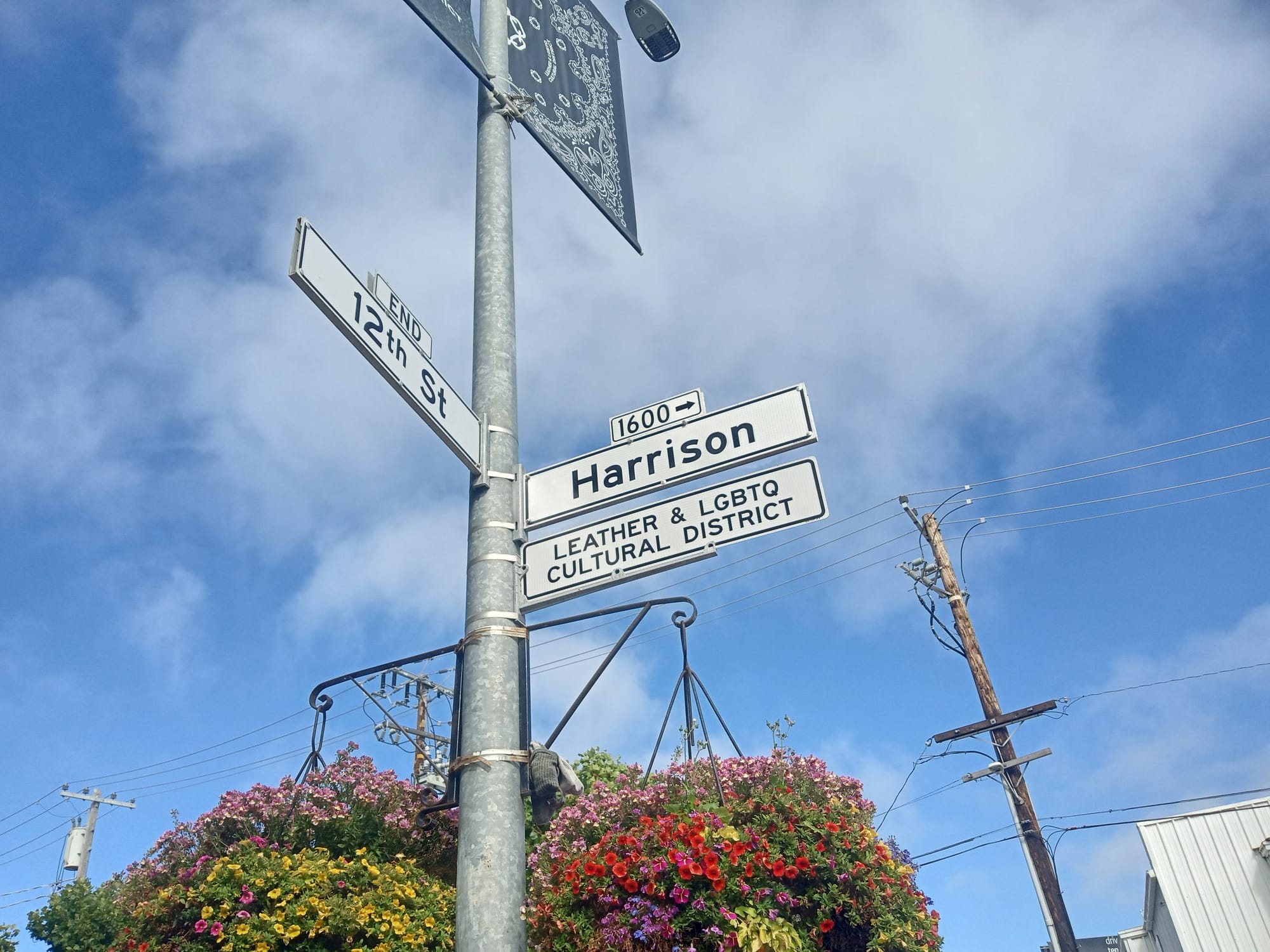
The SF Eagle opened in 1981, named for the famous Eagle NYC bar in New York and sharing the moniker with similar leather hotspots in Chicago, Boston, LA, and Washington D.C.
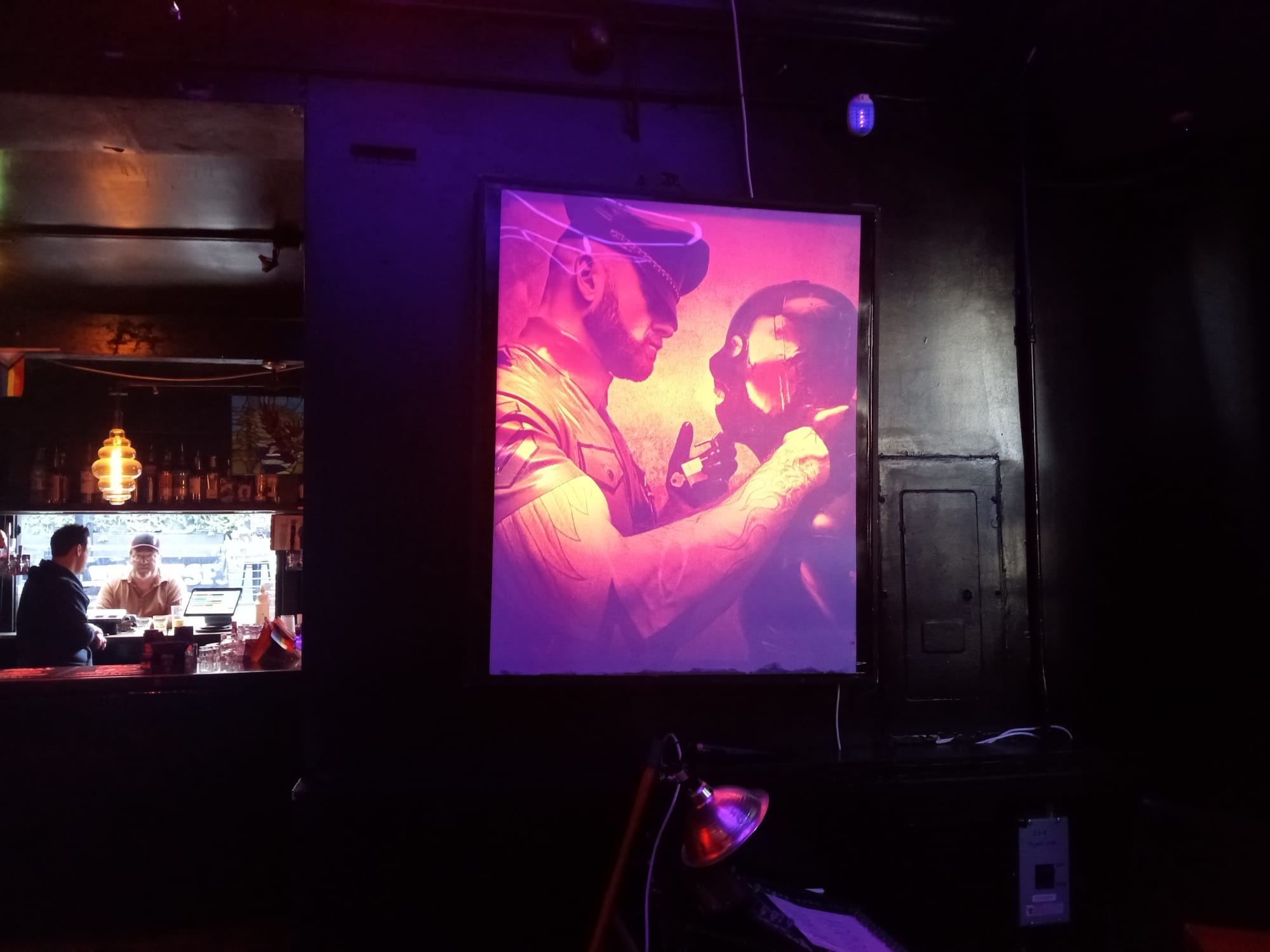
In the following decades, it became synonymous with the city’s gay leather scene, a queer subculture defined by tight-fitting motorcycle gear, larger-than-life masculinity, and, more often than not, kinky sex.
The Eagle is literally a landmark. But in the decades since its opening, the city’s leather scene has arguably gotten, well, a bit creaky.
While the Folsom Street Fair and Leather Cultural District ensure that harnesses and biker caps will never vanish from the city’s streets, the number of leather bars and bondage shops in the neighborhood has dwindled to a handful in recent years, as Them noted in a 2021 story. The Eagle itself has nearly closed multiple times, and stayed open in recent years in part thanks to wealthy donors.
Similarly, the city’s indie theater scene will never truly die (if nuclear winter ever wipes out human civilization, somewhere will be four Bay Area drama majors workshopping a new show about it in the ruins of the last black box theater).
But the post-2020 theater scene has seen a staggering number of companies and venues close for good, including longtime vanguard SF company Cutting Ball Theater and Berkeley’s mainstay Aurora Theatre. Even the Fringe Festival, an annual celebration of experimental work with San Francisco in its DNA, moved to Arcata last year along with the EXIT Theatre, its longtime home.
On a greater level, the specter of decline has hovered over the American experiment for the last decade, with the four horsemen of war, disease, racial animus, and economic anxiety poised to smite democracy, human rights, and any hope of a better future.
These themes are unmistakably part of the work, with Trump, Silicon Valley, and the cost-of-living crisis casting a long shadow over the play, the bar, and our lives. “We’re advertising it as a queer comedy about the collapse of the realm,” Bousel says.
Still, it’s not a dour piece: Ultimately, the Eagle Players hope, it’s relatable. Bousel was inspired by the appeal of a story about three queer men in a situationship — a tale that feels pointedly contemporary but is in fact thousands of years old.
“For me, it’s a story about people trying to make connections and not seeing the ones right in front of their faces,” says Calabrese.
Actor Carl Luciana, who plays a variety of gods, notes that the script “doesn’t really telegraph the politics all that much.”
It also leads with humor and bawdiness. This is the Eagle, after all. Decadence? Degeneracy? Don’t threaten us with a good time.
“It’s a little on the nose,” Luciana says of staging a Roman play in the Bacchanal setting of a leather bar. They wouldn’t have it any other way.
Everyone involved acknowledges that Satyricon at the SF Eagle is an experiment, and no one is quite sure what “success” would even mean.
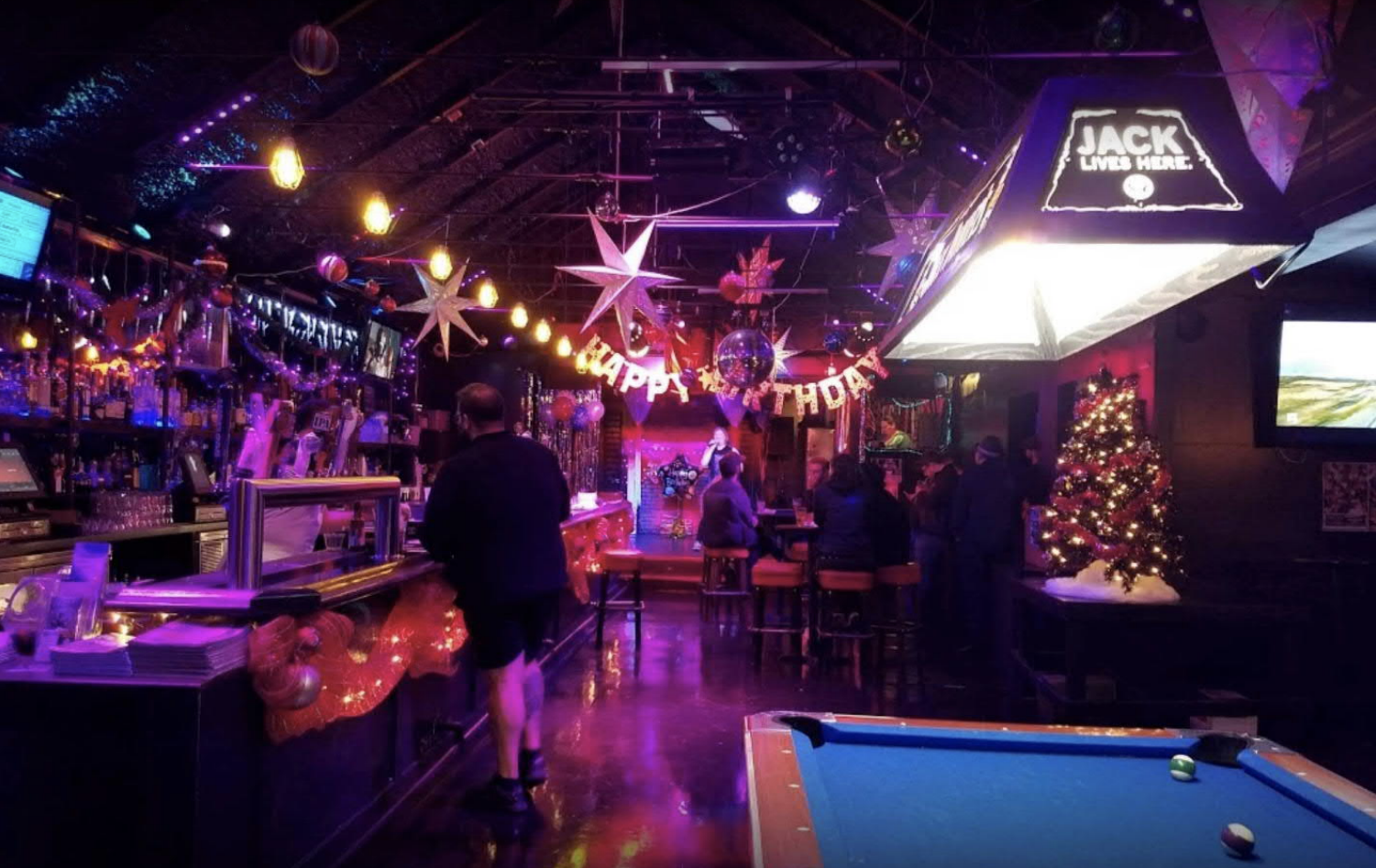
Clearly, part of the motivation is to resurrect the punk rock spirit of pre-pandemic indie theater in San Francisco: Once upon a time, Bousel was cofounder of Theater Pub, a company that staged classic theater in the middle of a working Tenderloin bar where the drinks never stopped pouring. Memorably, in 2011, one actor performed the deathbed scene from Henry IV Part 2 on the pool table.
It remains to be seen whether the show can revive some of that past energy or open the Eagle’s door to a different future.
But a few people are already hailing Satyricon’s bonafides before its premiere. “I think it’s brave to be staging this show right now,” says Kristi Wilson, a writing professor at Soka University. “I teach an ancient literature class, but I don’t think I could teach Satyricon right now. I’d be put on some list.”
Ian Barnard, a humanities professor at Chapman University, says they plan to fly up from Orange County to take in the show, which they describe as historic — no matter how it performs financially or how long it runs.
“The Eagle is the perfect place, and to have a gay author doing this piece,” says Barnard, “is a once-in-a-lifetime thing.”
‘Satyricon’ plays at 7pm on Aug. 4, 5, 11 and 12 at the SF Eagle (398 12th St., San Francisco). Tickets ($20 and up) and more info here.