Napa’s Biggest Black Culture Festival Didn’t Pay Several Chefs Until They Threatened to Sue
Blue Note's Black Radio Experience drew sold-out crowds to Napa Valley. Months later, some contractors were still chasing their money.


Blue Note's Black Radio Experience drew sold-out crowds to Napa Valley. Months later, some contractors were still chasing their money.

Oakland historically lacks soccer fields. But a group of local players and community advocates hopes to kick off a brand-new space — featuring soccer, coffee, retail, and more.

This week we've got a Donna Summers book club, vegan dinner and a movie, a community bake sale to fight ICE, and more.

Blue Note's Black Radio Experience drew sold-out crowds to Napa Valley. Months later, some contractors were still chasing their money.

The 2025 Black Radio Experience festival in Napa delivered everything it promised attendees: Three days of musical luminaries like Robert Glasper, Jazmine Sullivan, and Earth, Wind & Fire on stage; premium wine pairings hosted by Black winemakers; and energetic cooking demonstrations by celebrated Black chefs from the Bay Area and beyond.
At the Labor Day weekend festival celebrating Black music, food, and wineries, enthusiastic attendees paid $175 to $185 per person (on top of admissions passes that started at $499 and a $120 daily parking fee) for upscale brunches, where they noshed on jerk chicken and oxtail hash while listening to DJs spin records. “Soulful and family-style” BBQ events with wine pairings ran more than $200 a head. Hourlong cooking show-style events, with Grammy-winning artists sharing the stage with chefs, cost $82.01 to $106.61. And nearly every one was sold out. It was, from visitors’ perspectives, a huge success.
But in the wake of the event, a different story unfolded — one that multiple vendors, chefs, and contractors say reveals a troubling pattern of delayed payments, broken promises, and radio silence from the festival's organizers at the Blue Note Entertainment Group, which also owned the now-closed Blue Note club in Napa.
I spoke with eight contractors who worked on the festival. Only two were willing to go on the record, with the rest declining to do so out of fear of reprisal from Blue Note.
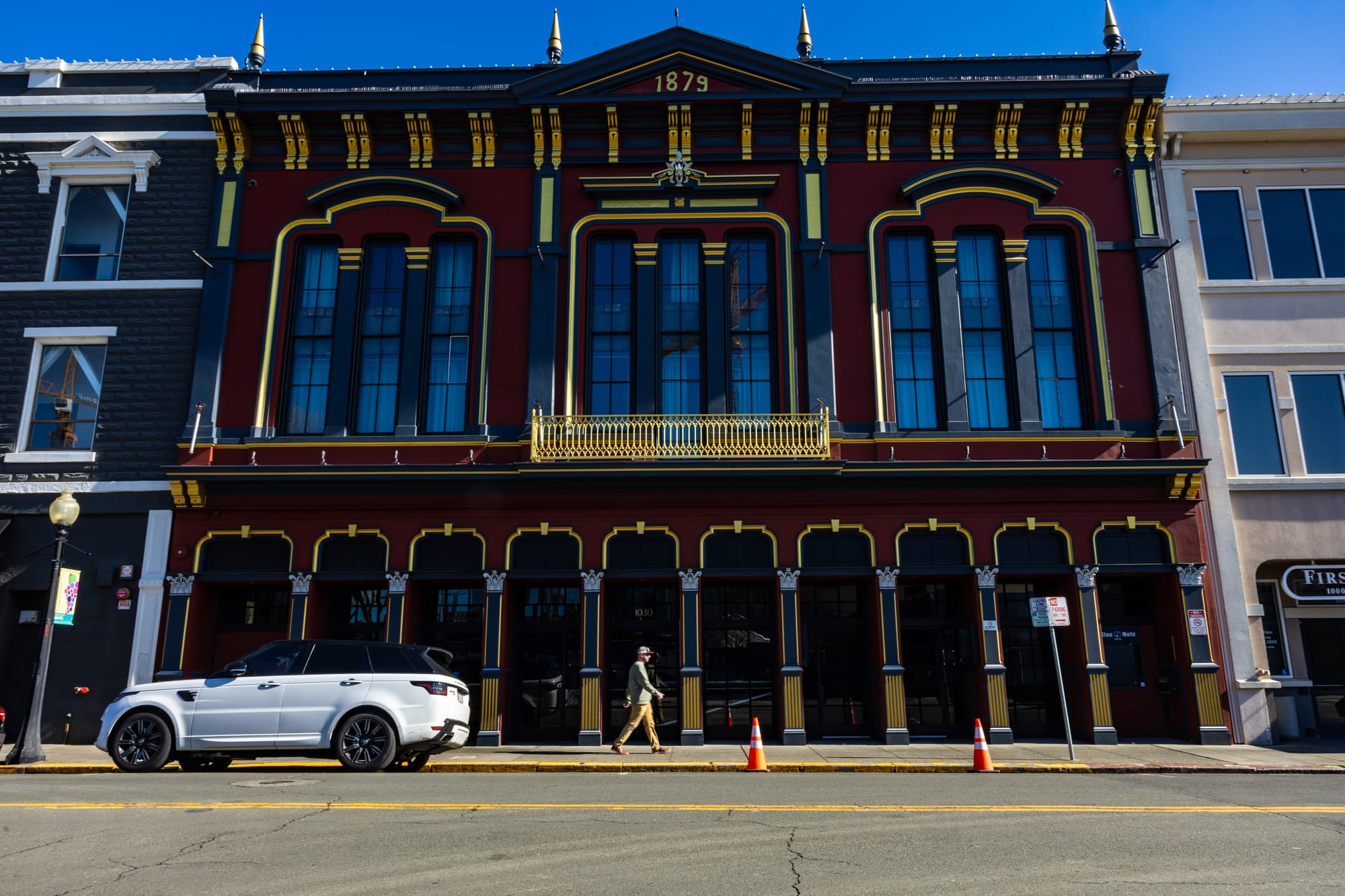
"It almost was like a slap in the face," says Jammir Gray, a chef from Napa. "You are here under the guise of wanting to be a part of telling this story of Black music, radio, culture, and food, and plastering your name all over it. And then you treat us like nothing; you treat us like dirt."
The Blue Note Entertainment Group did not respond to multiple requests for comment.
Curated by Glasper in collaboration with Blue Note Entertainment as a follow-up to the former’s annual residency at Blue Note’s jazz club in New York City, the Black Radio Experience began in Napa in 2022 — but back then, it was called the Blue Note Jazz Festival. Glasper brought in a glittering array of musical stars, including Maxwell, Chaka Khan, Thundercat, and Snoop Dogg. Two years later, the festival rebranded as “Blue Note Jazz Festival Presents: The Black Radio Experience,” putting Black American music, food, and art in the forefront.
Vibe Magazine’s festival recap from that first year poignantly characterized it as “years of musical history and our ancestors’ wildest dreams rolled into one.”
But in the festival’s fourth year of operation, that dream devolved into a nightmare for some of the people who helped make it happen.
According to multiple sources who worked the festival, Blue Note's payment issues followed a consistent pattern. Vendors submitted invoices immediately after the festival as requested. Their contracts, and many of their invoices, stipulated a 30-day payment windows. But actual payment, which started to appear after some of the vendors threatened a class-action lawsuit on Oct. 14, took much longer. One chef shared records showing a 60-day period between invoicing and payment.
What made the delays particularly galling, vendors say, was the complete lack of communication from the Blue Note Entertainment Group.
"The big issue for me with what happened is that they literally just ghosted everybody," Gray says. "Didn't even have the professional consideration to say hey guys, there’s something wonky going on on our end. Like, give us a lie! And we would have been like, OK. But it was literal radio silence from these people."
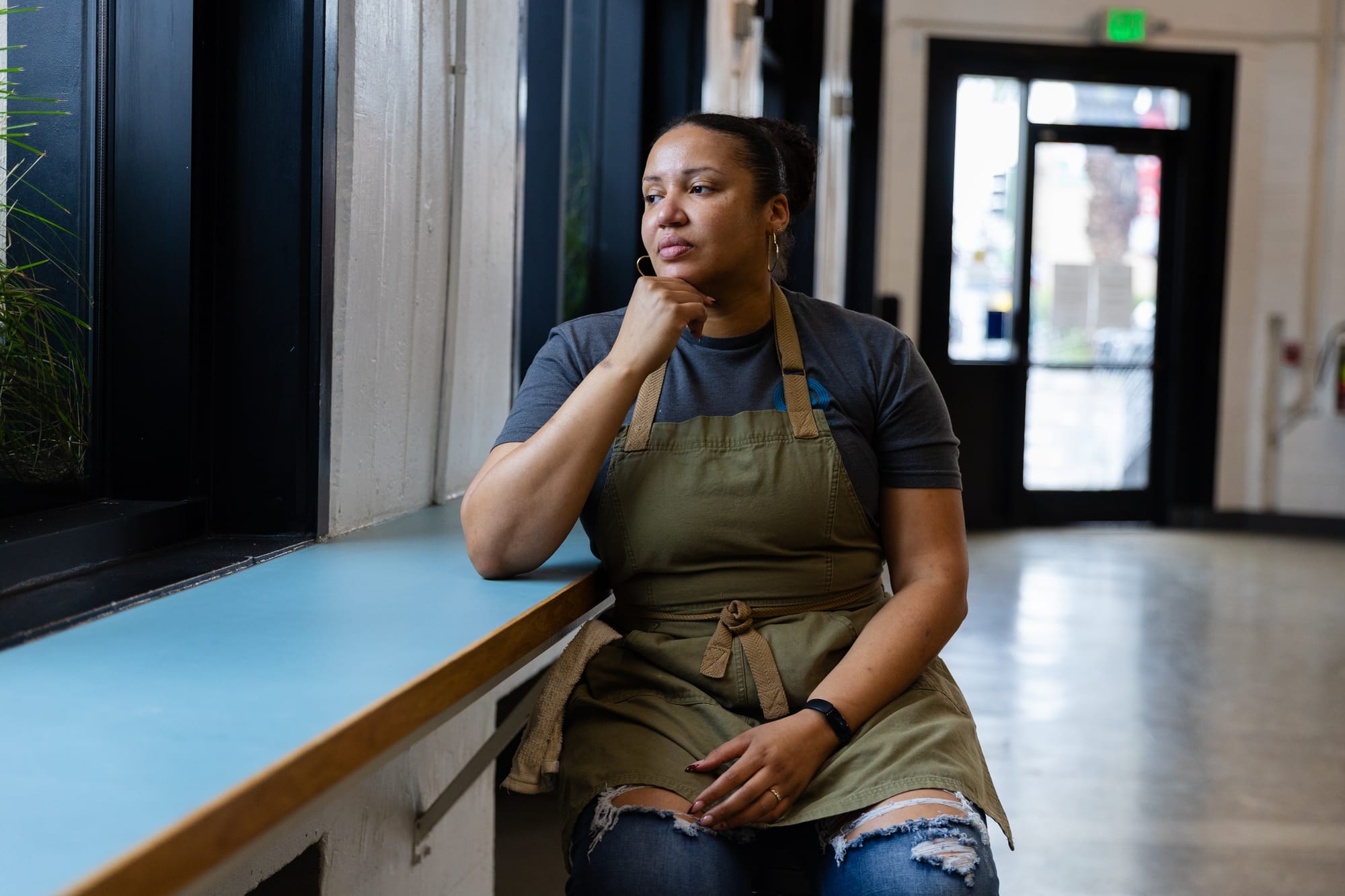
For her event on Aug. 31, Christina Alexis, an independent chef based in Oakland, invoiced Blue Note on Sept. 10. Fifteen emails to Blue Note’s financial contact person, three automatic payment reminders, and two late fees later, she was finally paid on Nov. 10 — 47 days after she invoiced.
Until the threat of a lawsuit, the only response Alexis got was an out-of-office reply from the financial contact person, Jane Cho, whose email signature notes that she works for the Blue Note Entertainment Group as its financial controller. The responses, which Alexis shared with COYOTE, do not acknowledge nor explain the sizable delay. Cho did not respond to COYOTE's request for comment.
This wasn't the first time.
"I did hear the year before that it was taking Blue Note a while to get [vendors] their money," Gray says, and she was assured that the company would work on improving its system and hiring help. "I was like, sweet, they acknowledged the problem and would not have that this year. But it actually took them longer."
For independent chefs and small vendors, the financial impact of even a two-week delay in payment can be severe. Unlike restaurants with institutional budgets, many of the festival's culinary talent were paying for ingredients and supplies out of their own pockets.
For Alexis, the upfront cost of food was around $500, which included ingredients for a cooking demonstration and complimentary pastries for the VIP tent. Blue Note was supposed to reimburse that cost and also provide additional compensation as an “artist appearance fee” of $750, which, she notes, didn’t come close to covering the total cost of the labor, time, or transportation it took for her to actually do the event. “I didn’t make any money,” she says.
"I don't have a restaurant of my own," explains Gray, who noted that she’s one of the few Black and Filipino chefs in Napa Valley. Gray was owed more than $3,000 for ingredients. "I'm paying for things out of my pocket, not the restaurant. I get nothing from them."
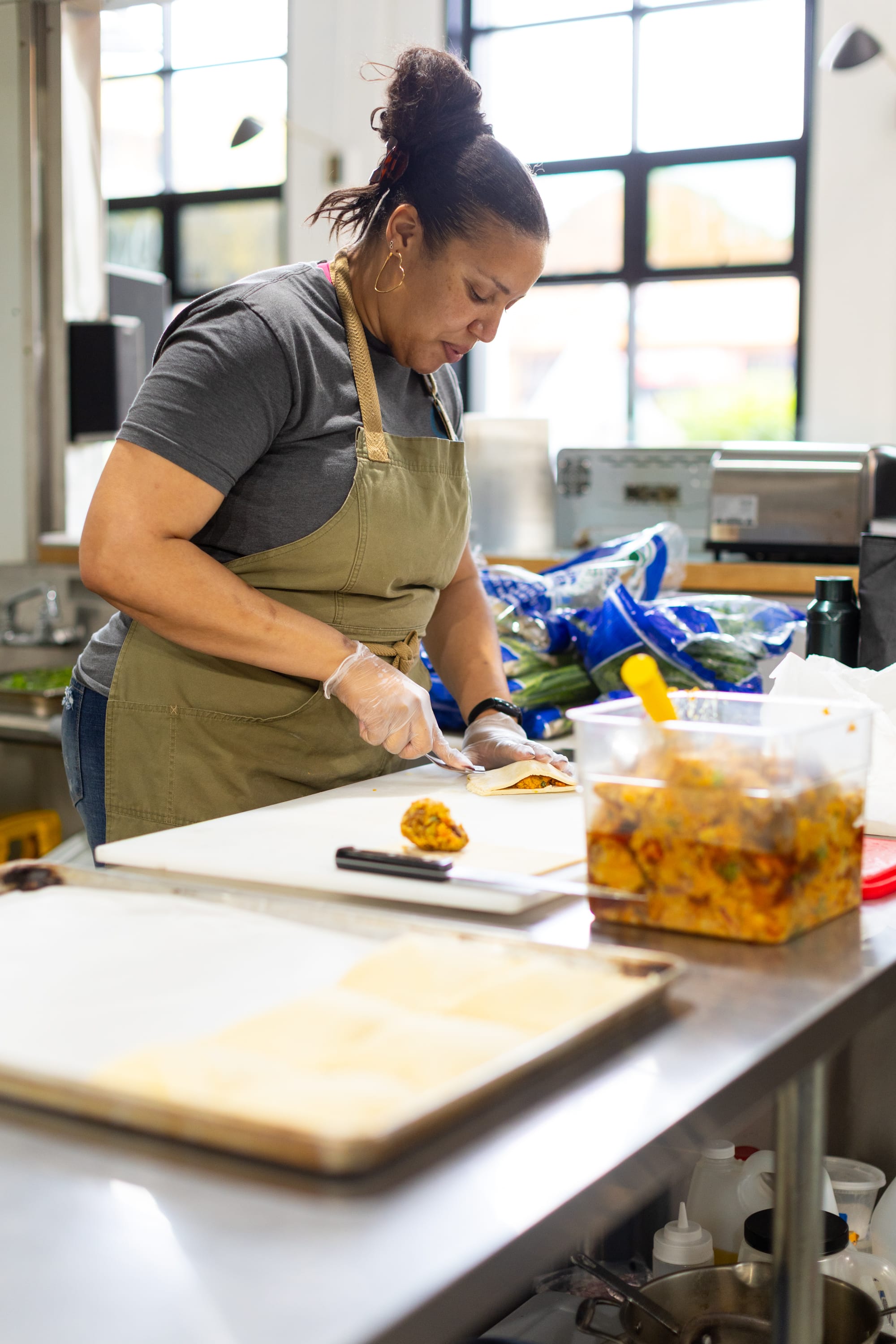
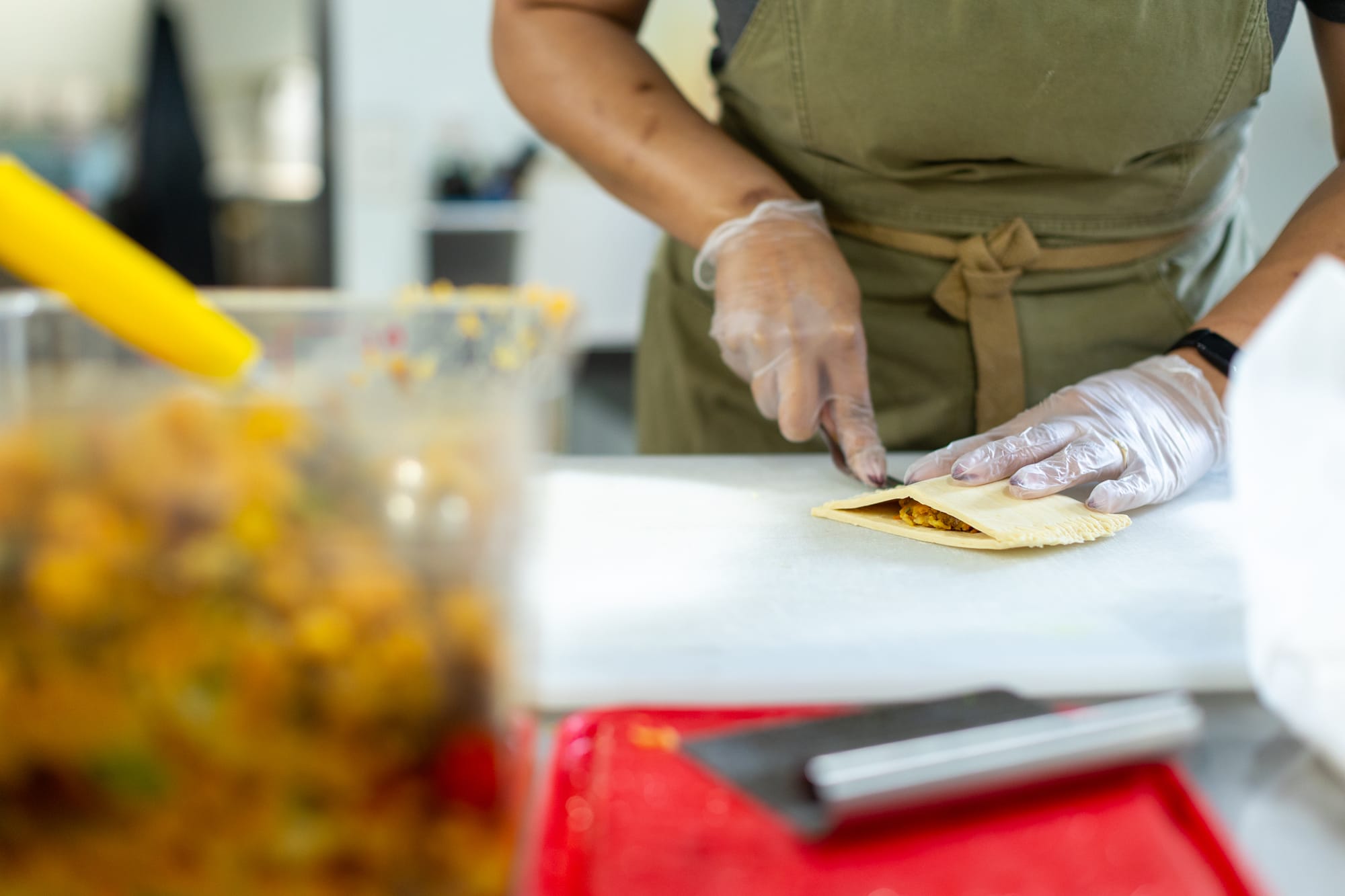
For independent chefs like Christina Alexis and other small vendors, the financial impact of even a two-week delay in payment can be severe. (Estefany Gonzalez/COYOTE Media Collective)
That said, not every chef involved the festival was independent: Darryl Bell, the chef-in-residence, is co-owner of Napa’s Stateline Road Smokehouse; Nelson German owns Oakland’s Sobre Mesa and Alamar Dominican Kitchen; and Fernay McPherson, who packed her famous fried chicken and sides into three days’ worth of picnic sets for the festival, is the founder of Minnie Bell’s Soul Movement in San Francisco. But financial knock-on effects to devoting so much effort to a multi-day event could include scheduling extra staff to prep and hold down the fort while the chef is out, plus the logistical effort of procuring and storing special ingredients for the festival (which you’re also paying for).
"The money represents time," Gray says. "$3,000 may not be anything to them, but to a chef, especially during these times, it's everything. For a lot of people, that's more than a full-blown paycheck. To miss out on that $3,000 could totally disrupt your budgeting plans.”
The double standard was particularly frustrating. "If we as chefs didn't pay our food vendors, they would stop sending us products," Gray continues. "It's black and white. We know we have to pay. But there was nothing we could actually do about this."
The payment issues weren't the only warning signs that troubled those who worked on the festival. Multiple sources described a production plagued by under-resourcing and last-minute cuts that affected both worker safety and attendee experience.
Vendors saw production setup still going on the night before the festival opened, with work spilling into the first day. On an extremely hot summer weekend when temperatures peaked at 93 degrees, there wasn't adequate shade, water, or ice for the attendees nor the participants. “If you did want to go into an air-conditioned place, they wanted you to buy drinks,” says Alexis. “Which I kind of get, but sheesh it was hot.”
The benefit to using contractors, especially artists and food industry workers, is that they likely can't afford legal representation nor the time needed to pursue missed payments.
Regardless of how vendors are being treated, Blue Note has reliable brand power and access to major musical talent to gloss over any of its shortcomings. Its 44-year-old jazz club in New York City continues to be a landmark for musicians and fans, and its reputation has allowed it to expand to locations around the world, including Tokyo and São Paolo. Its record label, Half Note Records, made “Live at the Blue Note” a mark of prestige among jazz recordings.
The Black Radio Experience situation mirrors a broader pattern of exploitation within festivals. As the culinary research group Southern Foodways Alliance has documented, the "festival industrial complex" often relies on vendors and food workers subsidizing events through delayed or inadequate payment, with promises of exposure standing in for fair compensation.
“They're using the reach and scope and level of artists they work with to kind of lure people into working with them basically for free,” says Alexis. And up until the payment trouble, she was basically on-board with that: Her event put her onstage with acclaimed Oakland singer-songwriter Goapele, and the young chef was thrilled about the opportunity. “It was one of the best nights of my life when I finished that demo. To go from that high to that crashing low was really such a bummer.”
Considering the festival explicitly celebrated Black culture, the irony of being ignored by those holding the purse strings wasn't lost on those affected. "You want to capitalize off of Black art and then treat the culinary artists and winemakers the way they did?" Gray says. "How can you want to capitalize off of us and not pay us what we're due? And not even apologize? When it came to us, the people who created the food, culture and wine part of it? They didn't care."
Blue Note’s club in Napa closed at the end of 2025 and is planned to relocate to San Francisco. Meanwhile, questions linger about the festival's future.
"If they did do this again, the chefs that participated, there's no way in hell they'd do it again," Gray says. "Unless they paid up front. But I doubt that'd happen."
"I really did love the event,” she says. "It was cool to meet these other Black chefs. It bummed me out because I'd love to see it evolve and grow and bring on more people. The idea behind Black Radio Experience was amazing, but I don't see it happening unless somebody else runs it."
While one vendor considered filing a Better Business Bureau complaint, most have simply chosen to drop the issue after they finally got paid.
Gray is still getting emails from Blue Note promoting events in Los Angeles, New York City, and Napa. Blue Note’s next festival, at Los Angeles’ Hollywood Bowl, is coming up in June. And yes, there will be food programming.
According to an Instagram post on the Blue Note Jazz Festival account on Feb. 16, the Black Radio Experience won’t be coming back this year. “We’re pressing pause for 2026,” the post said, as Blue Note focuses on Los Angeles and opens a new location in London.
The chipper event announcements leave a terrible taste in Gray’s mouth: “It's either, you guys are not very bright over there, or you guys are just that ruthless.”