I’m Supposed to be Visible Today — But Why?
Every year I wonder if visibility and joy are the same thing. And every year I am more and more convinced that the answer is no.


Every year I wonder if visibility and joy are the same thing. And every year I am more and more convinced that the answer is no.

With new EP ‘Invidia’ and two more on the way, the San Francisco musician and prolific collaborator comes into his own as a solo artist.

On making friends with maps and Marxists.

What's behind the Bay Area's collective interest in naming pets after Japanese food?


I didn’t know if it was just me, but over the past year, I got the feeling that there were a lot of dogs and cats named Mochi running around the Bay Area. I saw them on pet adoption pages on Instagram; met them while doing errands; overheard conversations about them at restaurants and bars. Then I got a dog (Honey, FYI) and met even more Mochis while walking through dog-heavy zones like Point Isabel Regional Shoreline.
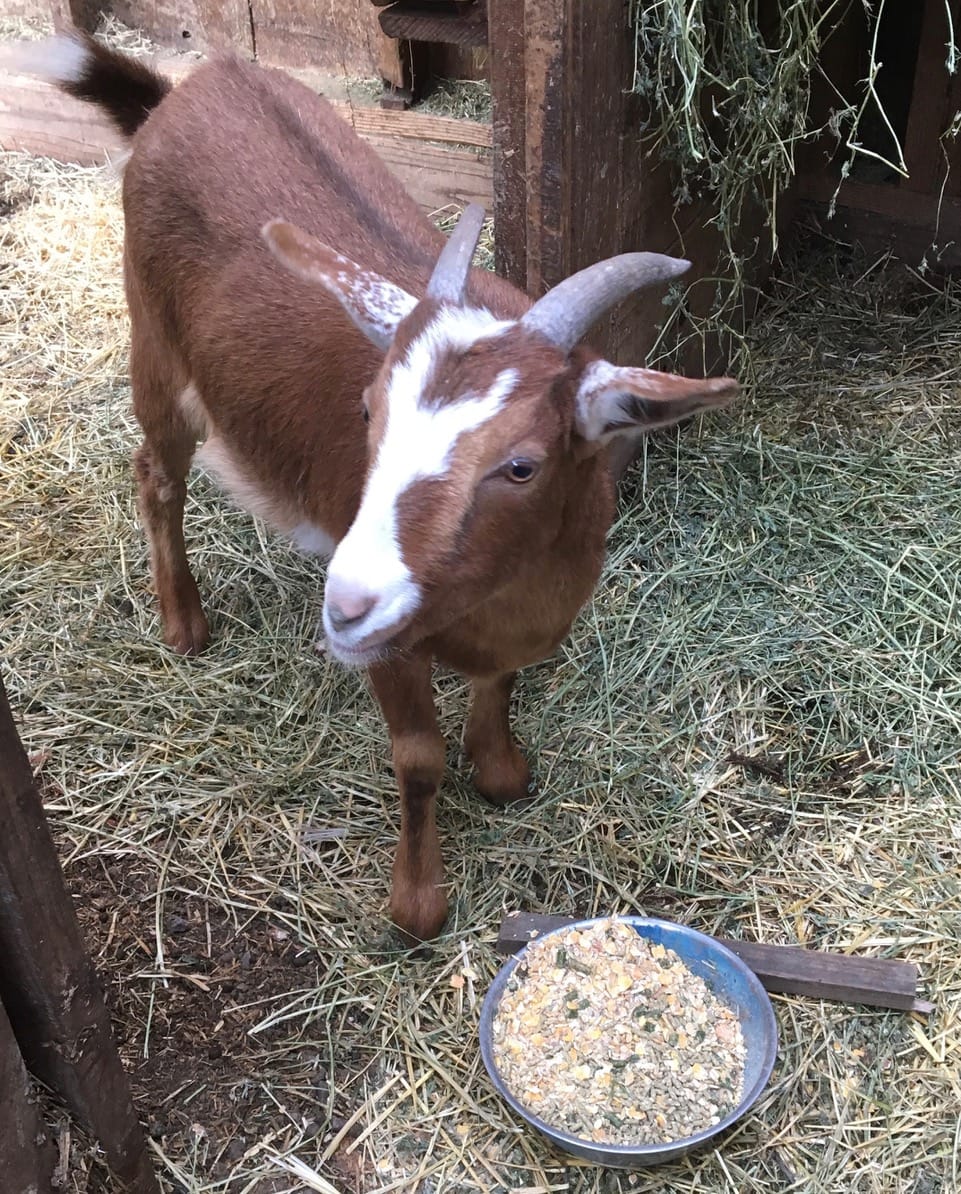
I’ve been sitting on this for a while, but finally decided to indulge my curiosity and put out an ask on Instagram: Who out there in the Bay Area has a dog or cat named Mochi or Miso? My phone started to blow up, almost as if I’d offered a free Playstation 5 or something. Most of the pets were dogs, but there was also a goat. And a guinea pig. So I chatted with as many folks as I could, both on the phone and via direct messages, to find out why they chose those names.
"I guess we're in this shiba club of people who named them Mochi," says Jeannie Jung, a Fremont resident who named her shiba inu ‘Mochi’ back in 2012.
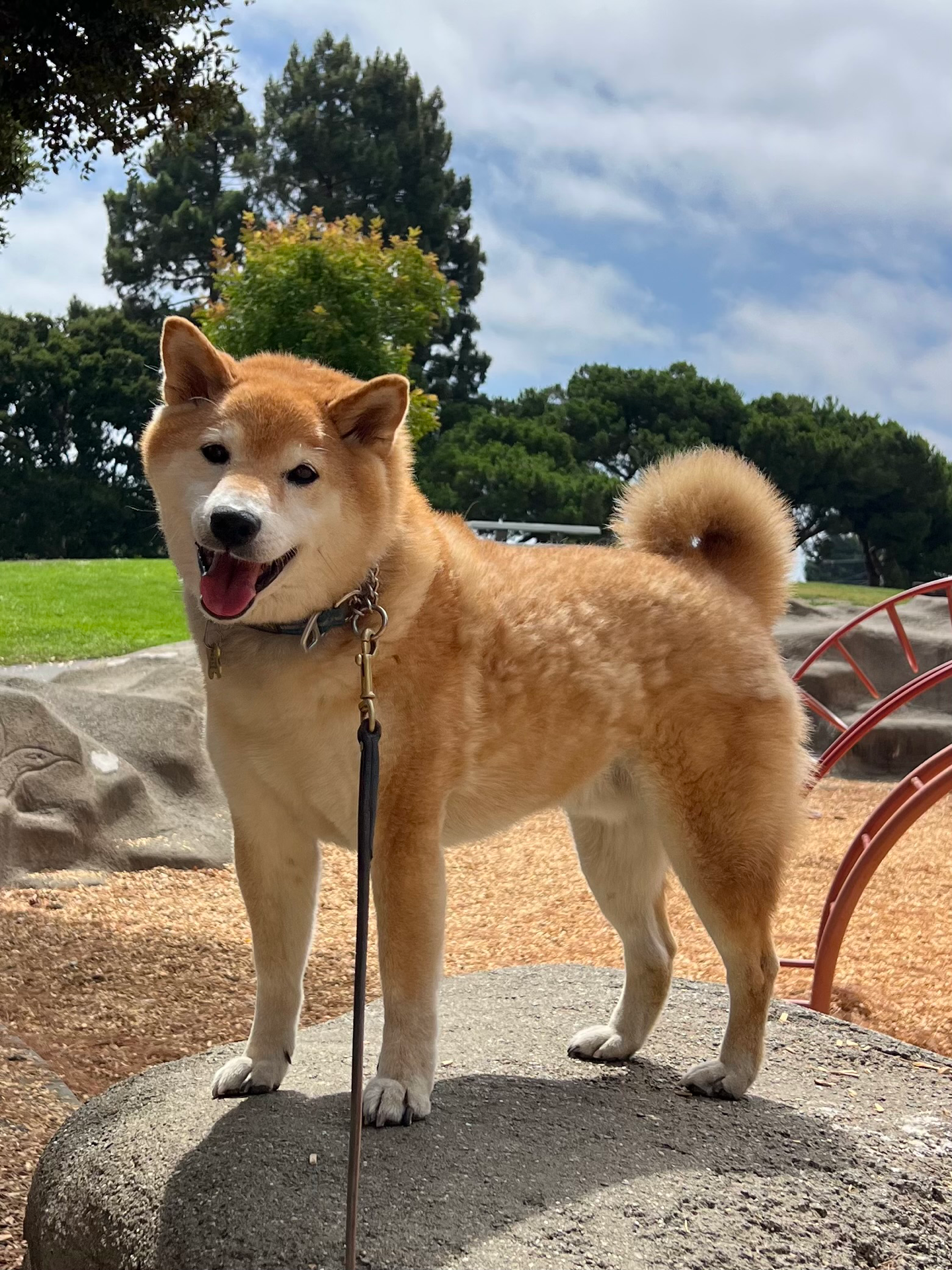
"When you put your request out, I was like, are we basic?" another Mochi owner asked me.
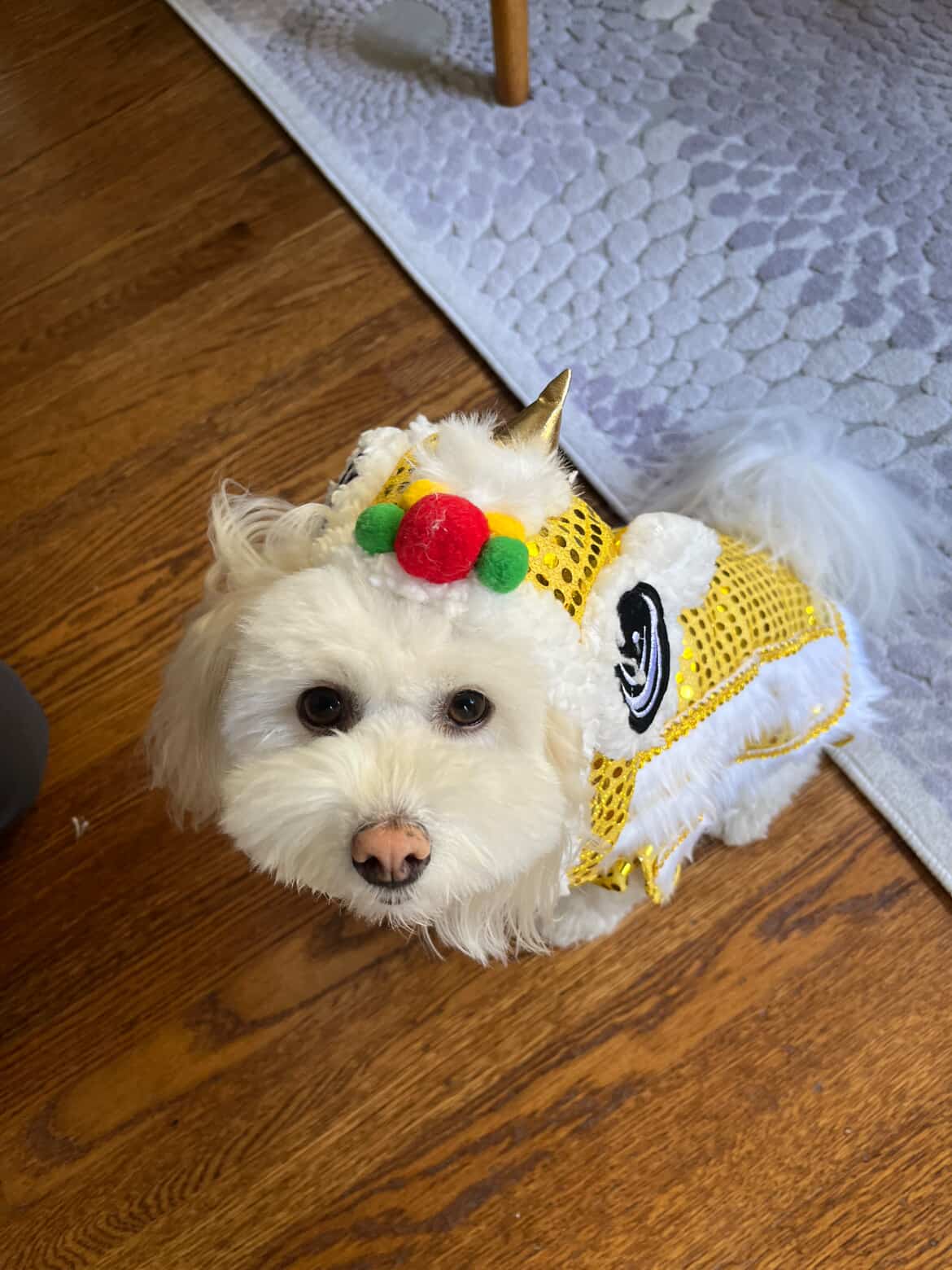
When Ashley Gremillion's husband insisted their three-pound dachshund needed to be called Mochi, she had no idea what he was talking about. "I'm from New Orleans, so I wasn't too familiar with Japanese food," she admits. Once she patted her puppy's soft, flabby belly for the first time, she got it. But to this day, when she returns to her hometown, folks don’t quite know how to pronounce the word. Still, in Gremillion’s home of North Berkeley — the land of Berkeley Bowl, Tokyo Fish Market, and Third Culture Bakery’s mochi donuts — that’s no issue. "I felt like it was such a unique name!" she laughs. "But then we met another Mochi."
The other Mochi. Then the other other Mochi. And then another.
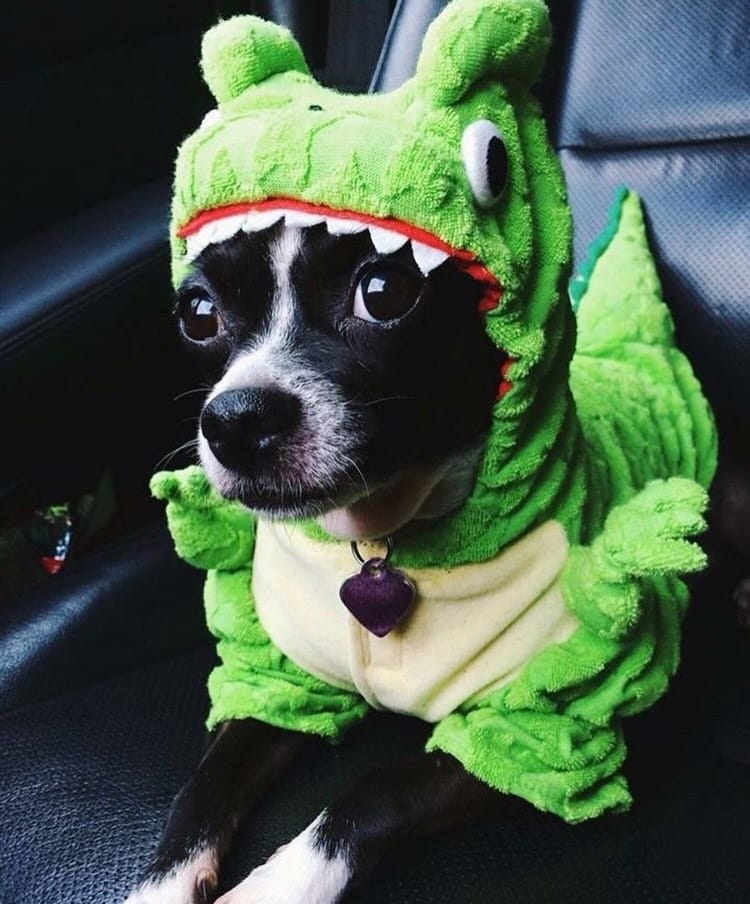

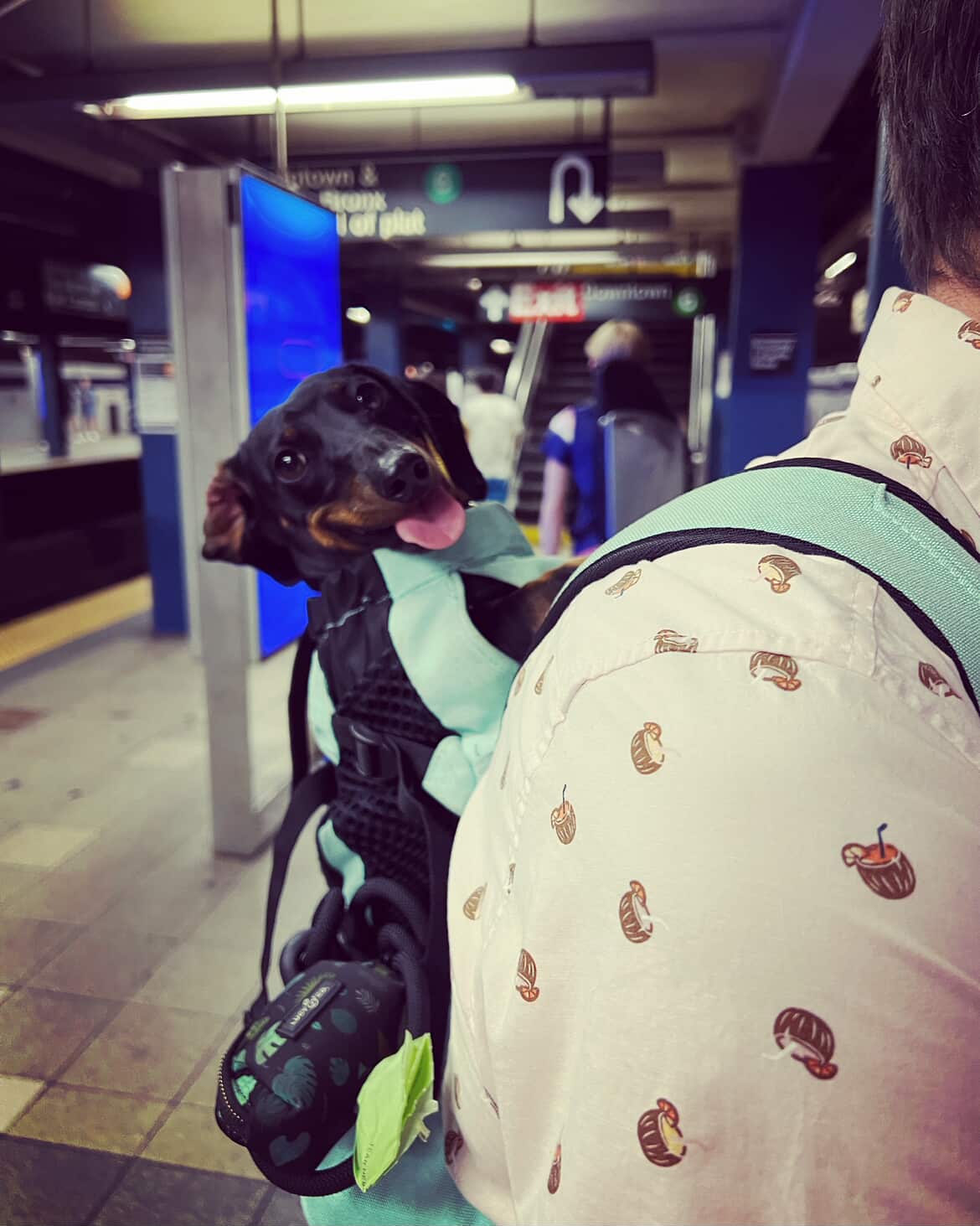
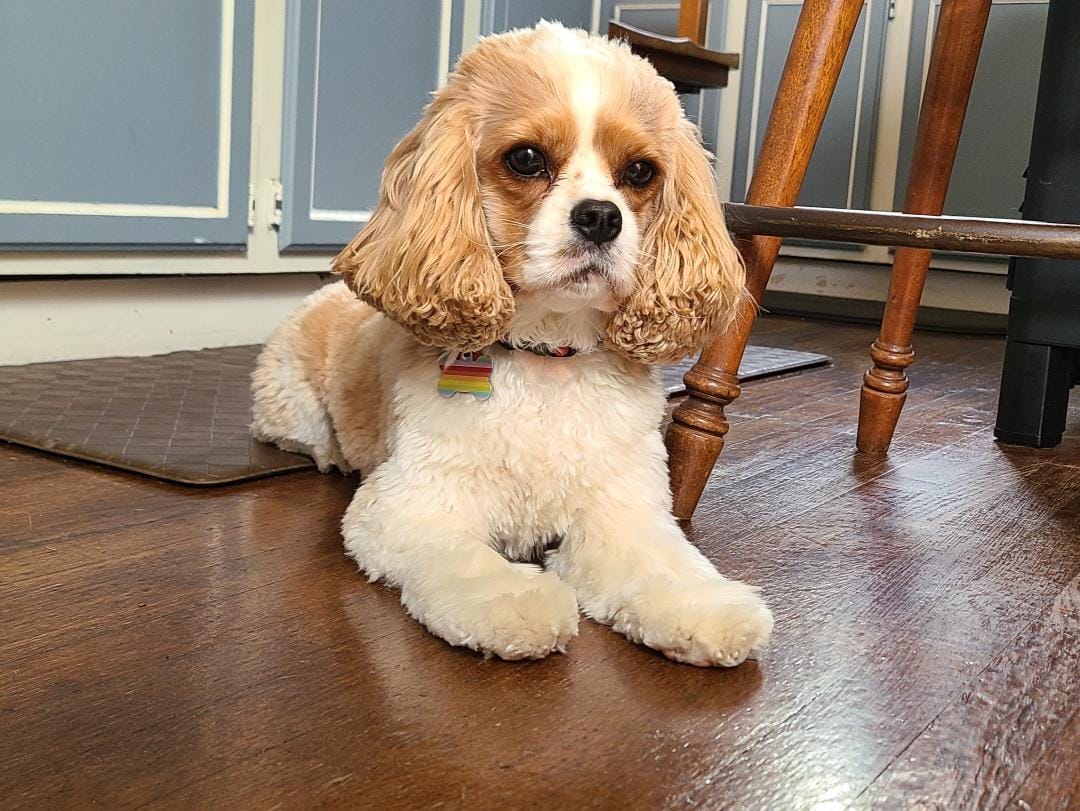
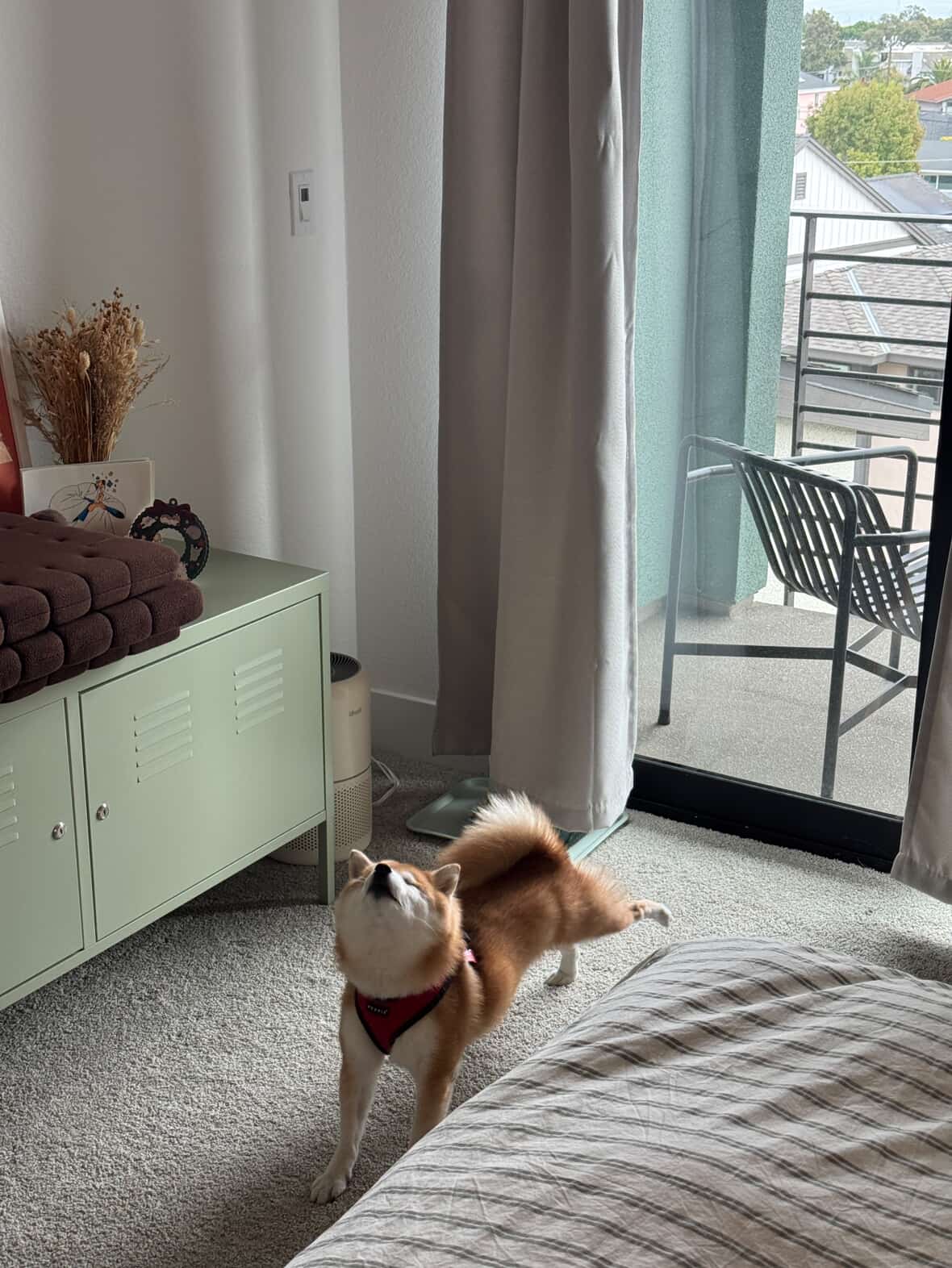
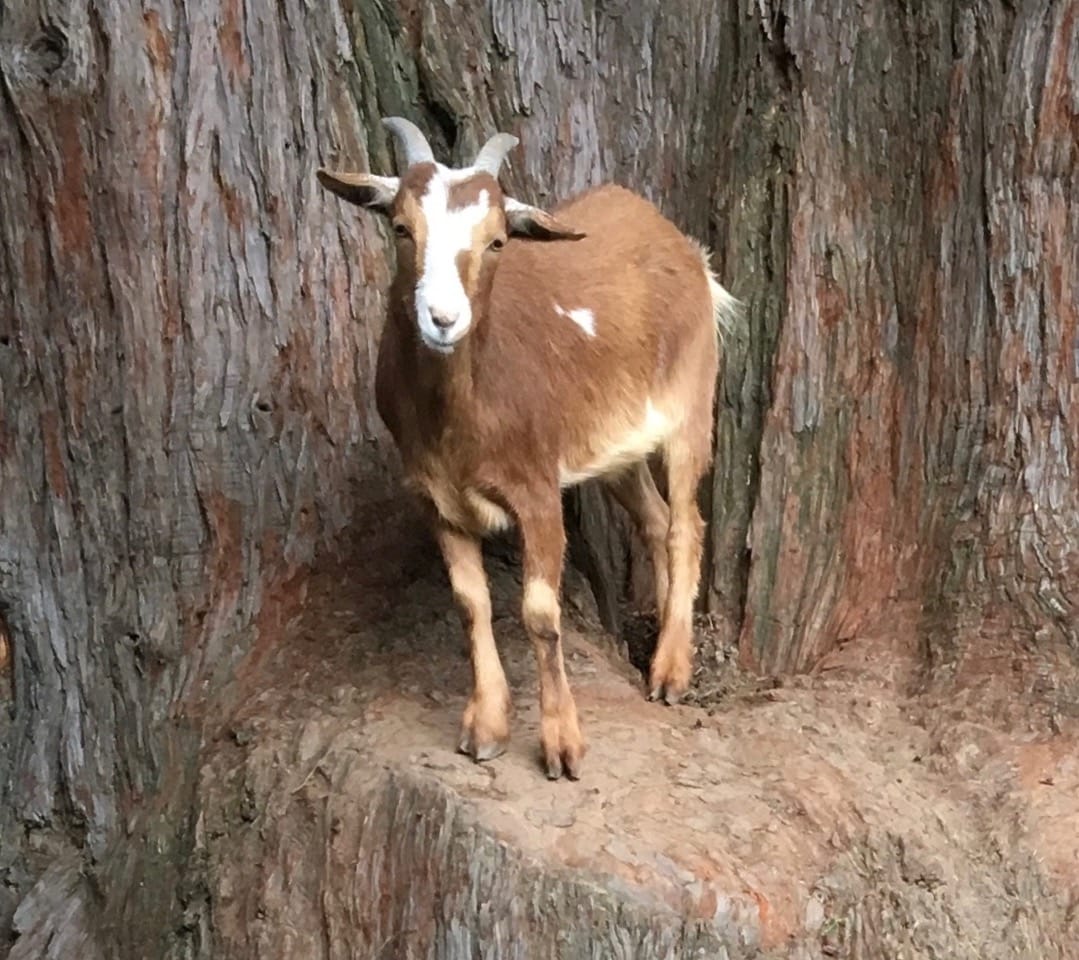
The trend of naming pets Mochi has correlated with the increasing popularity of Japanese foods. (From top left: Photos courtesy of Tiffany Lee, Christine Gallary, Ashley Gremillion, Susan St. Martin, Jess Liu, and Yarrow Rubin)
Twenty years ago, if you brought a dog named Mochi to a dog park, the name likely would have required an explanation. Ten years ago, it would have been vaguely adventurous. Today, just walk through any dog park in Berkeley, San Francisco, San Jose, or really… any city here, and you're likely to encounter at least one Mochi — maybe lounging in the grass, possibly stealing someone's hiking boot, or potentially looking rounder and fluffier than the other dogs. Not all Mochis are fluffy and squishy (see: goat), but there’s definitely a tendency.
According to data I received from San Francisco Animal Care & Control, Mochi ranked 42nd among the 53,236 dogs registered between 2015 and 2025, beating out Honey, Nala, Taco, and (my favorite) Mr. Big Stuff. Miso, another Japanese food-inspired name, doesn't chart as high, but it’s certainly more common than Macaron.
(I couldn't get data from other Bay Area cities. San Jose Animal Care & Services outright denied me, responding, "Our office will only release pet records to owners of pets. If you are not the owner we cannot give you any information on a pet within our database without owner approval." So the South Bay’s dog names will forever be a mystery.)
What's behind the Bay Area's collective urge to name pets after Japanese food? Research on pet naming shows that we bestow names not just to identify our animals, but to communicate something about ourselves. After talking with multiple pet owners, I came away thinking a lot about how food culture, Asian American identity, and Northern California’s distinct ecosystem collide in our relationships with the little creatures we’ve chosen to live with.
Let’s take a beat to talk about what mochi even is. About a century ago, Japanese immigrants brought mochi to California — with shops like Benkyodo in San Francisco and Fugetsu-Do in Los Angeles. The eponymous ball of starch is traditionally made from extra-sticky glutinous rice that has been smashed into a paste with a wooden mallet, then rolled into balls or other shapes. On New Year’s Day in Japan, you might eat a clear or miso-based soup with a piece of gooey toasted mochi plopped inside; and during the first few days of the year, you might see short, snowman-like stacks of mochi on display on family altars.

The cuteness and charisma of mochi might explain why we see so many furry loved ones named after it.
"It's a texture thing," says Jung, the shiba owner. "It's really fun to eat. It felt perfect: Japanese dog, Japanese food." When she brought her puppy home, the name was already picked — one of her favorite foods for the breed she'd fallen in love with. "It was fate," she says. "He turned out to be quite round and very pokable like mochi."
The roundness factor came up again and again as I spoke to pet owners. Rosemary McDonnell-Horita, who lives in Berkeley, named her cat Mochi after feeling her belly — "so soft and goopy," she says. Over in San Francisco, one family made a big list of white food items to pick from when the family got a fluffy, white coton de tulear: Mochi won out.
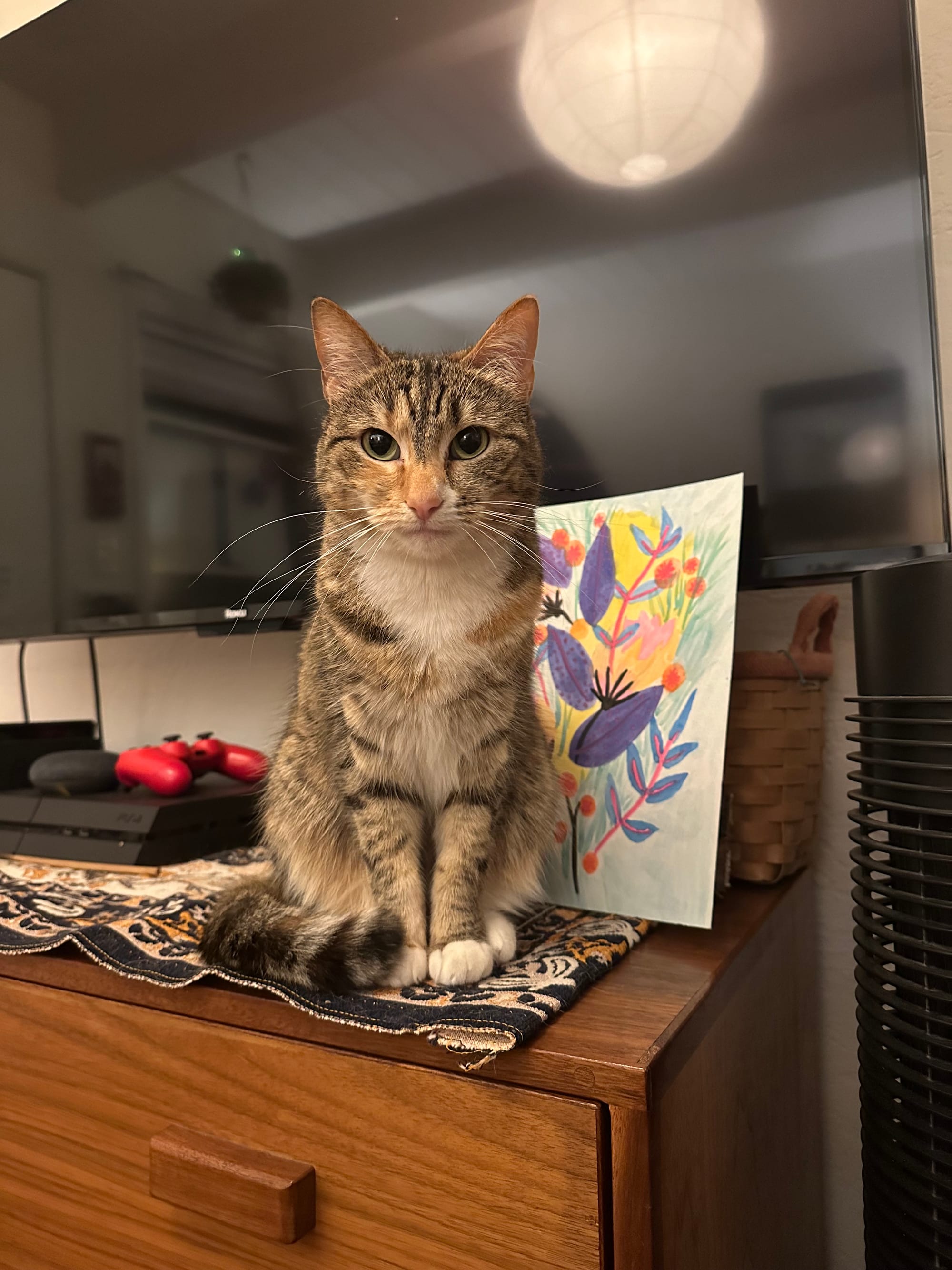
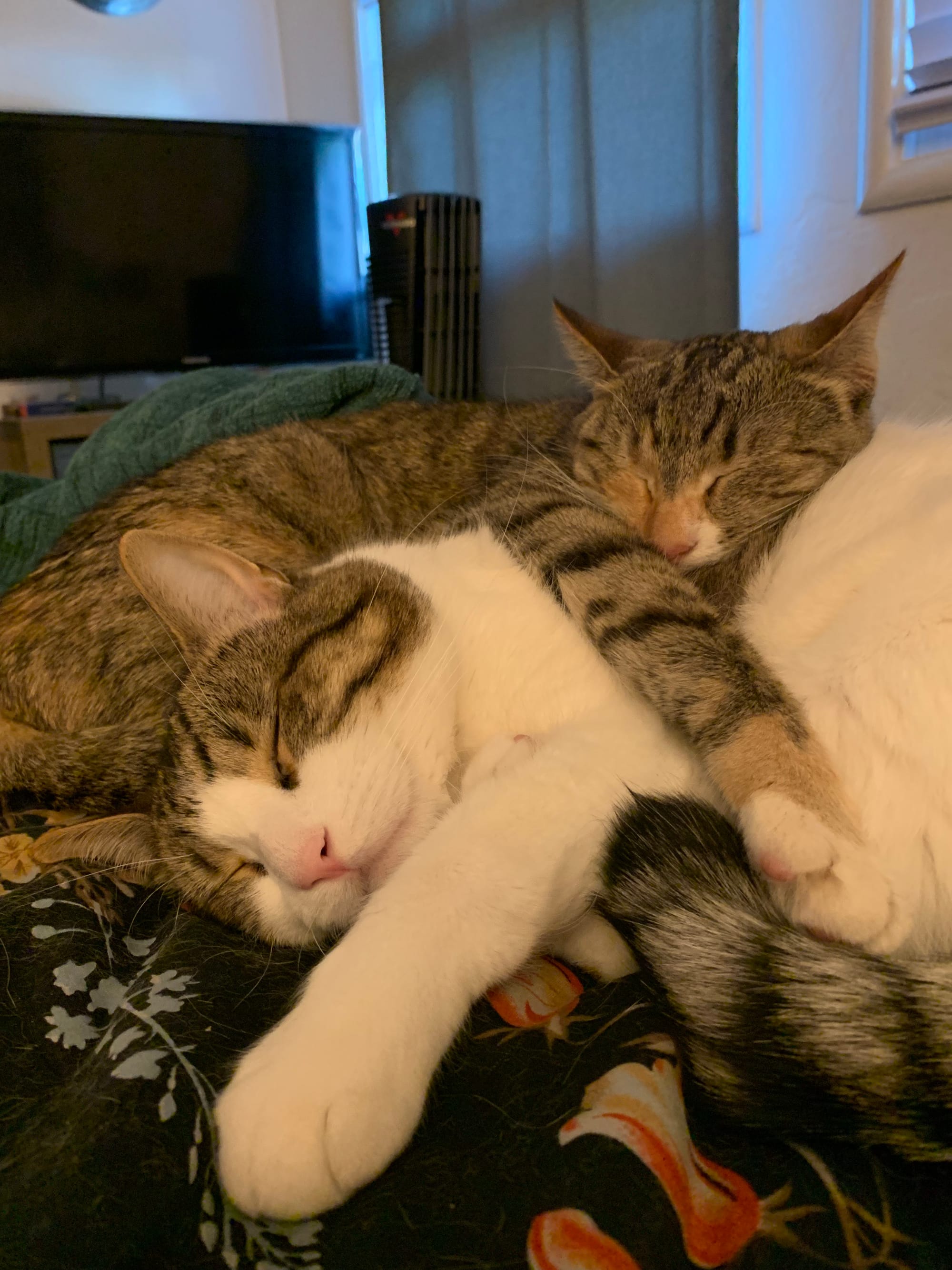
Mochi isn't just a dog thing: Cats can get in on it, too. (Photos courtesy of Rosemary McDonnell-Horita)
The timing of the Mochi boom isn't coincidental: Japanese ingredients are now mainstream in American grocery stores. Nami Hirasawa Chen and Shen Chen, the producers of the food blog Just One Cookbook, have watched the transformation firsthand since starting their site in 2011. The couple live in the Peninsula with their Aussiedoodle, Miso, after the Japanese fermented bean paste.
"When we first started, even on Amazon you couldn't find any Japanese ingredients," Shen says. Back then, Japanese grocery stores like Nijiya were relatively expensive specialty shops serving primarily Japanese customers. "Now, the people shopping in Nijiya are majority non-Japanese, which we didn't see 10 years ago."
In her recipes, Nami used to write detailed parenthetical definitions for every ingredient: matcha (green tea powder), dashi (soup stock). "Now I can delete that parenthesis," she says. The growing accessibility of Japanese food and the recent explosion of American travel to Japan have made home cooks even more familiar with the basics.
The Chen family named their dog Miso partly for his brown color (he's faded to "almost white miso" now, jokes Nami, who notes "kinako would be more appropriate, but nobody knows what kinako [is]"). At first, the name met resistance from Nami herself. "I said, 'Miso? Nobody names their dog Miso in Japan! It's a condiment, like soy sauce!'"
But in the Bay Area, food names for pets have become a category unto themselves. The Chens’ friend has a dog named Tofu. (There are 31 Tofus registered in San Francisco.) They've heard of dogs called Gyoza. At a recent get-together, I met a dog named Bingsu, after the Korean shaved ice dessert; at a park in Albany, my dog Honey got into it with a chihuahua named French Fry.
"This happens only in the Bay Area, I think," says Nami. "It's very multicultural here, and people are familiar with these food names. Besides a regular dog name, food is something people feel really affectionate about. People can say, 'Ahh it's so cute!' It's not offensive to somebody. It makes you happy."
In Japan, ironically, ‘Mochi’ as a pet name is "really rare," according to Nami. English names are more popular there: Mocha, Cookie, Cupcake, Latte. "It's a very Asian thing," says Nami. "It sounds cooler there in katakana, to have an English food name. If you live in the city, it's a lifestyle [signifier] to name something a foreign word." Sound familiar?
According to Google Trends, Californians are the second-most likely Americans to search for “mochi” (after Hawaii, of course). And within California, the Bay Area is the top searcher for the word. Its popularity made a tremendous leap in 2020, and it’s only growing. It could be that people are meeting more Mochis out in the wild. That, or they’re trying to figure out just what’s in those trendy donuts their friends brought to the potluck.
There's also an undeniable cuteness factor at work. "It just sounds cute too!" says Jung, the shiba inu owner. "It has that kawaii factor." The word itself is phonetically appealing — two syllables, easy to yell across a dog park, ending in a vowel sound that dogs respond to well.
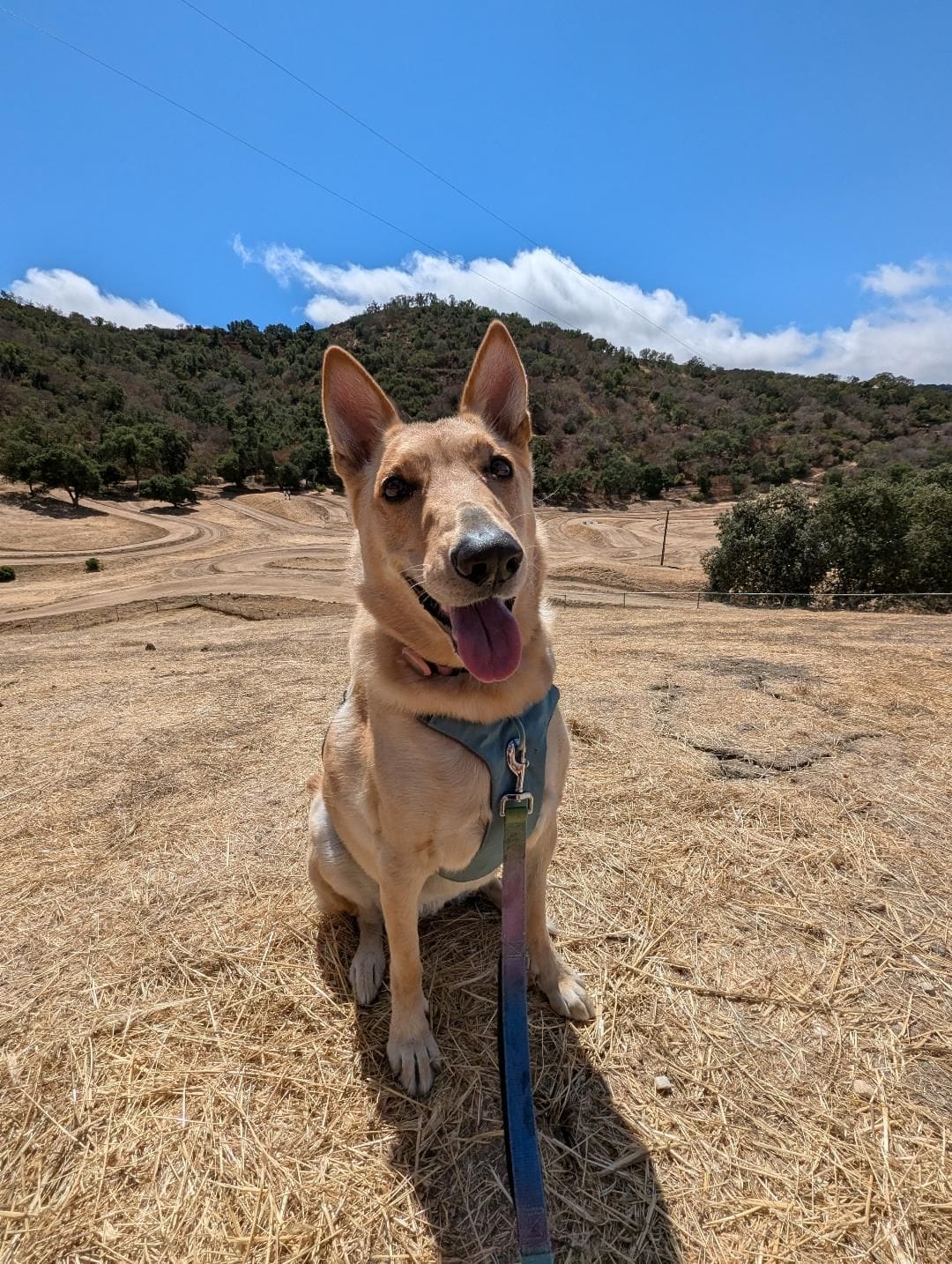
Miso has similar qualities: soft consonants and that satisfying "o" at the end. That’s the Japanese food name Mike Floyd and Leah Rome-Floyd of San Jose landed on for their 93-pound German Shepherd mix. "Her coloring for sure," says Leah, who's half-Japanese. "She's a light tan color. We tried Tofu for a while. But saying it was not as fun. You're yelling across the apartment, 'Tofu!' 'Miso' rolls off the tongue more easily."
According to research on pet naming, we're acutely sensitive to how names sound in public. In 1985, the author and pop etymologist William Safire put out ads in various American newspapers, including the San Francisco Chronicle, asking people to share their choices of dog names. After receiving notes on 12,000 dog names, he ended up writing a column about his findings for the New York Times. “Foods are also used, because people like to name animals after things that provide enjoyment. Cookie, Candy, Taffy, Peaches, Oatmeal, Gingersnap, Noodles and Cinnamon abound, with more with-it types adding Yogurt, Tofu and Mayo,” he wrote.
Notably, in one letter, a respondent observed, "All of my friends have christened their dogs in such a way that they will never be embarrassed to holler down the street."
In his 1962 book, La Pensée sauvage (The Savage Mind), anthropologist Claude Lévi-Strauss observed, “I may [. . .] regard myself as free to name my dog according to my own tastes. But if I select ‘Médor’ I shall be classed as commonplace; if I select ‘Monsieur’ or ‘Lucien’, as eccentric and provocative’; and if I select ‘Pelléas,’ as an aesthete.”
Accordingly, many of the people who responded to my own call-out for this story identified as gourmands or foodies. It’s likely what inspired San Franciscan Christine Gallary's daughter to choose the name ‘Mochi’ for the family dog; she grew up in an atmosphere of food, says Gallary, a recipe developer and tester. "[My daughter]’s been exposed to so many foods. She knows about miso, matcha... it’s given her a bigger vocabulary to pick from." For the record, the dog’s full name is Mochi Coconut Ann Gallary.
For people with Japanese ancestry, naming a pet Mochi or Miso can feel like a small act of cultural maintenance, or even healing. Berkeley cat owner McDonnell-Horita is mixed race, and her connection to Japanese food comes through her father, a professional chef, who was "ashamed and wanted us to look and feel more American." She'd always wondered why her family didn't do things like eat mochi at New Year's like other Japanese families they knew. "The answer was assimilation," she says, "but that wasn't the word that he used."
Still, she sees mochi as a comfort food. And it's no surprise that Mochi's housemates include two Italian-American cats named Ziti and Rigatoni.
The Egusa family cat, who lives in Newark (in the East Bay), was named Mochi after a cat in Big Hero 6, which appropriately takes place in sci-fi San Fransokyo. Siblings Chris and Kelly Egusa loved how the main characters were mixed race — Japanese and white — like them. "I knew I wanted to name a cat Mochi, and it was partially my connection to the movie," Kelly says.
For Rome-Floyd, naming her German Shepherd Miso felt natural because her mother is Japanese and a chef: "Japanese food speaks of home, nostalgia. It's this one slice of my family."

What surprised me most about all these conversations wasn't the sheer number of Mochis — I already had a sense that there were a lot of them. Instead, what impressed me was how personal the naming process felt for people and how much thought went into it, even when they ended up choosing the same name as dozens of other Bay Area pet owners.
Sixty years ago, Lévi-Strauss observed that dog names could function as markers of a person’s class status and relative sophistication. To that end, we Americans might give our dogs Japanese names while people in Japan give their dogs English ones — each of us reaching for something that feels foreign enough to be interesting, but familiar enough to be comfortable.
Regardless of the reason, naming your dog Mochi says a lot about not just who, but where you are: that you're part of this odd, privileged, food-obsessed ecosystem where a Japanese rice cake can be simultaneously meaningful and completely ordinary. It’s so Bay Area, and that’s why I love to see it.