‘Old Man in Flip Flops’: Notes from a Surprisingly Exciting Water Tasting Class
Camper English’s popular water tasting course is an exercise in attention — even for us tap-lovin’ plebes.


Camper English’s popular water tasting course is an exercise in attention — even for us tap-lovin’ plebes.

Blue Note's Black Radio Experience drew sold-out crowds to Napa Valley. Months later, some contractors were still chasing their money.
Oakland historically lacks soccer fields. But a group of local players and community advocates hopes to kick off a brand-new space — featuring soccer, coffee, retail, and more.

‘The fish rots from the head,’ says one expert — and the smell is coming from the governor’s mansion.


At first, the Waymos brought joy. Rolling back into the city from the East Bay on the first evening of the widespread blackout the Saturday before Christmas, my partner and I were comforted by PG&E’s report that our power would return by 9:30 p.m. We had a giggle fit at the driverless vehicles stuck all along Geary Boulevard. I snapped a photo of one intersection with five (five!) stacked helplessly behind one another, unable to process the concept of a four-way stop without a working streetlight. But the giddiness dampened when my Bluesky post wouldn’t upload due to the outage. The presence of the robot cars faded as we retreated into our apocalyptically dark neighborhood in the Richmond District.
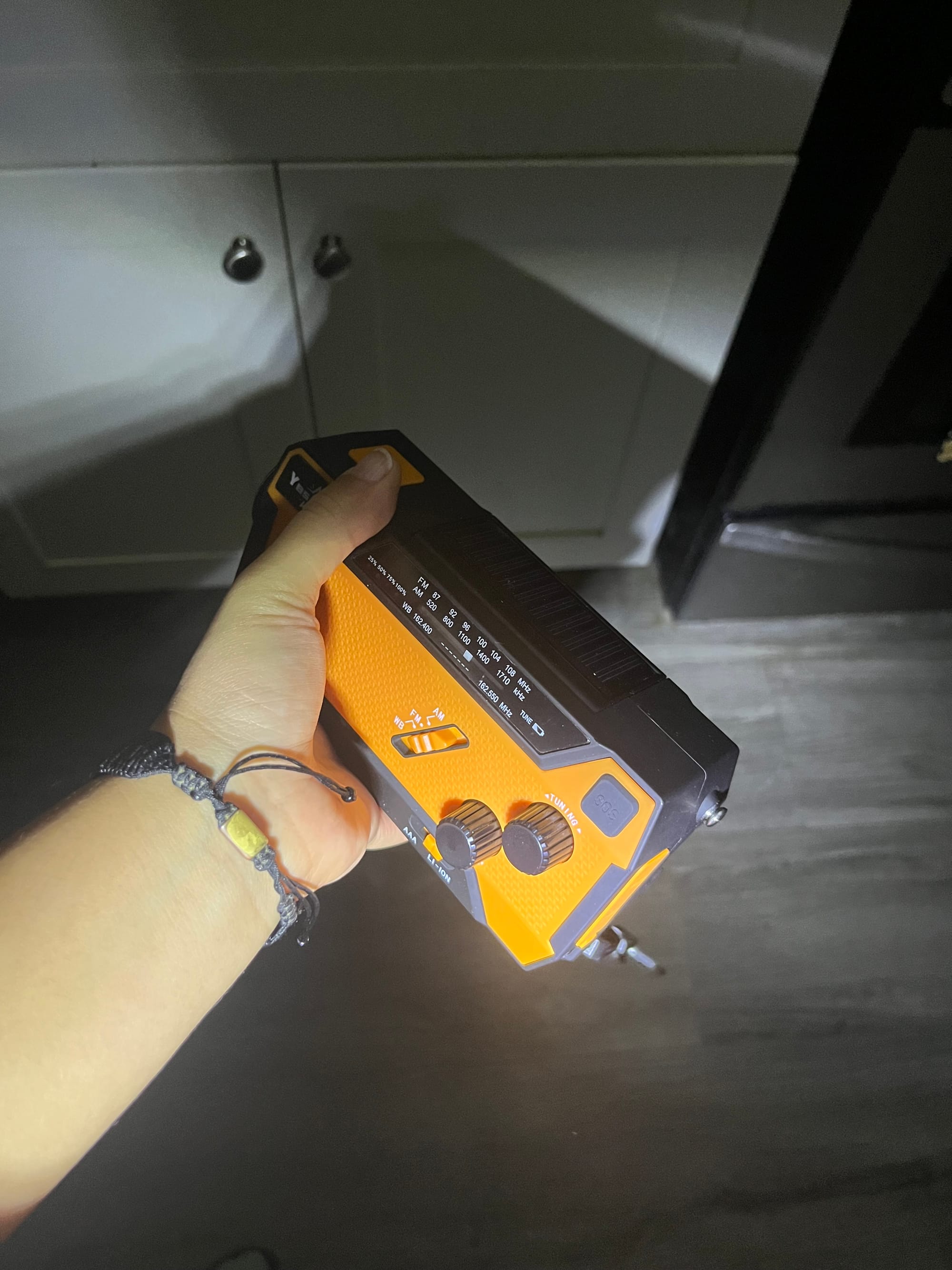
I have a bit of a “prepper” streak, and on paper, I was prepared: we had camping headlamps, power banks, and an emergency radio. Unfortunately, the power banks were only partially charged. The radio, it turns out, can be powered via solar, AAA batteries, rechargeable lithium battery, and, if all else fails, a hand crank. Reader, all else failed. Without any other connection to society — no WiFi, hardly any phone signal — I cranked like I was in churning-butter-times to scan the radio for any news. We caught a short update that told us what we already knew: why yes, thank you, it was still dark in the Richmond.
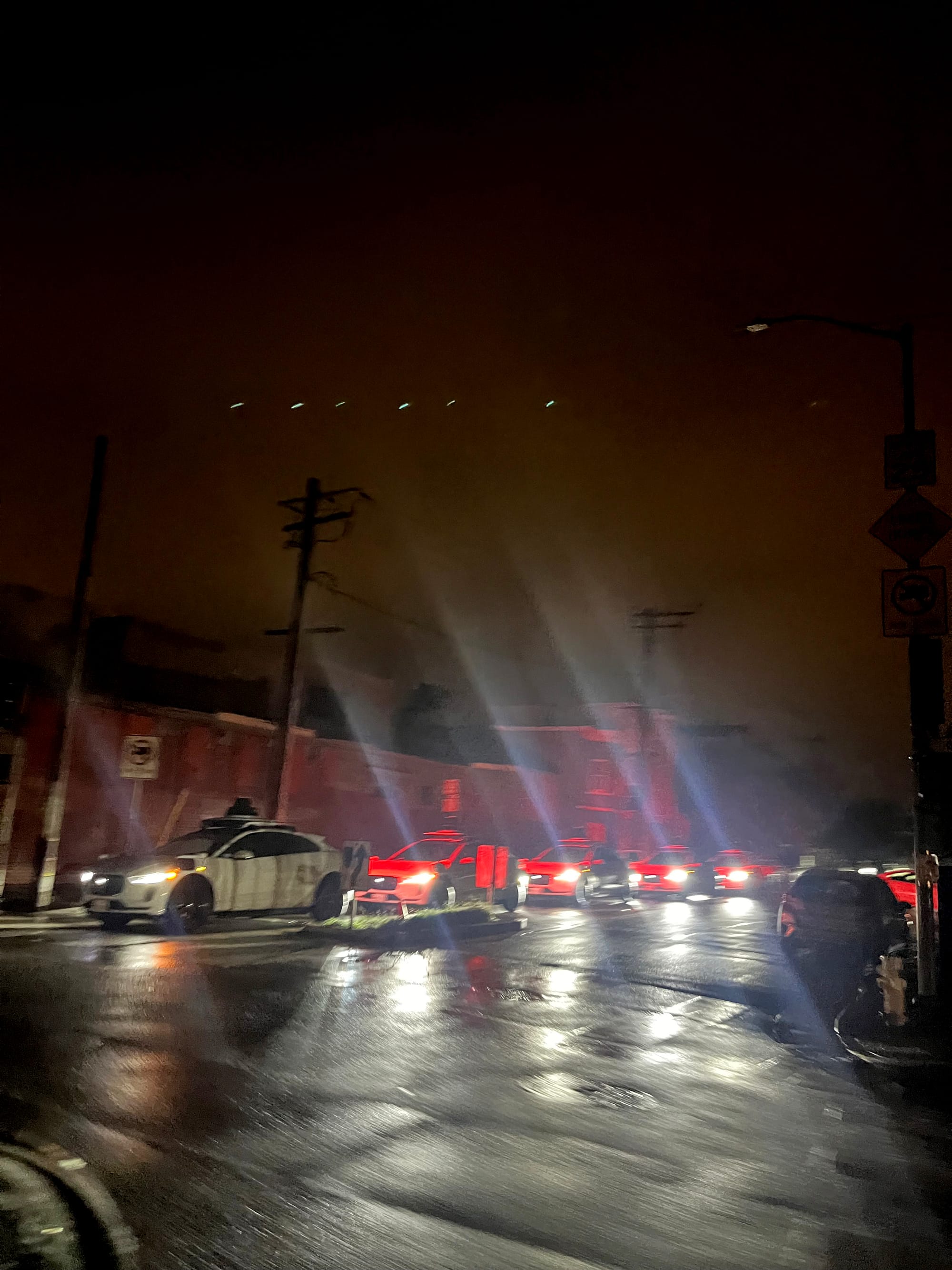
Over the next 48 hours, as we scrambled to keep our devices charged and a fridge full of perishables from going to waste, we checked for occasional updates from PG&E about when we could expect the power to return, then watched as they became wrong: 9:30 p.m. Saturday turned into 8 a.m. Sunday turned into 3:45 p.m. Sunday turned into 2 p.m. Monday. Only the camaraderie of fellow pedestrians crossing a dark and rainy Geary Boulevard together briefly softened the dread of returning home to stew in the dark, literally and figuratively, for a second night.
Relatively speaking, we were the lucky ones. As roughly 130,000 customers lost power in San Francisco, seniors struggled to keep expensive medicine refrigerated and went without CPAP machines, as Mission Local reported. Meanwhile small businesses suffered a huge financial hit during a busy holiday weekend. Restaurants were forced to cancel reservations and throw out spoiled food.
Yes, this was yet another PG&E fuckup. Need I remind you about the deadly 2010 San Bruno explosion, or their equipment regularly being the starting point for highly destructive wildfires? Criticizing the investor-owned company, which is headquartered in Oakland, is almost a universal Californian pastime. Residents who track these sorts of things will often follow up with assertions about the need to wrest power back from the utility, literally, by turning the power grid into a publicly owned entity.
That won’t happen overnight. And despite the convenience of focusing on one true enemy in this situation, it’s not that simple. There’s another entity that bears some responsibility for catastrophic blackouts like December’s — and it’s one that mostly evaded public ire.
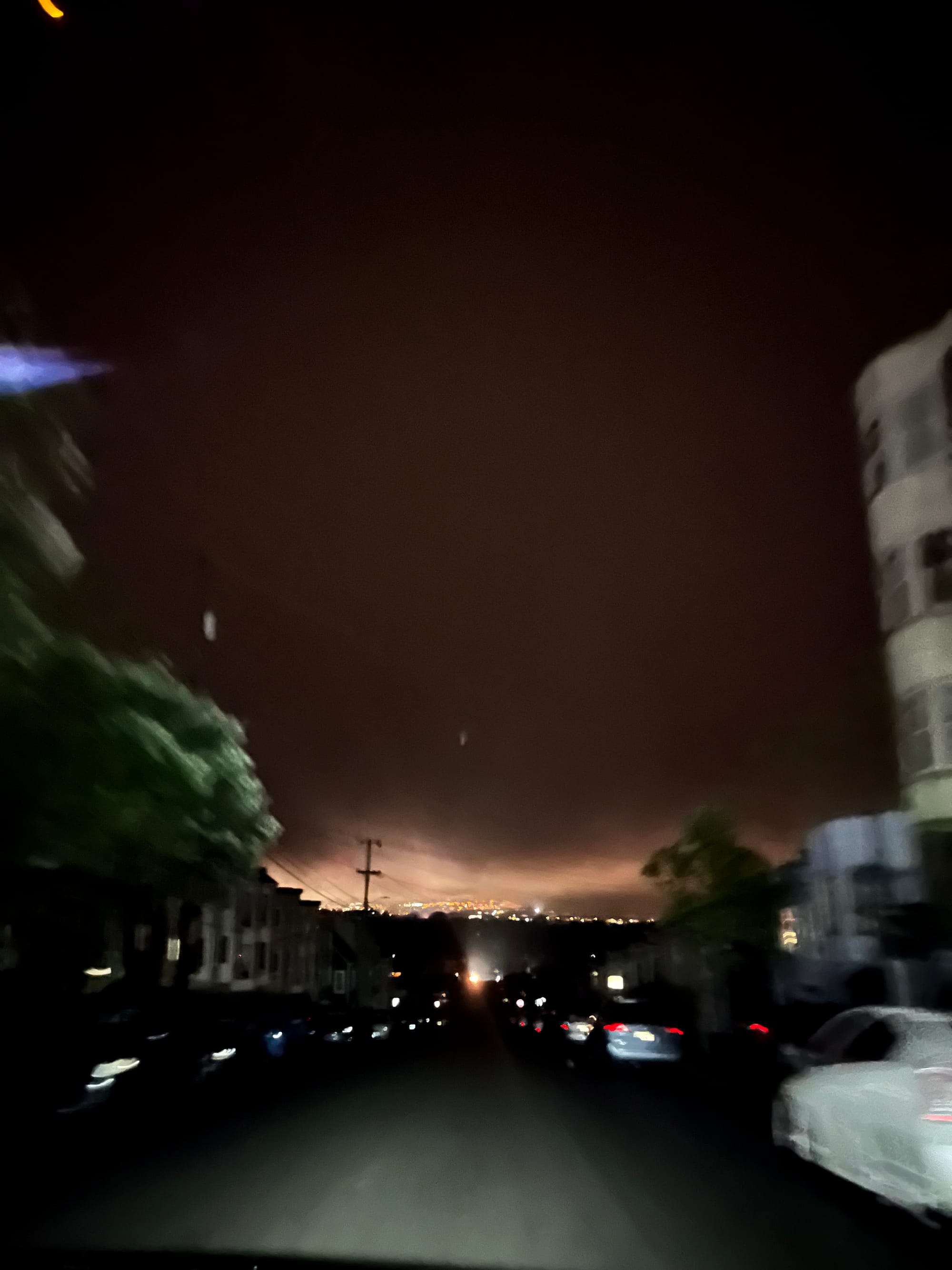
The Richmond District shrouded in darkness on Saturday, Dec. 20, 2025. (Ida Mojadad/COYOTE Media Collective)
That’s probably, in part, because relatively few people even know it exists. It’s called the California Public Utilities Commission, and it is, in a very broad sense, a watchdog group that critics say does very little watching, a regulatory body that by and large has failed to regulate.
It doesn’t have to be this way. With Gov. Gavin Newsom, who appointed the current commissioners, on his way out of office next January, California residents have the opportunity to pressure the next governor to overhaul the CPUC for the first time in years.
But first, we should probably all learn what the CPUC is supposed to do.
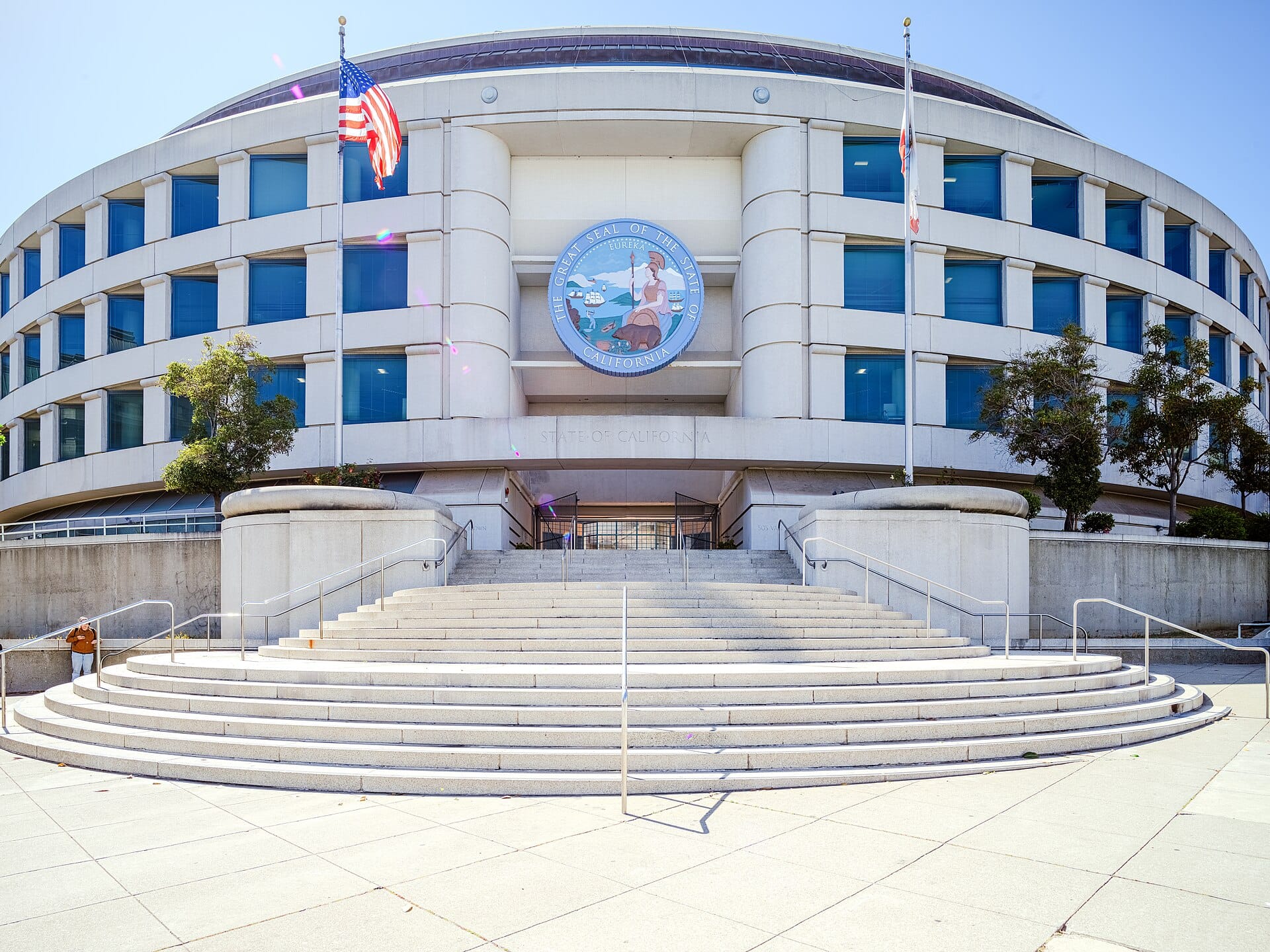
In 1911, California voters decided to create the CPUC via a state constitutional amendment, as part of a progressive reform movement intended to protect citizens from greedy railroad companies. The body’s purview has expanded significantly since then, with the CPUC now overseeing a staggering number of services that impact daily life, including electric, water and gas utilities, broadband, and for-hire passenger transportation like limos and Ubers. The CPUC’s headquarters are in San Francisco, on Van Ness Avenue, which is supposed to ensure the commission remains free of Sacramento influence. (Spoiler alert: it isn’t.)
The CPUC has repeatedly failed to reign in PG&E. The commission has approved rate hikes at an astonishing pace, and without sufficient audits. It has also raised average residential electricity rates by 47% between 2019 and 2023, outpacing inflation and reaching almost double the cost than the rest of the nation, according to the Legislative Analyst’s Office. Meanwhile, PG&E raked in a record-breaking $2.47 billion in 2024 and is expected to make more in 2025.
The CPUC is also the body that in 2023 approved the unlimited expansion of autonomous vehicles after a by-most-accounts-disastrous testing period — against the fervent objection of city leaders. (If you’ve been living under a rock for the past couple years, autonomous vehicles have mainly made headlines for killing a beloved bodega cat and slowing down emergency responses, including during the blackout.)
So what was the CPUC’s response to the widespread blackout of December 2025? The blackout, mind you, so massive and seemingly mishandled even international outlets like Al Jazeera covered it?
“We have staff looking into both incidents,” the commission initially told The Standard in the days following the disaster. As of this writing, confirming an investigation is underway remains the extent of the CPUC’s public statements on the outages and Waymo meltdown.
The investigation has a whiff of déjà vu. December’s big blackout was caused by a fire at a substation on 8th and Mission streets, echoing another widespread blackout caused by a fire at the same substation before Christmas in 2003. Get this: It also caught fire in 1996 and 2005.
After an investigation, the CPUC in 2006 reached a $6 million settlement with PG&E, requiring the utility to spend money on its own electrical system. Clearly, in the case of this substation, those fixes didn’t put the issue to bed. (The cause of the most recent fire is still under investigation by a third party, PG&E confirmed last Monday.)
So how did we get here?
Getting mad at PG&E for dysfunction, experts say, is a little like blaming a toddler for throwing toys: There’s supposed to be a grownup watching.
“PG&E is kind of acting in a very rational way — this is the system we've set up for them,” says Bernadette Del Chiaro, a clean energy expert and the nonprofit Environmental Working Group’s senior vice president of California operations. “The government is the one that's asleep at the wheel. They're the ones that are supposed to be the adults in the room and keep PG&E from their worst self.”
Part of the issue, she says, is that commissioners are not elected, but appointed by the governor, who sets the tone and priorities for the CPUC — or, as Del Chiaro put it, “the fish rots from the head.” The current body was appointed by Newsom, who has his former senior energy advisor, Alice Reynolds, as commission president (remember that bit about how it’s supposed to be free from Sacramento influence?). Utilities, in turn, are top spenders when it comes to lobbying state leaders, according to a CalMatters analysis. It’s also common for commissioners to come from the utilities or fossil fuel industries, then return to those industries after serving, and maintain a cozy relationship while doing so.
Take it from someone who was once in the belly of the beast: San Francisco attorney and regulatory expert Loretta Lynch served as a commissioner from 2000 to 2005 — she was president of the commission until 2002 — and has since become one of its biggest critics. The CPUC is directed by the governor’s office weekly, if not daily, she said.
“Theres been no accountability for the utilities,” Lynch told COYOTE in an interview. The sky-high electricity rates Californians are experiencing “is because of the abject failure of this PUC and prior PUCs to do their job, which is to ensure just and reasonable rates and to take a sharp pencil to utility spending, and only allow spending utilities can prove is needed and at reasonable cost.”
But investor-owned utilities make their profits on capital investments rather than supplying electricity, which means PG&E and its ilk will always be incentivized to spend more, as laid out in this 2025 UCLA report. Some of that spending is on things like grid improvements — like the $3 billion the company invested in San Francisco’s grid since 2005 — but PG&E makes money regardless of if those investments actually prevent blackouts or not. And the CPUC, as it’s currently set up, isn’t incentivized to hold them accountable.
“The PUC is a rogue agency that does whatever the heck it wants,” says Lynch, “and because of utility co-option, it does whatever it wants in favor of what the utility wants.”
Just about everyone had power restored by Monday, Dec. 22. But throughout the week, reality set in that PG&E was far from fixing the issue and that the full scope of the damage would take a while to tally. A $443 emergency vet visit for our elderly cat tipped us off that even the food we had shuttled to friends’ freezers was not safe to eat. For neighbors on 24th Avenue and Balboa Street, it meant having their cars towed with no notice to make room for generators, then hearing the sound equivalent to jet engines for about a week with little word about when it would end.
The Sunday after Christmas, I went from watching Carol crash out over the hive mind invasion on Pluribus to crashing out when the TV shut itself off. We got word that there were both unplanned and planned outages in the area, and the PG&E map told us ours was of the “oopsie” variety. My mind raced through what to do: Safeway was closing soon, so we couldn’t get ice. Devices were fully charged this time, but we would need to unfreeze the cat’s food on the stove to feed her. I prepared for the long haul — but 15 minutes later, the power came back on.
“We recognize the impact of the outage, and we apologize for the disruption and frustration this has caused, especially during the holiday season,” said PG&E spokesperson Andria Borba in an emailed statement in January.
Surely I am not alone in finding this statement unsatisfying. How can we trust that this utility won’t derail another week of our lives at any given moment? And: what can a regular, pissed-off PG&E customer and California voter even do?

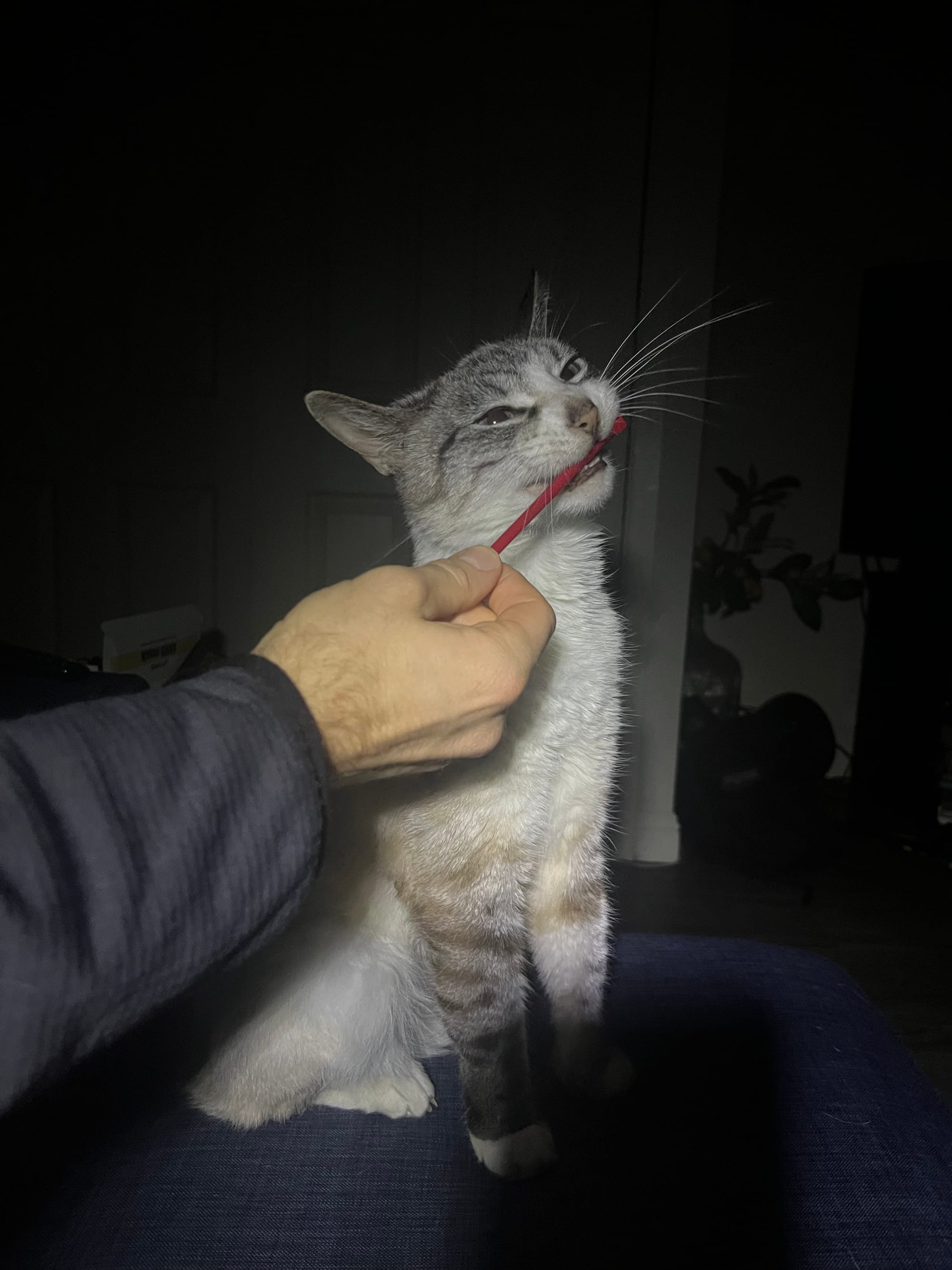
The author’s partner plays with their elderly cat — who would later require a $443 emergency vet visit — on night two of the blackout. (Ida Mojadad/COYOTE Media Collective)
Supervisor Alan Wong, who represents the west side, has called for a hearing that will be scheduled in the coming months, so constituents can plan to make their voices heard there.
But in the medium term, something’s gotta give at the CPUC. Del Chiaro argues for making the commissioner seats elected positions, but with highly restricted campaign funding rules. Absent that, the governor sets the tone for the CPUC: Soon, there will be a new sheriff in town to pick commissioners as their staggered six-year terms end, and it’s worth asking said sheriff what they plan to do.
Of the notable gubernatorial candidates COYOTE reached out to, two of their campaigns took the issues seriously enough to respond. Tom Steyer has been running ads about breaking up the monopoly of PG&E, but when asked if he supported municipalization, his campaign directed me to a letter to the CPUC that primarily calls for more oversight.
Yee, a former state controller who was born and raised in San Francisco, wrote back five paragraphs calling for a rate moratorium until audits for past increases come in, supports transitioning to public-owned utilities, and agreed elected commissioners would be more accountable to ratepayers.
“The CPUC in its approval of multiple rate increases proposed by the utilities has not been diligent with such audits,” Yee wrote. “I expect my appointed commissioners to use the full power of their office to ensure accountability and transparency in their regulation of investor-owned utilities. And I would have shareholders rather than ratepayers bear the cost of lobbying expenses.”
But in the long run, most experts (the ones who haven’t been co-opted by PG&E) agree there’s only one real way out: taking over the grid. Los Angeles and Sacramento run their own power, and just last year, Stockton and Lathrop joined Alameda County in switching to the nonprofit power provider Ava Community Energy.
“We just need to municipalize,” Del Chiaro says. “PG&E is too big. Electricity has become just way too important. Localizing things is just going to be the best solution. Each ratepayer will have a larger voice.”
If San Francisco manages to take full control from PG&E, the process will not be quick, nor simple. State Sen. Scott Wiener is drafting a bill to make it easier for cities to break away from PG&E — but he made a similar move in 2020, also while seeking election, and it died without a vote, so Lynch isn’t holding her breath. The city’s 2019 offer to buy the grid was rejected; it has since pursued a formal valuation to make another offer.
But even if the next offer is rejected, Mission Local’s Joe Eskenazi writes, those are steps required for eminent domain. That’s the path Sacramento took about a century ago. Eyebrows, raised.
Such a move would, notably, be in the same spirit as the CPUC’s creation in 1911: an assertion that we can’t expect for-profit utility companies to act in our best interests, and that we deserve better.
Of course, maybe the same blackout shitshow would have happened with a publicly run utility. But those responsible for it would be held accountable — not to C-suite execs, not to shareholders making immense profits off a basic need, not an ineffective regulator, but to the people.
In the meantime, I’m keeping my radio charged.
_-_Front.jpg?ref=coyotemedia.org)