‘Old Man in Flip Flops’: Notes from a Surprisingly Exciting Water Tasting Class
Camper English’s popular water tasting course is an exercise in attention — even for us tap-lovin’ plebes.


Camper English’s popular water tasting course is an exercise in attention — even for us tap-lovin’ plebes.

Blue Note's Black Radio Experience drew sold-out crowds to Napa Valley. Months later, some contractors were still chasing their money.
Oakland historically lacks soccer fields. But a group of local players and community advocates hopes to kick off a brand-new space — featuring soccer, coffee, retail, and more.

Housing can offer more stability than many realize — to get sober, save money, find a purpose, and fall in love.


San Francisco’s homelessness crisis receives no shortage of attention. Local and national media cover it constantly. It’s a major issue for voters. Every new local politician who takes office purports to have a solution.
The scale of the crisis is huge, and the city leans heavily on data to comprehend what’s happening. It studies how many people become homeless each year, how many live on the streets and in shelters, and how many are moved into housing. But once that happens, the tracking largely stops.
However, that’s not where stories end. For many, housing is just the beginning of the next stage of life; one where they can get healthy, find a sense of agency, and plan what’s next.
One of those people is Larry Dimery. For years, he suffered from severe alcoholism on the streets of San Francisco. His seizures frequently landed him in the emergency department. There, he found friendship and support with a therapist. That relationship propelled him through treatment, and 17 years ago he was given a permanent supportive housing unit.
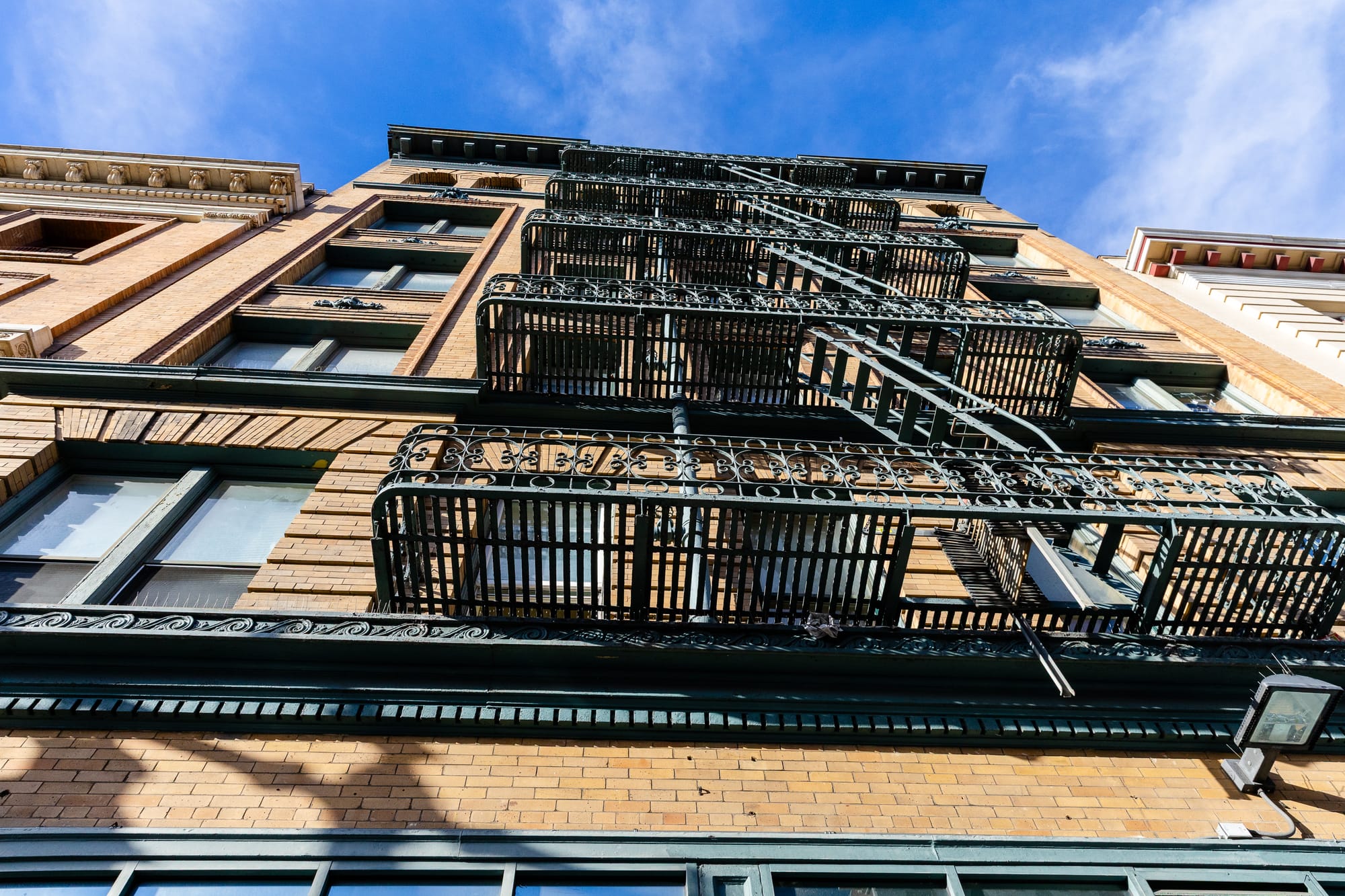
Having a safe, consistent place to sleep meant he could focus on his recovery — on his terms. He’s since become a resource for people who are in similar situations to when he was living outside. He’s saved four people from overdosing. He bought a brand new car. And, he’s fallen in love.
I met him at his home earlier this fall, where he shared his story.
_______
The first time I ever hit San Francisco was 1995. That's when things were good. I had a job. I could drink. I could work during the daytime, and it wasn't a problem until it started becoming a problem. I was showing up late to work, late on my rent. To me, it was bad luck. It was never my fault. I lost my housing, I think, in 1998.
They had what we called the flop house hotels then. Mission Street from 16th to 17th had something like five different hotels. You could stay there for $30 a night. It was drug addicts, alcoholics, they would just want to take a break. I actually preferred to be outside because that's where my friends were. That's where the alcohol was, and somehow in my mind, that was paradise.
There were five of us — this was when Market Street was widened — outside Wendy's, Taco Bell. We had that little cubby hole, and we watched each other's backs. I knew if I was getting sober, that would be taken away from me.
While I was on the street, I was in and out of the hospital. At that time, I was having alcoholic seizures. They had what they call ED case management there — emergency department case management — and it was the greatest thing that ever happened to me. I got really close with my therapist. We would talk about my grandkids, my kids, and wow, it made me miss them. From there I went to Walden House.
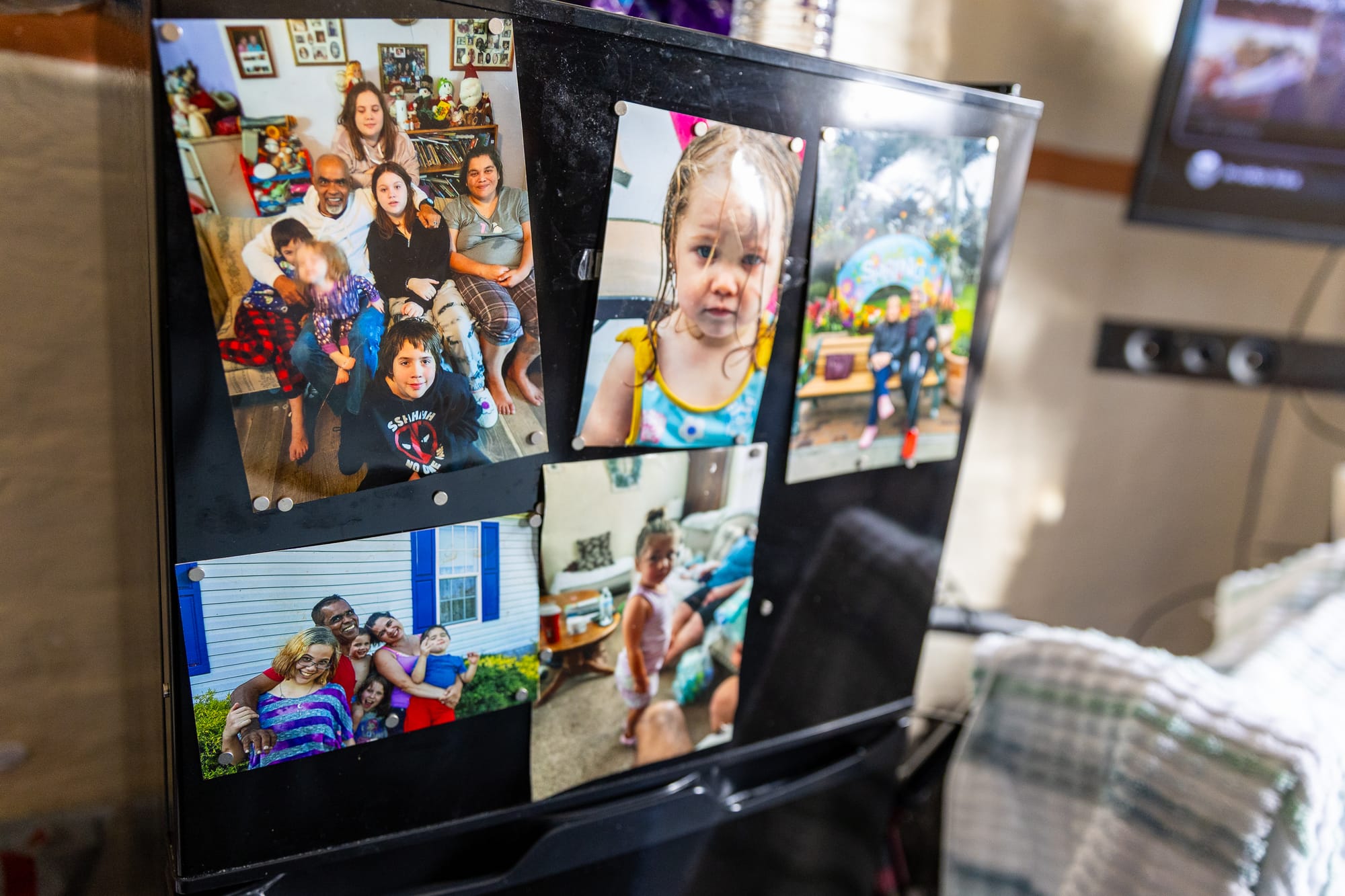
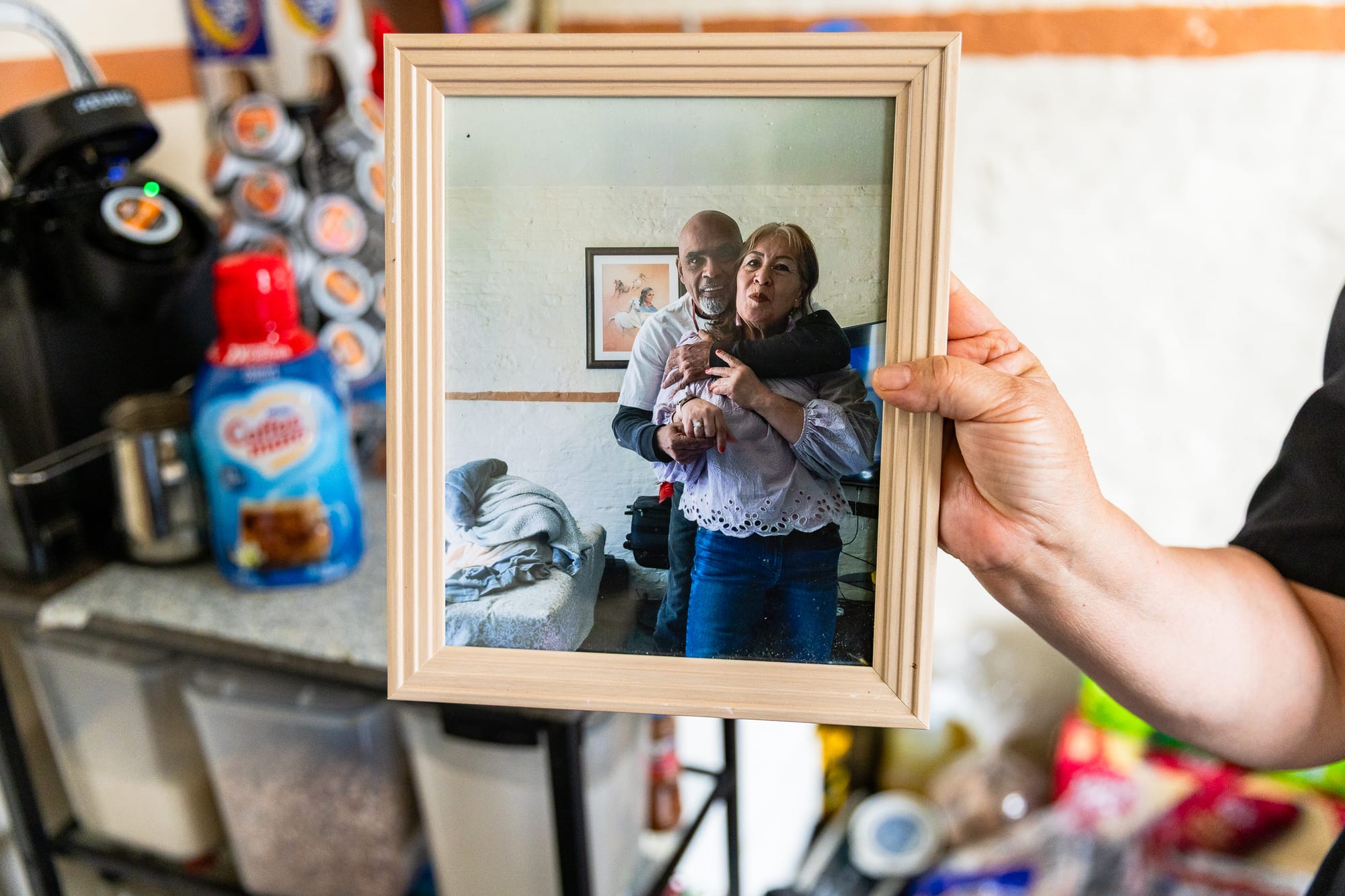
Larry Dimery keeps photos of his kids, grandkids, and partner through out his room. (Estefany Gonzalez/COYOTE Media Collective)
One day, this lady came and asked for me. We went into a little room and we talked, and she said, “Are you interested in permanent housing? We got a place named The Empress.” Giving me a place to stay, the Empress, that was a small thing. Getting me sober was the big thing.
My father died of alcoholism. My older brother retired from the army, where he spent 20-some years drinking, and he died. I've been drinking ever since I was 16. I became a serious alcoholic by the time I was 21. I went through programs, and they never worked for me.
For about four more months after I got here I drank. Then I got tired and had that guilt about my daughter, my granddaughter. The biggest change in my life was understanding what I was missing from my family. It got to me, and I quit.
What I say today – Alcoholics Anonymous is great for millions of people, but it's not for me. Whether it's drugs, alcohol, you got to choose what you know. If this doesn’t work, then what does? Because what's working for him might not work for you, and what's working for you might not work for him.
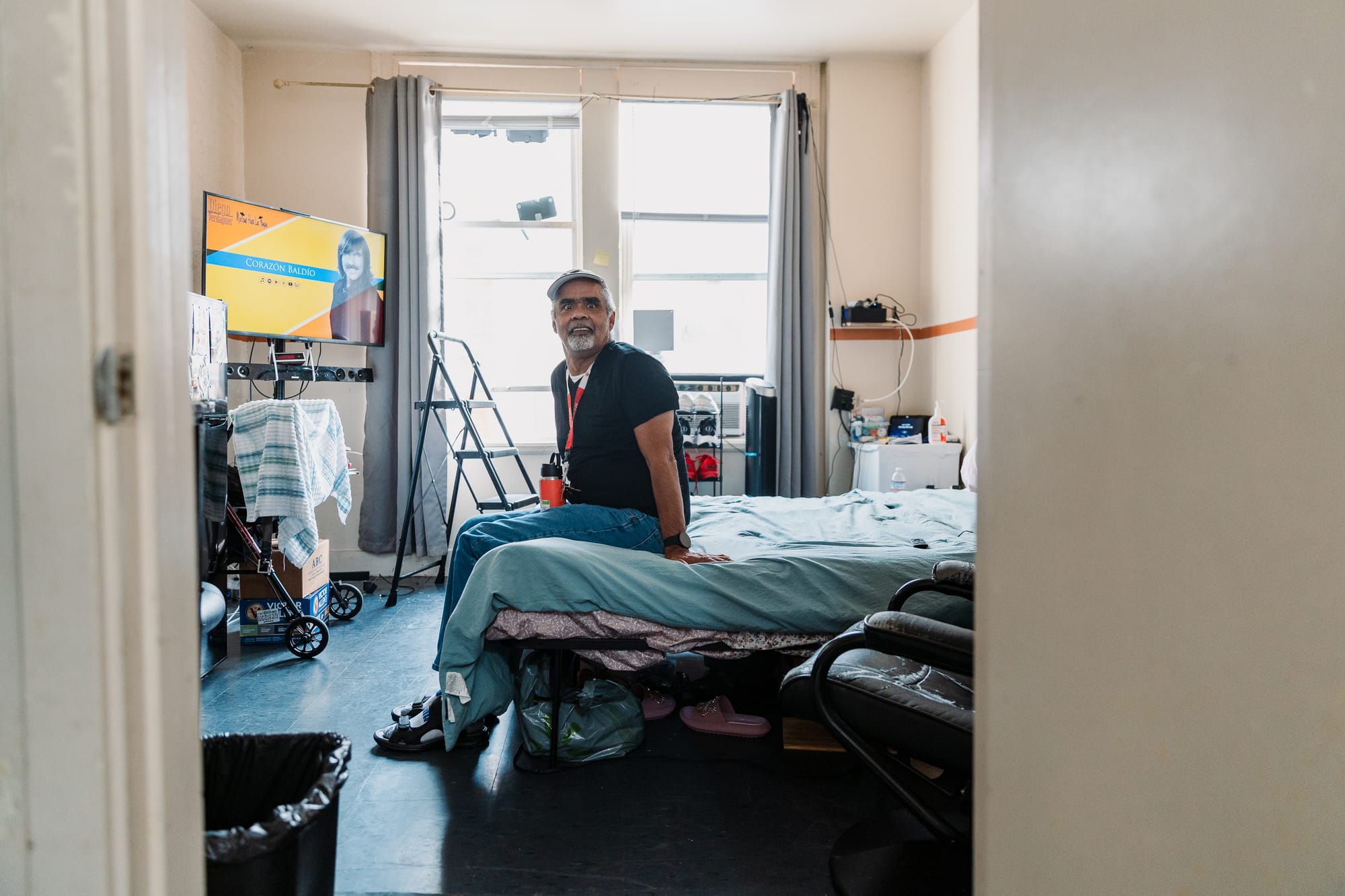
So that's where I got this idea. It’s funny now, but I was like “The liquor store is right there.” My thought (and it worked) was I get undressed. Then for me to go to the liquor store, I'm gonna have to get up, get dressed. I was like “If I don't get dressed, I can't go get it!” It actually worked for me! For three days, I didn't even get dressed or leave my place. I had a girlfriend, she was totally supportive, she’d come over and bring me food. Once I got it this time, I got sober. July of 2009.
I can drink — I just can’t stop, and I keep remembering that. I have great grandkids now. I get to go home to South Carolina twice a year. I’m so ready to see real life. I got a fiancé, and a 2024 car, paid for with drinking money.
A long time ago I went to AA programs, and I heard this guy say that before he stopped, he asked himself what the one thing in this world was he wanted, and he started saving his money. My sisters and brothers all have brand new cars. I’ve had cars but never a brand new car. During the time I was drinking, I was always broke. So I put that money in there, and put it in there, and one day my fiancé and I went to the Toyota on Geary and walked away with one.
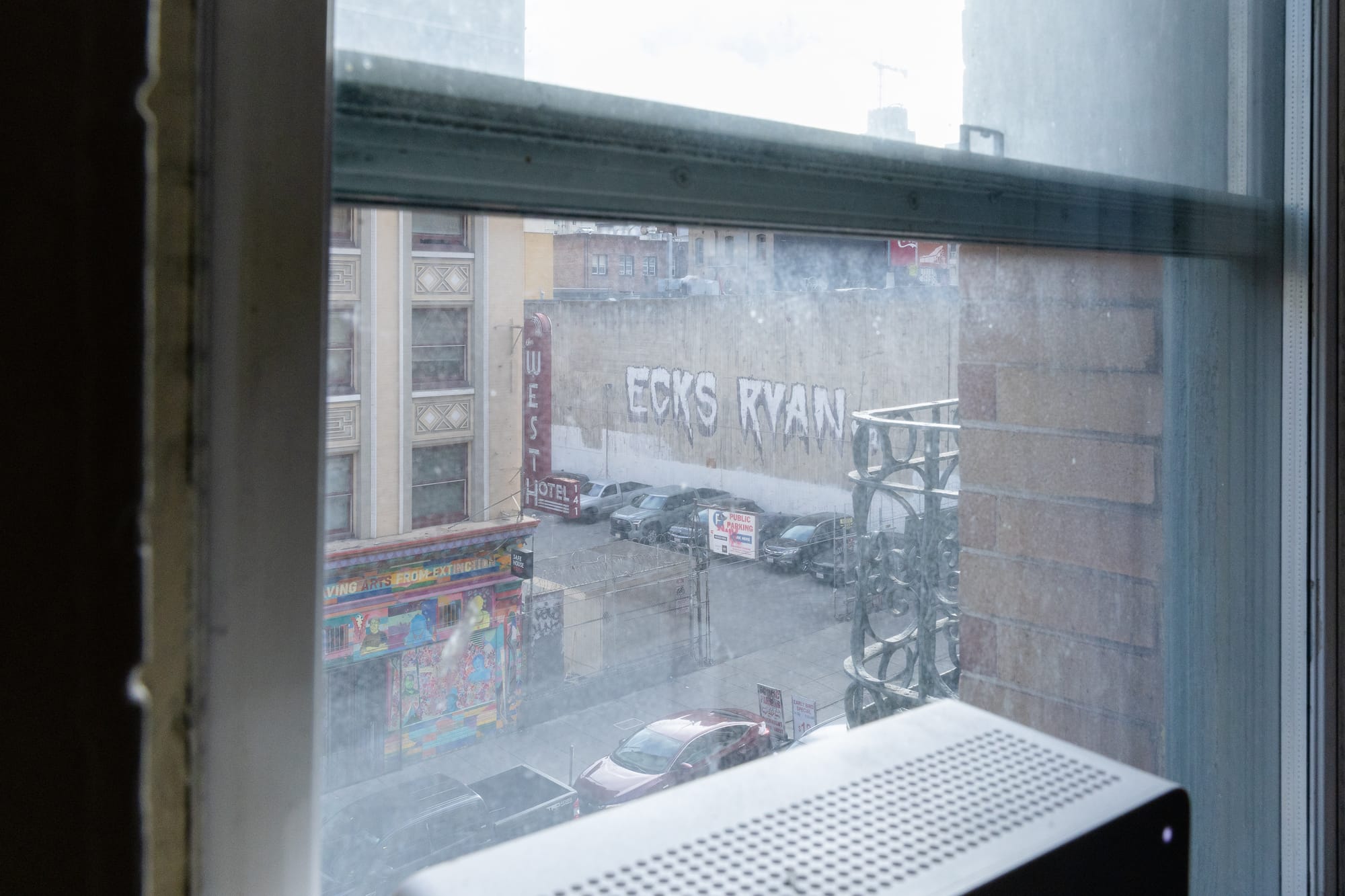
I can actually have these things now. I can actually get up and take a bath. I can actually get up to cook my food. I can actually go to my refrigerator anytime of day or night and get me something. I can watch TV, what I want to watch, not what the crowd wants to watch. Clean clothes.
Now I’m a peer responder. There’s four of us total in the building, we meet on the last Friday of the month. If you used, or you drank, you can call me, and I'll talk to you, make sure you're safe and everything.
I've never done drugs, but I got cookers, I got glass, I've got Narcan, I got needles. We're not asking you to do drugs, but we're just making sure you don't get any kind of diseases, and we have anything we can help you with. Then I just give them interest and say, “Just in case you want a program, here's the numbers right here, man. I'm giving you the option to choose.”
I’m also on the community advisory board. We go down and we tell them, hey, this is what my building needs, or this is what's going on in my building.
I have a purpose — that makes me feel good about myself. I’ve got something to look forward to: I gotta meet next week, because they're looking forward to me being there. I can be a part of the community, not something that the community doesn't want to see.
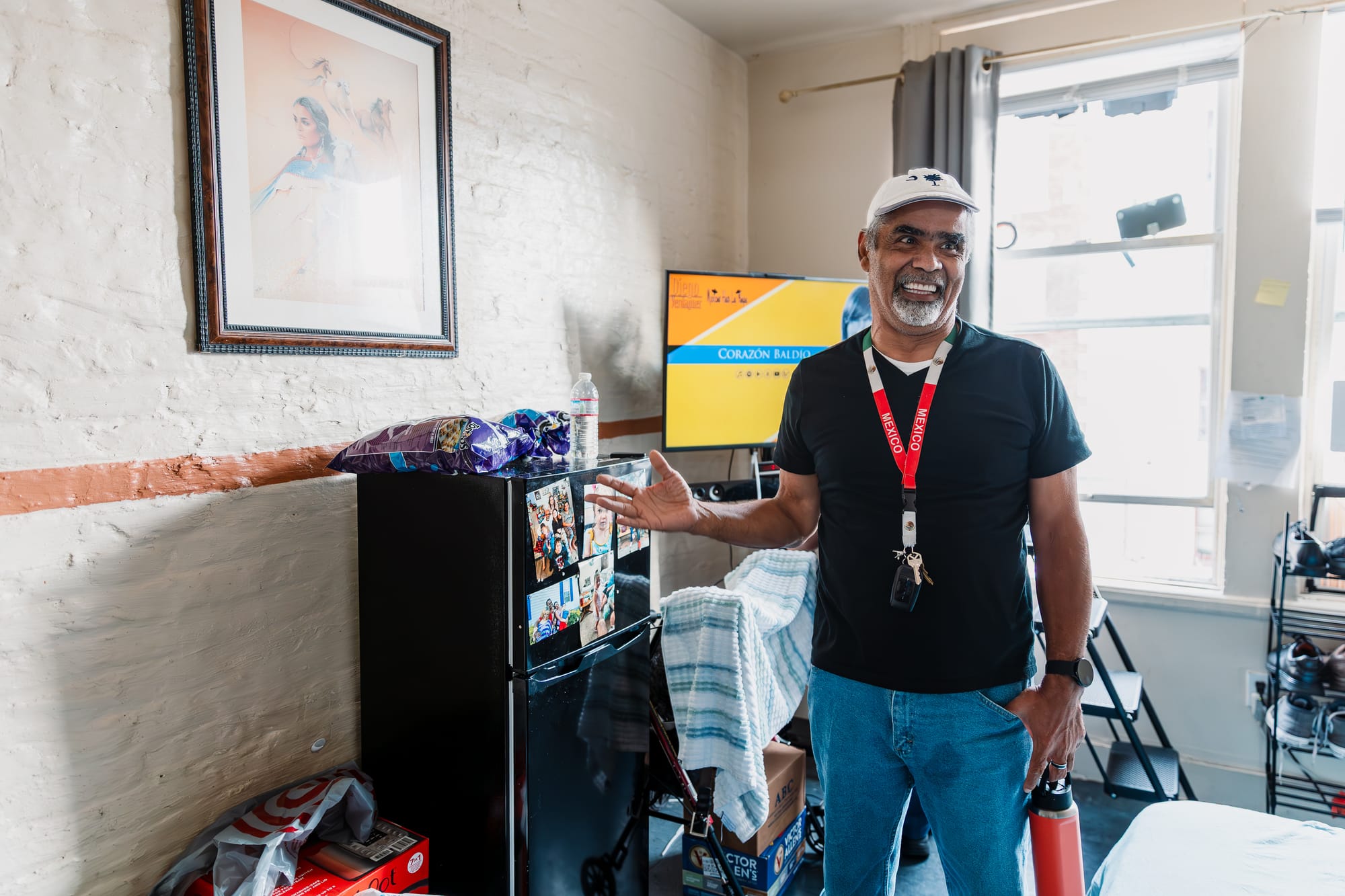
When I was drinking, I didn’t know I was missing things. I actually didn't mind people looking down on me. “Sir, can you spare a little change today? Sir, I’m hungry.” I’m sure you see folks doing this. I can’t believe I did things like that. It wasn’t me; I’m sure it’s not them either.
When I was out there, I was a nobody. But now I feel like I’m somebody. I give you respect, you give me respect. That’s the bottom line.
Sometimes I get to talk to people out there. I tell them, “You don’t have to be out here, dude,” but it's not something where we’ll say “Oh, we’ll quit tomorrow.” It’s a process.