An Open Letter to LaRussell
The rapper made an error with the song “Heaven Sent,” writes fellow Bay Area emcee Rocky Rivera. But not listening to his community was the bigger mistake.


The rapper made an error with the song “Heaven Sent,” writes fellow Bay Area emcee Rocky Rivera. But not listening to his community was the bigger mistake.

Tackle football is one of the most lucrative, popular sports in the United States. It’s also one of the most dangerous. How do you root for women’s progress in a game maybe nobody should play?

This week we've got bee guts, doulas, post-colonial music, tempeh, and more.
The rapper made an error with the song “Heaven Sent,” writes fellow Bay Area emcee Rocky Rivera. But not listening to his community was the bigger mistake.

Dear LaRussell,
I hope this message, well, finds you. You are currently away from all socials: the first break I’ve seen you take since you came onto the Bay Area music scene nearly a decade ago.
You don’t know me, but I am a huge supporter of what you’ve done in and for the Bay Area. I’m a veteran hip-hop journalist with a track record of supporting local artists. I’m also an artist, myself. I was raised in San Francisco and now live in Oakland; I’m deeply connected to my communities in both.
What you’ve done in your short amount of time on the scene must be applauded, including your “pay what you want” economic model and backyard shows, which have brought joy and a sense of community to so many. And your run-up to the Super Bowl this year was revolutionary. Since the beginning, I’ve championed your unconventional strategy, your obvious connection to your fans, and your commitment to doing things your way. That will always stand. But on the way to carving out your fanbase and community, you created a fortress. An echo chamber. I, and many others, tried to warn you, but you’ve made it clear you’re not listening.
We all can agree that the first mistake was not listening to your engineer when he told you not to release this song. But the cascading events that followed point to an even bigger issue: an inability to hear feedback from the fans who put you where you are today.
From an industry standpoint, the way you handled this controversy also brings up questions about your team. Had they been truly looking out for you, they would have advised you to a) take a second before responding and really listen to what your fans are saying; b) issue an apology, therefore ending the discussion; and c) use this experience to inform the next time you write a bar that could be misconstrued or a song that may be irresponsible to release. Save. Yourself. The Trouble. Or just, Save Yourself.
None of this needed to happen. It definitely didn’t need to be doubled down on (then tripled, then quadrupled).
What I won’t do is argue over semantics: I don’t care whether there’s a dash between “heaven” and “sent,” nor how Merriam-Webster defines it. That part was just lazy writing. I won’t do a back-and-forth with your Christian followers and their platitudes of creationism either; we will have to agree to disagree. As a peer, I will gently advise you to re-examine the circle you keep around you. From your manager’s responses, to your mom’s rally in your honor, to your fans’ blind loyalty, it’s all beginning to look like cultish behavior. Behavior that is preventing you from learning, or from being vulnerable with the community you created — a community to whom you do owe an apology. Because whether it was intentional or not, you hurt people.
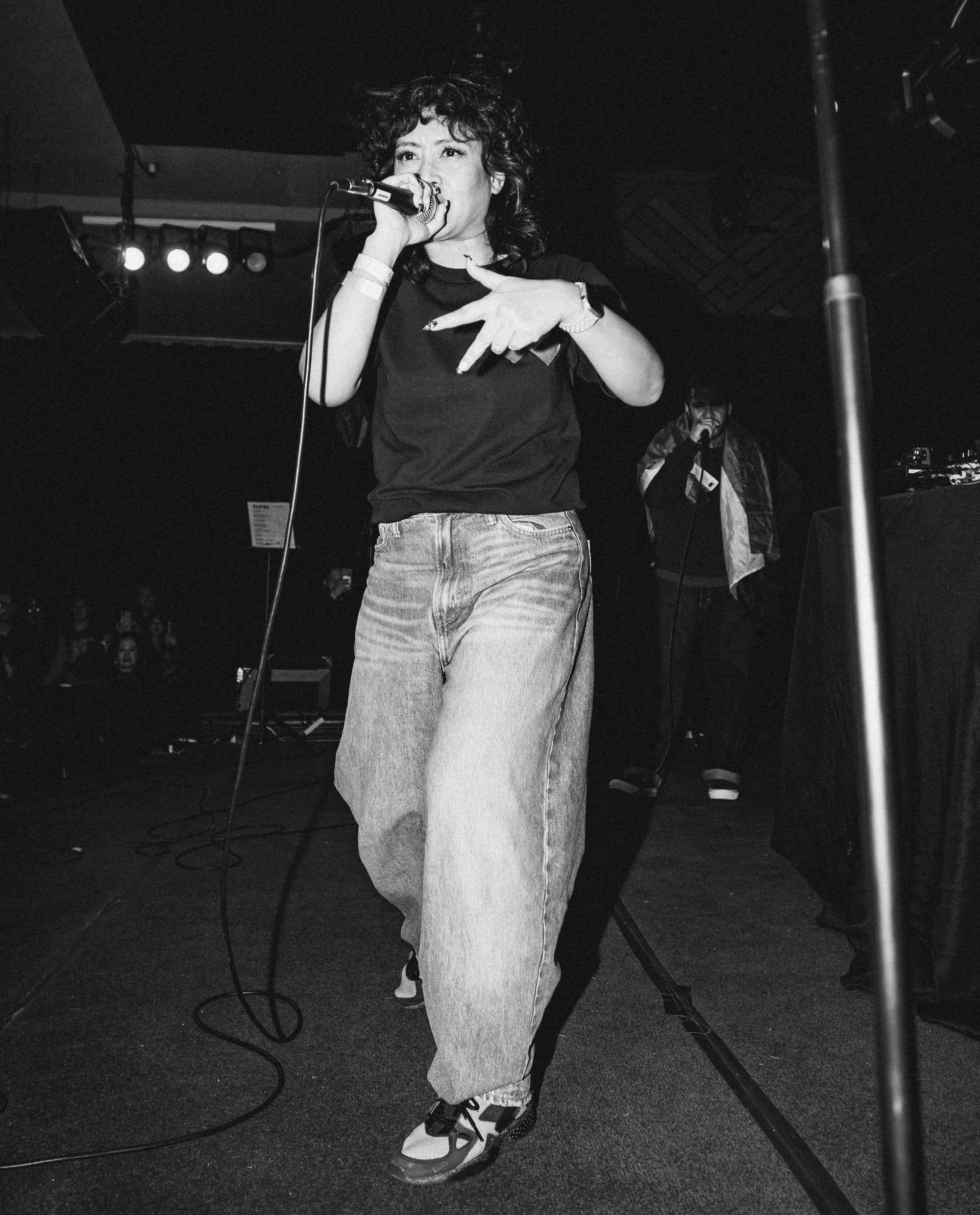
As an artist who has learned to deal with being a public figure, I can also appreciate that it’s hard to drown out the noise. When you’re young and famous, you don’t realize how powerful you can be, so you cast critics as “haters.” And, yes, many of them are. They’ve been wanting to criticize you, waiting for you to fuck up your “community” angle and call you performative. They say things like, “I always thought he was corny…” and find this moment vindicating as another misstep on your end: a way to say you didn’t read the proverbial room.
But not everybody is a hater. Many of us have been rooting for you, the way you’ve put on for Vallejo, for the youth in your recent school campus videos for “I’m From the Bay.” Hell, I wasn’t even that mad when you signed to Roc Nation and said those things about Lil’ Wayne. However, it was around then that I started seeing you address your “haters” more frequently — who were, to be clear, people accurately pointing out that your proud “independent hustle” was at odds with your signing to a corporate label owned by the most famous Black capitalist of our generation, Jay-Z.
In retrospect, the storm was building from this moment on, as you adopted a defensive stance that inoculated you from future criticisms, constructive or not.
The Latin root word for “accountability” is “to reckon,” which we have come to associate with Biblical terms. And your fans are doing just that: reckoning. People are weighing your recent actions against the real good you’ve done — what you’ve given the Bay in terms of entrepreneurial spirit and independent hustle — and they’re conflicted about it.
These fans are also giving you vital information: Because it’s not always immediately apparent when you’ve caused harm, you need indicators. Ideally, your loved ones are people who you can trust to be honest. They’re not enablers. Fans and peers giving you thoughtful, critical feedback are not misunderstanding you on purpose. They are doing what good friends should do and urging you to reconsider your perspective — to place yourself in a nonbeliever’s shoes, a survivor’s shoes, and consider the impact of your words.
There is no injustice in what you did to yourself. There is only self-sabotage. You, being Icarus. The Sun being, well … Heaven Sent.
Please don’t take a page from the book of the president when it comes to damage control. Nor Epstein. Nor “Adolf.” They were not accountable. They were never truly punished — not made to understand how they’ve harmed so many. They did not face their reckoning and make it to the other side a changed person.
But I still believe you can, if you are brave enough to listen and reflect. To use this time to ask the important question: Who do I trust enough to tell the truth to me, even when I cannot tell it to myself? That is a philosophical question. That takes shadow work — not spiritual bypassing. If you want to know if you’re wrong, you have to pay attention to the rationale of your critics. If they start making more sense than your followers, then you have your answer in front of you, where it has always been.
Still in your corner,
Rocky