‘Unsung Heroines’ Is a Rollicking Feminist History of the Bay
Rae Alexandra’s new essay collection celebrates 35 leaders, activists, and rule-breakers we should have learned about in school.


Rae Alexandra’s new essay collection celebrates 35 leaders, activists, and rule-breakers we should have learned about in school.

This week we've got nefarious tales about Vallejo's history, jazzy renditions of A Tribe Called Quest, and queer line dancing for beginners.

Camper English’s popular water tasting course is an exercise in attention — even for us tap-lovin’ plebes.

Rae Alexandra’s new essay collection celebrates 35 leaders, activists, and rule-breakers we should have learned about in school.

It was March of 2018, and Bay Area arts journalist Rae Alexandra was furious. The KQED writer had just read a mind-blowing statistic: At the time, out of 87 public statues in San Francisco, only two depicted nonfictional women. (Senator Dianne Feinstein and Florence Nightingale were the lucky dames.) Alexandra couldn’t get this out of her head.
“I was complaining about it to anyone who would listen,” recalls Alexandra, seated outside Thee Parkside on a recent Friday afternoon. “I remember sitting in Mission Bar talking to some random fucking guy, and he said, ‘Well, you know, it's a Gold Rush town, so maybe there weren’t women here doing stuff.’”
Shockingly, this line of thinking did not make Alexandra less angry. “Where there is life, there are women. Clearly we’re missing something here,” she says. “But it took me weeks of complaining to go, Hang on a minute. You’re a writer ... maybe you can actually do something about it.”
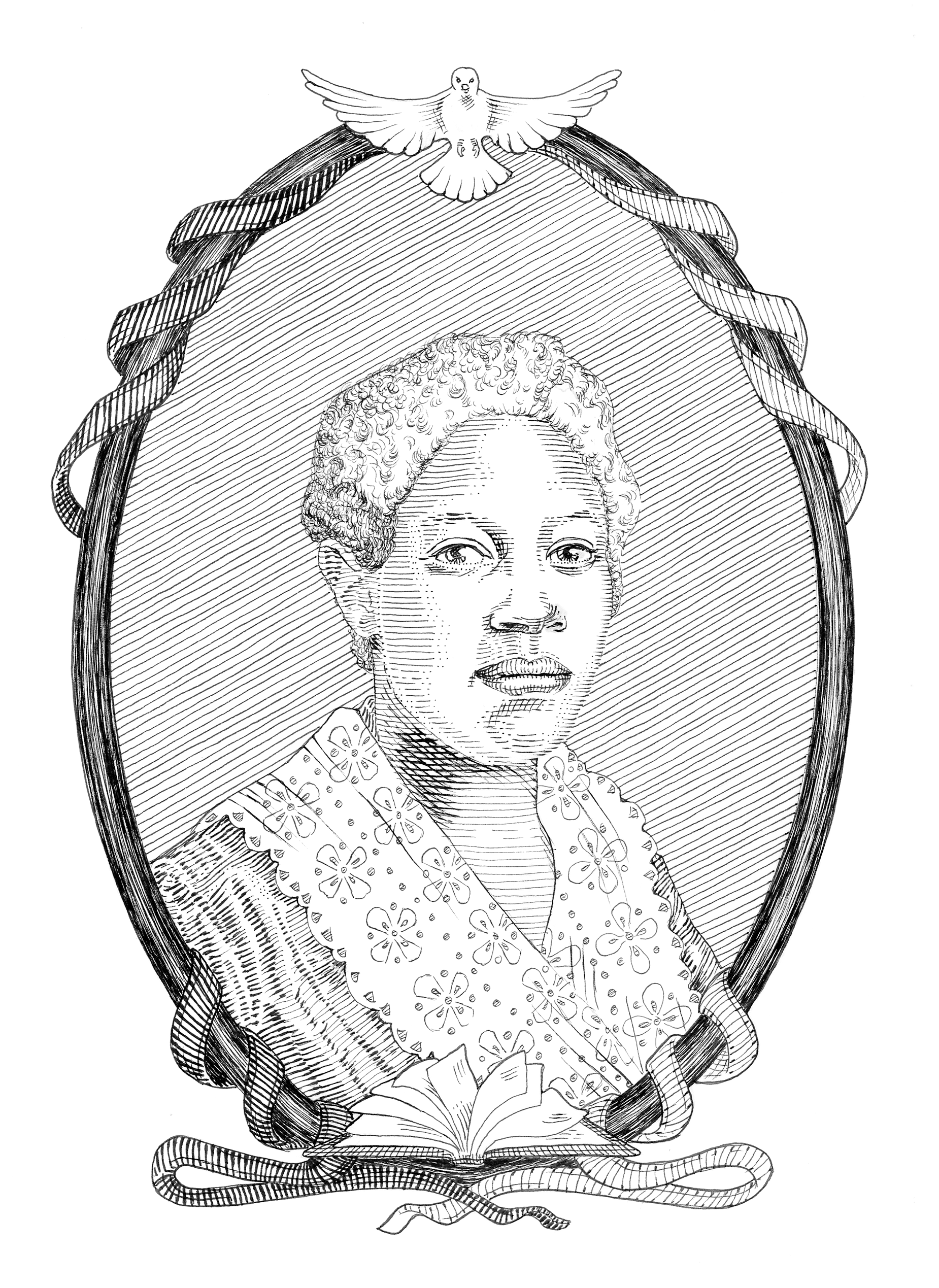
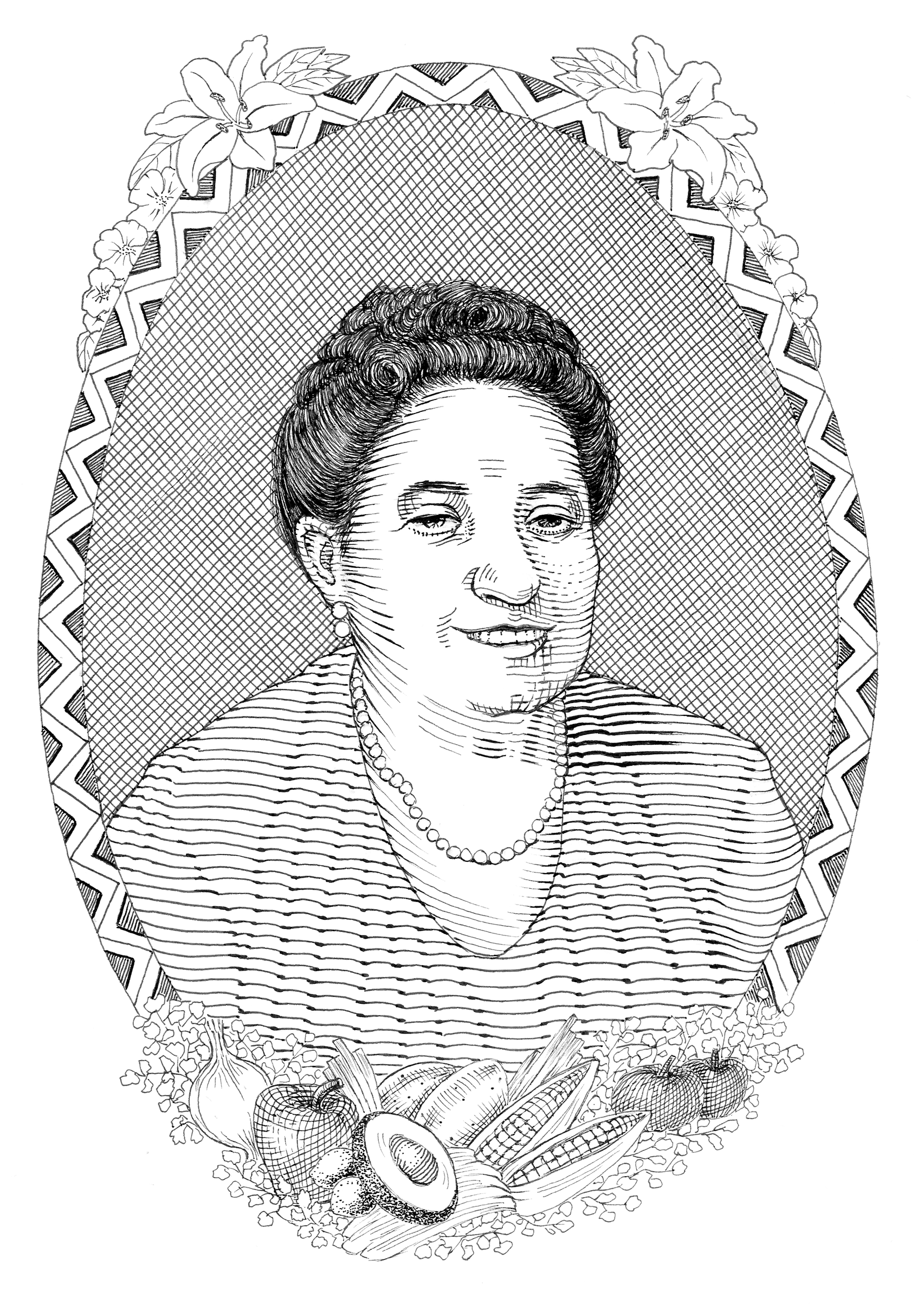
Eight years later, what Alexandra did about it fills a book. Unsung Heroines: 35 Women Who Changed the Bay Area is an essay collection that grew out of Alexandra’s popular “Rebel Girls from Bay Area History” series at KQED Arts, where she channeled that anger into voicey, entertaining, and deeply researched history lessons about local women who achieved amazing things — but have yet to be immortalized in statue form. In its print incarnation, each essay is brought to life with a charming black-and-white illustration by San Francisco artist Adrienne Simms.
The book is published March 17 by City Lights, and Alexandra will celebrate with readings and parties spread out over the next three months, including an event March 5 at City Lights Books in San Francisco; Rebel Girls Bingo on March 11 and 12 at KQED’s headquarters in the city; and a reading March 27 at Fair Arrow Books + Goods in Martinez.
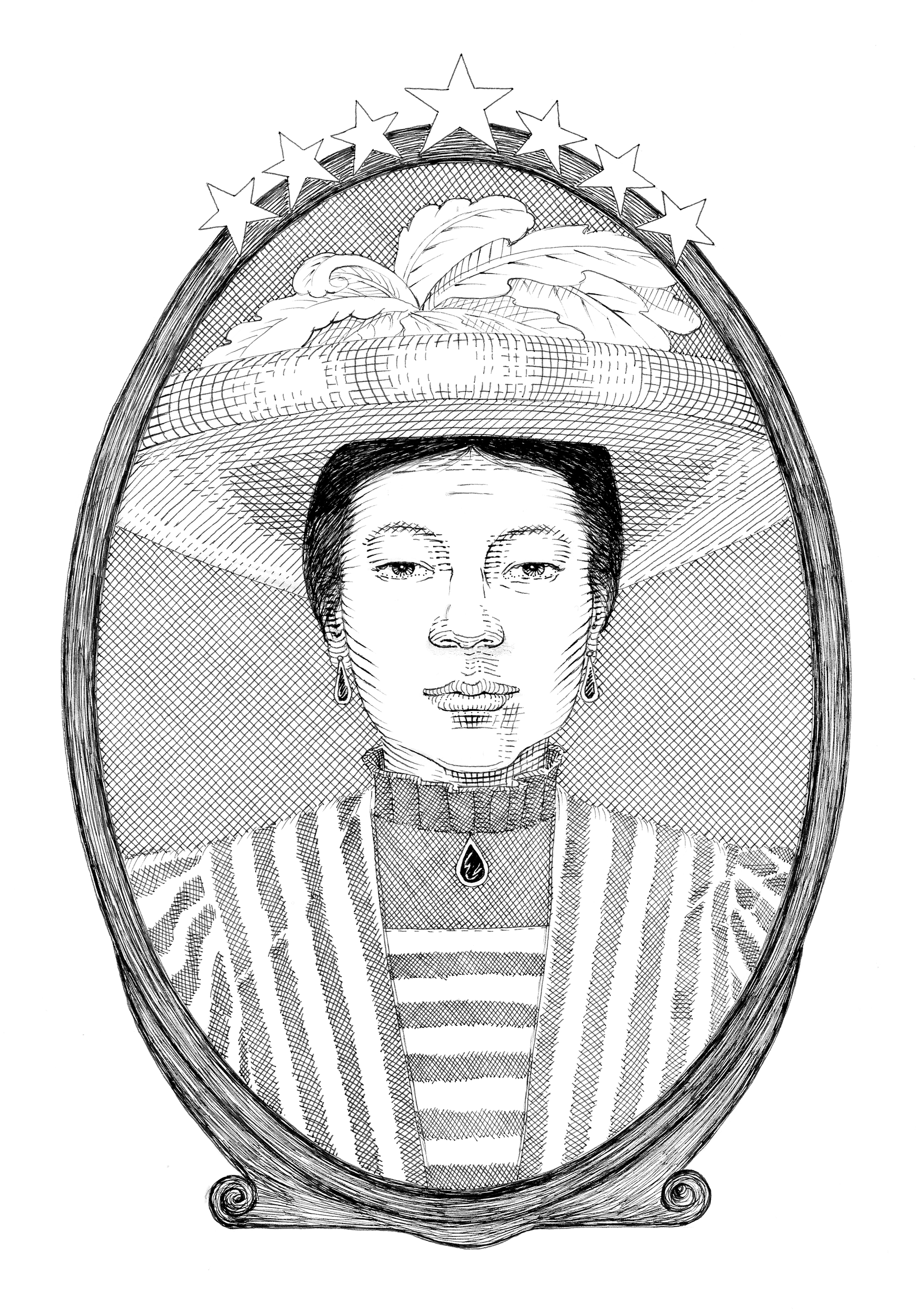
In these 35 essays, readers get to know local heroes like Del Martin and Phyllis Lyon, a San Francisco couple who in 1955 founded the first lesbian rights organization in the U.S.; Clara Elizabeth Chan Lee, an East Bay suffragist and the first Chinese American woman to register to vote in California; and Elena Zelayeta, a Mexican home cook turned restaurateur who lost her sight in the 1930s — and went on to publish five books, host a cooking show, and teach culinary classes to other blind people.
Unsung Heroines’ subjects are all women, and they all spent formative parts of their lives in the Bay Area. But otherwise, these people span centuries, ethnicities, circumstances, and lines of work. So what criteria was Alexandra looking for in selecting women for inclusion?
“The primary one is they have to be dead,” she says. “Because what happened at the beginning of this [series] is people were contacting me and going, ‘There’s this great leader who lives in San José and she runs this company.’ And I’m like, No, we’re not turning this into CEO hour. So I brought in the ‘she must be dead’ rule, because that was the only way around it.”
Otherwise, Alexandra says, the main criteria was “I had to fall in love with her.”
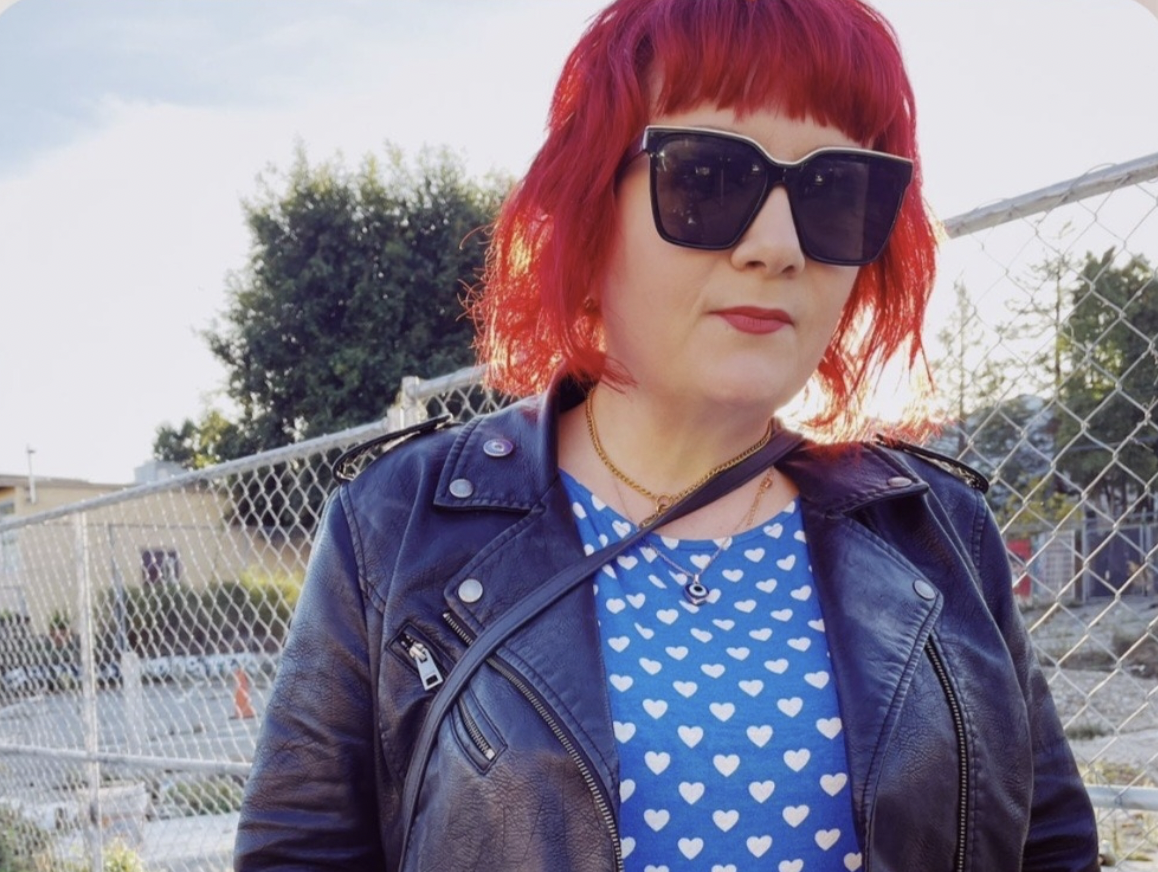
Alexandra, who moved to Stockton in 2024 after many years as a Mission District resident, is a compelling character herself: a Welsh-born, dry-humored, magenta-haired veteran of punk and alternative culture publications like Kerrang! as well as local outlets including SF Weekly (where, full disclosure, yours truly was her editor for a time). And while the book is mostly rated PG — with an eye toward getting the book into schools, City Lights nixed a couple “naked ladies” and one professional gambler with a penchant for shooting men — a wry, daring current runs through the text. Alexandra brings a conversational tone to each essay, making her extraordinary subjects feel relatable.
Over the course of her research, some of the women began to feel like comrades to the author as well: Delilah L. Beasley, for example, a journalist and historian who worked at the Oakland Tribune, is considered the first Black woman to be published regularly in a major metropolitan newspaper.
“What I ended up finding, for a couple years after I wrote about her, is that I’d be researching somebody else and find a newspaper article… and it would be by Delilah,” says Alexandra. “It happened so many times that after a while I was like, Delilah Beasley’s ghost is guiding this entire series, just shunting me along: ‘Do this one, do this one.’”
While Alexandra doesn’t call herself a historian, she admits she has amassed quite the reference library over the course of writing the “Rebel Girls” series. She gives special shoutouts to the SF History Center for supporting her research and, since she moved, the Friends of the Stockton Public Library’s used bookstore. A more nuanced part of her process: reconsidering what counts as history in the first place, having grown up in a country where structures date to the 1st century.
“I’m from Wales, and there’s castles every 10 minutes because we’ve been conquered so often. I hated history in high school … you take it for granted because it’s everywhere,” she says. “There was an amphitheater 20 minutes from my parents’ house that was 2,000 years old, and all anybody did in it was smoke weed. There are 12-year-olds playing football in it. No one cares.”
In the Bay Area, by contrast, buildings from the 1930s are considered historic. But the smaller scale of history actually makes her mandate easier, says Alexandra — as does the Bay’s tendency to attract “really spicy, rebellious contrarians. There’s just a wealth of interesting people and stories to look up.”
Alexandra isn’t one to get preachy with her writing, but if there’s any lesson to take away from these profiles, it’s that regular people really do have a chance to make history every day. She thinks a lot, for example, about Myra Virginia Simmons.
“The thing I love about her is she was just an ordinary woman,” says the author. “She was a Black woman from Oakland, a domestic cook who also sold newspapers. But when the 1915 World’s Fair was happening, it had something called the ‘Joy Zone,’ with all these egregiously racist attractions… there was one that was essentially a dunk tank for Black men. At this thing that was supposed to be the symbol of progress and modernity, right?”
Simmons organized hundreds of people from Oakland, from several different organizations, to form a counter-demonstration — an actual display of joy — called Alameda County Day. As Alexandra details in Simmons’ essay, folks from Black communities all over the Bay closed up shop and converged on the Ferry Building for a parade, with “flower-covered floats, choirs, flag-waving schoolchildren, streetcars full of Black women’s clubs and everyday workers,” then marched proudly through the whole fair to show the world what Black people looked like in their full humanity.
“She organized that, and she was just a fucking newspaper seller,” says Alexandra. “You can just be a regular person. Half the time, [to make a difference], it seems like you just need to be the loudest person and the most organized person, and persuasive.”
“People will go, ‘OK, yeah, someone’s doing a thing. I’ll come on to the thing,’” says Alexandra. “You just have to be the person going ‘Come on.’”
‘Unsung Heroines: 35 Women Who Changed the Bay Area’ is out March 17 on City Lights. Click here for a full list of events.